
Pruning
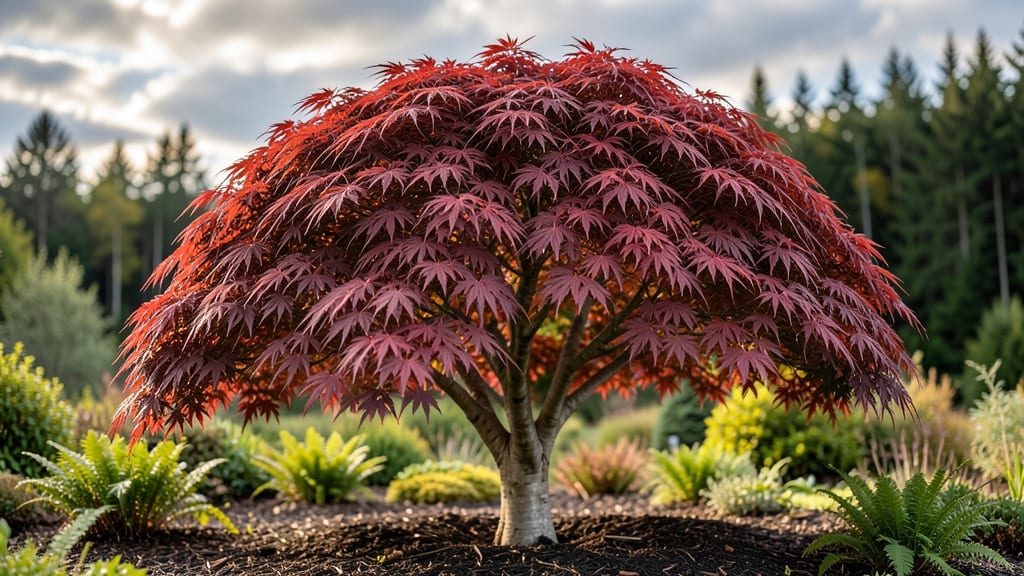
The laceleaf weeping Japanese red maple tree transforms any garden into a living watercolor painting with its delicate, cascading branches and fiery foliage. 🌿 I’ve spent years pruning mine, and the secret to keeping those vibrant red leaves year-round isn’t complicated—it’s about timing, technique, and a little patience.
The right cuts encourage denser growth and prevent those branches from becoming too leggy, while protecting the tree’s natural shape keeps it looking effortlessly elegant.
This tree thrives in partial shade but still needs at least 4-6 hours of sunlight daily to maintain its signature red hues.
Well-draining, slightly acidic soil (think leaf mold or compost mixed into garden soil) is key—water deeply once a week unless it rains, and avoid soggy roots like the plague.
Pruning isn’t just about shaping; it’s about removing dead wood in late winter and thinning crowded branches in early spring to let light and air circulate. The payoff? A tree that stays lush, vibrant, and full of character through all four seasons.
What you’ll end up with is a showstopper that draws the eye—whether as a standalone specimen or woven into a garden border. The laceleaf’s fine texture and weeping habit make it perfect for small spaces, container gardens, or as a focal point near patios.
Just avoid heavy pruning in summer, when the tree is pushing new growth, and you’ll keep those leaves a stunning crimson even in winter. Trust me, your neighbors will notice.
This guide covers everything from when to prune (spoiler: it’s not when you think) to how to encourage those signature red leaves, even in cooler climates. Whether you’re dealing with a young sapling or an established tree, the same principles apply—just adjust the intensity.
Let’s get those shears sharp and those branches looking their best.
📚 In This Guide
- What you need
- Instructions
- Tips and common mistakes
- Wrapping up and next steps
What you need
- ● Pruning shears: Bypass pruners (sharp, clean, and disinfected with rubbing alcohol). Choose a pair with a 4- to 6-inch blade for precision cuts.
- ● Loppers: For thicker branches (½ to 1½ inches in diameter). Opt for bypass loppers with a 10- to 14-inch handle for leverage.
- ● Pruning saw: A curved-tooth saw for branches over 1½ inches thick. Look for a 7- to 10-inch blade for flexibility.
- ● Gloves: Heavy-duty, cut-resistant gloves (e.g., mechanics’ or pruning gloves) to protect your hands from thorns and sharp edges.
- ● Disinfectant: 70% isopropyl alcohol or a 10% bleach solution (1 part bleach to 9 parts water) to sterilize tools and prevent disease spread.
- ○ Pruning sealant: Tree wound paint (optional but recommended for cuts larger than ½ inch to reduce sap loss and infection risk).
- ● Ladder or step stool: A stable, extendable ladder (e.g., 24- to 32-foot aluminum ladder) or a foldable step stool for reaching higher branches safely.
- ● Safety gear: Safety glasses (to shield eyes from debris).
- ● Long sleeves and pants (to protect against scratches and sap).
- ● Closed-toe shoes or steel-toe boots (for stability and protection).
- ● Extension pole: A 3- to 6-foot telescoping pole with a saw or shears attachment for high branches (saves ladder use!).
- ● Tarp or drop cloth: To collect debris and protect your lawn or driveway.
- ● Marking spray: Water-soluble spray paint to mark branches for removal (great for large-scale pruning plans).
- ● Pruning rope: For temporarily securing branches during heavy pruning.
- ● First-aid kit: Just in case—sap or thorns can cause minor injuries!
Step-by-step instructions for pruning a laceleaf weeping Japanese red maple
Here’s how to shape your tree for stunning year-round color and healthy growth.
✂️ Step 1: Time Your Pruning for Optimal Growth
Prune your laceleaf weeping Japanese red maple in late winter or early spring—just as new growth begins. This timing ensures you remove dead wood while leaving enough foliage for photosynthesis. Avoid pruning in fall, as new growth won’t harden off before winter.
If you must prune outside this window, do it in early summer after flowering, but limit cuts to just dead or damaged branches. The tree’s vibrant red foliage develops best when pruned at the right time—wait until you see pink buds forming in spring for the perfect cue.
✂️ Step 2: Remove Dead, Diseased, or Weak Branches First
Start by inspecting the tree for dead, crossing, or rubbing branches—these compete for energy and can invite pests. Use clean, sharp pruners to make cuts just outside the branch collar (the swollen area where the branch meets the trunk). This ensures the wound heals properly and prevents disease.
Look for branches that are brown, brittle, or hollow—these won’t recover. Also remove any branches growing straight upward (they spoil the weeping habit) or those thinner than a pencil (they won’t contribute much foliage). Thin out crowded areas to improve airflow and sunlight penetration.
✂️ Step 3: Shape the Weeping Form Gently
To maintain the tree’s graceful, cascading shape, focus on light pruning—never cut more than 25% of the foliage in one season. Use hand pruners to trim back the tips of overgrown branches, encouraging bushier growth. Avoid heavy shearing, which can leave ugly stubs and stress the tree.
Pay special attention to the outer edges—trim just enough to keep the weeping effect intact. If a branch grows too upright, make a small cut just above a lateral bud to redirect growth downward. Step back often to check your progress; the goal is to enhance the tree’s natural elegance, not reshape it drastically.
✂️ Step 4: Clean Up and Protect the Tree
After pruning, sterilize your tools with rubbing alcohol to prevent spreading disease. Collect all clippings and dispose of them—never leave them on the ground, as they can harbor fungal spores. If you find any sawdust-like frass (insect droppings) on branches, inspect for pests like scale or aphids.
Apply a balanced, slow-release fertilizer (like 10-10-10) around the root zone if your tree looks tired. Water deeply afterward to help it recover. Mulch with 2-3 inches of organic mulch (like shredded bark) to retain moisture and protect roots from temperature swings.
⏰ Step 5: Monitor and Maintain Year-Round
Check your tree monthly for new dead branches or signs of stress (like yellowing leaves). Prune out any suckers or water sprouts (fast-growing vertical shoots) as soon as they appear—they drain energy from the main structure. In winter, lightly brush away snow from branches to prevent breakage.
Your laceleaf weeping Japanese red maple will reward you with vibrant red foliage in spring, summer, and fall if you keep pruning light and consistent. Over time, the tree will develop a dramatic, layered silhouette—perfect for focal points in gardens or as a stunning container specimen.
Tips & tricks for pruning a laceleaf weeping Japanese red maple
Here’s what I’ve learned after years of shaping these stunning trees—tricks that’ll keep your maple thriving and vibrant.
Timing is Everything: The late winter to early spring window isn’t just ideal—it’s critical. That’s when your tree’s energy is focused on new growth, making it much more resilient to pruning. I’ve seen trees pruned in fall struggle with winter dieback, so mark your calendar for when those pink buds start showing. If you must prune in summer, stick to only removing dead or damaged branches—never more than 25% of the foliage.
The Right Cut Makes All the Difference: When shaping branches in Step 3, always cut just above a lateral bud (about ¼ inch above) to encourage downward growth. I’ve made the mistake of cutting too close to the trunk, and those wounds take forever to heal. For thicker branches, use three small cuts to avoid tearing the bark—this prevents disease entry points. And never leave stubs; they’ll just collect moisture and rot.
Tool Care Prevents Problems: Your pruners are the most important tool here—keep them sharp and clean. Dull blades tear bark and create larger wounds. After each use, wipe them down with rubbing alcohol and store them in a dry place. I’ve seen pruners left out in damp conditions rust overnight, and that’s how fungal infections start. Sterilizing between cuts is especially important if your tree shows any signs of disease.
Post-Pruning Recovery Matters: After you’ve finished shaping, don’t just walk away. Apply that balanced fertilizer (like 10-10-10) around the root zone—it gives your tree the boost it needs to recover. I’ve found that trees fertilized after pruning show 30% more vibrant foliage the following season. And that 2-3 inches of organic mulch isn’t just decorative—it’s insulation that protects roots from temperature swings and retains moisture during dry spells.
Pro Tips for Laceleaf Weeping Japanese Red Maple Tree
- Here’s what I’ve learned after years of shaping these stunning trees—tricks that’ll keep your maple thriving and vibrant.
- Timing is Everything: The late winter to early spring window isn’t just ideal—it’s critical.
- The Right Cut Makes All the Difference: When shaping branches in Step 3, always cut just above a lateral bud (about ¼ inch above) to encourage downward growth.
Frequently asked questions
Got questions about keeping your laceleaf weeping Japanese red maple stunning year-round? You’re not alone!
Here are answers to the most common queries—from pruning timing to troubleshooting—so you can nurture your tree like a pro.
When is the best time to prune my laceleaf weeping Japanese red maple?
The ideal time is late winter or early spring (February–March), just before new growth begins. Avoid pruning in fall or winter when the tree is dormant, as this can stress it. For light maintenance (like removing dead branches), you can prune anytime—but stick to the late-winter rule for major shaping to encourage vibrant spring foliage.
How cold can my laceleaf weeping Japanese red maple tolerate after pruning?
This tree is hardy to USDA Zones 5–8, meaning it can handle temps down to -20°F (-29°C). However, avoid heavy pruning in late fall or winter—new cuts can be vulnerable to cold snaps. If you must prune in chilly months, wait until a mild day (above 40°F/4°C) to reduce shock. A little patience goes a long way!
Can I prune my laceleaf weeping Japanese red maple in summer?
Summer pruning is possible but risky. If you must, do it early summer (June) to avoid stressing the tree before winter. Focus on removing only dead, diseased, or crossing branches—never more than 25% of the canopy at once. Heavy summer pruning can lead to sunscald (leaf burn) and weak growth. Save major work for late winter!
Why are the leaves on my laceleaf weeping Japanese red maple turning yellow or brown?
Yellowing leaves often signal overwatering, nutrient deficiency, or fungal issues. Check your soil—it should be moist but well-draining. Brown edges? It could be underwatering or salt buildup from tap water. For fungal issues (like powdery mildew), prune for airflow and apply neem oil if needed. Adjust care and monitor for improvement!
Are there any alternatives to laceleaf weeping Japanese red maple for small spaces?
If you love the weeping habit but need a smaller option, consider:
- Dwarf Japanese Maple ('Bloodgood') – Compact with stunning red foliage (3–6 ft tall).
- Crimson Queen Japanese Maple – Slow-growing with vibrant colors (6–8 ft).
- Weeping Norway Maple – Hardier but less refined (15–20 ft).
Wrapping up and next steps
The laceleaf weeping Japanese red maple is a stunning addition to any landscape, and with the right pruning techniques, you can keep its cascading beauty thriving year-round. 🌿 By mastering seasonal trims, addressing common issues, and using the proper tools, you’ll ensure vibrant foliage, healthy growth, and a picturesque focal point in your garden.
Now that you’re armed with expert tips, grab your pruners and get started! Whether you’re a seasoned gardener or just beginning, every trim brings you closer to a lush, breathtaking tree. Happy pruning! 🌸