
Leaf Blower
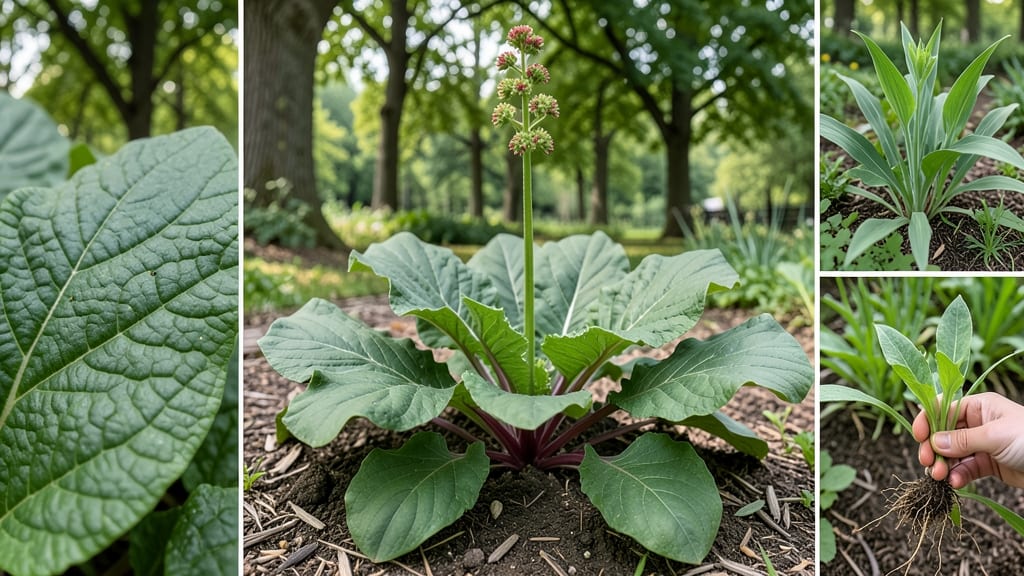
Mastering large-leaf weed identification before they spread saves you hours of backbreaking work later. 🌿 I’ve spent years pulling these stubborn invaders—dock, plantain, and lamb’s quarters—only to watch them regrow from hidden roots or seeds.
The key is spotting them early when they’re still manageable, not when they’ve smothered your garden. Most gardeners confuse them for edible greens or harmless volunteers, but these weeds steal nutrients, crowd out plants, and some even spread through underground runners.
A quick visual check—leaf shape, stem texture, and growth pattern—tells you exactly what you’re dealing with. No more guessing whether that broadleaf is a weed or a welcome addition.
By the end of this guide, you’ll recognize these 10 common offenders instantly and know the best time to pull them—before they seed and before they develop deep roots. Prevention is easier than cleanup, and I’ll show you how to stop them from coming back next season.
Whether you’re dealing with a shady border or a sunny vegetable patch, these tips work anywhere weeds pop up. Let’s get those garden beds back under control!
Root causes behind leafy invaders
Large, lush green leaves popping up where they don’t belong? These uninvited guests don’t just appear by chance—they’re the result of specific environmental and biological triggers. Understanding why these weeds thrive helps you tackle them before they take over your garden. Let’s break down the key factors:
Weeds with broad leaves—like dandelions or plantain—love moisture. When soil stays soggy due to overwatering, heavy clay, or poor drainage, it creates the perfect breeding ground for fast-growing weeds. Here’s why:
- Oxygen deprivation: Waterlogged soil forces plants to compete for air, and weeds often outcompete slower-growing grasses or flowers.
- Seed germination boost: Many large-leafed weeds (e.g., nutsedge) require moist conditions to sprout.
- Root spread: Weeds like bindweed thrive in damp soil, sending out aggressive runners underground.
Actionable fix: Improve drainage with sand or compost, and avoid watering at night to reduce humidity around soil.
Full sun + exposed soil = weed paradise. Large-leaf weeds like purslane or chickweed soak up sunlight to grow rapidly, shading out desirable plants. Why does this happen?
- Rapid photosynthesis: Weeds with broad leaves (e.g., lamb’s quarters) convert sunlight into energy faster than grasses.
- Empty niches: Bare spots lack competition, giving weeds an open field to dominate.
- Heat tolerance: Many weeds thrive in hot conditions, while ornamental plants may wilt.
Actionable fix: Mulch bare soil with wood chips or straw, and plant dense ground covers to block sunlight.
Weeds don’t just grow—they feast. Large-leaf varieties like dock or curly dock thrive in soil packed with nitrogen and organic matter. Here’s the science:
- Fast growth advantage: Weeds like crabgrass (with broad leaves in some varieties) absorb nutrients quickly, outpacing slower plants.
- Decomposition byproducts: Decaying leaves or compost can release excess nitrogen, fueling weed growth.
- Root competition: Weeds with deep or sprawling roots (e.g., quackgrass) steal nutrients from nearby plants.
Actionable fix: Use slow-release fertilizers, and avoid over-fertilizing lawns or garden beds.
Digging, tilling, or heavy foot traffic can create the ideal conditions for large-leaf weeds. Why? Because:
- Seed exposure: Tilling buries weed seeds shallowly, where they germinate easily (e.g., chickweed).
- Root disruption: Compacted soil restricts grass roots, leaving gaps for weeds like clover to fill.
- Microclimate changes: Disturbed soil warms faster, speeding up weed growth.
Actionable fix: Minimize tilling; use a soil aerator instead, and overseed thin lawn areas.
By addressing these root causes—water, light, nutrients, and soil structure—you’ll starve out large-leaf weeds before they become a full-blown takeover. 🚀
Quick Fixes for Unwanted Leafy Invaders
Got an overrun garden or pond? Large leaf weeds can spread fast, but don’t panic—there are practical ways to reclaim your space. Below, we break down cause-based solutions with step-by-step fixes and prevention tips to keep your yard or waterway clear of these stubborn plants.
Cause: Fast-spreading weeds like dandelions, bindweed, or broadleaf plants thrive in nutrient-rich soil or areas with poor maintenance.
Fix It:
- 🔥 Pull by Hand (Best for Small Patches)
- Wait for damp soil (after rain or watering) to make roots easier to remove.
- Grab the base and tug firmly—don’t leave root fragments (they regrow!).
- Pro Tip: Use a weed puller tool for stubborn roots like dandelions.
- 🍳 Vinegar Spray (Natural & Fast-Acting)
- Mix 1 gallon of white vinegar + 1 cup salt + 1 tbsp dish soap in a spray bottle.
- Spray directly on leaves (avoid desirable plants—vinegar kills everything!).
- Reapply every 2–3 days until weeds die (usually 1–2 weeks).
- 👨🍳 Mulch or Smother (Prevents Regrowth)
- Cover the area with cardboard + mulch or black plastic for 4–6 weeks to block sunlight.
- Best for large patches where hand-pulling isn’t efficient.
Prevention: ✅ Mow regularly (keeps weeds from seeding). ✅ Apply pre-emergent herbicide in early spring. ✅ Improve soil health with compost—thick grass outcompetes weeds.
Cause: Floating or submerged weeds like water hyacinth, duckweed, or salvinia multiply rapidly in still or slow-moving water.
Fix It:
- 🔪 Manual Removal (Best for Small Bodies of Water)
- Use a rake or net to pull weeds out before they spread.
- Pro Tip: Wear gloves—some weeds (like water hyacinth) have sharp edges.
- 🌡️ Barley Straw Treatment (Eco-Friendly Barrier)
- Spread barley straw (not hay!) on the water’s surface—it releases natural chemicals that inhibit weed growth over time.
- Works best in ponds under 1 acre.
- 🎯 Chemical Control (For Severe Infestations)
- Use pond-specific herbicides (e.g., Sonar AS for submerged weeds or Aquathol K for floating weeds).
- Follow label instructions precisely—overuse harms fish and plants.
Prevention: ✅ Install a water fountain or aerator (moving water discourages weeds). ✅ Introduce grass carp or duckweed-eating fish (natural control). ✅ Regularly drain & clean shallow areas where weeds take root.
Before treating, double-check your ID—some "weeds" (like hostas or comfrey) are actually useful garden plants.
If in doubt: - 📊 Snap a photo and compare with a plant ID app (e.g., PlantNet or Google Lens). - 💡 Ask a local nursery—native weeds may have ecological benefits (e.g., clover fixes soil nitrogen).
Final Reminder: Consistency is key! Weeds return if you stop mid-treatment. Pick one method, stick with it, and soon you’ll have a cleaner, healthier space—without the hassle. 🚀
Frequently asked questions
How can I tell if a large leaf weed is edible or poisonous?
Never eat a plant unless you're 100% certain of its identity! Many large-leaf weeds (like lamb's quarters) are edible and nutritious, but others (such as poison hemlock) are deadly. Always cross-reference with a trusted field guide or app, and avoid plants with milky sap, thorns, or bitter taste. When in doubt, pull it out—don't risk it!
Why do some large-leaf weeds keep coming back after I pull them?
Many stubborn weeds like dandelions or plantain regrow from deep roots or hidden fragments. To prevent regrowth, pull weeds when soil is moist and remove the entire root system (at least 2-3 inches deep). For persistent weeds, smother them with mulch or use vinegar spray to kill remaining roots.
What's the best time of year to identify and remove large-leaf weeds?
Spring and early summer are ideal! Weeds are actively growing, making them easier to spot and pull before they seed. Focus on April-May in most climates—this prevents them from spreading and ensures you catch them before they develop deep roots or produce flowers.
Can I use the same herbicide for all large-leaf weeds?
No, different weeds require different approaches. Broadleaf herbicides (like 2,4-D) target dicot weeds but can harm desirable plants. For organic control, use targeted methods: hand-pulling for dandelions, vinegar spray for plantain, or mulching for lamb's quarters. Always read labels carefully!
How do I prevent large-leaf weeds from spreading to my lawn?
Start with proper lawn care! Mow regularly to prevent seeding, and maintain healthy grass that outcompetes weeds. Apply pre-emergent herbicide in early spring, and consider overseeding thin areas. For existing weeds, pull them before they flower—this stops their life cycle in its tracks!