
Pruning
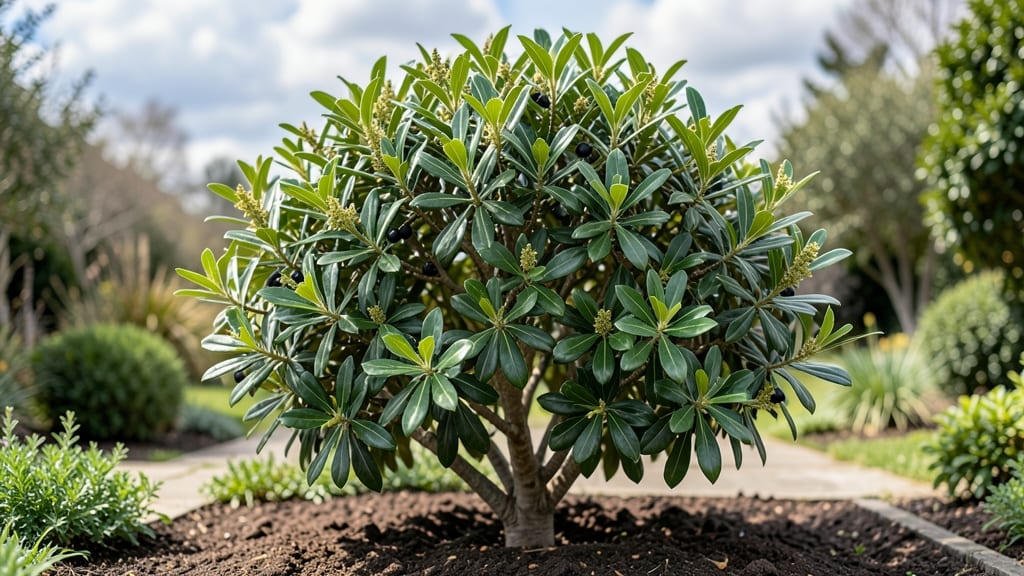
Growing a laurus nobilis bay leaf tree means fresh, fragrant leaves year-round—no grocery store needed. 🌿 I’ve learned the hard way that this Mediterranean beauty thrives with the right balance of sunlight, soil, and strategic pruning, but once you nail it, you’ll have a kitchen staple that never wilts.
The key isn’t just planting it; it’s keeping it healthy through every season, whether it’s basking in your backyard or perched on a sunny windowsill.
Bay trees love full sun to partial shade (at least 6 hours of light daily) and well-draining soil—think sandy or loamy mixes with a splash of compost. Water deeply but let the top inch of soil dry out between waterings; soggy roots are their worst enemy.
In containers, choose pots with drainage holes and upgrade to a slightly larger one every few years to keep roots happy. Outdoors, they handle heat and humidity but can struggle in heavy frost unless you’re in USDA zones 7-10—colder climates?
Treat it as a potted plant and bring it inside for winter.
Pruning isn’t just about shaping—it’s about precision. Trim back leggy growth in early spring to encourage bushier, leafier branches, and snip any brown or diseased stems immediately. The leaves you harvest should be the younger, softer ones; mature leaves stay on the tree to keep it fed.
With the right cuts, your bay tree will reward you with lush, glossy foliage that smells amazing and doubles as a natural pest repellent for nearby plants. The best part? Every trim you make is a step toward a kitchen pantry stocked with real, homegrown flavor.
Indoor bay trees need extra attention—watch for spider mites or aphids on the undersides of leaves and hose them off with soapy water if they appear. Outdoors, they’re tougher but still benefit from occasional fertilizing in spring with a balanced, slow-release formula.
Whether you’re growing one in a pot on your patio or planting it as a small tree in your landscape, the goal is the same: a healthy, productive bay tree that keeps giving back. Start with these basics, and you’ll have a fragrant, functional plant that outlasts any trendy houseplant.
📚 In This Guide
- What you need
- Instructions
- Tips and common mistakes
- Wrapping up and next steps
What you need
- ● Pruning shears: Bypass pruners (sharp, sterilized, and ergonomic for ease of use). Quantity: 1 pair.
- ● Loppers: Heavy-duty, bypass-style for thicker branches (1/4"–1" diameter). Quantity: 1 pair.
- ● Hand pruners: For smaller trims (twigs 1/8" in diameter). Quantity: 1 pair.
- ● Disinfectant: 70% isopropyl alcohol or rubbing alcohol to sterilize tools between cuts. Quantity: Small bottle.
- ● Gloves: Garden gloves (cut-resistant, nitrile-coated for durability). Quantity: 1 pair.
- ○ Pruning sealant: Tree wound sealant (optional but recommended for large cuts to prevent disease). Quantity: Small tube.
- ● Marking twine or tape: Colored twine or flagging tape to tag branches for removal. Quantity: 1 roll.
- ● Bucket or bag: For collecting pruned branches (use a compostable bag if repurposing clippings). Quantity: 1–2.
- ● Extension pole: For high branches (adjustable, 3–6 ft long). Quantity: 1.
- ● Safety glasses: Protect your eyes from debris when trimming.
- ● Ladder: Sturdy, non-slip ladder for tall trees (ensure it’s rated for your height).
- ● Sharpener: Pruner sharpening tool to maintain blade efficiency.
- ● Notebook & pen: To log pruning notes (track growth patterns and trimming dates).
How to maintain a thriving bay leaf tree year-round
Here's the straightforward method I've used to keep my bay leaf tree lush and productive for over five years.
🪴 Step 1: Choose the Right Location for Your Tree
Bay leaf trees thrive in full sun to partial shade—at least 6 hours of direct sunlight daily. I place mine near a south-facing window where it gets morning sun and afternoon shade in summer. If growing outdoors, protect it from harsh afternoon sun in hot climates, as leaves can scorch.
This tree tolerates temperatures down to 20°F, but it's not frost-hardy long-term. In colder zones, grow it in containers and bring it indoors before winter. You'll know the location is right when new growth appears within 4-6 weeks of planting, with glossy, dark green leaves.
☀️ Step 2: Water Deeply and Consistently
Water your bay leaf tree once a week during the growing season, letting 2-3 inches of soil dry out between waterings. In containers, check moisture by sticking your finger 1 inch deep—if it feels dry, water thoroughly until it drains from the bottom. Overwatering causes root rot, so never let the soil stay soggy.
Reduce watering in winter to every 2-3 weeks, as growth slows. You'll see healthy growth when leaves remain vibrant and stems stay firm. Yellowing leaves or wilting signal either overwatering or underwatering—adjust based on soil moisture.
✂️ Step 4: Prune for Shape and Health
Prune your bay leaf tree twice a year: late winter (before new growth) and early summer (after flowering). Use clean, sharp pruners to cut back 1/3 of the plant’s height in late winter to encourage bushier growth. Remove any dead, damaged, or crossing branches to improve airflow and prevent disease.
In early summer, trim back any leggy growth to maintain a balanced shape. Harvest leaves by snipping small branches—this encourages the tree to produce more foliage. You'll notice new growth within 2-3 weeks of pruning, signaling the tree is responding well.
🌿 Step 5: Fertilize for Continuous Growth
Feed your bay leaf tree every 6-8 weeks during the growing season with a balanced, water-soluble fertilizer (10-10-10 or similar). Mix the fertilizer at half-strength to avoid burning the roots. In winter, reduce feeding to once every 2-3 months or stop entirely if the tree is dormant.
You'll see the benefits in shinier leaves and faster growth within a few weeks. If leaves turn yellow or drop, cut back on fertilizer—your tree may be getting too much. Always water the tree thoroughly before and after fertilizing to help the nutrients absorb properly.
Tips & tricks for perfect bay leaf tree care
Here's what nobody tells you about keeping your bay leaf tree thriving year-round—these are the secrets that saved mine after my first winter kill.
Sunlight Strategy: That 6 hours of daily sun is non-negotiable, but here's the trick: if you're growing indoors, rotate your tree quarter-turn every week. This prevents lopsided growth toward the light source. I learned this the hard way when my tree leaned dramatically toward my south-facing window.
The 1-Inch Test: When checking soil moisture in containers, stick your finger 1 inch deep—this is the critical zone where roots actively absorb water. I use my pinky finger as a visual guide since it's about the same length. If it feels dry, water thoroughly until it drains completely from the bottom.
Pruning Precision: When you cut back 1/3 of the plant's height in late winter, make your cuts just above a leaf node (the bump where leaves attach). This encourages new growth at exactly the right spot. I always use clean, sharp pruners and sterilize them with rubbing alcohol between cuts to prevent disease spread.
Fertilizer Timing: The 6-8 week feeding schedule works perfectly, but here's the pro move: always water your tree thoroughly 24 hours before and after fertilizing. This helps prevent root burn from the concentrated nutrients. I also mix my fertilizer at exactly half-strength—overdoing it is how I got brown leaf tips last spring.
Pro Tips for Laurus Nobilis Bay Leaf Tree
- Here's what nobody tells you about keeping your bay leaf tree thriving year-round—these are the secrets that saved mine after my first winter kill.
- Sunlight Strategy: That 6 hours of daily sun is non-negotiable, but here's the trick: if you're growing indoors, rotate your tree quarter-turn every week.
- The 1-Inch Test: When checking soil moisture in containers, stick your finger 1 inch deep—this is the critical zone where roots actively absorb water.
Frequently asked questions
Got questions about your Laurus nobilis bay leaf tree? You’re not alone!
Here are answers to the most common queries—from pruning basics to troubleshooting—so you can keep your tree thriving year-round.
When is the best time to prune my bay leaf tree?
Prune your Laurus nobilis in late winter or early spring (before new growth starts) to encourage healthy, bushy growth. Light trimming can also happen in summer to shape the tree, but avoid heavy cuts during fall or winter, as it may stress the plant. Pro tip: Always use sterilized tools to prevent disease!
How do I know if I’m pruning too much?
If you see yellowing leaves, sparse foliage, or slow regrowth after pruning, you’ve likely overdone it. A good rule of thumb: Never remove more than 25% of the tree’s canopy in one session. Bay leaf trees are resilient, but they prefer gradual shaping over drastic cuts. Watch for: Stunted new shoots or bare branches.
Can I use bay leaves from my tree for cooking?
Fresh bay leaves from your tree are even more flavorful
than dried ones. Simply pick mature leaves (avoid woody stems), wash them gently, and use them in soups, stews, or marinades. Dried leaves last longer—just hang them upside down in a warm, dry place for 2–3 weeks. Fun fact: The tree’s scent intensifies when leaves are dried!
Why are my bay leaves turning brown or curling?
Brown or curled leaves often signal pests (like spider mites or aphids) or fungal issues. Check the undersides of leaves for tiny webs or sticky residue. Treat with neem oil or insecticidal soap for pests, or prune affected branches and improve airflow. Overwatering can also cause browning—ensure soil drains well. Quick fix: Spray leaves with water to deter pests!
How fast does a bay leaf tree grow, and how big should I trim it?
Bay leaf trees grow moderately fast (12–24 inches per year) but can reach 15–20 feet tall if unpruned. To maintain a manageable size (like a 6–10-foot shrub), prune annually in spring. Shape it like a rounded bush for easy harvesting and airflow. Remember: Regular trims keep it compact and productive!
Wrapping up and next steps
Mastering the art of pruning your Laurus Nobilis bay leaf tree isn’t just about keeping it lush—it’s about unlocking its full potential year-round! 🌿 With the right tools, timing, and techniques, you’ll ensure vibrant growth, bountiful harvests, and a stunning landscape centerpiece.
Whether you’re trimming for shape, health, or culinary rewards, confidence comes with practice.
Ready to take the next step? Start small: pick one season to refine your skills, then gradually expand your pruning routine. Before you know it, your bay leaf tree will thrive—and your kitchen (or garden!) will thank you. Happy pruning! ✂️🌟