
Pruning
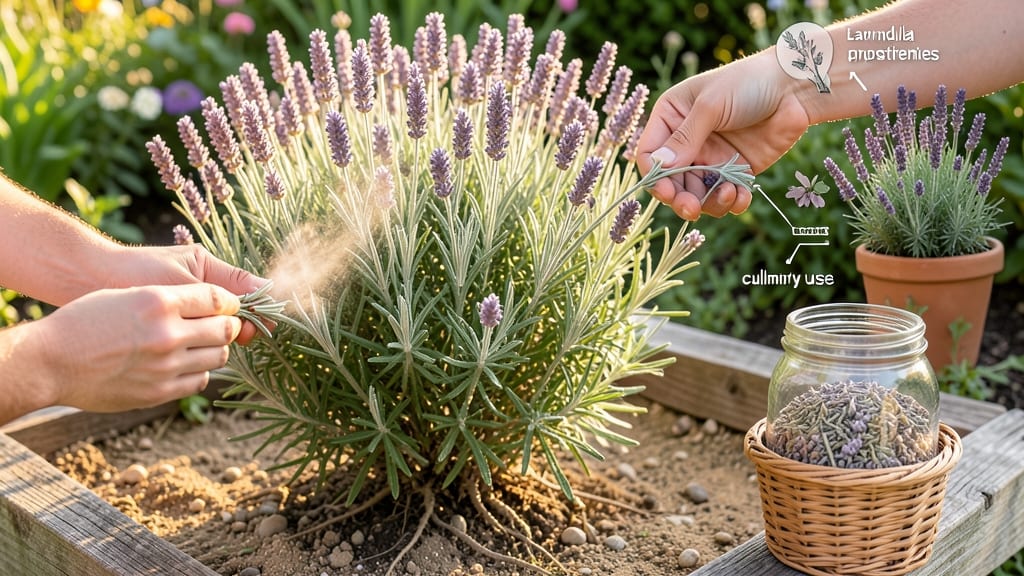
Strategic lavender leaf pruning unlocks a treasure trove of benefits beyond just pretty blooms. ✨ I’ve spent years harvesting lavender leaves for everything from calming teas to homemade skincare, and the right trimming technique makes all the difference—boosting growth, maximizing yield, and even repelling pests naturally.
The leaves themselves are packed with antioxidant-rich compounds that work wonders in teas (try steeping fresh leaves in hot water for a soothing nightcap) or as a flavor enhancer in desserts and savory dishes.
Medicinally, they’re a powerhouse for stress relief—just crush a few leaves and inhale the aroma to ease tension. In the garden, their strong scent deters aphids and moths, protecting nearby plants without harsh chemicals.
When you prune correctly, you encourage denser foliage and more abundant flowers, plus you harvest leaves at their peak potency. A simple late-spring trim (just above a set of leaves) keeps plants bushy and productive for months. The leaves dry beautifully for sachets, potpourri, or even homemade lavender oil.
This method works for any lavender variety—English, French, or Spanish—so you can enjoy the benefits year-round. Here’s how to get started without sacrificing your plants’ health.
📚 In This Guide
- What you need
- Instructions
- Tips and common mistakes
- Wrapping up and next steps
What you need
- ● Pruning shears: Sharp, bypass-style shears (4–6-inch blades) for clean cuts—sterilize with rubbing alcohol first! 🔪
- ● Gloves: Heavy-duty gardening gloves (nitrile or leather) to protect from thorns and sap. 🧤
- ● Disinfectant: 70% isopropyl alcohol or a copper-based fungicide (1 tbsp per gallon of water) to prevent disease spread. 🧴
- ● Trash bag or bucket: For clippings—lavender trimmings can be composted only if disease-free. ♻️
- ● Measuring tape or ruler: To gauge pruning height (aim for 1/3 of the plant’s height max). 📏
- ● Pruning saw: For older, woody stems thicker than ½ inch. ⛏️
- ● Plant food: Balanced 10-10-10 fertilizer or organic compost (apply post-pruning for a growth boost). 🌱
- ● Lavender oil or spray: Diluted lavender essential oil (10 drops per cup of water) to calm the plant post-stress. 💧
- ● Notebook & pen: To jot down pruning dates and plant responses for future reference. ✍️
How to prune lavender for healthier growth and stronger leaves
Pruning lavender isn't just about shaping—it's the key to unlocking fuller foliage and more abundant blooms.
✂️ Step 1: Time Your Pruning for Maximum Benefit
Prune lavender immediately after flowering, when about one-third of the stems have finished blooming. This timing ensures you're not cutting back new growth that's still storing energy for next year. I always mark the date on my calendar—skipping this window means sacrificing next season's vigor.
Never prune in late summer or fall, as lavender needs its foliage to photosynthesize through autumn. The goal is to remove spent flowers and encourage fresh growth before winter dormancy. You'll know you've timed it right when new buds form at the base of stems within 4-6 weeks.
✂️ Step 2: Use the Right Tools for Clean Cuts
Sharp, clean pruners are non-negotiable—dull blades crush stems and invite disease. I use bypass pruners (not anvil-style) because they make precise cuts without tearing tissue. Sterilize your tools with rubbing alcohol before and after pruning to prevent fungal spread between plants.
Cut just above a set of healthy leaves or buds, never into woody stems. Aim for a 45-degree angle to encourage water runoff. Avoid heavy-handed pruning—lavender is resilient but not indestructible. You're shaping, not butchering.
🌿 Step 3: Prune for Structure and Airflow
Remove about one-third of the oldest wood each year to maintain the plant's natural shape. Focus on cutting back leggy stems and any that appear woody or dead at the base. This opens up the center for better airflow, which dramatically reduces powdery mildew risk.
For bush lavender varieties, trim back to 6-8 inches from the base. Upright types should be pruned to 12-18 inches, depending on maturity. You'll see a denser, more compact plant within weeks—this is your reward for strategic pruning.
☀️ Step 4: Post-Pruning Care for Recovery
Water lavender lightly after pruning to help it recover, but don't overdo it—these are drought-tolerant plants. A 1-inch deep watering at the base is enough unless your climate is unusually dry. Avoid wetting the foliage to prevent fungal issues.
Apply a balanced organic fertilizer (10-10-10) in early spring to support new growth. You'll notice fresh, vibrant new shoots emerging from the base within 3-4 weeks. This is your plant's way of thanking you for the pruning.
⏰ Step 5: Monitor for New Growth Signals
Watch for new green shoots at the base of the plant—this confirms successful pruning. If growth stalls after 6 weeks, you may have pruned too aggressively. Lavender is forgiving but not invincible; it needs time to recover.
By next spring, your lavender should be fuller, with more abundant blooms and stronger stems. The key is consistency—prune annually after flowering, and you'll have a thriving plant for years. This isn't just maintenance; it's an investment in your plant's long-term health.
Tips & tricks for lavender leaf pruning success
Strategic pruning transforms lavender from a struggling shrub into a lush, fragrant powerhouse—here's how to maximize those benefits without sacrificing health.
Timing is Everything: The 4-6 week window after flowering is critical for new bud formation at the base. I've learned this the hard way—pruning too early cuts off next year's blooms, while waiting too long risks winter dormancy before recovery. Mark your calendar when one-third of stems finish blooming, then count forward 4 weeks to schedule your cut. This precise timing ensures you're removing only spent flowers while preserving energy for new growth.
Tool Precision Matters: That 45-degree angle cut isn't just aesthetic—it's physiological. The angled cut prevents water pooling at the stem base, which dramatically reduces fungal infections. I sterilize my bypass pruners with rubbing alcohol between plants to prevent cross-contamination. For large lavender hedges, consider using hedge shears with a 45-degree bevel—this maintains consistent angles across multiple stems while reducing hand fatigue during extensive pruning sessions.
Structural Pruning Strategy: The one-third rule for oldest wood removal isn't arbitrary—it mimics natural dieback patterns. Focus on cutting back the longest, leggiest stems first, as these compete with younger growth for nutrients. For bush varieties, imagine creating a dome shape when trimming to 6-8 inches; for upright types, maintain a tapered silhouette by cutting to 12-18 inches. This structural approach creates the perfect air circulation pattern that prevents powdery mildew while encouraging outward growth from the center.
Recovery Care Secrets: That 1-inch deep watering after pruning is just the beginning—lavender's drought tolerance doesn't mean neglect. In hot climates, I increase watering to 2 inches weekly for the first 3 weeks post-pruning, then taper back. The 3-4 week fertilizer window is equally important: apply a 10-10-10 blend in early spring to support the new shoots you'll see emerging. Think of this as giving your lavender a post-surgery recovery boost—proper care here determines next year's bloom quality.
Pro Tips for Lavender Leaf Benefits
- Strategic pruning transforms lavender from a struggling shrub into a lush, fragrant powerhouse—here's how to maximize those benefits without sacrificing health.
- Timing is Everything: The 4-6 week window after flowering is critical for new bud formation at the base.
- Tool Precision Matters: That 45-degree angle cut isn't just aesthetic—it's physiological.
Frequently asked questions
Got questions about lavender leaf pruning? You’re not alone!
Here are answers to the most common concerns—from timing to techniques—to help you trim with confidence and keep your lavender thriving.
When is the best time to prune lavender leaves for maximum benefits?
Prune your lavender after flowering (late summer to early fall) to encourage new growth. Avoid cutting back in spring or winter, as this can damage tender new shoots. For evergreen varieties, a light trim in early spring (before buds form) helps shape the plant without stressing it.
How much of the lavender plant can I safely trim without harming it?
Never remove more than one-third of the plant’s height in a single session. For mature lavender, aim for a light shaping trim—focus on dead or woody stems first. Over-pruning can expose the woody base, which may not regrow. Think of it like a haircut: a little goes a long way!
What if my lavender leaves turn brown or crispy after pruning?
Brown or crispy leaves usually mean over-pruning or stress. If this happens, reduce watering (lavender hates soggy roots!) and avoid fertilizing. Brown tips can also signal sunburn—ensure your plant gets 6+ hours of sunlight daily. A light trim in cooler morning hours can minimize shock.
Can I use lavender leaf trimmings for anything besides compost?
Dried lavender leaves
make excellent potpourri, sachets, or even tea (steep lightly for a calming aroma). Fresh clippings can also be infused in oil for DIY lavender-infused remedies. Just avoid using heavily pruned stems—they’re woody and less aromatic.
Does pruning lavender leaves help with pests or diseases?
Yes! Regular pruning improves airflow, reducing humidity around the plant and deterring fungal issues like powdery mildew. Remove any yellowed or diseased leaves immediately to prevent spread. Healthy lavender is naturally pest-resistant—just keep it well-pruned and watered!
Wrapping up and next steps
From calming aromas to vibrant blooms, lavender leaf pruning unlocks a world of benefits—boosting health, enhancing growth, and even elevating your garden’s beauty. 🌿 Whether you’re trimming for therapeutic tea, lush foliage, or pest control, strategic pruning transforms your lavender into a thriving powerhouse.
Now that you’re armed with the how-tos and insights, it’s time to roll up your sleeves and give your lavender the care it deserves!
Ready to revitalize your garden? Start by scheduling your next pruning session—spring or early fall are prime times—and watch your lavender flourish! 🌸