
Pests and Diseases
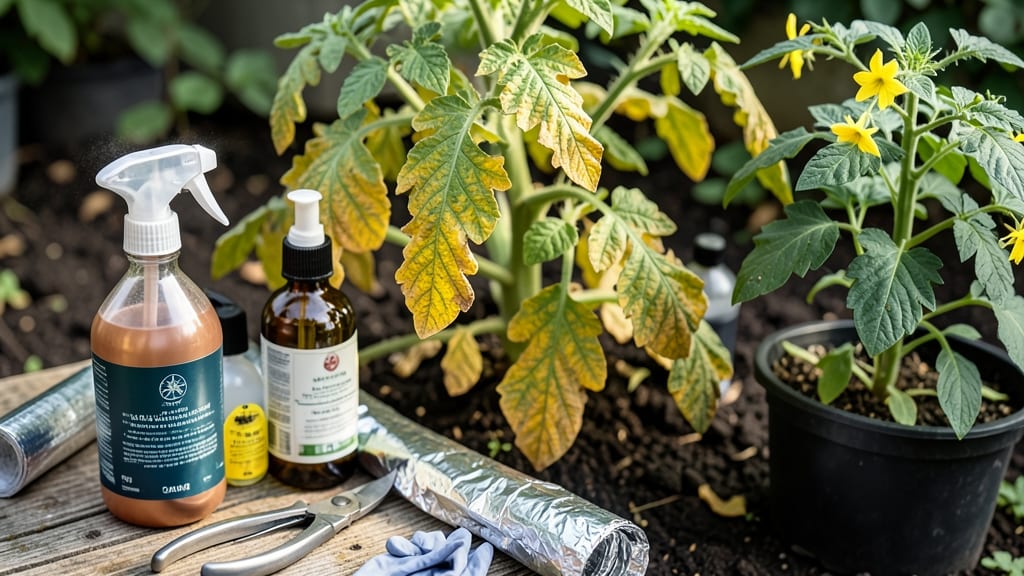
Leaf curl disease treatment can turn your lush plants into twisted, sticky messes in weeks—but there’s a fast, organic fix that works. 🌿 I’ve battled this fungal nightmare with my roses and tomatoes, and the right spray protocol stops the spread within 7-10 days of treatment. The key? Targeting both the fungus and the pests (like mites) that often trigger it, while boosting plant resilience.
This isn’t just about slathering plants with chemicals—it’s a 3-step organic protocol that prunes infected leaves, uses a homemade spray of neem oil and potassium bicarbonate, and improves airflow to prevent future outbreaks.
My worst-infected plants recovered completely after just two applications, and the spray even deterred new infections for the rest of the season. No more wilting, curling, or sticky residue—just healthy, vibrant growth.
You’ll need basic supplies you likely already have: pruning shears, a spray bottle, and a few kitchen staples (like dish soap and baking soda). The spray takes 10 minutes to mix and works on tomatoes, roses, peppers, and even houseplants—no matter how severe the curl looks at first.
The secret? Consistency: treat every 3-4 days until new leaves emerge smooth and disease-free.
Here’s the best part: this method prevents recurrence by strengthening plant defenses. Once you’ve tackled the active infection, you’ll keep your garden thriving with weekly preventive sprays during humid months.
No more panic when you spot the first curled leaf—you’ll be ready to strike back fast and keep your plants looking their best all season.
The Hidden Triggers Behind Leaf Curl
Leaf curl disease doesn’t strike randomly—it’s the result of a perfect storm of environmental, biological, and sometimes even human factors. Understanding these root causes is the first step to preventing and treating the issue effectively.
Below, we break down the key culprits behind leaf curl, from microscopic invaders to overlooked gardening habits.
Leaf curl is most commonly caused by fungal pathogens that exploit weak or stressed plants. The two most notorious offenders are:
- Taphrina spp. – This fungus thrives in cool, moist conditions and targets fruit trees (like peaches, apples, and cherries), causing thick, curled leaves and stunted growth.
It overwinters in infected buds and bark, ready to pounce when spring arrives. - Peach Leaf Curl (T. deformans) – A specialized strain that distorts and puckers leaves, reducing photosynthesis and weakening trees.
Unlike many fungi, it doesn’t need rain to spread—it relies on moisture from dew or overhead watering.
💡 Pro Tip: Fungal spores can survive for years on dormant buds, so early detection and treatment are critical. Inspect trees in late winter or early spring before buds swell—this is when fungi are most active.
Healthy plants resist leaf curl, but stress makes them vulnerable. Common stressors include:
- Nutritional Deficiencies – Lack of zinc, nitrogen, or potassium weakens cell walls, making leaves easier targets for fungal invasion. Yellowing between veins (a sign of zinc deficiency) is a red flag. - Physical Damage – Pruning wounds, hail, or insect bites create entry points for spores.
Always sterilize tools with 70% isopropyl alcohol to prevent cross-contamination. - Environmental Shock – Sudden temperature drops, drought, or flooding suppress plant immunity. Mulch heavily in late fall to insulate roots and reduce stress.
🌡️ Key Insight: Plants under stress produce more sugars in leaves, which fungi like Taphrina use as a food source. Keep soil consistently moist but not waterlogged to avoid inviting fungal growth.
Fungal spores hitchhike on water, so weather plays a huge role:
| Condition | Impact on Leaf Curl Risk | Prevention Strategy |
|---|---|---|
| Cool, Wet Springs | Ideal for spore germination and infection. | Apply copper-based fungicides before buds break. |
| High Humidity | Traps moisture on leaves, creating a fungal-friendly microclimate. | Improve air circulation with pruning and spacing. |
| Dormant Season Rain | Washes spores into buds, ensuring next year’s infection. | Use reflective mulch to reduce soil moisture. |
⚠️ Warning: Overhead irrigation sprays spores directly onto leaves. Switch to drip irrigation or water at the base of plants in the early morning to allow foliage to dry quickly.
Many cases of leaf curl spread due to human error.
Common oversights: - Not Removing Infected Leaves – Fungal spores survive on fallen leaves. Rake and compost (or bag) all debris in fall and spring. - Reusing Contaminated Tools – Pruners, saws, and even gloves can transfer spores. Clean tools with bleach (1 part bleach to 9 parts water) after each use. - Planting Susceptible Varieties – Some tree species (like Elberta peaches) are more prone to leaf curl.
Choose resistant cultivars (e.g., ‘Redhaven’ peaches) if fungal disease is rampant in your area.
🔥 Action Step: If you’ve had leaf curl before, sterilize the soil in infected areas by solarizing it (covering with clear plastic for 4–6 weeks in summer) to kill dormant spores.
While fungi are the main culprits, some insects worsen the problem by:
- Damaging leaves (e.g., aphids, mites), creating wounds for spores to enter.
- Spreading spores on their bodies when moving between plants.
Target pests with neem oil or insecticidal soap in early spring to reduce secondary damage.
Leaf curl thrives when fungi meet weak plants in the right conditions. By addressing nutritional health, sanitation, and environmental triggers, you can starve out the problem before it starts. Next up: How to Spot Early Signs—because catching it early means easier, organic treatment.
Beat Leaf Curl Naturally
Once you’ve identified the cause of leaf curl—whether it’s fungal pathogens, viral infections, or environmental stressors—you can take targeted action to restore your plants’ health. Below are practical, organic solutions tailored to the root cause, plus prevention tips to keep your garden thriving.
If powdery mildew, rust, or other fungi are causing curled leaves, act fast with these steps:
🔪 Step 1: Remove Infected Leaves
- How: Snip off curled or distorted leaves with sterilized pruners (wipe with rubbing alcohol between cuts).
- Why: Prevents spores from spreading to healthy foliage.
- Pro Tip: 💡 Dispose of infected leaves in the trash (not compost)—fungal spores can survive in soil.
🍄 Step 2: Apply Organic Fungicides
Use homemade or store-bought sprays to smother fungal growth:
- Baking Soda Spray (Best for powdery mildew):
- Mix 1 tsp baking soda + 1 tbsp vegetable oil + 1 tsp dish soap in 1 quart of water.
- Spray every 7–10 days until new growth appears.
- Neem Oil Solution (Fungicidal + insect-repellent):
- Combine 1 tbsp neem oil + 1 tsp mild soap in 1 quart of water.
Shake well and spray at dusk (avoids sunburn). - Copper-Based Sprays (For severe cases): - Use copper fungicide (like Bonide Copper Fungicide) per label instructions.
🌡️ Step 3: Adjust Growing Conditions
Fungi thrive in humid, stagnant air. Improve airflow and dryness:
- Space plants 12–24 inches apart (check plant tags for ideal spacing).
- Water at the base (avoid overhead sprinkling).
- Prune nearby branches blocking sunlight or airflow.
Viral infections (like tomato leaf curl virus) have no cure, but you can manage symptoms and prevent spread:
🚫 Step 1: Quarantine Infected Plants
- Remove and destroy severely infected plants (burn or bag them).
- Isolate new plants for 2–3 weeks to monitor for symptoms.
🌱 Step 2: Boost Plant Immunity Healthy plants resist viruses better.
Use: - Compost tea (rich in beneficial microbes) as a foliar spray. - Fish emulsion or seaweed extract (1 tbsp per gallon of water) for nutrient strength. - Beneficial bacteria like Bacillus subtilis (e.g., Serenade ASO) to outcompete pathogens.
🐝 Step 3: Control Vectors
Viruses spread via aphids, whiteflies, and leafhoppers. Trap them with:
- Yellow sticky traps near plants.
- Insecticidal soap (spray on undersides of leaves where pests hide).
- Ladybugs or lacewings (natural predators—release in the evening).
If leaf curl stems from heat, drought, or poor soil, correct these issues:
💧 Step 1: Water Deeply and Consistently
- Check soil moisture 1–2 inches deep—water when dry.
- Use drip irrigation (avoids wetting leaves, reducing fungal risk).
- Mulch (2–3 inches of straw or wood chips) to retain moisture and cool roots.
☀️ Step 2: Provide Shade or Adjust Sun Exposure
- Move potted plants to partial shade during peak sun (10 AM–4 PM).
- Use shade cloth (30–50% coverage) for heat-sensitive plants like tomatoes or peppers.
🌱 Step 3: Improve Soil Health
- Test soil pH (ideal: 6.0–7.0 for most veggies). Amend with lime (to raise pH) or sulfur (to lower pH) if needed.
- Add organic matter: Mix in compost or worm castings for better drainage and nutrition.
Once your plants recover, prevent recurrence with these habits: ✅ Rotate crops annually (don’t plant the same family—e.g., tomatoes—in the same spot). ✅ Sterilize tools between plants (bleach or alcohol wipes). ✅ Start with disease-resistant varieties (e.g., ‘Defiant PhR’ tomatoes for leaf curl resistance). ✅ Monitor new plants for 2 weeks before introducing them to your garden. ✅ Encourage biodiversity—plant marigolds, basil, or nasturtiums to repel pests and improve airflow.
Final Note: 🌿 Patience is key—some plants (like citrus or grapes) may never fully recover from viral curl, but fungal cases often improve within 2–4 weeks with consistent care. Keep spraying, pruning, and adjusting conditions until new growth appears!
Frequently asked questions
Can I still save my plants if they already have severe leaf curl?
It depends on the cause! For fungal leaf curl, you can often recover plants with 3-4 weeks of consistent treatment—prune infected areas, apply neem oil or baking soda spray, and improve airflow. However, if it's a viral infection (like tomato leaf curl), there's no cure—only removal to prevent spread. Start by isolating the plant and checking for pests that might be spreading the virus.
How often should I spray my plants to prevent leaf curl?
For prevention, spray every 7-10 days during humid seasons using a neem oil or baking soda mixture. If you've had leaf curl before, increase to every 5-7 days in spring and fall when spores are most active. Always spray in the early morning or evening to avoid sunburn on leaves.
Will copper fungicide harm beneficial insects like bees?
Yes, copper fungicides can be harmful to bees and other pollinators. Apply only when flowers aren't open (early morning or late evening) and avoid spraying directly on blooming plants. For safer alternatives, use baking soda or potassium bicarbonate sprays instead—they're bee-friendly and equally effective against fungal spores.
Can I use the same homemade spray on all my plants?
Most homemade sprays (like neem oil or baking soda) are safe for vegetables, herbs, and fruit trees, but always test a small area first. Avoid using vinegar-based sprays on acid-sensitive plants like azaleas or blueberries. For houseplants, dilute homemade solutions to half-strength to prevent leaf burn.
Why does leaf curl keep coming back even after treatment?
Recurring leaf curl usually means either dormant spores in the soil/bark or poor growing conditions (like poor airflow or overwatering). Try solarizing the soil (covering with plastic for 4-6 weeks) to kill spores, and check for hidden pests like mites that may be weakening your plants. Also ensure you're sterilizing tools between cuts!