
Leaf Blower
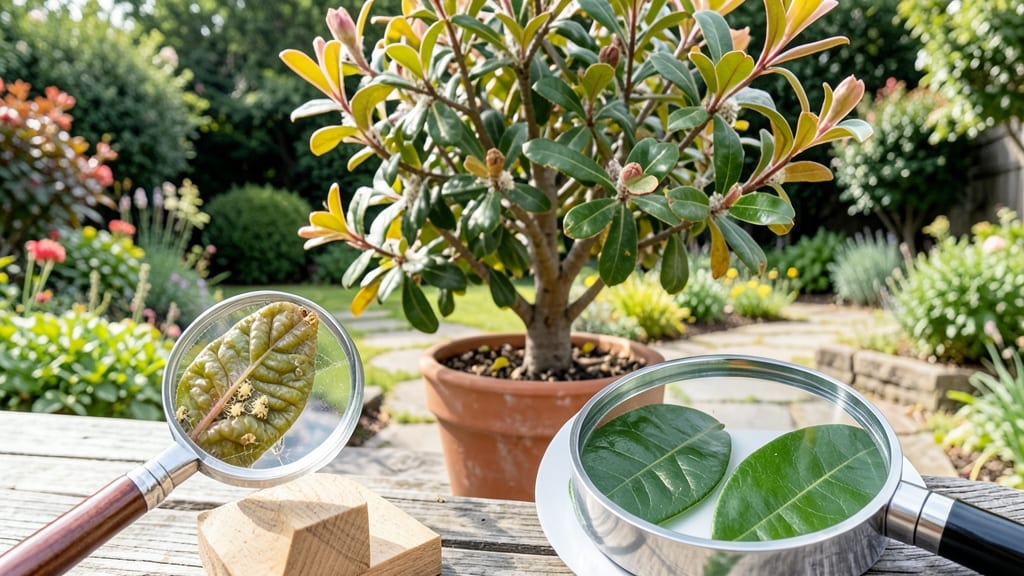
Your pomegranate’s leaves curling like a bad hair day? 🌿 That classic leaf curl might be a fungal infection—or worse, a stubborn virus—but copper spray could be your secret weapon.
I’ve battled this exact problem with my 5-year-old pomegranate, and the right treatment turned my plant’s sad, twisted leaves into lush, vibrant growth within 6 weeks.
The first step is identifying the culprit: fungal spots (like Alternaria) show up as dark splotches, while viral curl often comes with stunted growth and no visible spots. Copper fungicide works for fungal infections, but viral cases require removing infected branches immediately.
I learned the hard way—delaying treatment turned a minor issue into a plant that nearly died.
Once you’ve confirmed the problem, a copper spray (like Bordeaux mixture) applied every 7-10 days for a month can stop fungal spread in its tracks. For viral cases, prune infected leaves with sterilized shears and dispose of them far from your garden.
The key is acting fast—my plant’s recovery started after just two treatments.
Prevention is easier than cure: water at the base (not overhead), space plants for airflow, and spray copper preventatively in spring. If your tree keeps declining despite treatments, consult a local extension office—they can test for viruses and suggest next steps. Trust me, your pomegranate will thank you.
Root Causes Of Leaf Distortion
Pomegranate leaf curl isn’t just an aesthetic issue—it’s a cry for help from your tree, signaling underlying stress or infection. Understanding the why behind the curl is the first step to restoring your pomegranate’s health.
Below, we break down the most common culprits, from environmental factors to hidden pathogens, with clear explanations and actionable insights.
Pomegranates thrive in hot, dry climates, but extreme heat—especially combined with sudden temperature swings—can trigger leaf curl as a survival mechanism. Here’s how it works:
- Cellular Water Loss: High temperatures cause transpiration spikes, where leaves lose moisture faster than roots can replenish it. This forces cells to shrink and pucker, creating the curled appearance. - Photosynthesis Disruption: Heat stress denatures enzymes (like Rubisco) in chloroplasts, halting sugar production.
The tree’s response? Curling leaves to reduce surface area and limit water loss. - Soil Moisture Imbalance: Even well-watered pomegranates can suffer if the root zone stays too dry during heatwaves. Roots struggle to absorb water, leading to hydraulic failure in leaves.
💡 Pro Tip: Mulch with 3–4 inches of organic matter (straw or wood chips) to retain soil moisture and shield roots from temperature extremes. Water deeply at dawn or dusk to minimize evaporation.
Fungal pathogens like Alternaria alternata and Cercospora are the top culprits behind pomegranate leaf curl, often misdiagnosed as environmental stress. Here’s how they hijack your tree:
| Fungus | How It Infects | Tell-Tale Signs | Spread Trigger |
|---|---|---|---|
| Alternaria | Spores land on leaves, penetrate stomata | Yellow-brown spots with concentric rings | Humid weather + leaf wetness |
| Cercospora | Thrives in warm, wet conditions | Dark spots with gray centers + curling | Overhead irrigation |
| Phytophthora | Attacks roots first, then spreads upward | Wilting + leathery, curled leaves | Waterlogged soil |
🔥 Key Mechanism: Fungi release toxins (e.g., alternariol) that disrupt auxin hormones, causing cells to elongate unevenly and curl. The tree’s immune response also triggers abscisic acid (ABA), a stress hormone that forces leaf curling to conserve energy.
Sap-sucking pests like spider mites, whiteflies, and scale insects don’t just weaken leaves—they inject toxins and alter plant physiology to trigger curling. Here’s the science:
- Saliva Injection: Pests like spider mites inject enzymes that break down cell walls, causing localized necrosis (dead spots) and curling.
- Hormone Disruption: Whiteflies excrete honeydew, which fosters sooty mold—a black fungus that blocks sunlight, forcing leaves to curl for survival.
- Nutrient Theft: Scale insects siphon phloem sap, starving leaves of phosphorus and nitrogen, leading to stunted growth and distortion.
🎯 Action Step: Inspect undersides of leaves for sticky residue (honeydew) or fine webbing (mites). A neem oil spray (1% solution) disrupts pest life cycles without harming beneficial insects.
Pomegranates are heavy feeders, and deficiencies—especially in micronutrients—can mimic fungal or pest damage. The most damaging imbalances:
- Magnesium Deficiency: Leaves curl upward (a classic symptom) because magnesium is critical for chlorophyll production. Without it, cells lose turgor pressure. - Zinc or Iron Starvation: Both are mobile nutrients, but calcareous soils (high pH) lock them out.
Curling occurs as new leaves fail to expand properly. - Potassium Shortage: Acts as a stress buffer; without it, leaves curl and scorch under heat or drought.
📊 Soil Test Tip: Use a home test kit (like Luster Leaf) to check pH and nutrient levels. If pH > 7.0, amend with sulfur or chelated iron to boost micronutrient uptake.
Too much love (water) can drown roots and trigger leaf curl through anaerobic stress. Here’s the chain reaction:
- Root Suffocation: Waterlogged soil depletes oxygen, forcing roots to ferment sugars for energy (producing ethanol, toxic to cells).
- Fungal Blooms: Excess moisture invites Pythium or Phytophthora, which clog root xylem, cutting off water/nutrient flow.
- Hormonal Chaos: Ethylene gas (released in waterlogged soil) triggers leaf abscission and curling as a last-ditch survival tactic.
⏰ Fix It Fast: Ensure drainage holes in pots or raised beds for in-ground trees. Water only when the top 2 inches of soil are dry—pomegranates hate soggy feet.
Even well-meaning gardeners can accidentally poison pomegranate leaves with:
- Over-fertilization (especially high-nitrogen or synthetic salts), causing leaf tip burn and curling.
- Herbicide drift (e.g., 2,4-D or glyphosate), which mimics plant hormones, leading to epinasty (downward curling).
- Copper sprays (if overused), which can accumulate in foliage, causing necrosis and distortion.
🔪 Prevention: Always spot-test new fertilizers on a small leaf area. For copper sprays, stick to 1–2 applications per season (as in your rescue guide!).
Quick Fixes for Pomegranate Leaf Curl
Pomegranate leaf curl can be frustrating, but with the right approach, you can restore your tree’s health and prevent future outbreaks. Below, we’ve mapped out practical, step-by-step solutions tailored to the most common causes—fungal infections, viral attacks, or environmental stress.
Follow these fixes to revive your pomegranate and keep it thriving!
Fungal pathogens like Alternaria or Cercospora thrive in damp conditions, causing leaf curl and spotting. Here’s how to starve the fungus and protect your tree:
🔥 Step 1: Remove Infected Leaves & Branches
- 🍂 Prune aggressively: Cut off all curled, spotted, or yellowing leaves using sterilized pruners (wipe with rubbing alcohol between cuts).
- 🗑️ Dispose properly: Bag infected debris and throw it in the trash (not compost)—fungus can survive in soil.
- 🌿 Thin the canopy: Improve airflow by opening up the tree’s center (aim for 30-50% light penetration).
🍳 Step 2: Apply Copper-Based Fungicide
Copper is highly effective against fungal leaf curl.
Use copper hydroxide or copper sulfate (like Copper Soap or TriBasic Copper Sulfate): - 💧 Mix ratio: Follow label instructions (typically 1-2 tbsp per gallon of water). - 🌧️ Spray thoroughly: Cover both sides of leaves, stems, and soil around the base (fungus lives in the soil too!). - ⏰ Timing: Apply at dawn or dusk (avoid midday sun) and repeat every 7-14 days until new growth appears. - 🌡️ Pro tip: If humidity is high, add a sticky spreader (like horticultural oil) to help the copper adhere better.
🌿 Step 3: Boost Tree Resilience
- 💪 Fertilize lightly: Use a balanced fertilizer (10-10-10) to strengthen the tree’s defenses (avoid nitrogen-heavy feeds—this encourages soft, fungus-loving growth).
- 💧 Water wisely: Deep water 2-3 times per week (early morning) and avoid overhead sprinkling (keeps leaves dry).
- 🌱 Mulch properly: Apply 2-3 inches of organic mulch (wood chips or straw) away from the trunk to retain moisture without trapping dampness.
If leaf curl is viral (e.g., from pomegranate mosaic virus), there’s no direct cure, but you can slow its progression and prevent spread:
🔪 Step 1: Eradicate Infected Plants
- 🚫 Remove severely infected trees: If the entire tree is curled and stunted, dig it up and destroy it (burn or bag) to prevent virus spread to other plants.
- 🌱 Test before acting: If unsure, send a sample to a local agricultural extension office for diagnosis.
🌿 Step 2: Sanitize Tools & Garden
- 🧼 Sterilize pruners: Wipe with 70% isopropyl alcohol or bleach solution (1 part bleach to 9 parts water) after every cut.
- 🧹 Clean up debris: Remove and dispose of fallen leaves (viruses can survive in plant material).
- 🚫 Avoid grafting: If you’re propagating pomegranates, use only virus-tested cuttings to prevent reinfection.
🌡️ Step 3: Strengthen Remaining Trees
- 💪 Improve growing conditions: Viruses thrive in stressed plants, so ensure your pomegranate gets:
- Full sun (6+ hours/day)
- Well-draining soil (amend with compost if clay-heavy)
- Regular but not excessive watering
- 🍄 Beneficial microbes: Apply mycorrhizal fungi or compost tea to boost root health and resilience.
If leaf curl stems from heat, cold, or poor soil, fixing the underlying stress will help leaves recover:
🌞 Step 1: Shield from Extreme Conditions
- 🔥 Heat stress: If your area has sudden heatwaves, provide light shade (use shade cloth 30-50% during peak sun).
- ❄️ Cold damage: In frost-prone zones, mulch heavily (4-6 inches) and wrap the trunk with burlap or frost cloth in winter.
- 🌧️ Windburn: If leaves curl from drying winds, consider a windbreak (like a lattice fence or bamboo screen).
💧 Step 2: Optimize Water & Soil
- 🌱 Soil test: Check pH (ideal: 6.0-7.0) and nutrient levels—amend with lime (if too acidic) or sulfur (if too alkaline).
- 💧 Water deeply but infrequently: Pomegranates hate wet feet—ensure drainage and water only when the top 2 inches of soil are dry.
- 🍂 Avoid over-fertilizing: Too much nitrogen = soft, weak leaves that curl easily.
Use a slow-release, balanced fertilizer in early spring.
🌿 Step 3: Prune for Better Airflow
- 🍃 Thin out dense branches: Aim for a rounded shape with open centers to reduce humidity buildup.
- 🪓 Remove dead wood: Dead branches attract pests and diseases—cut them back to healthy growth.
Once your pomegranate recovers, prevent relapse with these long-term strategies:
- 💡 Early detection: Inspect leaves weekly—catch curl early before it spreads!
- 🌡️ Monitor weather: Fungal spores love humidity—use a hygrometer and water in the morning to let leaves dry.
- 🍃 Rotate fungicides: If you use copper, alternate with neem oil or potassium bicarbonate to avoid resistance.
- 🌱 Plant companions: Surround pomegranates with marigolds or garlic (natural fungicides) to deter pathogens.
- 📅 Seasonal care:
- Spring: Apply copper spray + prune.
- Fall: Clean up debris + mulch.
- Winter: Protect from frost + check for pests.
By tackling the root cause—whether fungal, viral, or environmental—your pomegranate can bounce back stronger than ever. Stay vigilant, act fast, and your tree will reward you with lush, healthy growth! 🍇🌿
Frequently asked questions
What’s the difference between fungal and viral leaf curl in pomegranates?
Fungal leaf curl often appears with dark spots or rings on curled leaves, while viral curl shows no visible spots but causes stunted growth and distorted new leaves. Fungal cases respond to copper sprays, but viral infections require removing infected branches immediately.
How often should I apply copper spray for fungal leaf curl?
Apply copper fungicide every 7-14 days for 4-6 weeks to fully eradicate fungal spores. Always spray in the early morning or evening to avoid burning leaves. For prevention, 2-3 applications per season (spring and fall) works well.
Can I still harvest fruit from a pomegranate with leaf curl?
Yes, but only if the curl is environmental (heat/drought) or fungal (treated early). Avoid harvesting from viral-infected trees—viruses can spread through fruit. For fungal cases, wash fruit thoroughly before eating.
What’s the fastest way to tell if my pomegranate has a nutrient deficiency?
Check the youngest leaves: Yellowing between veins suggests magnesium deficiency, while purple undersides indicate phosphorus shortage. For zinc deficiency, look for small, curled new leaves. A soil test confirms the exact issue.
Will pruning help if my pomegranate’s leaves are already severely curled?
Yes, but focus on removing only the worst-affected branches to prevent spreading spores or viruses. Prune in dry weather with sterilized tools and dispose of infected leaves in the trash. Healthy pruning improves airflow, helping recovery.