
Pests
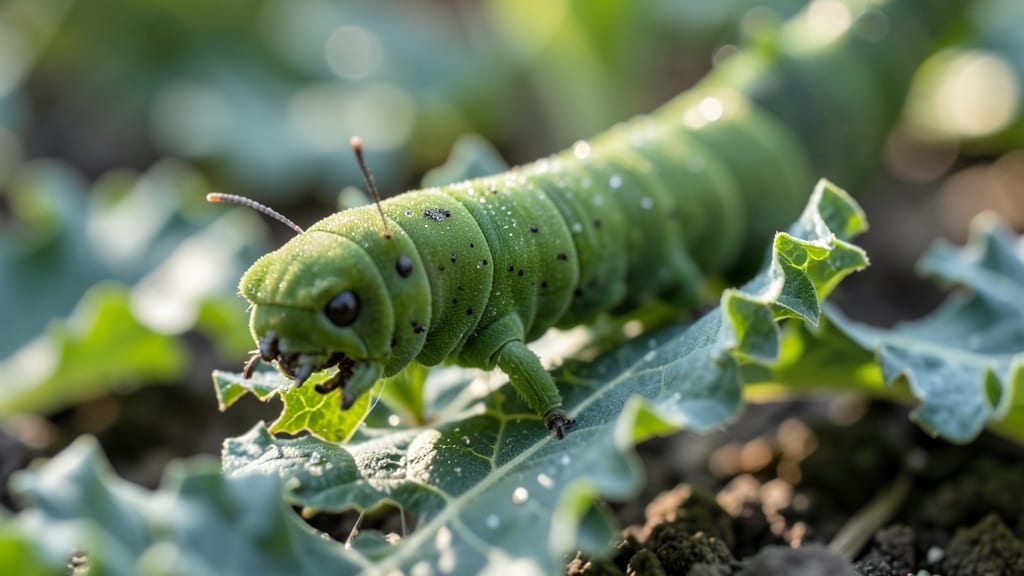
Leaf-eating bugs can turn your lush garden into a skeleton show in days. 🌿 I’ve battled everything from ravenous caterpillars to slugs that leave silvery trails—and learned that prevention is the real game-changer.
These pests don’t just nibble; they strip plants bare, leaving behind a trail of frustration (and hungry critters). The worst offenders include tomato hornworms (masters of disguise), Japanese beetles (swarms that descend like locusts), and slugs (nighttime saboteurs). Each leaves telltale signs: chewed edges, skeletonized leaves, or shiny slime trails.
The key? Stopping them before they start with barriers, companion plants, and a few clever tricks that work better than sprays. You’ll end up with plants that stay thick and green, not half-eaten shadows. The best part? These solutions work for veggies, flowers, and even houseplants—no chemicals required.
Let’s get those bugs out of your garden for good.
My go-to first line of defense is physical barriers: row covers for young plants, copper tape for slugs, and even a simple diatomaceous earth ring around containers. For caterpillars, neem oil (applied at dusk) disrupts their feeding without harming bees.
And don’t underestimate companion planting—basil repels thrips, marigolds deter beetles, and nasturtiums lure aphids away from your prized tomatoes.
What really works isn’t just one trick—it’s layered protection. Combine barriers with beneficial insects (ladybugs, lacewings) and regular scouting (check undersides of leaves daily). I’ve saved entire crops by acting fast, and you can too.
The payoff? Healthy plants that bounce back and a garden that thrives instead of fights for survival.
Works for any garden size, from balcony pots to backyard plots. The secret isn’t fancy tools—it’s knowing what to watch for and acting before the bugs win. Let’s build that defense plan together.
Root Causes of Plant Devouring
When your prized plants start looking like they’ve been through a very hungry buffet, it’s not just bad luck—it’s usually a mix of environmental cues, plant health, and pest behavior. Understanding why leaf-eating critters target your garden is the first step to outsmarting them.
Below, we break down the science behind their appetite and how your plants might be sending out an all-you-can-eat invitation.
Healthy plants are like fortress walls—strong, resilient, and hard to breach. But when plants are stressed, they become easy targets. Here’s how stress makes them vulnerable:
- Nutrient Deficiencies:
Plants low in nitrogen (🌿💚) or other essential nutrients like phosphorus or potassium grow slowly and produce softer, more palatable leaves. Bugs like caterpillars and aphids love this weak, nutrient-rich snack.
- Water Issues:
Overwatering or underwatering throws plants off balance. Overwatered plants develop mushy, tender leaves perfect for slugs and snails. Drought-stressed plants, on the other hand, may produce extra sugars in their leaves to survive—making them a sweet treat for beetles and grasshoppers.
- Disease or Damage:
Fungal infections, viral diseases, or even physical damage (like hail or wind) create entry points for pests. For example, Japanese beetles are drawn to plants already weakened by powdery mildew because the fungus alters the plant’s chemical defenses.
Actionable Fix: Keep plants well-fed with balanced fertilizer (look for a 10-10-10 NPK ratio for general use) and maintain consistent moisture. Mulch around the base to retain soil moisture and reduce stress.
Leaf-eating bugs don’t just appear out of nowhere—they’re often part of a booming population triggered by specific conditions. Here’s what fuels their growth:
- Warm Weather:
Many pests, like tomato hornworms and squash bugs, thrive in temperatures above 75°F (24°C). Warmer climates speed up their life cycles, leading to more generations per year and exponential growth in numbers.
- Lack of Natural Predators:
Birds, ladybugs, and parasitic wasps keep pest populations in check. But if these predators are missing—due to pesticide use, habitat loss, or seasonal changes—pests multiply unchecked. For example, aphids can explode in numbers when their natural enemies, like lacewings, are absent.
- Monoculture Planting:
Planting large blocks of the same species (e.g., a whole garden of roses or basil) creates a pest buffet. Bugs like Japanese beetles or cabbage loopers can find and feast on every plant without wandering away.
Actionable Fix:
- Diversify your garden with companion planting (e.g., marigolds repel nematodes, basil deters thrips).
- Avoid broad-spectrum pesticides that kill beneficial insects. Instead, use targeted sprays or introduce predator species like praying mantises or ground beetles.
- Install birdhouses or bat boxes to attract natural pest controllers.
Plants don’t just sit there—they communicate with their environment, including pests. Some chemical signals accidentally (or intentionally) attract leaf munchers:
- Volatile Organic Compounds (VOCs):
When plants are damaged, they release VOCs like methyl salicylate (the same compound in aspirin!) to warn neighboring plants. Unfortunately, some pests—like spider mites—are drawn to these distress signals as a cue that a plant is already under attack and easy prey.
- Sugary Sap or Nectar:
Certain plants, especially those with extra-floral nectaries (like beans or citrus), produce sugary secretions that attract aphids and ants. Ants, in turn, farm aphids for their honeydew, leading to a protective pest partnership.
- Soft, Young Growth:
New leaves and tender shoots are packed with soluble sugars and proteins, making them a high-calorie meal. Bugs like caterpillars and leafhoppers zero in on this fresh growth first.
Actionable Fix:
- Prune new growth regularly to remove tempting snacks for pests.
- Use kaolin clay or neem oil to create a protective barrier that disrupts pests’ ability to detect plant signals.
- Remove aphid-infested leaves and disrupt ant trails with borax barriers or diatomaceous earth.
Sometimes, the problem isn’t your plants or the bugs themselves—it’s the perfect storm of conditions that brings them together:
| Trigger | Pests Attracted | Why It Happens |
|---|---|---|
| Dry, Windy Conditions | Grasshoppers, Cutworms | Drought-stressed plants produce more sugars, and wind disperses pests to new food sources. |
| Humid, Shady Areas | Slugs, Snails, Fungus Gnats | Moisture and lack of sunlight create ideal breeding grounds for these pests. |
| Urbanization or Deforestation | Japanese Beetles, Gypsy Moths | Loss of natural habitats forces pests into gardens in search of food. |
Actionable Fix:
- Improve airflow in your garden by spacing plants properly and pruning dense foliage.
- Use mulch to regulate soil moisture and reduce humidity near plant bases.
- Create wildlife corridors with native plants to support natural pest predators.
Stop Chewed Leaves Fast
When you spot ragged edges or disappearing foliage, act quickly to protect your plants. The good news? Many solutions are simple, chemical-free, and effective. Below, we’ve mapped out practical fixes based on the most common culprits—whether it’s caterpillars, beetles, or slugs—plus prevention tips to keep your garden safe long-term.
Fix: These hungry munchers love tender leaves, but they’re easy to deter.
- 🔥 Handpick & Drop in Soapy Water Check leaves early in the morning when caterpillars are sluggish. Wear gloves, pluck them off, and drop them into a bucket of soapy water (1 tbsp dish soap per gallon). For large infestations, repeat daily for 3–5 days.
- 🍳 Bacillus Thuringiensis (Bt) Spray This organic bacteria (sold as Dipel or Xentari) targets caterpillars’ digestive systems. Mix it with water and spray evenly on both leaf surfaces at dusk.
Reapply after rain. ✨ Pro Tip: It’s safe for pets and people but loses potency in direct sunlight—store in a cool, dark place.
- 👨🍳 Homemade Spicy Repellent Blend 1 chili pepper + 1 garlic clove + 1 tsp dish soap + 1 quart water. Strain and spray on leaves. The capsaicin and sulfur confuse their scent receptors. 💡 Reapply every 5–7 days or after rain.
Fix: These shiny invaders devour leaves in minutes. Act fast with these traps and barriers.
- 🔪 Physical Barriers (Row Covers or Netting) Use floating row covers (lightweight fabric) over young plants to block beetles entirely. For mature plants, wrap fine mesh netting (like tulle) loosely around stems. ⏰ Time-Saver: Secure with clothespins or stakes.
- 🌿 Neem Oil Spray (Disrupts Feeding & Egg-Laying) Mix 2 tbsp neem oil + 1 tsp mild castile soap + 1 quart water. Spray both sides of leaves at dawn or dusk.
Reapply every 3–5 days until beetles vanish. 🌡️ Warning: Avoid spraying in direct sun (can burn plants).
- 🎯 Trap Crops & Beer Traps Plant marigolds or cosmos nearby—beetles prefer these over your prized plants. For Japanese beetles, set up a beer trap: Bury a shallow dish filled with beer; the scent attracts them, and they drown. 🔥 Bonus: Empty and refill every 2–3 days.
Fix: These nocturnal gliders leave silver slime trails and chew large chunks. Try these low-tech solutions:
- 🥘 Copper Tape or Wire Slugs hate copper’s electric-like shock. Wrap copper tape (available at garden centers) around pots or raised beds. For large areas, bend copper wire into a low barrier around plants. ✨ Pro Tip: Combine with diatomaceous earth (food-grade) around the base—it dehydrates them.
- 🌙 Beer or Yeast Traps Bury a shallow container (like a milk jug cut in half) filled with beer or a yeast-water mix (1 packet yeast + 1 cup sugar + 1 gallon water).
Check traps daily and refresh every 2–3 days. 💡 Best for: Wet climates where slugs thrive.
- 🥗 Crushed Eggshells or Coffee Grounds Sprinkle crushed eggshells or used coffee grounds around plants. The sharp edges deter slugs, and the strong scent repels them. Reapply after rain. ⏰ Quick Fix: Works within 24 hours for light infestations.
Once you’ve tackled the problem, stop future attacks with these habits:
- 🌿 Healthy Soil = Strong Plants Healthy plants resist pests better. Add compost and mulch (straw or wood chips) to improve soil. 💪 Avoid over-fertilizing with nitrogen—it attracts soft-bodied pests like aphids.
- 🌙 Nighttime Patrols Slugs and snails are most active at dusk and dawn. Do a 5-minute walk around your garden 2–3 times a week to spot and remove pests early.
- 🐝 Encourage Natural Predators Attract birds, ladybugs, and lacewings by planting:
- Dill, fennel, or parsley (for beneficial insects)
- Native wildflowers (like alyssum or marigolds)
- A small water source (a shallow dish with pebbles) for insects.
- 🌧️ Post-Rain Checks After heavy rain, pests like cutworms become active. Inspect leaf undersides and soil for fresh damage and treat immediately.
🚀 Final Reminder: Most pests can be eliminated in 7–10 days with consistent action. If an infestation persists, rotate methods (e.g., switch from Bt to neem oil) to avoid resistance. Your garden’s future starts with today’s fixes!
Frequently asked questions
What are the most common signs that leaf-eating bugs have invaded my garden?
Look for chewed leaf edges, skeletonized leaves (where only veins remain), or silvery slime trails (from slugs). For caterpillars, check undersides of leaves for green or brown larvae. Japanese beetles leave irregular holes, while aphids create sticky residue (honeydew) on foliage.
Can I use coffee grounds to repel leaf-eating pests?
Yes! Sprinkle used coffee grounds around plant bases—they repel slugs, snails, and even some beetles. The caffeine disrupts their scent trails and deters them naturally. Reapply after rain, as it washes away. For best results, mix with crushed eggshells for extra protection.
How do I know if my plants are stressed enough to attract pests?
Stressed plants show yellowing leaves, stunted growth, or wilting. Overwatered plants develop mushy leaves (perfect for slugs), while drought-stressed plants produce extra sugars that attract beetles. Keep soil consistently moist (not soggy) and use balanced fertilizer to prevent nutrient deficiencies.
Are there any plants that naturally repel leaf-eating bugs?
Marigolds deter nematodes and Japanese beetles, basil repels thrips, and nasturtiums lure aphids away from your veggies. Plant these as companion crops near susceptible plants like tomatoes or cabbage. Even garlic and chives act as natural deterrents for many pests.
What’s the fastest way to stop a slug infestation overnight?
Set up a beer trap (bury a shallow dish filled with beer) or use copper tape around pots. For immediate relief, handpick slugs at night (they’re sluggish then) and drop them in soapy water. Combine with diatomaceous earth around plant bases—it dehydrates them within hours.