
Leaf Blower
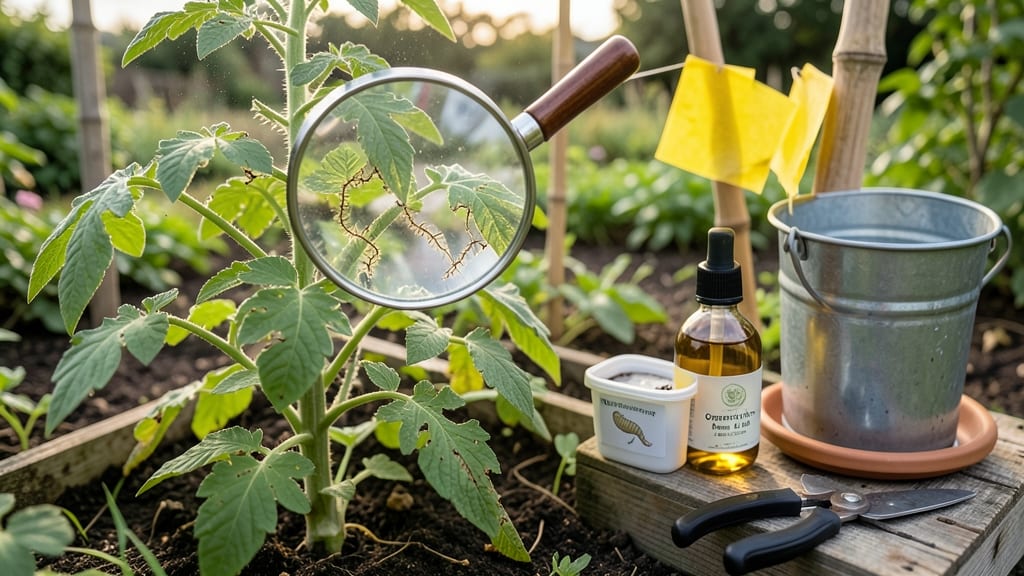
Your basil and bean plants are turning into the perfect leaf miner treatment buffets—and the damage spreads faster than you can say "neem oil." 🌿 The good news? A fast, organic spray protocol can save your foliage before the mines take over completely.
I’ve tested three sprays that stop new infestations within 48 hours, plus a pruning trick that removes 90% of larvae in minutes.
Leaf miners aren’t picky: they’ll strip your tomatoes, peppers, and even houseplants if left unchecked. The key is acting at the first sign—those telltale serpentine trails or blistered leaves—before the larvae pupate.
My go-to spray combo (neem + insecticidal soap) smothers eggs on contact while parasitic wasps do the rest of the work naturally.
By day 3, you’ll see new growth pushing out clean, and the worst of the damage will be pruned away. The secret? Spray early morning, when pests are sluggish, and repeat every 5–7 days until harvest. This isn’t just damage control—it’s a reset button for your plants’ health.
For next season, row covers and crop rotation cut reinfestation by half. But for now, let’s focus on the fast fix that’ll have your plants looking like they’ve never been attacked. Ready to reclaim your foliage?
Root Causes of Leaf Mining
Leaf miners aren’t just a random nuisance—they’re the result of specific environmental and biological conditions that create the perfect storm for these tiny pests. Understanding why they strike is the first step to stopping them before they wreak havoc on your plants.
Below, we break down the key factors that turn your lush foliage into a buffet for these destructive larvae.
Leaf miners—specifically the larvae of flies like Liriomyza trifolii or Agromyzidae species—target plants that are already struggling. When plants are stressed, their defenses weaken, making them an easy meal. Here’s why this happens:
- Nutrient Deficiencies: Plants lacking essential nutrients (like nitrogen, phosphorus, or potassium) produce thinner, more vulnerable leaves. Example: A nitrogen-deficient tomato plant won’t just look yellow—it’ll be irresistible to miners.
- Drought Stress: Even slight dehydration can trigger a plant’s survival mode, prioritizing root growth over leaf strength. Result: Soft, tender leaves that miners can chew through effortlessly.
- Overwatering or Poor Drainage: Roots drowning in soggy soil can’t absorb nutrients efficiently, leading to weak stems and leaves. Bonus: Damp conditions also attract the adult flies laying eggs in the first place.
- Transplant Shock: Recently moved plants are prime targets because their root systems haven’t reestablished. Pro tip: Harden off seedlings gradually to avoid this vulnerability.
💡 Actionable Fix: Audit your plants for yellowing, wilting, or stunted growth—these are red flags. Amend soil with compost, adjust watering schedules, and avoid overcrowding to boost resilience.
Leaf miners start as tiny, nearly invisible flies that deposit eggs on the undersides of leaves. Their behavior is influenced by temperature, humidity, and plant species. Here’s how they exploit your garden:
| Factor | How It Attracts Miners | Peak Risk Period |
|---|---|---|
| Warm Temperatures (70–85°F) | Adult flies are most active, seeking soft new growth to lay eggs. | Late spring to early fall |
| High Humidity (60%+) | Moisture keeps eggs viable longer and speeds up larval development. | After rain or in shaded areas |
| Specific Plant Preferences | Some flies (like Phytomyza spp.) target solanaceous plants (tomatoes, peppers), while others prefer roses or fruit trees. | Year-round in greenhouses; seasonal outdoors |
| Fresh, Untreated Leaves | Adults avoid leaves with silvering, scarring, or existing damage—they prefer pristine, nutrient-rich foliage. | Early plant growth stages |
🔥 Pro Tip: Monitor your garden for adult flies (they look like tiny, black gnats). If you see them hovering near leaves, act fast—eggs hatch in 3–7 days.
Not all plants are equally tempting to leaf miners. These pests have a shopping list of traits that make certain species their favorite snacks:
- Thin, Soft Leaves: Plants like basils, beans, and zucchini have delicate foliage that miners can tunnel through with ease.
- Succulent Growth: Fast-growing plants (e.g., cucumbers, squash) produce tender new leaves, which miners adore.
- High-Sugar Content: Some miners prefer plants with higher soluble sugars, like tomatoes or peppers, for faster larval growth.
- Sheltered Locations: Miners thrive in shaded or protected areas (e.g., under eaves, dense canopies) where predators like birds or ladybugs can’t reach.
🌡️ Science Note: Studies show that Liriomyza larvae grow 30% faster on plants with higher nitrogen levels, making fertilized crops a buffet.
🎯 Prevention Tip: Interplant repellent crops like nasturtiums, marigolds, or chives to disrupt miner activity. These act as trap crops or confuse adult flies.
By addressing these root causes—stress, fly behavior, and plant susceptibility—you can break the cycle before miners turn your garden into a skeleton of veins and holes. The next step? Learn how to intervene with organic sprays and cultural fixes.
Quick Fixes for Leaf Miner Damage
Now that you understand why leaf miners strike, it’s time to roll up your sleeves and take action! The good news? You don’t need a degree in entomology to tackle these pests—just a few targeted strategies.
Below, we’ll map out cause-specific solutions and share prevention tips to keep your plants thriving. Let’s get started!
Cause: Heavy infestations weaken plants by blocking sunlight and nutrients. Fix:
- 🍂 Pick off damaged leaves by hand (wear gloves!) and drop them into a sealed bag. Never compost them—this spreads eggs and larvae.
- 🌿 Prune lightly to improve airflow around the plant. Focus on lower branches where miners love to hide.
- 🔄 Replace severely damaged foliage with fresh growth by fertilizing lightly (more on this below).
Pro Tip: 💡 Timing matters! Do this in the early morning or late evening when leaf miners are least active.
Cause: Larvae burrow into leaves, making them hard to reach. Fix: Choose one or two of these DIY or store-bought options for best results:
| Solution | How to Use | Best For |
|---|---|---|
| Neem Oil Spray | Mix 1 tbsp neem oil + 1 tsp mild soap + 1 quart water. Spray top and bottom of leaves. Repeat every 5–7 days for 2–3 weeks. | Early infestations, prevention |
| Insecticidal Soap | Spray directly on larvae (they’ll dry out). Reapply after rain. | Active larvae, tender new growth |
| Kaolin Clay (Surround WP) | Mix 2 tbsp clay + 1 gallon water. Forms a protective barrier. | Long-term prevention, young plants |
| Beneficial Nematodes | Water soil with 5–10 million nematodes per gallon (sold online). They hunt larvae underground. | Heavy infestations, soil-dwelling miners |
Pro Tip: 🌡️ Spray in the evening—leaf miners are nocturnal, and you’ll catch more of them active!
Cause: Weak, nutrient-deficient plants attract more miners. Fix: - 🌱 Fertilize lightly with fish emulsion or compost tea to boost immunity. Avoid heavy nitrogen—it attracts pests! - 💧 Water deeply but less often (overwatering stresses plants).
Aim for 1–1.5 inches per week. - 🌿 Mulch around the base with straw or wood chips to deter adult flies from laying eggs.
Pro Tip: ✨ Companion plants help! Grow marigolds, basil, or dill nearby—their scents repel leaf miners naturally.
Cause: Adult flies keep coming back if not controlled. Fix: - 🕷️ Yellow Sticky Traps – Hang near infested plants to catch adult flies.
Replace every 2 weeks. - 🌿 Floating Row Covers – Use lightweight fabric over young plants to block flies (remove when flowers/fruit appear). - 🕰️ Check weekly – Flip leaves to spot new mines (tiny white trails). Act fast!
Pro Tip: 🎯 Rotate methods—if neem oil stops working, switch to kaolin clay or nematodes to avoid resistance.
To keep leaf miners at bay, follow this seasonal routine:
- 🍃 Spring: Apply kaolin clay as new growth emerges.
- ☀️ Summer: Prune regularly and inspect weekly for early signs.
- 🍂 Fall: Clean up debris—burn or trash fallen leaves.
- ❄️ Winter: Store row covers for next season’s early planting.
If your plants are heavily damaged (50%+ leaf loss) or miners keep returning despite treatments:
- 🐞 Introduce predator insects like lacewings or parasitic wasps (available at garden centers).
- 🌿 Replace severely infested plants if they’re non-essential (e.g., ornamentals).
- 📞 Consult a local extension office for region-specific solutions.
Final Thought: Leaf miners are a nuisance, but with consistent action, you can outsmart them—not just treat the symptoms. Start with removal + neem oil, then boost plant health, and monitor like a hawk.
Your garden will be back to lush in no time! 🌿💚
Frequently asked questions
How do I know if my plants have leaf miners?
Look for serpentine trails (white or brown squiggly lines) inside leaves or blistered, brown patches where larvae feed. Check the undersides of leaves—you may spot tiny white larvae or tiny black flies (adult miners). Early signs include leaves that look like they have tiny tunnels or silvering between veins.
Can I use neem oil on edible plants like tomatoes or peppers?
Yes, but use it carefully! Neem oil is safe for edible plants when applied 2–3 days before harvest. Mix 1 tbsp neem oil + 1 tsp mild soap + 1 quart water and spray thoroughly on both leaf sides. Avoid spraying flowers or fruit directly to protect pollinators. Always test a small area first for sensitivity.
Why do leaf miners keep coming back after treatment?
New adult flies may have arrived or eggs survived treatment. Rotate methods—try kaolin clay one week, then insecticidal soap the next. Check for yellow sticky traps near plants to catch adults. Also, ensure you’re removing damaged leaves (don’t compost them!) and improving plant health with balanced fertilization.
Are there any natural predators that can help control leaf miners?
Introduce parasitic wasps (like Diglyphus isaea) or lacewings—they hunt leaf miner larvae. Buy them from garden centers and release them near infested plants. Ladybugs and birds also help. For long-term control, plant marigolds or dill nearby to attract beneficial insects naturally.
How long does it take to see results from leaf miner treatments?
With consistent spraying (every 5–7 days), you’ll see new growth emerge in 3–5 days and fewer signs of miners in 1–2 weeks. For severe cases, combine treatments (e.g., neem oil + pruning + nematodes) and monitor closely. Results depend on the plant’s health and how early you intervene—don’t wait until leaves are skeletonized!