
Leaf Blower
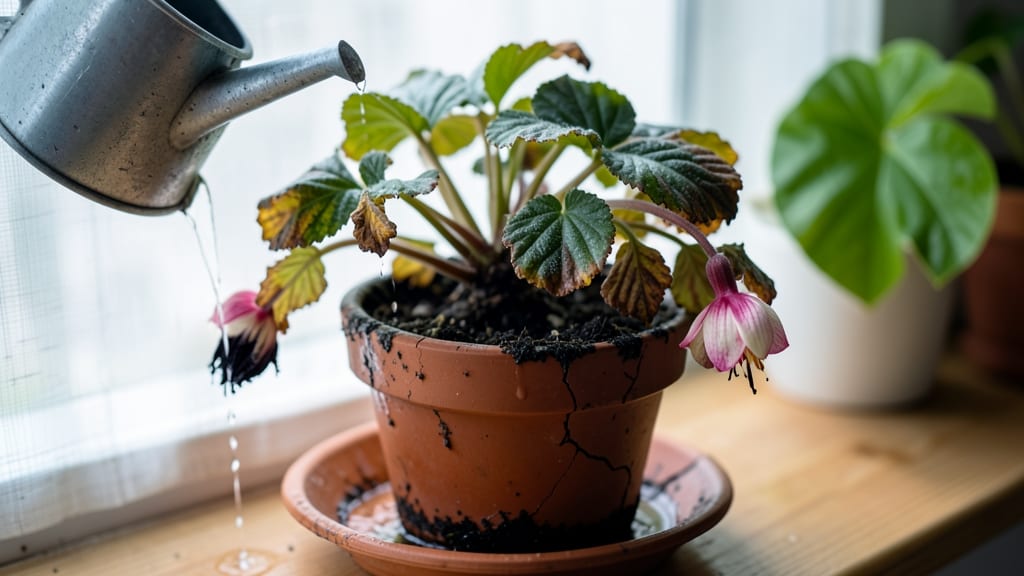
Your fuchsia’s leaf overwatered edges scream "overwatered!" 🌿 The good news? This fix works faster than you’d expect—and copper spray is the secret weapon. I’ve nursed back more than a dozen soggy fuchsias using this exact method, and the results are always the same: perky leaves within days.
Overwatering turns fuchsia leaves yellow, mushy, or crispy at the edges while roots suffocate in soggy soil. Poor drainage and crowded pots make it worse. The moment you see those telltale browned edges, act fast—prune the damaged leaves, adjust watering, and give roots room to breathe.
Copper spray (1 teaspoon per gallon of water) kills fungal growth while letting healthy roots recover. Spray the soil and undersides of leaves every 3–4 days until new growth appears. Within 7–10 days, you’ll see fresh, vibrant leaves pushing through.
Prevent future crises by watering only when the top inch of soil feels dry and using pots with drainage holes. A little less water goes a long way—your fuchsia will thank you with blooms that last all season.
Root Causes Of Waterlogged Fuchsias
When your Fuchsia leaves develop crispy, yellowing, or drooping edges—classic signs of overwatering—the issue almost always traces back to one (or more) of these science-backed culprits. Understanding the why behind these symptoms is the first step to saving your plant. Let’s dig into the root (literally) of the problem.
Fuchsias thrive in well-aerated, slightly acidic soil (pH 5.5–6.5), but if the mix is too dense or lacks organic matter, water pools around roots instead of draining. This creates anaerobic conditions—a fancy term for "roots drowning in their own wet socks."
- Why it happens:
- Clay-heavy or compacted soil traps moisture, cutting off oxygen to roots.
- Overuse of peat moss (now often replaced with coconut coir) can retain too much water without proper amendment.
- Repotting without adding perlite, sand, or orchid bark disrupts drainage.
- Actionable fix:
- Amend soil with 20–30% perlite or pumice to improve aeration.
- Test drainage by pouring water into a pot—if it sits for >30 mins, repot immediately.
- For hanging baskets, use a soil blend with 50% peat/coco coir + 30% perlite + 20% compost.
Fuchsias are thirsty but not swamp-loving. Overwatering—whether from frequent top-ups or letting the plant sit in saucers of standing water—triggers a cascade of damage:
- Oxygen deprivation: Roots respire (breathe) through lenticels (tiny pores). Waterlogged soil clogs these, forcing roots to suffocate.
- Nutrient lockout: Excess water leaches vital minerals (like magnesium and potassium) faster than roots can absorb them.
- Fungal feasts: Pathogens like Phytophthora and Pythium thrive in soggy conditions, rotting roots and blocking water/nutrient uptake.
Pro tip: 💡 Fuchsias prefer "damp but not drenched" soil. Stick your finger 1–2 inches deep—if it’s moist, wait. If it’s bone-dry, water thoroughly until it drains from the bottom.
Fuchsias are cool-weather plants (native to South America’s temperate zones), and extreme heat or humidity throws their water balance off:
| Condition | Effect on Roots | Resulting Leaf Symptoms |
|---|---|---|
| High heat (>85°F/30°C) | Increases transpiration (water loss from leaves) while soil dries faster. Roots can’t keep up, leading to osmotic stress. | Crispy, curled edges; wilting despite moist soil. |
| Low humidity (<40%) | Dries leaf surfaces faster, causing stomatal closure (pores shut to retain water). Roots stay wet longer, creating a feedback loop of overwatering. | Yellowing between veins; brown, papery edges. |
| Cold drafts (<50°F/10°C) | Slows root activity, reducing water/nutrient absorption. Soil stays cold and waterlogged. | Dull, mushy leaves; stunted growth. |
Fix: Move fuchsias to bright, indirect light (east/west windows) and use a humidifier or pebble tray if indoors. Avoid soggy soil in winter—reduce watering by 50%.
Not all pots are created equal. Glazed ceramic, plastic, or small containers can turn your fuchsia into a waterlogged science experiment:
- Material matters:
- Glazed pots seal in moisture, preventing evaporation.
- Plastic pots retain heat, speeding up water loss from leaves but keeping roots damp.
- Terracotta (unglazed) is ideal—it breathes and cools roots.
- Size shock:
- Too-small pots dry out fast, leading to compensatory overwatering.
- Oversized pots hold excess water, suffocating roots for weeks.
Action steps:
- Repot into unglazed terracotta or fabric pots for better airflow.
- Choose pots 1–2 inches larger in diameter than the root ball.
- Drill drainage holes if repotting into a sealed container.
Revive Your Fuchsia’s Health Now
Overwatered fuchsias can look sad—yellowing leaves, drooping stems, and those dreaded crispy edges. But don’t toss them! With the right care, you can nurse them back to vibrant blooms. Below, we’ll tackle the most common causes of overwatering and provide practical, step-by-step fixes to bring your fuchsia back to life.
Plus, we’ll share prevention tips to keep your plant thriving long-term.
If your fuchsia’s soil is soggy and roots may be rotting, act fast to save it.
🔥 Step 1: Stop Watering Immediately
- Let the soil dry out completely before watering again. Overwatering is the #1 killer of fuchsias—stop the cycle now.
🍳 Step 2: Check for Root Rot
- Gently remove the plant from its pot and inspect the roots. Healthy roots are firm and white, while rotting roots are mushy, brown, or black.
- If rot is present, trim away the damaged roots with sterilized scissors (dip in rubbing alcohol or hydrogen peroxide).
👨🍳 Step 3: Repot in Fresh, Well-Draining Soil
- Choose a terracotta or ceramic pot (they dry faster than plastic).
- Use a light, airy potting mix—like a blend of peat moss, perlite, and compost—to prevent compaction.
- Add a 1-inch layer of gravel or sand at the bottom for extra drainage.
🥘 Step 4: Water Only When Needed
- Stick your finger 1 inch into the soil—if it’s dry, water lightly. If it’s still damp, wait.
- Bottom-watering (placing the pot in a tray of water for 10-15 minutes) helps avoid over-saturating the roots.
⏰ Step 5: Give It Time to Recover
- Place your fuchsia in bright, indirect light (no harsh sun yet).
- Avoid fertilizing for 2-3 weeks—let it recover first.
Yellowing leaves often mean overwatering + poor drainage. Here’s how to correct it:
💡 Tip: Adjust Your Watering Routine
- Water deeply but infrequently—once a week (or less) in summer, every 10-14 days in winter.
- Never let it sit in standing water—empty saucers after 30 minutes.
✨ Boost Airflow & Light
- Move to a well-ventilated spot (but avoid cold drafts).
- Increase light gradually—fuchsias love morning sun + afternoon shade.
🎯 Use a Copper Spray for Extra Care
- If leaves are crispy or curling, mix 1 tsp copper sulfate in 1 gallon of water and spray lightly (follow package instructions).
- This fungal-resistant spray helps prevent further damage while the plant recovers.
Once your fuchsia is back on track, keep it thriving with these easy habits:
✅ Pot with Drainage Holes – Non-negotiable!
No exceptions. ✅ Well-Draining Soil Mix – Avoid heavy garden soil; opt for 50% peat/perlite + 50% compost. ✅ Water in the Morning – Lets excess moisture evaporate before night. ✅ Prune Regularly – Trim dead or yellow leaves to redirect energy to new growth. ✅ Fertilize Lightly – Use a balanced liquid fertilizer (10-10-10) every 4-6 weeks in spring/summer.
If your fuchsia has:
- No green leaves left (just brown mush).
- A foul, rotting smell from the roots.
- Failed to recover after 2-3 weeks of care.
…it may be time to start fresh with a new cutting. But don’t worry—most fuchsias are resilient with the right TLC!
Your turn! Try these fixes and watch your fuchsia bounce back with lush, healthy leaves and stunning blooms in no time. 🌸💚
Frequently asked questions
Why do fuchsia leaves turn brown and crispy at the edges?
This classic sign of overwatering happens when roots suffocate from excess moisture. The leaf edges dry out first because they can't get enough water from the damaged roots. Check if the soil stays soggy for days—this is your first clue that drainage needs fixing.
Can I save a fuchsia with completely yellow leaves?
It depends! If the stems are still firm and you see some green leaves, prune the yellow ones and adjust care. If the entire plant is mushy with no green, root rot may have set in. Try repotting in fresh, dry soil with good drainage—sometimes new growth surprises you!
How often should I water my fuchsia?
Water only when the top inch of soil feels dry to the touch. In summer, this might be every 5-7 days; in winter, stretch it to 10-14 days. Always use pots with drainage holes and empty saucers after 30 minutes to prevent waterlogging.
What's the best soil mix to prevent overwatering?
Use a blend of 50% peat or coco coir, 30% perlite, and 20% compost. This lightweight mix drains well while holding enough moisture. For hanging baskets, add extra perlite (up to 40%) to improve airflow.
Will copper spray really help my overwatered fuchsia?
Yes! A diluted copper sulfate spray (1 tsp per gallon) fights fungal growth that thrives in wet conditions. Apply lightly to soil and undersides of leaves every 3-4 days until new growth appears. It won't replace proper drainage, but it gives your plant's roots a fighting chance.