
Pests
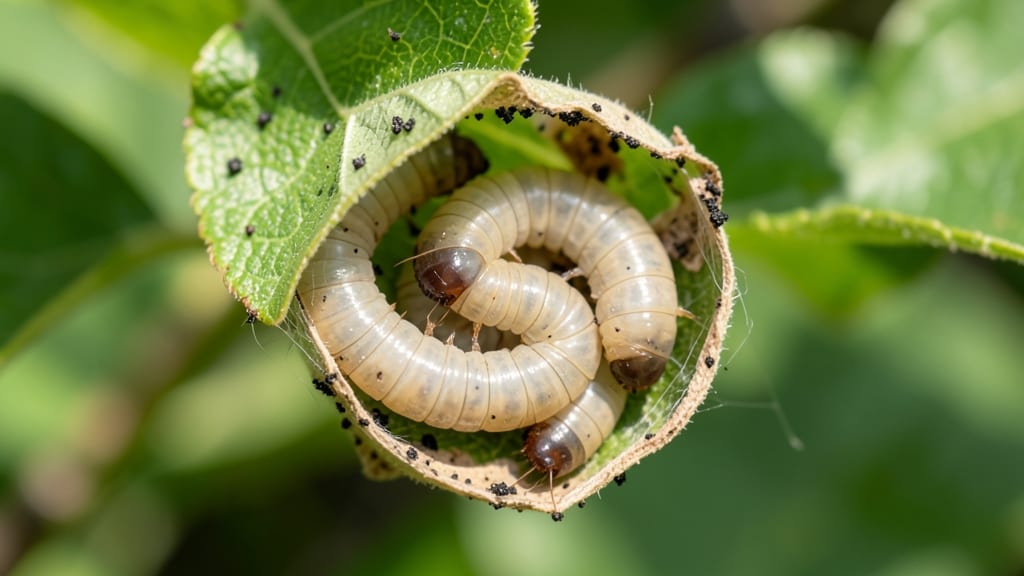
Leaf roller worms turn your lush foliage into skeleton leaves overnight. 🌿 I’ve watched them strip entire apple trees in weeks, and the key to stopping them starts with spotting the telltale rolled leaves before the damage spreads.
These tiny caterpillars hide inside curled leaves, making them nearly invisible until it’s too late.
The damage isn’t just cosmetic—it weakens plants, stunts growth, and invites secondary pests. Worse, their life cycle means one generation can turn into three in a single season if left unchecked.
But here’s the good news: organic methods like neem oil, pheromone traps, and introducing beneficial wasps can break their cycle without harming your garden’s balance.
By the time you finish this guide, you’ll know exactly how to identify their hiding spots, disrupt their feeding patterns, and restore your plants to vibrant health. The secret lies in acting fast—before they turn your prized foliage into Swiss cheese.
Whether you’re dealing with fruit trees, ornamental shrubs, or vegetable crops, these strategies work across the board. Let’s get your garden back to thriving in no time.
Root Causes Of Leaf Damage
Understanding why leaf-rolling caterpillars (like leaf roller worms) target your plants starts with their survival instincts and environmental triggers. These pests don’t act randomly—they’re responding to specific conditions that make your garden an all-you-can-eat buffet.
Below, we break down the key reasons these critters show up and why they leave your foliage looking like a rolled-up taco.
Leaf roller worms are opportunistic feeders—they go after plants that are already struggling. When plants are overcrowded, deprived of nutrients, or battling other stressors (like drought or poor soil), their leaves become softer, more tender targets. Here’s why this happens:
- Thicker, Juicier Leaves: Stressed plants produce leaves with higher moisture content, making them easier for caterpillars to chew through and roll. - Weakened Defenses: Healthy plants secrete natural compounds that deter pests.
Stressed plants? Not so much. - Shade & Humidity: Overcrowding creates a microclimate—damp, shaded conditions that leaf rollers love for hiding and feeding.
Actionable Fix: ✅ Thin out overgrown plants to improve airflow. ✅ Test soil pH and amend with compost to reduce stress. ✅ Water deeply but less frequently to encourage strong root systems.
Not all plants are equally appealing to leaf roller worms. These pests have favorite menus, and if your garden is stocked with their top choices, they’ll move in faster than a squirrel at a bird feeder. Common culprits include:
| Plant Type | Why They’re Targeted | Leaf Roller Species Likely |
|---|---|---|
| Fruit Trees (Apple, Pear, Cherry) | High sugar content in young leaves | Archips spp. (fruit tree leafrollers) |
| Ornamental Shrubs (Azalea, Rhododendron) | Soft, hairy leaves are easy to roll | Caloptilia spp. (casebearers) |
| Vegetables (Celery, Cabbage, Kale) | Tender growth attracts multiple species | Plutella xylostella (diamondback moth larvae) |
| Evergreens (Pine, Spruce) | Needles provide perfect hiding spots | Bupalus piniarius (pine beauty moth) |
Pro Tip: 🌡️ If you’re growing these plants, monitor them closely in spring and early summer—this is when leaf rollers are most active.
Leaf roller worms thrive in cozy, protected environments where temperatures stay mild and humidity is high. Your garden might unknowingly be offering them a five-star resort. Here’s how:
- Thick Canopy or Dense Foliage: Trees or shrubs with heavy branches create shady, humid pockets—perfect for caterpillars to pupate undetected.
- Mulch Piles or Leaf Litter: Decaying organic matter traps moisture and provides hibernation spots for overwintering eggs.
- Greenhouses or Polytunnels: Artificial warmth and humidity accelerate their life cycle, leading to faster infestations.
Quick Fix: 🔥 Reduce hiding spots by pruning dense branches, removing thick mulch layers, and keeping ground debris cleared.
In a balanced ecosystem, birds, parasitic wasps, and beneficial insects keep leaf roller populations in check. But when these predators are missing—or when you’ve disrupted the food chain—the worms take over. Common disruptors:
- Overuse of Broad-Spectrum Pesticides: Kills beneficial insects (like ladybugs and lacewings) along with pests, leaving leaf rollers unchallenged.
- Monoculture Gardening: Planting large blocks of a single crop (e.g., a massive apple orchard) removes biodiversity, making it easier for pests to spread.
- Urban or Suburban Landscapes: Fewer native predator species survive in manicured lawns compared to wild or semi-wild areas.
Eco-Friendly Solution: ✨ Encourage biodiversity with native flowering plants (like dill, fennel, or yarrow) to attract predator insects. ✨ Avoid chemical sprays—opt for neem oil or insecticidal soap instead to protect beneficial bugs.
Natural Ways to Tame Garden Invaders
Leaf roller worms—those sneaky, curling leaf predators—can turn your lush garden into a skeleton of chewed foliage if left unchecked. But before reaching for harsh chemicals, try these effective, organic solutions tailored to the root causes of your infestation.
From quick fixes to long-term prevention, these methods will help you reclaim your plants without harming beneficial insects or the environment.
When plants are weak, they’re more vulnerable to pests. Leaf rollers thrive in crowded, nutrient-starved gardens where they can hide and feed undetected.
How to Fix It:
- 🔥 Prune for Airflow – Thin out dense branches or foliage to improve airflow and sunlight penetration. This makes it harder for larvae to hide and discourages future infestations.
- 🍳 Boost Plant Health – Feed your plants with compost, worm castings, or balanced organic fertilizer (like fish emulsion or seaweed extract) to strengthen their natural defenses.
- 👨🍳 Rotate Crops – If you’re growing vegetables, avoid planting the same family (e.g., brassicas like cabbage) in the same spot year after year. This breaks the pest life cycle.
💡 Pro Tip: Mulch around the base of plants with straw or wood chips—this improves soil health and deters pests by reducing moisture retention in the soil (which some larvae love).
Once leaf rollers are present, manual removal is your best first line of defense. These pests are small but visible—especially when they’re in their tight, rolled-leaf cocoons.
How to Fix It:
- 🔪 Handpick Larvae & Eggs – Wear gloves and inspect leaves daily, especially on the undersides and new growth. Drop larvae into soapy water (1 tbsp dish soap per gallon) to kill them instantly.
- 🥘 Shake Them Off – Gently shake infested branches over a bucket of soapy water or a tarp. This works best in the early morning when larvae are sluggish.
- 🌡️ Use Heat or Cold – For severe cases, bag and freeze heavily infested leaves for 48 hours to kill all life stages. Alternatively, place them in a black plastic bag in the sun for a few days (solarization).
✨ Quick Win: If you spot silken tubes or curled leaves, act fast—these are signs of active larvae. The sooner you remove them, the less damage they’ll cause.
When manual methods aren’t enough, targeted organic sprays can break the leaf roller life cycle without harming bees or ladybugs.
How to Fix It:
| Method | How to Apply | Best For |
|---|---|---|
| 🥗 Neem Oil Spray | Mix 1 tbsp neem oil + 1 tsp mild soap per quart of water. Spray early morning or late evening (avoid direct sun). Reapply every 5–7 days. | All stages (eggs, larvae, adults) |
| 🍎 Bacillus thuringiensis (Bt) | Sprinkle Bt powder (like Dipel or Xentari) on leaves or mix with water for a spray. Safe for organic gardens. | Larvae (not eggs) |
| 🌿 Kaolin Clay | Stir 1–2 tbsp kaolin clay in water, add a drop of soap, and spray. Creates a barrier larvae can’t penetrate. | Prevention & light infestations |
| 🍳 Horticultural Oil | Apply dormant oil (like JMS Stylet Oil) in early spring before buds open. Kills overwintering eggs. | Eggs & pupae |
💡 Pro Tip: For persistent infestations, combine Bt + neem oil—Bt kills larvae on contact, while neem disrupts their feeding and reproduction.
The key to long-term success? Stopping leaf rollers before they start. These pests are attracted to young, tender leaves, so healthy plants are your best defense.
How to Fix It (Preventively):
- 🎯 Plant Resistant Varieties – Some plants naturally deter leaf rollers. Try:
- Herbs: Rosemary, thyme, or mint (plant near vulnerable crops).
- Vegetables: Broccoli (Calabrese variety), kale, or Swiss chard (less appealing to larvae).
- 🌿 Introduce Beneficial Insects – Encourage parasitic wasps (like Trichogramma) and ladybugs, which prey on leaf roller eggs and larvae. Plant dill, fennel, or yarrow to attract them.
- 🔥 Disrupt Their Life Cycle – Leaf rollers overwinter as pupae in mulch or leaf litter. In late fall, rake up debris and compost it away from the garden (or solarize it).
- 🌡️ Use Row Covers – For high-risk crops (like apples or pears), cover young trees with floating row covers in early spring to block adult moths from laying eggs.
✨ Bonus Hack: Reflective Mulch – Lay silver or aluminum mulch around plants. The glare disorients adult moths, reducing egg-laying by up to 50%.
Final Reminder: Consistency is key! Check your plants weekly, especially after rain (which triggers egg-hatching). With these methods, you’ll outsmart leaf rollers and keep your garden thriving—naturally.
Frequently asked questions
What do leaf roller worm eggs look like, and where should I look for them?
Leaf roller eggs are tiny—about 0.5mm in diameter—and appear as small, yellowish or white specks on the undersides of leaves or along leaf veins. Check new growth, buds, and leaf axils (where leaves meet stems) in spring and early summer, as this is when adult moths lay them. They’re often clustered in groups of 10-50.
Will neem oil kill leaf roller worms at all life stages?
Neem oil is most effective against larvae and adults, but it won’t kill eggs. For complete control, apply neem oil every 5-7 days during active feeding periods (spring to early summer) and combine it with Bacillus thuringiensis (Bt) to target larvae. Spray in the early morning or evening to avoid harming bees.
Can I use diatomaceous earth on leaf roller worms?
Yes, but it requires careful application. Sprinkle food-grade diatomaceous earth (DE) lightly on curled leaves or along leaf edges where larvae hide. Reapply after rain or watering, as DE loses effectiveness when wet. Avoid overapplying—it can harm beneficial insects like bees and ladybugs if used heavily.
How long does it take for organic treatments to work against leaf roller worms?
Most organic methods show results within 3-7 days, but consistency is key. For example, Bacillus thuringiensis (Bt) kills larvae within 24-48 hours of contact, while neem oil disrupts feeding and reproduction over 5-7 days. Monitor infested plants daily and reapply treatments as needed, especially after rain.
Are leaf roller worms harmful to humans or pets?
No, leaf roller worms are not harmful to humans or pets. While they can cause significant damage to plants, their saliva and body fluids don’t pose any health risks. However, some gardeners may experience mild skin irritation from handling infested leaves, so wear gloves when inspecting or pruning affected plants.