
Flowers
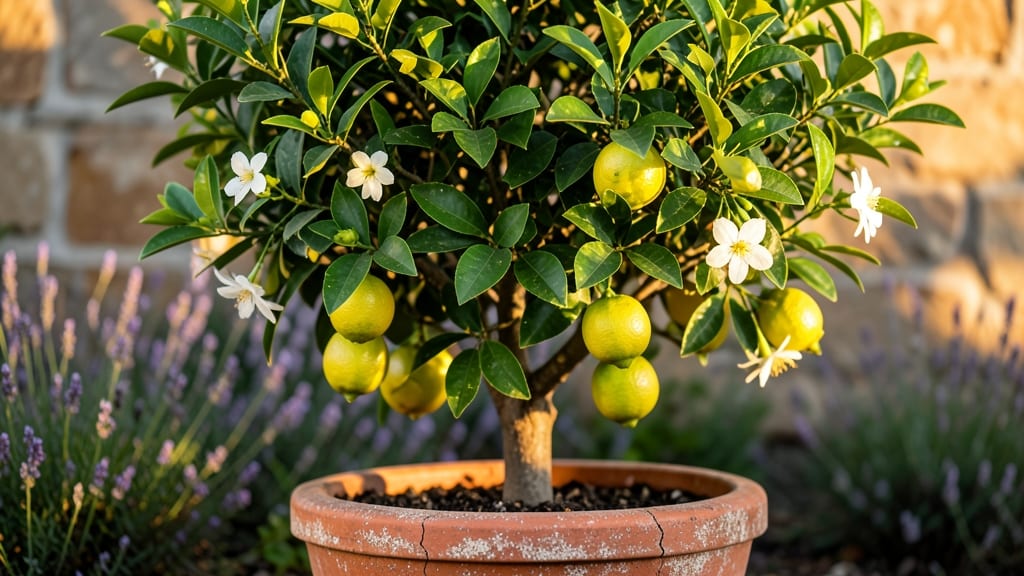
Growing lemon leaf flower from cuttings is fast—I’ve seen roots form in 2-3 weeks with the right setup. 🌿 The citrusy scent alone makes this shrub worth growing, but those fragrant white flowers in spring?
That’s the real magic. Whether you start in water or soil, propagation is simpler than most gardeners think.
This tropical beauty thrives in full sun to partial shade and well-draining soil—sandy loam works best. In containers, choose pots with drainage holes (at least 12 inches wide for mature plants), while in-ground plantings need 6+ feet of space to spread.
Prune after flowering to encourage bushier growth, and avoid heavy trimming in winter when it’s dormant.
By summer, your cuttings will be sturdy enough to transplant, and you’ll be pinching back leggy growth to keep the shape compact. The leaves stay fragrant year-round, and with proper care, you’ll get white flower clusters that attract pollinators.
Even in containers, this plant handles heat and humidity like a champ.
Works equally well in pots on patios or as a privacy hedge—just avoid frost zones. The secret to fast propagation? Keep cuttings in bright, indirect light and change the water every 3-4 days if rooting in water. Ready to grow yours?
📚 In This Guide
- What you need
- Instructions
- Tips and common mistakes
- Wrapping up and next steps
What you need
- ● Lemon leaf flower cuttings: 4–6 healthy, semi-hardwood stems (4–6 inches long)
- ● Stems should have 2–3 leaf nodes and at least 2–3 leaves
- ● Propagation method choice: Water propagation: Clear glass or jar (8–12 oz)
- ● Soil propagation: Well-draining potting mix (cactus/succulent blend recommended)
- ○ Rooting hormone (optional but helpful): Powder or gel (e.g., Clonex or similar)
- ● Small pots or containers: 4–6 inch diameter (for soil method)
- ● Pruning shears or sharp scissors: Sterilized to avoid disease
- ● Water: Room-temperature, filtered if possible
- ● Plastic wrap or humidity dome: To retain moisture (for soil method)
- ○ Spray bottle: For misting leaves (optional)
- ● Grow lights or sunny windowsill: Bright, indirect light (6+ hours/day)
- ● Patience! Root growth takes 4–8 weeks (or longer in soil).
- ● Warmth (ideal temp: 70–85°F for faster rooting).
- ● Consistency in moisture (avoid over/under-watering).
Step-by-Step instructions for propagating lemon leaf flower
Here's how to multiply your lemon leaf flower collection quickly—whether you prefer water or soil.
🌿 Step 1: Select Healthy Stems for Propagation
Choose stems with at least 3-4 sets of leaves and no signs of yellowing or disease. The best cuttings come from new growth, just below a leaf node where roots will form. Use clean, sharp scissors to make a 45-degree angle cut about 2-3 inches below the node—this increases surface area for root development.
Remove the lower leaves, leaving only the top 2 sets. This prevents rot in the water and directs the plant's energy toward root growth. Here's the thing—if you leave too many leaves, the cutting will focus on keeping them alive instead of growing roots.
💧 Step 2: Prepare for Water or Soil Propagation
For water propagation, place the cuttings in a jar filled with room-temperature water that covers only the bottom 1 inch of the stem. Change the water every 3-4 days to prevent bacterial growth. You'll see tiny white roots appear in 2-3 weeks—this is your signal that propagation is working.
For soil propagation, mix equal parts potting mix and perlite to create a well-draining medium. Fill small pots with this mix, then make a hole with your finger deep enough to accommodate the cutting. Gently press the soil around the stem to secure it without compacting the mix too tightly.
☀️ Step 3: Provide Ideal Conditions for Root Growth
Place your cuttings in bright, indirect light—think east-facing window or grow light 6-12 inches away. Direct sun will scorch the leaves before roots have a chance to establish. Keep the environment at 65-75°F for optimal growth. If using water propagation, mist the leaves occasionally to maintain humidity.
You'll know it's working when new leaves appear at the top of the stem. This usually happens within 3-4 weeks for water propagation and slightly longer for soil. Avoid moving the cuttings during this time—stability is key for root development.
⏰ Step 4: Transition to Soil and Care for New Plants
Once roots reach 1-2 inches long in water, transplant to a small pot with well-draining potting mix. Gently remove the cutting, avoiding damage to the roots, and plant it at the same depth it was in water. Water lightly to settle the soil without disturbing the roots.
For soil-propagated cuttings, wait until you see new growth at the top before watering deeply. This ensures the roots have established enough to support the plant. After the first month, treat your new lemon leaf flowers like mature plants—water when the top 1 inch of soil feels dry and fertilize lightly every 4-6 weeks with a balanced liquid fertilizer.
Tips & tricks for perfect lemon leaf flower propagation
A few simple tricks that'll help your lemon leaf flower cuttings thrive faster and stronger.
Cutting Precision: When making that 45-degree angle cut in Step 1, aim for clean, sharp scissors and a steady hand. The angle should be just below a leaf node, where tiny root buds are already forming. I like to make a small nick in the stem first to prevent crushing—this helps the cutting focus its energy on root development instead of healing wounds.
Water Quality Matters: For water propagation, use filtered or distilled water if possible—tap water can contain chlorine or minerals that inhibit root growth. In Step 2, when you change the water every 3-4 days, rinse the jar first to remove any bacterial buildup from the previous water. This keeps your cuttings healthy and speeds up that 2-3 week root development.
Light Positioning: In Step 3, that bright indirect light is crucial. If you're using a grow light, position it 6-12 inches away and adjust based on leaf color—yellowing means it's too close, while pale leaves mean it needs more intensity. I've found east-facing windows work best for natural light, but supplement with artificial light if your cuttings start looking leggy (stretched and weak).
Root Development Check: When checking for roots in water propagation, look for tiny white tendrils at the stem's base. In Step 4, once they reach 1-2 inches, they're ready for transplanting. For soil propagation, gently tug on the cutting after 3-4 weeks—if there's slight resistance, roots have likely formed. This visual check saves you from guessing when to transplant.
Pro Tips for Lemon Leaf Flower
- A few simple tricks that'll help your lemon leaf flower cuttings thrive faster and stronger.
- Cutting Precision: When making that 45-degree angle cut in Step 1, aim for clean, sharp scissors and a steady hand.
- Water Quality Matters: For water propagation, use filtered or distilled water if possible—tap water can contain chlorine or minerals that inhibit root growth.
Frequently asked questions
Got questions about growing your own lemon leaf flower (Murraya paniculata)? You’re not alone! Here are some of the most common queries—and their answers—to help you nurture a thriving plant with ease.
How long does it take for lemon leaf flower cuttings to root in water?
Most cuttings will develop roots in 2–4 weeks when placed in water. Keep the water clean (change every 3–5 days) and ensure the cutting gets bright, indirect light. Once roots reach 1–2 inches, they’re ready to transplant to soil! Patience is key—some stubborn cuttings may take up to 6 weeks.
Why are my lemon leaf flower leaves turning yellow?
Yellowing leaves usually signal overwatering or nutrient deficiency. Check your plant’s soil—it should be slightly moist but not soggy. If the roots are mushy, reduce watering. For yellowing on older leaves, it might be normal aging, but new leaves turning yellow could mean iron deficiency. Use a balanced fertilizer to revive growth.
Can I grow lemon leaf flower from seeds instead of cuttings?
Yes, but it’s slower and less reliable than propagation from cuttings. Seeds may take months to germinate and often produce weaker plants. If you’re set on seeds, soak them in warm water for 24 hours first, then plant in a well-draining mix. Keep the soil consistently moist (not wet) and place in a warm, sunny spot.
How much sunlight does a lemon leaf flower need?
These tropical beauties thrive in bright, indirect light (6+ hours daily). Too little light? Stunted growth and sparse blooms. Too much direct sun? Leaves may scorch. If indoors, place near a south- or west-facing window. Outdoors, partial shade works best in hot climates—just avoid harsh afternoon sun.
When will my lemon leaf flower bloom?
With proper care, expect white, fragrant flowers in spring or early summer, typically 1–3 years after planting. Healthy, mature plants (3+ feet tall) bloom more reliably. Prune lightly after flowering to encourage bushier growth. Pro tip: A light fertilizer boost in early spring can trigger more blooms!
Wrapping up and next steps
Growing a lemon leaf flower (or Murraya paniculata) is a rewarding journey that brings vibrant blooms and a citrusy fragrance to your space!
Whether you propagate it in water or soil, the key lies in patience, proper care, and a little green thumb love. 🌱 With the right techniques, you’ll soon enjoy its lush foliage and delicate flowers—perfect for adding a tropical touch to your home or garden.
Ready to take the next step? Start with a cutting, follow the simple steps, and watch your lemon leaf flower thrive! Share your progress with fellow plant enthusiasts or experiment with different care tips to keep it flourishing year-round. Happy growing! 🌸