
Leaf Blower
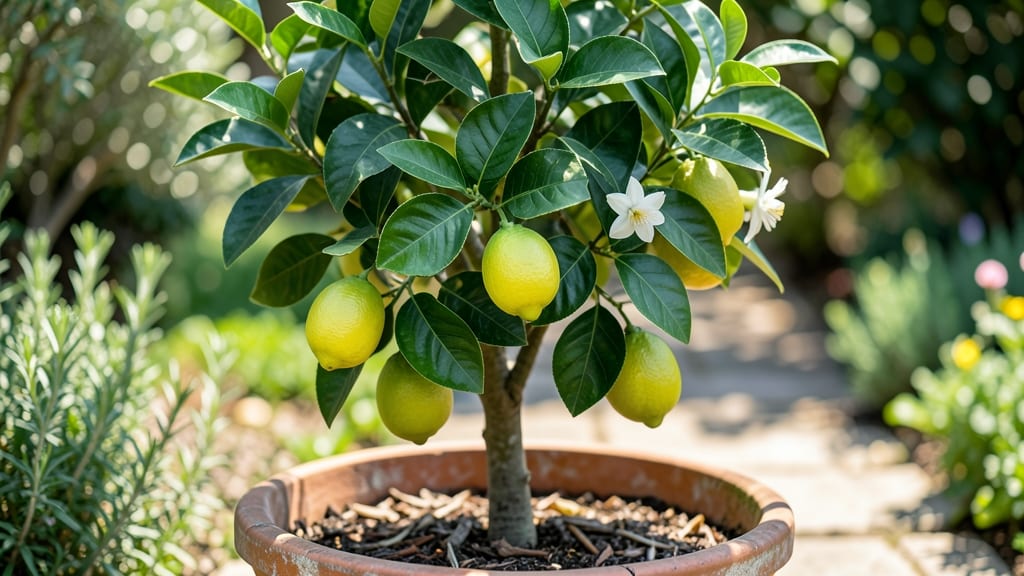
A lemon leaf’s small, glossy, and citrus-scented appearance is unmistakable once you know what does a lemon leaf look like. 🌿 The leaves are elliptical to ovate, about 2–4 inches long, with smooth, slightly serrated edges that feel almost waxy to the touch.
Their bright green color shines under sunlight, and when crushed, they release that familiar lemony fragrance—key for telling them apart from other citrus varieties like lime or orange. The veins run parallel and slightly curved, giving the leaf a delicate but sturdy structure.
Younger leaves start lighter green before deepening, while mature ones stay vibrant year-round. This scent isn’t just for identification—it’s a sign of a healthy plant, so if yours loses that zesty aroma, it might need more sunlight or water.
Recognizing these leaves helps you prune correctly, spot pests early (like aphids hiding on the undersides), and even tell if your plant is thriving. A lemon tree’s foliage is its calling card—ignore it, and you might miss the first signs of trouble.
Whether you’re growing from seed or caring for a mature tree, knowing these details keeps your lemon tree productive and pest-free. Let’s dive into the specifics!
Factors Shaping Lemon Leaf Appearance
Lemon leaves don’t just happen—their iconic small, glossy, and aromatic shape is the result of a fascinating mix of genetics, environmental cues, and evolutionary adaptations. Understanding these factors helps explain why lemon leaves look the way they do and how they thrive in their natural (or cultivated) habitats.
Lemon leaves inherit their distinct traits from the broader Rutaceae family, which includes other citrus varieties like oranges, limes, and grapefruits. Here’s how genetics play a role:
- Small, Elliptical Shape: Lemon leaves are typically 2–4 inches long and 1–2 inches wide, shaped like elongated ovals with a pointed tip.
This compact size is an evolutionary trade-off—smaller leaves reduce water loss in dry climates while maximizing sunlight absorption. - Thick, Leathery Texture: The succulent, waxy coating (cuticle) on lemon leaves is a genetic adaptation to arid Mediterranean climates.
This thickness prevents dehydration and protects against pests. - Glossy Sheen: The shiny surface isn’t just for looks—it reflects excess sunlight, reducing heat damage in sunny regions. This trait is hardwired into citrus DNA, passed down through generations.
Fun fact: 💡 Lemon leaves also contain limonene, a compound that gives them their signature citrus scent. This chemical deters herbivores while attracting pollinators—another genetic survival hack!
While genetics set the baseline, environmental conditions fine-tune how lemon leaves develop. Here’s how:
| Factor | Effect on Leaf Appearance | Example |
|---|---|---|
| Sunlight | Intense sun darkens leaves (richer green) and thickens the cuticle. Shade makes them paler and thinner. | A lemon tree in full sun (like Southern California) has deeper green, glossier leaves than one in a shaded patio. |
| Water Stress | Drought triggers smaller, curled leaves with a duller sheen due to reduced cell expansion. | Overwatering can cause yellowing (chlorosis) or leaf drop, altering the classic shape. |
| Temperature | Cold snaps (below 30°F/-1°C) can cause browning or spotting, while heat waves may scorch edges. | Lemon trees in Florida’s humidity stay lush, while those in Arizona’s dry heat develop tougher, waxier leaves. |
| Soil Nutrients | Nitrogen deficiency leads to pale, yellow leaves; magnesium lack causes yellow patches between veins. | A citrus-specific fertilizer (high in micronutrients like zinc and iron) keeps leaves vibrant. |
Pro tip: ✨ If your lemon tree’s leaves look larger than usual, it might be getting too much water or fertilizer—citrus plants prefer moderation to maintain their signature compact size.
Lemon leaves aren’t just shaped by the environment—they’re also constantly adapting to threats. Common stressors include:
- Spider Mites & Scale Insects: These pests suck sap, causing leaves to yellow, curl, or develop stippled patterns. The tree’s response? It produces thicker, tougher leaves as a defense mechanism. - Fungal Infections (e.g., Melanose): Dark spots or oily sheen on leaves signal fungal attacks.
The plant may shed infected leaves to focus energy on new, healthier growth. - Bacterial Leaf Spot: Causes water-soaked brown spots that enlarge over time. This forces the tree to grow smaller, harder leaves to minimize damage.
Warning sign: 🚨 If leaves start looking distorted, crinkled, or covered in webbing, isolate the plant and treat it with neem oil or insecticidal soap to restore their natural shape.
While lemon trees have a natural growth pattern, human actions can alter leaf appearance:
- Over-Pruning: Cutting too aggressively can lead to smaller, weaker leaves as the tree prioritizes survival over size.
- Root Bound Plants: If a lemon tree is potted too long without repotting, its leaves may become stunted or yellowed due to nutrient starvation.
- Transplant Shock: Moving a mature lemon tree can cause temporary leaf drop or pale new growth as it adjusts.
Actionable tip: 🔪 To encourage healthy, glossy leaves, prune in late winter (before new growth) and repot every 2–3 years to prevent root crowding.
Identifying & Fixing Lemon Leaf Issues
Got curious about your lemon tree’s leaves but unsure what’s normal—or what’s not? Whether you’re dealing with yellowing edges, spotted foliage, or stunted growth, here’s how to diagnose and solve common lemon leaf problems with ease.
1. Yellowing or Wilting Leaves Cause: Overwatering, underwatering, or nutrient deficiencies (like iron or nitrogen). Fix It: - Check soil moisture 💧—stick your finger 1–2 inches deep. If damp, let it dry out; if bone-dry, water deeply. - Adjust watering ⏰—lemon trees prefer consistent moisture but hate soggy roots.
Water at the base (not leaves) in the morning. - Fertilize smart 🌱—use a citrus-specific fertilizer (high in nitrogen) every 4–6 weeks. For yellowing from iron deficiency, try a chelated iron supplement.
Prevention Tip: 💡 Use a moisture meter to avoid guesswork—overwatering is the #1 killer of lemon trees!
2.
Spotted or Hole-Punched Leaves Cause: Pests (aphids, spider mites, or leaf miners) or fungal diseases (like citrus rust). Fix It: - Inspect leaves closely 🔍—look for tiny webs (mites), sticky residue (aphids), or transparent tunnels (leaf miners). - Blast pests off 💦—spray leaves with neem oil (mix 1 tbsp per quart of water) or soapy water (1 tsp mild soap per gallon).
Repeat weekly. - Prune damaged leaves ✂️—remove heavily infested foliage and dispose of it (don’t compost!). - Improve airflow 🌬️—thin out dense branches to reduce humidity, which fuels fungal growth.
Prevention Tip: ✨ Introduce ladybugs (natural aphid predators) or parasitic wasps for long-term pest control!
3.
Curling or Crinkled Leaves Cause: Heat stress, underwatering, or viral infections (like citrus greening). Fix It: - Shade young trees ☀️—use light shade cloth (30–50%) during peak sun (10 AM–2 PM). - Water deeply in heatwaves 🌡️—mulch the base with straw or wood chips to retain moisture. - Test for pests/diseases 🦠—if curling persists, consult a local extension service for viral testing.
Prevention Tip: 🎯 Mist leaves in extreme heat (early morning only) to reduce stress—avoid wetting them at night to prevent fungal growth.
4. Small, Pale, or Stunted Leaves Cause: Poor lighting, root-bound pots, or lack of nutrients. Fix It: - Move to brighter light 💡—lemon trees need 6+ hours of direct sun.
A south-facing window or grow lights (12–14 hrs/day) work for indoors. - Repot if root-bound 🏺—check roots: if circling the pot, upgrade to a 1–2 sizes larger container with well-draining soil. - Boost nutrients 🌿—switch to a balanced fertilizer (like 10-10-10) if growth slows despite good light.
Prevention Tip: 💪 Rotate potted trees every few months so all sides get even light exposure!
- Prune regularly 🌿—trim back 1/3 of the oldest growth annually to encourage new, vibrant foliage. - Monitor soil pH 📊—lemon trees thrive in slightly acidic soil (6.0–7.0).
Test kits are cheap and easy! - Quarantine new plants 🚫—if adding a new citrus tree, keep it separate for 2 weeks to spot pests early.
Remember: Most lemon leaf issues are reversible with quick action. Start with the basics—light, water, and airflow—and your tree will bounce back in no time! 🍋✨
Frequently asked questions
How do I tell a lemon leaf apart from a lime leaf?
Lemon leaves are slightly larger (2–4 inches) with a more elliptical shape and smoother edges compared to lime leaves, which are narrower and more pointed. The key difference is the scent—crush both leaves: lemon leaves smell strongly citrusy, while lime leaves have a sharper, slightly sweeter aroma.
Why do my lemon tree leaves look dull instead of glossy?
Dull lemon leaves usually mean low light or nutrient deficiency. Move your tree to bright, indirect sunlight (or use grow lights) and fertilize with a citrus-specific blend every 4–6 weeks. Overwatering can also dull the shine—let the top 1–2 inches of soil dry out between waterings.
Can I use lemon leaves for tea or cooking if they’re from a non-organic tree?
Yes, but with caution! Organic lemon leaves are ideal for tea or garnishes. Non-organic leaves may have pesticide residues, so wash them thoroughly in hot water and avoid using them if you’re sensitive to chemicals. For cooking, use sparingly—1–2 leaves per dish is plenty to add flavor.
What do lemon tree leaves look like when they’re diseased?
Watch for yellow spots (fungal infections), crinkled or curled edges (pests or heat stress), or brown patches (bacterial issues). Healthy leaves stay bright green, glossy, and firm. If you spot these signs, isolate the plant and treat with neem oil or copper fungicide as needed.
Do lemon leaves change color in winter?
Lemon leaves stay green year-round in warm climates, but in cooler areas, they may turn slightly duller or lighter in winter due to reduced sunlight. If leaves drop or yellow heavily, your tree might need more light or protection from cold drafts (below 40°F/4°C can damage them).