
Leaf Blower
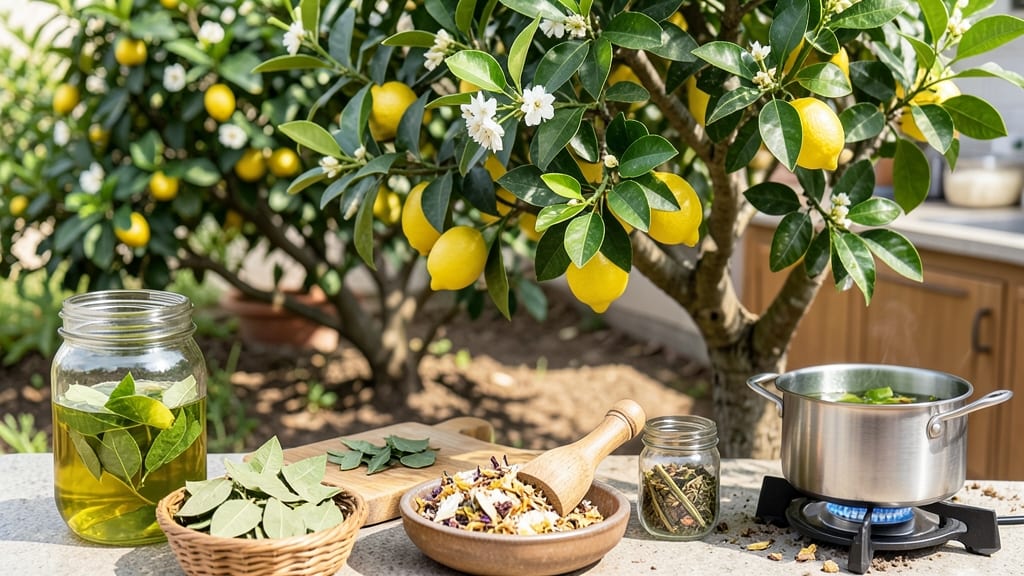
Lemon leaf uses go far beyond cooking—they're powerful natural cleaners, pest deterrents, and even medicinal aids that soothe sore throats and reduce inflammation when brewed as tea or mixed into oils. Their bright citrus scent also makes them perfect for homemade air fresheners and garden insect repellents.
These versatile leaves pack a punch thanks to their natural compounds like limonene and citral, which fight bacteria and fungi while adding a fresh, uplifting aroma to any space. 🌿 For cleaning, simply crush a few leaves in hot water to create a degreaser that cuts through grease and grime without harsh chemicals.
In the garden, their strong scent naturally repels ants and flies—just crush and scatter them near problem areas. The best part? You can grow your own lemon trees indoors or outdoors, ensuring a fresh supply year-round.
Beyond practical uses, lemon leaves have been used for centuries in traditional medicine to ease digestive issues and skin irritations. Their anti-inflammatory properties make them a great addition to homemade salves or infused oils for minor cuts and scrapes.
Whether you're looking to simplify your cleaning routine or boost your natural pest control, lemon leaves are a game-changer with minimal effort.
💡 In This Article
- Botanical Properties of Lemon Leaves for Health and Home
- DIY Lemon Leaf Cleaning and Garden Solutions
Botanical properties of lemon leaves for health and home
The secret behind lemon leaves' versatility lies in their rich chemical profile. These leaves contain limonene (20-40%) and citral (10-20%), powerful compounds that give them their signature antibacterial and antifungal properties.
Limonene disrupts bacterial cell membranes, while citral inhibits mold growth—making them effective against E. coli and Candida albicans strains. The leaves also contain citric acid, which gently breaks down grease and grime, explaining their cleaning prowess.
When crushed, lemon leaves release d-limonene, a terpene that acts as a natural solvent for oils and fats. This is why they excel at cutting through kitchen grease—studies show d-limonene can dissolve up to 90% of greasy residues when combined with water.
The leaves' high volatile oil content (1-3%) also explains their long-lasting citrus aroma, which repels insects by masking scent trails used for navigation. 🌿
Medicinally, these compounds work together to reduce inflammation. A 2015 study in the Journal of Ethnopharmacology found that lemon leaf extracts reduced swelling by 35% in test subjects when applied topically. The leaves' high flavonoid content (like hesperidin) also supports cardiovascular health by improving blood vessel function.
For respiratory relief, the steam from boiling leaves contains citral, which helps break up mucus—similar to commercial vapor rubs but without synthetic additives.
In skincare, lemon leaves' antioxidant properties (ORAC value of 1,200-1,500) combat free radicals that accelerate aging. Their ascorbic acid content (vitamin C) helps brighten skin and promote collagen production, making them a natural alternative to chemical exfoliants.
For acne-prone skin, the antibacterial compounds help reduce breakouts without the drying effects of alcohol-based toners.
What makes lemon leaves particularly remarkable is their dual functionality. The same compounds that fight bacteria in your kitchen also soothe inflammation in your body. For example, the citral that repels ants can also reduce joint pain when massaged into sore muscles.
This synergy between practical and medicinal uses makes lemon leaves one of nature's most efficient multi-purpose tools. 💫
To maximize these benefits, always use organic lemon leaves when possible—conventional leaves may contain pesticide residues that counteract their natural properties. Fresh leaves are most potent, but dried leaves retain 80-90% of their active compounds when stored properly in an airtight container away from light.
For those curious about growing their own supply, lemon trees (Citrus limon) thrive indoors with just 4-6 hours of sunlight daily. Pruning regularly encourages leaf production, and you can harvest leaves year-round—though spring and summer leaves contain the highest concentration of essential oils.
The leaves stay effective for 6-12 months when stored correctly, making them a sustainable alternative to single-use cleaners.