
Diseases
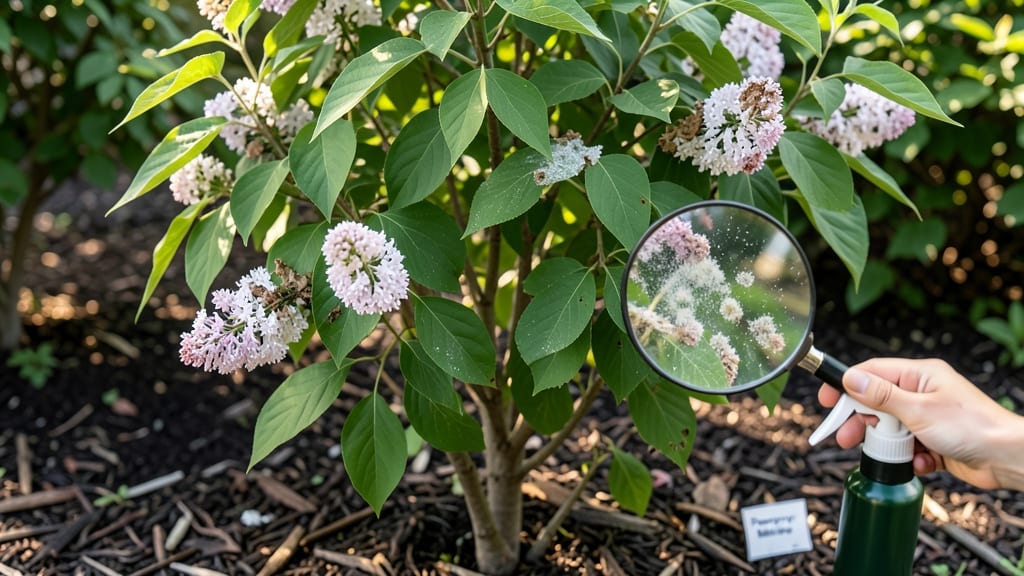
Lilac leaf diseases turn those fragrant spring blooms into sad, spotted messes—fast. 🌿 I’ve watched my own lilacs go from lush and purple to pathetic in a single season, and I’m here to help you spot the trouble before it spreads.
These five fungal foes (powdery mildew, botrytis blight, and more) all leave their own calling cards—yellow spots, black dots, or fuzzy white coatings—and knowing what to look for saves your bushes.
The worst part? Most of these diseases thrive when lilacs get stressed—too much shade, poor airflow, or overwatering. But the good news is, once you recognize the symptoms, you can act fast with simple fixes like pruning for airflow, applying neem oil, or even just adjusting your watering routine.
No more guessing games or losing another season to unsightly (and weakening) leaf damage.
By the end of this guide, you’ll be able to identify each disease by sight, pick the right treatment, and keep your lilacs looking like the showstoppers they should be.
We’re talking vibrant green leaves, bold purple blooms, and bushes that last for decades—not just a few years before they give up. Let’s get those lilacs fighting back.
Whether you’re dealing with a single branch or your whole shrub looks like it’s in a warzone, these steps work for every case. And the best part?
Most solutions are preventive, so once you’ve got the routine down, your lilacs will stay healthy with minimal effort. Ready to save your bushes?
Why it happens
Lilac bushes are beloved for their fragrant blooms and lush foliage, but when leaf diseases strike, they can turn those vibrant leaves into a sad, spotted mess. 🌿😬 Understanding why these fungal foes attack is the first step to protecting your lilacs.
Let’s break down the most common culprits and their sneaky science.
🌡️ Fungal Spores Love Warm, Damp Conditions
Most lilac leaf diseases—like powdery mildew, anthracnose, and septoria leaf spot—are caused by fungal spores that thrive in warm (60–80°F), humid environments. Here’s how it works:
- Excess moisture: Fungal spores splash or float from infected leaves, soil, or nearby plants to healthy ones. Rain, overhead watering, or morning dew create the perfect breeding ground.
- Poor air circulation: Dense foliage or crowded bushes trap humidity, giving fungi a cozy hideout. Pro tip: Prune lilacs to improve airflow!
- Slow-drying leaves: Thick or waxy leaves (common in some lilac varieties) hold moisture longer, extending the fungi’s party time.
💡 Actionable fix: Water at the base in the early morning, avoid overhead sprinklers, and space plants 3–5 feet apart for better ventilation.
🌱 Weakened Plants Invite Trouble
Stressed lilacs are like open doors for fungi. Common stressors include:
| Stressor | How It Helps Fungi |
|---|---|
| Nutrient deficiencies (e.g., nitrogen or magnesium) | Yellowing or stunted leaves become easier targets for pathogens. |
| Over- or under-watering | Root stress weakens the plant’s defenses, making it vulnerable to fungal invasion. |
| Physical damage (e.g., hail, pests, or rough pruning) | Open wounds let spores slip inside, causing infections like botrytis blight. |
| Poor soil drainage | Waterlogged roots can’t absorb nutrients, leaving lilacs malnourished and susceptible. |
🔥 Actionable fix: Test your soil, amend with compost, and mulch to retain moisture without suffocating roots.
🌿 Old Leaves Harbor Hidden Threats
Fungal spores can overwinter on fallen leaves, infected stems, or even in the soil. When spring arrives, they wake up hungry:
- Powdery mildew spores survive on leaf litter or dormant buds.
- Septoria leaf spot overwinters in dead leaves, ready to reinfect as soon as conditions warm up.
- Anthracnose can lurk in pruned debris or mulch, waiting for a damp day to spread.
✨ Actionable fix: Clean up fallen leaves in autumn, sterilize pruners with rubbing alcohol, and avoid piling mulch against stems.
🌍 Neighboring Plants Can Spread the Problem
Lilacs aren’t the only plants fungi love. If nearby roses, grapes, or other shrubs have fungal diseases, spores can hitch a ride on wind or splashing water. Even healthy-looking plants can be carriers!
🎯 Actionable fix: Inspect neighboring plants for symptoms, quarantine infected ones, and avoid planting lilacs too close to high-risk species.
Revive Your Lilacs Now
When your lilac leaves start showing signs of distress, acting fast is key to saving your plant. Below are practical, step-by-step solutions tailored to each common fungal foe, plus prevention tips to keep your lilacs thriving. Let’s tackle these issues head-on—your fragrant shrubs deserve a fighting chance! 🌿✨
Cause: White, powdery fungus thrives in humid, shaded conditions. Fix: 🔥 Remove infected leaves – Snip off heavily affected foliage and dispose of it in the trash (not compost). 🍳 Mix a baking soda spray – Combine 1 tbsp baking soda, 1 tbsp vegetable oil, and a drop of dish soap in 1 quart of water. Spray undersides of leaves where spores hide. 👨🍳 Apply neem oil or sulfur spray – Follow label instructions for fungicidal action. Reapply every 7–10 days until symptoms fade. ⏰ Prune for airflow – Thin out dense branches to improve circulation and reduce humidity.
💡 Pro Tip: Water lilacs early in the day so leaves dry quickly—fungi love dampness!
Cause: Dark, sunken spots on leaves (often with yellow halos) from Colletotrichum fungus. Fix: 🔥 Rake up fallen leaves – Remove debris where spores overwinter. 🔪 Prune infected stems – Cut back branches with lesions by 6 inches below the damage. 🌿 Use copper fungicide – Spray every 2–3 weeks during wet seasons (spring/fall). ✨ Boost plant health – Fertilize lightly with balanced 10-10-10 in early spring to strengthen defenses.
💡 Pro Tip: Avoid overhead watering—use drip irrigation or soaker hoses to keep foliage dry.
Cause: Tiny black dots with yellow borders from Septoria fungus. Fix: 🔥 Collect and destroy infected leaves – Bag them and toss in the trash. 🍳 Disinfect pruners – Wipe with rubbing alcohol between cuts to prevent spread. 👨🍳 Apply fungicide (e.g., chlorothalonil) – Follow package rates; reapply after rain. 🌡️ Rotate planting spots – If replanting, move lilacs to a new location to break the fungus cycle.
💡 Pro Tip: Space lilacs 3–5 feet apart to reduce humidity in the canopy.
Cause: Gray, fuzzy mold on flowers/leaves from Botrytis cinerea. Fix: 🔥 Remove all infected plant parts – Don’t leave them on the ground. 🍳 Improve airflow – Prune to open up the shrub’s center. 👨🍳 Use hydrogen peroxide spray – Mix 1 tbsp 3% H₂O₂ per quart of water; spray every 5 days. 🔪 Avoid overhead watering – Water at the base only.
💡 Pro Tip: Deadhead spent flowers promptly to reduce spores.
- Plant in full sun (6+ hours/day) to deter fungi.
- Mulch lightly (2–3 inches) with pine straw or gravel to prevent soil splash.
- Monitor regularly – Catch issues early with weekly checks.
- Rotate fungicides – Avoid using the same product repeatedly to prevent resistance.
Remember: Consistency is key! Fungi return if conditions favor them. With these steps, your lilacs will bounce back—and next season, they’ll bloom stronger than ever. 🌸💪
Frequently asked questions
Can I save my lilac if the leaves are already covered in powdery mildew?
Yes, but act fast! Remove heavily infected leaves immediately and spray with a baking soda solution (1 tbsp baking soda + 1 tbsp oil + dish soap in 1 quart water). For severe cases, apply neem oil or sulfur spray every 7-10 days until new growth appears. Prune to improve airflow—this cuts off the fungus's moisture supply.
Why do my lilac leaves get black spots even after treating them last year?
Fungal spores like Septoria or anthracnose can overwinter in old leaves or soil. Clean up all leaf debris in fall, sterilize pruners with rubbing alcohol, and rotate fungicides (don't use the same product repeatedly). Plant in full sun and space bushes 3-5 feet apart to prevent humidity buildup.
Is it safe to use hydrogen peroxide on lilac flowers?
Yes, but dilute it properly! Mix 1 tablespoon 3% hydrogen peroxide per quart of water and spray lightly on leaves (avoid soaking flowers). Reapply every 5 days for botrytis blight. Always test a small area first—some lilac varieties have sensitive foliage. Stop treatment 2 weeks before blooming to avoid damaging petals.
How do I know if my lilac has a fungal disease vs. just nutrient deficiency?
Check the pattern: fungal diseases show distinct spots (powdery white, black dots, or sunken lesions), while deficiencies cause general yellowing (chlorosis) starting on older leaves. Fungal spots often have yellow halos, while deficiency symptoms appear uniform. Test soil pH—lilacs prefer 6.0-7.0—and fertilize with balanced 10-10-10 if needed.
Can I prune lilacs when they have leaf diseases?
Yes, but do it carefully! Prune only infected branches, cutting 6 inches below visible damage. Sterilize tools between cuts with rubbing alcohol. Avoid heavy pruning during active infections—wait until after blooming season. Thin out dense areas to improve airflow, which helps prevent future outbreaks.