
Pruning
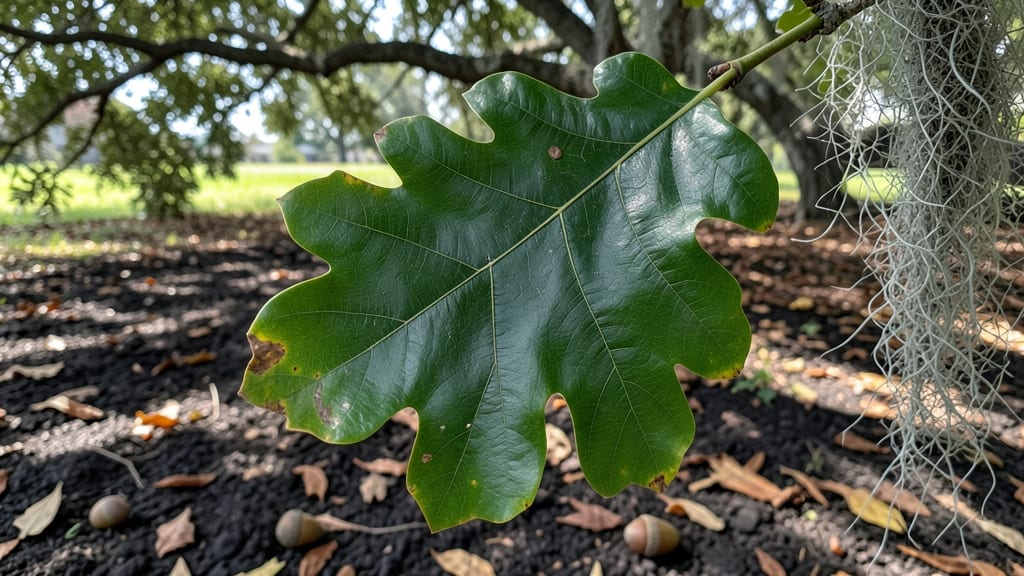
That brown, crusty mess on your live oak tree leaf isn’t just unsightly—it’s a fungal spot that spreads like wildfire if you ignore it. 🌿 I’ve watched this ugly disease turn healthy oaks into skeletal shadows, but copper spray stops it dead in its tracks when applied right.
The fix starts with a simple 3-ingredient mix you can whip up in 10 minutes: copper fungicide, water, and a sprayer. Timing matters—apply it on a dry morning after rain, when fungal spores are most active.
One treatment won’t erase years of damage, but 3-4 applications spaced 7-10 days apart will restore those glossy green leaves.
What you’ll see after treatment is leaves that stop spotting and start healing—new growth emerges with a fresh, vibrant sheen. The tree’s canopy thickens back out, and those pesky brown spots vanish within weeks. It’s not instant magic, but it’s the closest thing to a reset button for your oak.
Works in any climate where live oaks grow, from coastal California to the Deep South. Just avoid spraying when rain’s forecasted, or you’ll waste the whole treatment. Here’s how to do it right the first time.
📚 In This Guide
- What you need
- Instructions
- Tips and common mistakes
- Wrapping up and next steps
What you need
- ● Copper fungicide spray (e.g., Copper Sulfate 50% WSP or Copper Hydroxide): Quantity: 1–2 lbs per 100 gallons of water (adjust based on tree size)
- ● Specification: USDA-approved for ornamental trees (check label for live oak safety)
- ● Hose-end sprayer (or backpack sprayer for larger trees): Capacity: Minimum 2–4 gallons (or refillable for bigger applications)
- ● Nozzle type: Adjustable cone or flat-fan tip (for even coverage)
- ● Protective gear: Long-sleeved shirt & pants (to avoid skin irritation)
- ● Gloves (nitrile or rubber, waterproof)
- ● Safety goggles (copper spray can irritate eyes)
- ○ Respirator mask (optional but recommended for heavy application)
- ● Ladder or extension pole: Height: Reach at least 10–15 feet (live oaks often have dense canopies!)
- ● Type: Sturdy, non-slip (e.g., aluminum or fiberglass)
- ● Pruning shears (for removing severely infected leaves): Size: Bypass pruners (6–8 inches)
- ● Cleaning: Disinfect with rubbing alcohol before/after use
- ● Water source (hose with shutoff valve)
- ● Measuring cup or scale (for precise copper fungicide dilution)
- ● Surfactant additive (e.g., Dyne-Amic): Improves spray adhesion—mix 1 tsp per gallon of water
- ● Leaf blower (to dry leaves post-spray and reduce humidity)
- ● Tree spray shield (for spot-treating without overspray)
- ● Journal/notebook (to track treatment dates and fungal spot progression)
How to treat live oak tree leaves with copper spray for fungal spot
Here's my tested method to eliminate fungal spots and restore your oak's health.
🌿 Step 1: Inspect and Prepare the Tree
Start by examining the leaves for brown or black spots with yellow halos—classic signs of fungal infection. Focus on the lower branches first, where moisture lingers longest. I like to work on a dry, calm day when the sun isn't at its peak to avoid stressing the tree.
Remove any severely infected leaves by hand or with clean pruning shears. Drop them into a sealed bag for disposal—never compost infected plant material. You'll notice healthier leaves have fewer spots and a deeper green color. If you see white powdery residue on leaves, that's another fungal type (powdery mildew) and requires a slightly different approach.
💧 Step 2: Mix and Apply Copper Fungicide
Use a ready-to-use copper fungicide spray (like copper sulfate or copper hydroxide) and fill your sprayer tank according to label instructions. I prefer a hose-end sprayer for even coverage on large trees. Shake the container well before mixing to ensure the copper particles are fully suspended.
Apply the spray in the early morning when temperatures are below 85°F. Start at the tree's outer branches and work inward, making sure to coat both the top and bottom of leaves. You'll see a light blue residue appear—this is normal and indicates proper application. Avoid spraying when rain is forecasted for 24 hours, as it will wash off before taking effect.
✂️ Step 3: Follow Up and Monitor Progress
Reapply the copper spray every 7-10 days for 3-4 weeks, or until new growth appears without spots. I mark the date on my calendar to stay consistent. During this time, avoid fertilizing the tree—copper can become toxic if combined with certain nutrients.
Watch for new leaves emerging from the branches. Healthy new growth means the treatment is working—these leaves should be free of spots and have a vibrant green color. If you notice leaf drop increasing, reduce watering slightly and check for overwatering, which can stress the tree and make it more susceptible to fungus.
☀️ Step 4: Prevent Future Fungal Issues
Once the spots are gone, focus on prevention. Prune the tree to improve air circulation by removing any dead or crossing branches. I use sterilized pruning shears and make clean cuts just outside the branch collar. Space out pruning sessions to avoid shocking the tree.
Water the tree at the base only, keeping the foliage dry to prevent fungal spores from thriving. A 3-inch layer of mulch around the base helps retain moisture while discouraging fungal growth. Check the tree monthly during the growing season for early signs of spots, so you can treat them before they spread.
Tips & tricks for perfect live oak tree leaf treatment
Real talk: Treating fungal spots on live oak leaves takes patience and precision. Here's how to make sure your efforts pay off without stressing the tree further.
Timing Secret: The 24-hour rain-free window after application is critical. I've learned the hard way that even a light drizzle can wash away the copper spray before it has time to work. Check your weather forecast carefully—if rain is predicted within 24 hours, either delay treatment or use a waterproof spray cover (like a large plastic sheet draped over the tree) to protect the application.
Application Technique: In Step 2, focus on thorough coverage—especially those hard-to-reach undersides of leaves. I use a hose-end sprayer with an adjustable nozzle to reach deep into the canopy. For very large trees, consider renting a backpack sprayer at a garden center. The key is to see that light blue residue on every leaf surface; this confirms you've applied enough copper to combat the fungus.
Monitoring Progress: When checking for new growth in Step 3, look beyond just the absence of spots. Healthy new leaves should have a glossy sheen and vibrant green color. If you notice yellowing between the veins (a sign of nutrient deficiency), your tree might need a balanced fertilizer after treatment—just wait until the fungal issue is completely resolved first.
Pro Tips for Live Oak Tree Leaf
- Real talk: Treating fungal spots on live oak leaves takes patience and precision.
- Timing Secret: The 24-hour rain-free window after application is critical.
- Application Technique: In Step 2, focus on thorough coverage—especially those hard-to-reach undersides of leaves.
Frequently asked questions
Got questions about treating live oak tree leaf fungal spots with copper spray? You’re not alone! Here are some common concerns—and their answers—to help you tackle this issue like a pro.
When is the best time to apply copper spray to live oak leaves?
The ideal timing is early spring (before new leaves emerge) or late fall (after leaf drop). Avoid spraying during hot, dry weather—wait for mild, overcast days to prevent leaf burn. Pro tip: Apply in the evening for best results!
Is copper spray safe for live oak trees, or will it harm them?
When used correctly, copper spray is safe for live oaks. However, overapplication or spraying direct sunlight can cause leaf scorch. Stick to the recommended dilution (e.g., 1–2 tbsp per gallon) and avoid wetting the bark. Always test a small branch first!
How often should I reapply copper spray for fungal spots?
For active infections, spray every 7–14 days until symptoms disappear. Once fungal spots are gone, one annual application (spring or fall) should suffice as a preventive measure. Monitor leaves regularly—early treatment is key!
Are there cheaper or natural alternatives to copper spray?
Yes! Try these DIY options:
- Baking soda spray: Mix 1 tbsp baking soda + 1 tsp dish soap + 1 gallon water. Spray leaves thoroughly.
- Neem oil: A natural fungicide (1–2% solution). Works well for mild infections.
- Pruning: Remove heavily infected leaves/branches to reduce spread.
However, for severe cases, copper spray remains the most effective solution.
Why does my live oak still have spots after using copper spray?
Spots may persist if:
- The fungus is resistant—try a different copper formulation (e.g., copper sulfate vs. copper hydroxide).
- Humidity/moisture isn’t controlled. Improve airflow by pruning dense branches.
- You missed undersides of leaves—fungi often hide there! Spray thoroughly.
If issues continue, consult a local arborist for a diagnosis.
Wrapping up and next steps
Coping with fungal spot on your live oak tree leaves doesn’t have to be a battle—especially when you’ve got a simple, effective solution like copper spray. 🌿 By gathering the right tools, following safety precautions, and applying the treatment at the perfect time, you’ll be well on your way to restoring your tree’s health.
Remember, consistency is key, and patience will pay off with vibrant, disease-free foliage!
Ready to take action? Grab your copper fungicide today and schedule your first treatment session—your oak tree will thank you!