
Shrubs
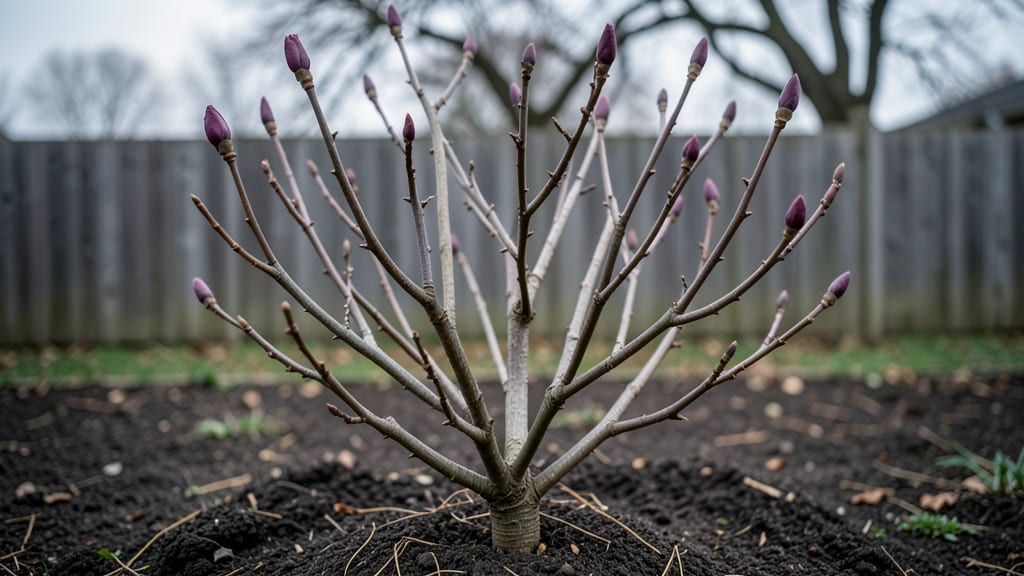
Your Rose of Sharon not leafing out might be shouting for help—fungal spot block is the silent thief stealing its energy. 🌿 I’ve seen this happen after a wet spring or when copper sprays get skipped, leaving the plant struggling to break dormancy. The good news?
You can turn this around with targeted care and a few simple checks. Start by inspecting the stems and buds for black or purple spots—that’s your first clue. Then check the soil moisture; soggy roots suffocate growth, while drought stresses the plant just as much.
Prune any dead wood now, but hold off on heavy cuts until you see fresh green shoots. The key is balancing water, light, and fungal protection. Once you spot new growth (usually within 2-3 weeks of adjustments), apply a copper fungicide spray to prevent fungal spot from returning.
This isn’t just about saving leaves—it’s about giving your shrub the energy to bloom again next season. The payoff? A vibrant, bushy Rose of Sharon bursting with color by summer. Works for both established shrubs and younger plants.
Here’s how to diagnose and fix it step by step—no guesswork, just results.
Hidden Causes Behind Stalled Growth
When your Rose of Sharon (Hibiscus syriacus) refuses to leaf out, it’s often a silent cry for help from the plant itself. Understanding the root causes—some obvious, others sneaky—can help you revive your shrub before it’s too late.
Below, we break down the most common reasons why your plant might be stuck in a leaf-less limbo, along with the science behind each one.
Rose of Sharon is a hardy shrub, but it has limits. If temperatures dip too low—especially during late spring or early summer—new growth can be stunted or delayed. Cold snaps can damage emerging buds, while late frosts (below 28°F) can kill tender foliage before it even unfurls.
Even if your plant survived winter, temperature fluctuations (like rapid warming followed by a cold snap) can confuse its growth cycle. The plant may hold back until conditions stabilize, leaving you staring at bare branches.
Actionable fix:
- ✅ Monitor frost warnings in your region and protect young shoots with frost cloth if needed.
- ✅ Wait for consistent warmth—aim for 50°F+ nighttime temps for at least a week before expecting new leaves.
- ✅ Mulch the base with 2–3 inches of organic mulch (like shredded bark) to regulate soil temperature.
Pro tip: 🌡️ If your area has unpredictable springs, consider planting near a south-facing wall to absorb and radiate heat.
Water stress—whether from drought or overwatering—is a top culprit for stalled leafing. Rose of Sharon is drought-tolerant once established, but new growth is highly sensitive to moisture levels.
Underwatering:
- Dry soil triggers abscisic acid production, a plant hormone that signals buds to halt growth until conditions improve.
- Wilting buds or crispy edges on existing leaves are red flags.
Overwatering:
- Soggy soil cuts off oxygen to roots, leading to root rot (often caused by Phytophthora or Pythium fungi).
- Waterlogged roots can’t absorb nutrients, starving the plant of the nitrogen and phosphorus needed for leaf production.
- Look for yellowing leaves, mushy stems, or a foul smell at the base.
Actionable fix:
- 💧 Check soil moisture by sticking your finger 2–3 inches deep—water only if it’s dry.
- 🌧️ Deep water 1–2 times per week (not daily light sprinkles) to encourage deep root growth.
- 🚰 Improve drainage by amending clay soil with compost or planting in a raised bed if needed.
- ⚠️ If overwatered: Stop watering immediately, let soil dry out, and consider fungicide if rot is suspected.
Pro tip: 💡 Use a moisture meter for precision—Rose of Sharon prefers soil that’s 60% moisture but never waterlogged.
While your article focuses on copper spray as a fix, it’s worth diving into how fungal diseases like Alternaria leaf spot or powdery mildew sabotage leafing:
How fungi block growth:
- 🔬 Spore invasion: Fungi release toxins that disrupt the plant’s photosynthesis and cell division, preventing new leaves from unfurling.
- 🍂 Leaf drop: Infected leaves often fall prematurely, depriving the plant of energy to produce more.
- 🌱 Bud blight: Fungi can mummify flower buds, leaving them hard and brown instead of blooming.
Actionable fix:
- 🛡️ Preventative copper spray: Apply a 1% copper fungicide (like Bordeaux mixture) before buds swell in early spring.
- 🧹 Clean up debris: Remove and dispose of fallen leaves (don’t compost them) to reduce spore overwintering.
- 🌿 Improve airflow: Prune to open the canopy and space plants 3–5 feet apart to reduce humidity.
- 🌞 Morning watering: Wet foliage overnight increases fungal risk—water at dawn so leaves dry by evening.
Pro tip: ✨ Neem oil (1 tsp per quart of water) can be a preventative spray in addition to copper—it disrupts fungal spore germination.
Rose of Sharon is a heavy feeder, especially when pushing new growth. If the soil lacks key nutrients, the plant will prioritize survival over leafing out.
Key deficiencies to watch for:
Nutrient
Deficiency Signs
Impact on Leafing
Nitrogen (N)
Pale yellow leaves, stunted growth, sparse foliage
Slows cell division, leading to fewer or smaller leaves
Phosphorus (P)
Dark green/purple leaves, weak stems, delayed blooming
Hinders energy transfer for root and shoot growth
Potassium (K)
Yellow edges on leaves ("scorch"), weak stems
Reduces osmotic regulation, causing buds to abort
Magnesium (Mg)
Interveinal chlorosis (yellow between veins)
Disrupts chlorophyll production, weakening new leaves
Actionable fix:
- 📊 Test your soil (use a home test kit or send to a lab for accuracy).
- 🌱 Amend with compost (1–2 inches worked into the top 6 inches of soil) for organic nutrients.
- 💊 Fertilize in stages:
- 🌱 Early spring: Balanced 10-10-10 fertilizer to kickstart growth.
- 🌸 Bloom season: <
Revive Your Rose of Sharon’s Growth
When your Rose of Sharon (Hibiscus syriacus) refuses to leaf out, it’s often a sign of stress—but don’t panic! With the right approach, you can coax it back to life. Below are practical, step-by-step solutions tailored to the most common causes, plus prevention tips to keep your shrub thriving.
If fungal spots (like black spot or powdery mildew) are blocking sunlight and clogging foliage, a copper-based fungicide is your best defense.
🔥 Step 1: Prune Away the Damage
- 👨🍳 Trim infected leaves and stems—cut back to healthy green tissue (about ¼ inch above the spot).
- ⏰ Best time to prune: Early morning or late afternoon to avoid stressing the plant in direct sun.
- ✂️ Sterilize tools with rubbing alcohol to prevent spreading spores.
🍳 Step 2: Apply Copper Fungicide
- 💡 Choose a copper spray (like copper sulfate or copper fungicide)—these disrupt fungal growth without harming the plant.
- 🌡️ Apply when leaves are dry (early morning works best) and reapply every 7–14 days until new growth appears.
- 🎯 Cover both sides of leaves and stems lightly—avoid overspraying on flowers if blooming.
🌿 Step 3: Improve Airflow & Light
- 💨 Thin out dense branches to allow better airflow (fungi thrive in humidity).
- ☀️ Ensure 6+ hours of sunlight daily—Rose of Sharon needs full sun to recover.
✨ Prevention Tip: Spray preventatively in spring and fall before fungal outbreaks start.
Rose of Sharon naturally drops leaves in winter—but if it’s late spring and still bare, it may be delayed dormancy or cold damage.
🔥 Step 1: Check for Bud Swelling
- 👀 Look for small buds at the stem joints—if they’re plump and green, the plant is alive but slow to wake up.
- ❄️ If buds are shriveled, it may need extra warmth (see next steps).
🍳 Step 2: Encourage New Growth
- 💡 Fertilize lightly with a balanced 10-10-10 or rose fertilizer (avoid high nitrogen—it can delay blooming).
- 🌱 Water deeply but infrequently—soak the root zone (12–18 inches down) once a week unless it’s very dry.
- ☀️ Provide afternoon shade if your area has late frosts (new shoots are frost-sensitive).
🌿 Step 3: Protect from Late Freezes
- 🧊 Cover young shoots with frost cloth if temperatures dip below 28°F (-2°C).
- ✨ Prevention Tip: Plant in a sheltered spot (away from wind) and mulch heavily (3–4 inches of wood chips) in fall.
If the soil stays too wet, roots suffocate, leading to leaf drop and no new growth.
🔥 Step 1: Test Soil Moisture
- 👨🍳 Stick your finger 2 inches deep—if it’s damp, wait to water.
- ⏰ Water only when the top 1–2 inches are dry (Rose of Sharon is drought-tolerant once established).
🍳 Step 2: Improve Drainage
- 💡 Amend heavy clay soil with compost or sand (aim for 50% native soil, 50% organic matter).
- 🌱 Raise the plant slightly by mounding soil or planting in a slightly elevated bed.
🌿 Step 3: Adjust Watering Habits
- 🎯 Water at the base (avoid wetting leaves to prevent fungal issues).
- ✨ Prevention Tip: Install drip irrigation on a timer to avoid overwatering.
If the issue is shade or nutrient deficiency, your Rose of Sharon may be starving for energy.
🔥 Step 1: Move or Prune for More Sun
- 👀 Check sunlight exposure—Rose of Sharon needs full sun (6+ hours daily).
- ✂️ Thin nearby trees/shrubs or relocate the plant if possible.
🍳 Step 2: Feed with the Right Nutrients
- 💡 Use a phosphorus-rich fertilizer (like 5-10-5) in early spring to encourage leaf and flower growth.
- 🌱 Avoid high-nitrogen fertilizers—they promote leafy growth over blooms.
🌿 Step 3: Mulch Properly
- 🎯 Apply 2–3 inches of wood chips or pine straw to retain moisture and regulate soil temp.
- ✨ Prevention Tip: Reapply mulch annually to maintain soil health.
Final Thought: Patience is key—Rose of Sharon can be slow to bounce back, but with the right care, it’ll reward you with vibrant blooms by summer! 🌸💪
Frequently asked questions
Why does my Rose of Sharon stay bare even after warm weather arrives?
The plant might still be recovering from winter dormancy or cold damage. Check for swollen buds—if they're plump and green, it's just waiting for consistent warmth (aim for 50°F+ nights for 2-3 weeks). If buds are shriveled, late frosts may have damaged emerging growth.
How often should I apply copper fungicide to prevent fungal spot?
Apply a 1% copper fungicide every 7-14 days during active growth (spring through early summer). Start preventatively in early spring before buds swell, then reapply after heavy rains. For established problems, combine with neem oil (1 tsp/quart water) for extra protection.
Can I prune my Rose of Sharon to encourage new growth?
Yes, but time it right! Prune in late winter or early spring before new growth begins. Remove dead or diseased branches first, then thin out crowded areas to improve airflow. Avoid heavy pruning—focus on shaping rather than drastic cuts.
What's the best fertilizer for reviving a bare Rose of Sharon?
Use a balanced 10-10-10 fertilizer in early spring to kickstart growth, then switch to a phosphorus-rich 5-10-5 when buds form. Avoid high-nitrogen fertilizers—they promote leaves over blooms. Work compost into the soil first for organic nutrients.
How do I know if my plant has root rot from overwatering?
Look for yellowing leaves, mushy stems at the base, or a foul smell from the soil. Tap the soil—if it feels soggy 2+ inches deep, stop watering immediately and let it dry out. Improve drainage by amending clay soil with compost or planting in a raised bed.