
Diseases
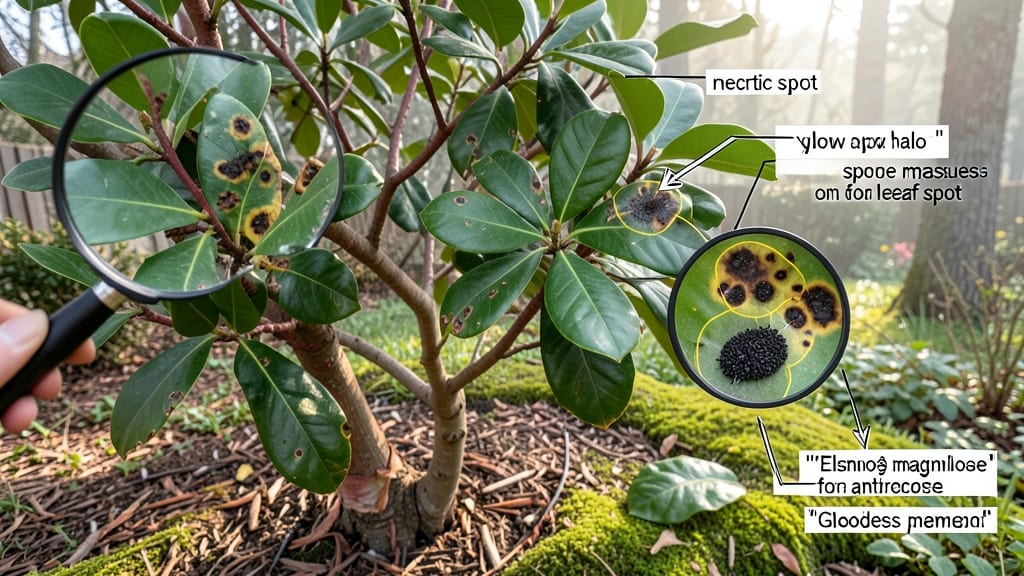
Magnolia leaf spot diseases turn those glossy, dark-green leaves into a sad, spotted mess—🌿 and I’ve seen it ruin a perfectly healthy tree in just a few weeks. The culprits? Fungal pathogens like Elsinoë or Gloeodes that thrive in damp, humid conditions, often showing up as dark, greasy-looking spots with yellow halos. What starts as a few unsightly marks can quickly spread, weakening your tree and leaving it vulnerable to other issues.
The good news? This problem is 100% preventable with the right mix of cultural practices and targeted treatments. Proper spacing, pruning for airflow, and removing infected leaves before they drop can cut the risk dramatically.
If spots appear, a copper fungicide spray or neem oil solution (applied every 7–10 days) stops the spread fast—no harsh chemicals needed for most cases.
By the time you’re done, your magnolia’s foliage will look spotless and vibrant again, with new growth pushing out free of those unsightly marks. The key is acting early—once the disease takes hold, even the best fungicides struggle to fully reverse the damage.
Think of it as a quick reset for your tree’s health.
Works for all magnolia varieties, from small dwarf types to towering Southern beauties. Here’s how to tackle it step by step—without losing your sanity (or your tree).
Root Causes of Leaf Spot
Magnolia leaf spots aren’t just random blemishes—they’re a cry for help from your tree, often triggered by a mix of environmental stress, fungal invaders, and poor cultural practices.
Understanding the why behind these unsightly marks is the first step to reclaiming your magnolia’s lush, disease-free foliage. Let’s break down the key culprits and their science-backed explanations.
Leaf spot diseases on magnolias are primarily caused by fungal pathogens, with Gloeodes pomigena (anthracnose), Cercospora spp., and Phyllosticta spp. being the most notorious. Here’s how they hijack your tree:
- Spores in the air: Fungi release lightweight spores that hitch rides on wind, rain, or even garden tools. Once they land on wet leaves, they germinate and penetrate the leaf surface through natural openings like stomata or wounds.
- Moisture-loving microbes: High humidity (above 75%) and prolonged leaf wetness (12+ hours) create the perfect breeding ground. Fungal hyphae thrive in these conditions, spreading rapidly and forming the characteristic spots.
- Seasonal triggers: Spores are most aggressive during spring and fall, when temperatures hover between 60–80°F (15–27°C) and rainfall is frequent. This is why leaf spots often flare up after a damp spring shower.
💡 Pro Tip: Remove fallen leaves and debris in autumn—this cuts off overwintering sites for fungal spores, reducing next year’s infection risk by up to 60%.
Leaf spots don’t just appear—they’re often weather-dependent. Specific conditions act as catalysts:
| Condition | How It Helps Fungi | Actionable Fix |
|---|---|---|
| 🌧️ Heavy Rainfall | Washes spores onto leaves and keeps them wet, promoting germination. | Improve drainage around the tree’s root zone to reduce soil-borne spore splash. |
| ☁️ High Humidity | Slows leaf drying, extending the window for fungal growth. | Space trees for airflow (3–5 feet between canopies) and prune for sunlight penetration. |
| 🌡️ Temperature Swings | Stresses the tree, weakening defenses (e.g., late frosts followed by warm rains). | Mulch with 2–3 inches of organic mulch to stabilize soil temps and protect roots. |
⚠️ Warning: Avoid overhead watering in the evening—wet leaves overnight are a fungal buffet. Water at the base of the tree before 10 AM.
A magnolia under stress is like an open door for pathogens. Common stressors include:
- Nutrient deficiencies: Low nitrogen or iron (chlorosis) weakens cell walls, making leaves easier targets. Test soil pH—magnolias prefer 4.5–6.0.
- Compacted or waterlogged soil: Roots struggle to absorb water/nutrients, leading to stunted growth and susceptibility. Amend soil with compost or sand for drainage.
- Physical damage: Pruning wounds or hail scars create entry points for fungi. Always sterilize tools with 70% isopropyl alcohol between cuts.
- Pests: Magnolia scale or webworms feed on sap, creating wounds that fungi exploit. Monitor for sticky honeydew (a pest red flag).
🌿 Quick Fix: Fertilize in early spring with a balanced 10-10-10 formula to boost vigor before fungal spores peak.
Even the most resilient magnolias can succumb to leaf spots when basic care is neglected. Common human-caused triggers:
- Overcrowding: Dense plantings trap moisture and limit airflow, ideal for fungal spread. Prune to open the canopy and remove lower branches.
- Improper pruning: Cutting too late in the season (after June) encourages new growth vulnerable to fall infections.
- Ignoring fallen leaves: Infected debris on the ground releases spores back onto the tree. Rake and compost or dispose of leaves promptly.
- Using contaminated tools: Fungal spores linger on pruners. Clean blades with bleach (1 part bleach:9 parts water) between trees.
🔥 Hot Tip: If your magnolia is young or newly planted, prioritize preventative fungicides (like copper-based sprays) during rainy seasons to build a protective barrier.
Quick Fixes for Leaf Spot Woes
Reviving your magnolia’s lush foliage starts with targeted action—whether you’re dealing with anthracnose, powdery mildew, or bacterial leaf spot, the right approach can stop the damage in its tracks.
Below, we break down cause-specific solutions, from immediate fixes to long-term prevention, so your magnolia stays vibrant and disease-free.
🔥 Step 1: Prune Infected Leaves
Remove all spotted, yellowed, or dead leaves—do not compost them (fungi can survive).
Use sterilized pruners (wipe with 70% isopropyl alcohol) to avoid spreading spores. Pro Tip: Prune on a dry, sunny day to help wounds dry faster and reduce fungal growth. ✨
🍳 Step 2: Apply a Fungicide Blend
For anthracnose (dark, sunken spots) or powdery mildew (white, fuzzy patches), use a copper-based fungicide (like Copper Sulfate) or a neem oil solution (1 tbsp neem oil + 1 quart water + a drop of dish soap).
Spray both sides of leaves and the undersides where spores hide.
| Fungicide | Best For | How to Use |
|---|---|---|
| Copper Fungicide | Anthracnose, Alternaria | Spray every 7–10 days until new growth appears. |
| Neem Oil | Powdery Mildew, Early Stages | Mix weekly and apply at dusk to avoid burning leaves. |
| Baking Soda Spray | Powdery Mildew (Mild Cases) | 1 tsp baking soda + 1 quart water + few drops of soap. Spray every 10 days. |
👨🍳 Step 3: Improve Airflow & Light
Fungi thrive in shady, damp conditions. Thin out dense branches to allow sunlight and airflow to reach the center of the plant. If your magnolia is in a low-light spot, consider relocating it or pruning nearby trees/shrubs.
🔪 Step 1: Sterilize & Remove Severely Infected Leaves
Bacterial spots (tiny, water-soaked lesions) spread fast. Cut off heavily infected leaves and sterilize tools between cuts. Do not use compost—burn or trash infected plant material.
🥘 Step 2: Use a Copper Bactericide
Unlike fungi, bacteria need copper-based bactericides (like Copper Hydroxide). Follow label instructions, but reapply every 7–14 days during wet seasons. Avoid overhead watering to prevent splashing bacteria onto leaves.
🌡️ Step 3: Boost Plant Health
Bacterial infections often strike stressed plants.
Give your magnolia: - Balanced fertilizer (10-10-10) in early spring. - 1–2 inches of mulch (keep it 6 inches away from the trunk) to retain moisture without suffocating roots. - Regular watering at the base (avoid wetting foliage).
💡 Year-Round Care
- Sanitize tools before and after pruning (rubbing alcohol works).
- Clean up fallen leaves in autumn—fungi and bacteria overwinter in debris.
- Avoid overhead irrigation—use drip irrigation or water at the base.
🎯 Seasonal Checkups
- Spring: Apply a preventative fungicide before buds swell.
- Summer: Monitor after heavy rain—spores spread quickly in humidity.
- Fall: Remove all diseased leaves before winter dormancy.
✨ Extra Defense for High-Risk Trees
If your magnolia is in a humid climate or near other infected plants, consider:
- Reflective mulch (aluminum foil under mulch) to reduce soil moisture.
- Spacer plants (like marigolds) to deter fungal spores naturally.
By acting fast and consistently, you can reverse leaf spot damage and protect your magnolia for years. The key? Early detection + proper fungicide use + better growing conditions. Your tree will thank you with glossy, spot-free leaves come next season! 🌿💚
Frequently asked questions about magnolia leaf spot
What do magnolia leaf spot infections look like?
Leaf spot on magnolias typically appears as dark brown or black spots with yellow halos on the leaf surface. Some varieties show greasy-looking lesions or powdery white patches (powdery mildew). The spots often start small but can merge and cause leaves to yellow or drop prematurely.
Can I save my magnolia if leaf spots are already spreading?
Yes! Act fast by pruning infected leaves (sterilize tools first) and applying a copper fungicide every 7–10 days. Improve airflow by thinning dense branches and watering at the base. With consistent care, new growth will emerge spot-free in 4–6 weeks.
Why does my magnolia get leaf spot every year?
Recurring leaf spot usually means fungal spores overwinter in fallen leaves or soil. To break the cycle, clean up debris in autumn, improve drainage, and apply a preventative fungicide in spring before buds swell. High humidity or poor airflow also encourages reinfection.
Is neem oil safe to use on magnolias?
Neem oil is organic and effective against early-stage leaf spot. Mix 1 tablespoon per quart of water with a drop of soap, and spray both leaf sides. Apply at dusk to avoid leaf burn, and reapply every 7–10 days during wet seasons.
How can I tell if my magnolia has leaf spot or just sunburn?
Leaf spot spots are dark and often greasy, while sunburn appears as dry, crispy brown patches on leaf edges. Sunburn also occurs on only one side of the leaf (exposed to direct sun), whereas leaf spot affects both sides. Check for yellow halos—a classic leaf spot sign.