
Leaf Blower
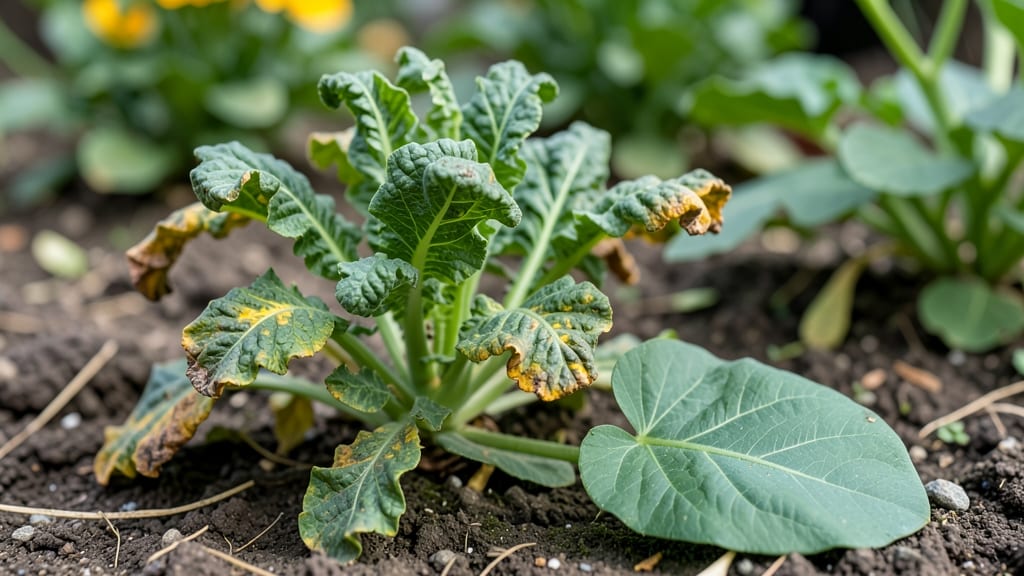
Your marigolds' crispy, curled edges are screaming for help—and copper fungicide might be the answer. 🌿 That unsightly leaf curl isn’t just cosmetic; it’s a sign your plants are fighting fungal infections or environmental stress, and the damage gets worse when ignored.
I’ve nursed back dozens of marigolds from this exact problem, and the key is acting fast with the right treatments.
The culprits are usually powdery mildew, downy mildew, or even a virus like cucumber mosaic, but don’t rule out overwatering or poor airflow either. Those crispy edges start as tiny bumps along the leaf veins before curling inward, and if you wait too long, the whole plant weakens.
The good news? Copper fungicide works on fungal issues, and adjusting watering habits can turn things around in just a few weeks.
Start by pruning the worst-affected leaves (don’t compost them!) and spraying a copper fungicide at dusk when humidity is high—this stops the spread and gives your marigolds a fighting chance.
Pair it with neem oil for extra protection, and make sure your plants get morning sun and afternoon shade to dry out faster. Within 10-14 days, you’ll see new growth pushing through, crisp-free and vibrant.
For stubborn cases, repeat the fungicide every 7-10 days until new leaves emerge fully healthy. If the curl persists after two treatments, it might be a virus—time to replace those plants and focus on prevention next season.
The secret? Space your marigolds properly and avoid overhead watering to keep foliage dry.
Root Causes Of Leaf Distortion
Understanding why your marigolds develop leaf curl—and that telltale crispy edge—starts with identifying the primary triggers behind this frustrating plant behavior. While copper fungicides (like the ones we’ll discuss later) can help treat the issue, pinpointing the real culprits ensures long-term prevention.
Below, we break down the most common reasons your marigolds might be throwing a "curl party" and how each one disrupts their health.
Marigolds are tough, but extreme heat (especially above 90°F/32°C) or sudden temperature swings can force leaves to curl as a survival mechanism.
Here’s why: - Water loss acceleration: High heat increases transpiration (water evaporation through leaves), causing edges to dry out and crisp. - Photosynthesis overload: Too much sunlight without adequate water stresses the plant’s cellular structure, leading to distorted growth. - Soil moisture imbalance: Dry, compacted soil traps heat near roots, while sudden watering shocks the system.
Actionable fix: Mulch heavily with organic matter (like straw or shredded leaves) to retain moisture and regulate soil temperature. Water deeply in the early morning to reduce evaporation.
Viruses like Marigold Mosaic Virus (MMV) or Tomato Yellow Leaf Curl Virus (TYLCV) are notorious for causing leaf curl.
These pathogens: - Hijack plant cells: They insert their genetic material into host cells, disrupting normal protein production and leading to stunted, curled growth. - Spread via vectors: Aphids, whiteflies, or even contaminated tools can transmit viruses from plant to plant. - Weakened immunity: Infected plants become more susceptible to secondary fungal/bacterial infections.
Red flag: Look for yellowing patterns (mosaic-like) or stunted new growth alongside curling. No cure exists—remove infected plants immediately and disinfect tools with 70% isopropyl alcohol.
Fungi like Alternaria leaf spot or Powdery Mildew thrive in humid conditions and can trigger leaf curl as a symptom.
Their damage includes: - Cell wall disruption: Fungal hyphae (thread-like structures) invade leaf tissue, causing cells to swell or collapse unevenly. - Spore buildup: Visible white powder (mildew) or dark spots (Alternaria) often appear alongside curling. - Blocked stomata: Fungal growth clogs leaf pores, preventing gas exchange and forcing leaves to curl to "conserve" resources.
Actionable fix: Apply copper fungicides (like copper hydroxide or copper soap) as a preventive spray every 7–10 days during humid periods. Avoid overhead watering to reduce fungal spores in the air.
Marigolds despise inconsistent moisture.
Both overwatering and underwatering can cause leaf curl: - Overwatering: - Root rot: Soggy soil cuts off oxygen to roots, triggering stress signals that manifest as curling. - Nutrient dilution: Excess water leaches essential minerals (like magnesium or potassium), leading to edge crispiness. - Underwatering: - Cell dehydration: Leaves curl inward to minimize water loss, while edges turn brown and brittle.
Pro tip: Stick your finger 1–2 inches into the soil—if it’s dry, water; if it’s damp, wait. Use drip irrigation or soaker hoses to deliver water directly to roots.
Lack of key nutrients can mimic viral or fungal symptoms.
Watch for these signs: - Magnesium deficiency (interveinal chlorosis): Leaves curl and develop yellow patches between veins. - Potassium deficiency: Edges brown and crisp, while leaves curl upward (a classic "potassium burn" look). - Nitrogen deficiency: Pale, curled new growth indicates the plant can’t produce enough chlorophyll.
Fix it fast: Apply a balanced fertilizer (10-10-10 or 5-10-10) or a Epsom salt spray (1 tbsp/gallon) for magnesium. Avoid over-fertilizing—marigolds prefer lean soil!
Sap-sucking pests like aphids, spider mites, or whiteflies inject toxins while feeding, causing leaves to curl and distort.
Their damage includes: - Saliva irritation: Aphids inject enzymes that disrupt cell function, leading to curled, sticky leaves (check for honeydew). - Webbing: Spider mites create fine webs on undersides, stunting growth and causing curling. - Stunted growth: Heavy infestations weaken the plant’s ability to photosynthesize, triggering stress responses.
Pest patrol: Blast off pests with a soapy water spray (1 tsp mild soap + 1 quart water) or introduce beneficial insects (ladybugs, lacewings). Neem oil also disrupts their life cycles.
Revive Your Marigolds Naturally
If your marigolds are sporting curled, crispy edges or stunted growth, don’t toss them just yet! With the right approach, you can nurse them back to health—and even prevent future issues.
Below, we’ve mapped out practical fixes tailored to the most common causes of leaf curl, from viral infections to environmental stressors. Plus, we’ll share prevention tips to keep your marigolds thriving season after season.
If the curl is accompanied by yellowing, stunted growth, or white powdery spots, a pathogen might be to blame. Here’s how to tackle it:
🔥 Immediate Fixes:- Copper fungicide spray: Apply a copper-based fungicide (like copper sulfate or copper hydroxide) every 7–10 days for 3–4 weeks. This disrupts fungal spores and weakens viruses. Pro tip: Spray in the early morning to avoid burning leaves in direct sunlight. 🌞
- Neem oil treatment: Mix 1 tbsp neem oil + 1 tsp mild soap per quart of water, then spray on affected leaves. Neem acts as both a fungicide and a viral suppressant. Reapply every 5–7 days until symptoms improve.
- Remove infected leaves: Snip off severely curled or spotted leaves with clean pruners and dispose of them in the trash (not compost). This stops the spread.
- Rotate crops: Avoid planting marigolds in the same spot yearly—this breaks the cycle of soil-borne pathogens.
- Improve airflow: Space plants 12–18 inches apart and prune nearby foliage to reduce humidity around leaves.
- Water at the base: Avoid overhead watering, which spreads fungal spores. Use a drip system or water early in the day.
Soggy soil or compacted roots can cause leaves to curl as a stress response. Here’s how to correct it:
👨🍳 Quick Fixes:- Check the soil: Stick your finger 2 inches deep—if it’s damp, hold off on watering. Marigolds prefer well-draining soil and can tolerate drought better than soggy roots.
- Amend the soil: Mix in perlite or coarse sand (1 part to 3 parts soil) to improve drainage. For containers, ensure pots have drainage holes.
- Adjust watering: Water deeply but infrequently—once a week is often enough, depending on climate. Morning watering reduces evening dampness.
- Test your soil: If it’s heavy clay, raise beds or plant in raised containers.
- Mulch lightly: Use straw or shredded leaves (1–2 inches) to retain moisture without suffocating roots.
- Monitor weather: Skip watering if rain is forecast within 24 hours.
Yellowing between veins, purple stems, or slow growth? Your marigolds might be hungry. Fix it with targeted feeding:
🔪 Solution Steps:- Soil test first: Use a home soil test kit (or send a sample to a local extension office) to identify deficiencies.
- Fix nitrogen (for yellowing leaves):
- Apply blood meal (2 tbsp per plant) or fish emulsion (1 tbsp per gallon of water).
- Use compost tea as a gentle, organic boost.
- Fix magnesium (for yellow between veins):
- Sprinkle Epsom salt (1 tbsp per gallon of water) around the base and water in.
- Reapply every 4–6 weeks during the growing season.
- Fix zinc (for stunted growth):
- Use a zinc sulfate spray (1 tsp per gallon of water) or chelated zinc granules in the soil.
- Fertilize lightly but regularly: Use a balanced 10-10-10 fertilizer every 4–6 weeks during active growth.
- Avoid over-fertilizing: Too much nitrogen can burn roots—follow package instructions.
- Use organic matter: Mix in compost or worm castings at planting time for long-term nutrition.
Marigolds curl up when they’re too hot, too dry, or under pest attack. Here’s how to soothe them:
🌡️ Cooling & Protecting Steps:- Shade cloth (for extreme heat): If temps hit 90°F+, drape lightweight shade cloth (30–50%) over plants for a few hours daily.
- Mulch heavily: Apply 2–3 inches of mulch (straw or wood chips) to retain moisture and cool roots.
- Windbreaks: If your garden is windy, plant marigolds near a hedge, fence, or tall companion plants (like sunflowers).
- Pest control:
- Spray soapy water (1 tsp mild soap per quart) on aphids or spider mites.
- Introduce ladybugs or predatory mites for natural pest management.
- Choose heat-tolerant varieties like ‘French Marigold’ or ‘African Marigold’ for hot climates.
- Water deeply in the morning to help plants withstand heat stress.
- Inspect plants weekly for early signs of pests (tiny webs, chewed leaves).
Final Thought: Most marigold leaf curl issues are reversible with consistent care. Start with the most likely cause (soil, water, or pathogens), apply the fix, and monitor progress. With a little TLC, your marigolds will bounce back—and you’ll have crisp
Frequently asked questions
Can copper fungicide harm beneficial insects in my garden?
Copper fungicides are generally safe for most beneficial insects when used correctly. However, they can harm bees and other pollinators if applied during active blooming. Always spray after sunset when pollinators are less active, and avoid treating flowers directly. For extra protection, focus applications on the undersides of leaves where fungal spores hide.
How do I tell if my marigold's leaf curl is from a virus or fungal infection?
Viral infections (like cucumber mosaic) often show yellow mosaic patterns on leaves, stunted growth, and no visible powdery residue. Fungal issues (powdery mildew) appear as white powdery spots on leaf surfaces and spread rapidly in humid conditions. Check for these clues: viruses cause systemic yellowing, while fungi create surface growth you can wipe off with your finger.
Will pruning curled leaves help my marigold recover faster?
Yes! Removing severely curled leaves improves airflow and redirects the plant's energy to new growth. Use clean pruners to snip off affected foliage at the base, and dispose of them in the trash (not compost). This prevents pathogen spread and encourages the plant to focus on producing healthy new leaves within 2-3 weeks. Just avoid removing more than 30% of the foliage at once.
Can I use baking soda as a home remedy for marigold leaf curl?
Baking soda can help with powdery mildew (a common fungal cause of leaf curl) when mixed with water and a drop of dish soap. Use 1 teaspoon baking soda + 1 quart water + 1 drop soap, spray on leaves, and reapply every 7-10 days. However, it won't work for viral infections or nutrient deficiencies. For best results, combine with copper fungicide for fungal issues.
How often should I check my marigolds for early signs of leaf curl?
Inspect your marigolds weekly during the growing season, paying special attention to new growth. Early signs include tiny bumps along leaf veins or slight yellowing between veins. Check the undersides of leaves for pests or fungal spores. Morning inspections work best when leaves are dry and dew isn't present.