
Pests and Diseases
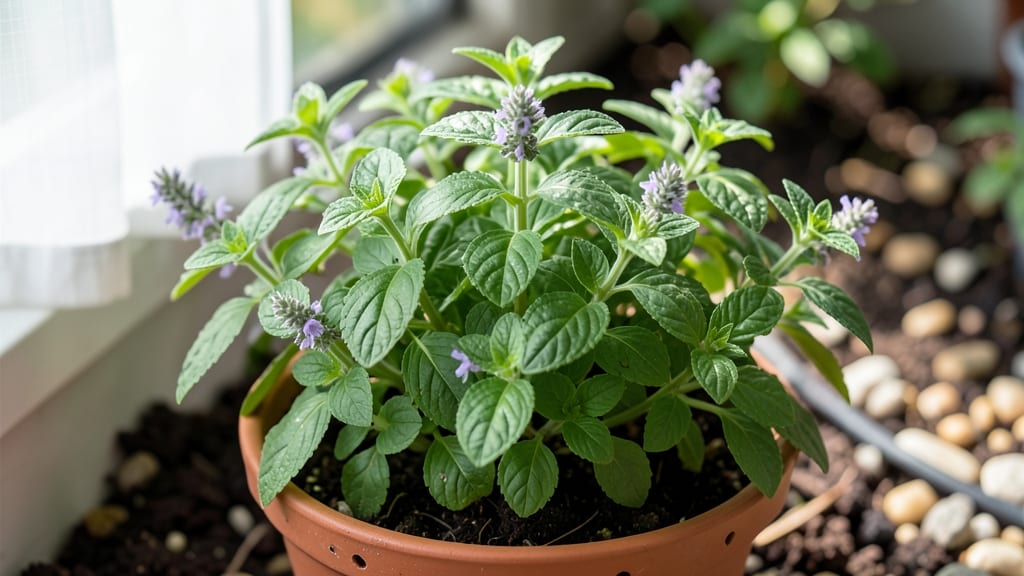
Understanding mint leaf and scent leaf reveals key botanical and functional differences: mint leaf comes from Mentha species (like peppermint or spearmint) with a bold, menthol-heavy aroma, while scent leaf (Coleus amboinicus) delivers a sweeter, citrusy fragrance perfect for ornamental use. Both plants thrive in similar conditions but excel in distinct roles—culinary, decorative, or pest-repellent.
When you're comparing these two plants, the first thing to notice is their botanical families: mint belongs to the Mentha genus, while scent leaf is Coleus amboinicus—a completely different species. 🌿 The chemical compounds also vary: mint contains high levels of menthol, giving it that classic cooling punch, whereas scent leaf releases limonene, which is why it smells more like citrus.
In my garden, I use mint near the kitchen for cooking, while scent leaf borders my flower beds for its fragrant foliage. Both repel pests, but mint’s strong aroma works better for deterring ants, while scent leaf’s milder scent appeals to pollinators.
Beyond their scents, these plants serve different purposes in the garden. Mint spreads aggressively and often needs containment, making it ideal for ground cover or containers. Scent leaf, on the other hand, grows more upright and is perfect for borders or hanging baskets.
In the kitchen, mint shines in savory dishes, teas, and cocktails, while scent leaf’s sweeter notes make it a great addition to desserts or fruit salads. The key takeaway? Choose mint for bold flavors and pest control, and scent leaf for ornamental beauty and subtle sweetness.
💡 In This Article
- Botanical and Fragrance Differences Between Mint and Scent Leaf
- Practical Uses for Mint Leaf vs. Scent Leaf in Gardens and Kitchens
Botanical and fragrance differences between mint and scent leaf
The core difference between mint and scent leaf lies in their botanical families and chemical compositions. Mint belongs to the Mentha genus, which includes over 25 species like peppermint (Mentha × piperita) and spearmint (Mentha spicata).
These plants produce menthol, a compound that gives mint its signature cooling sensation and strong herbal aroma.
In contrast, scent leaf (Coleus amboinicus) belongs to the Lamiaceae family but contains limonene, a citrusy terpene responsible for its sweeter, more floral fragrance. 🌿 While mint's menthol content can reach up to 40% in peppermint, scent leaf's limonene concentration is typically around 10-15%, making its scent milder but more versatile for ornamental use.
These chemical differences translate to distinct aromatic profiles that influence their uses. Mint's menthol creates a sharp, refreshing scent that's immediately recognizable—think of the crisp aroma of a mojito or a freshly brewed mint tea.
Scent leaf, however, emits a sweeter, almost lemony fragrance that lingers longer in the air, making it ideal for garden borders or as a natural air freshener. The limonene in scent leaf also contributes to its antimicrobial properties, which are different from mint's menthol-based pest-repellent effects.
For example, while mint effectively deters ants and mosquitoes, scent leaf's citrusy notes attract beneficial pollinators while still keeping pests at bay.
The growth habits of these plants further highlight their differences. Mint spreads aggressively through rhizomes, underground stems that can grow up to 2 feet per year if unchecked, making it ideal for ground cover but requiring containment in gardens.
Scent leaf, however, grows more upright with woody stems that can reach 2-3 feet tall, making it perfect for borders or hanging baskets. 🌱 This growth difference also affects their harvesting methods: mint leaves are best picked from the top to encourage bushier growth, while scent leaf's stems can be pruned to maintain shape and encourage denser foliage.
Another key distinction is their pest-repellent mechanisms. Mint's high menthol content makes it a powerhouse for deterring insects like ants, spiders, and even rodents, thanks to the compound's neuroactive properties that disrupt pests' sensory systems.
Scent leaf, while also effective, works more subtly by masking attractive scents with its citrusy aroma. For instance, placing scent leaf near fruit trees can confuse fruit flies, while mint planted near vegetable gardens repels cabbage moths.
The choice between the two often depends on whether you need strong deterrence (mint) or subtle protection (scent leaf).
Finally, their culinary and medicinal applications diverge based on these botanical traits. Mint's menthol is prized in digestive aids, muscle rubs, and respiratory treatments due to its cooling and anti-inflammatory effects.
Scent leaf, with its limonene, is often used in flavoring syrups, teas, and desserts, where its sweeter profile shines.
For example, a mint-based mojito relies on the plant's sharp, refreshing notes, while a scent leaf-infused lemonade benefits from its citrusy sweetness. 🍋 Understanding these differences helps you choose the right plant for your specific needs, whether it's bold flavor or delicate fragrance.
One advanced consideration is cross-pollination: since mint and scent leaf are unrelated, they won't hybridize, but their similar growth conditions can lead to confusion in gardens.
To avoid mixing them, label plants clearly and harvest leaves separately, as scent leaf's sweeter notes can mute mint's intensity when combined in cooking. For instance, using both in a pesto might result in a less distinct flavor profile than using mint alone.