
Pests and Diseases
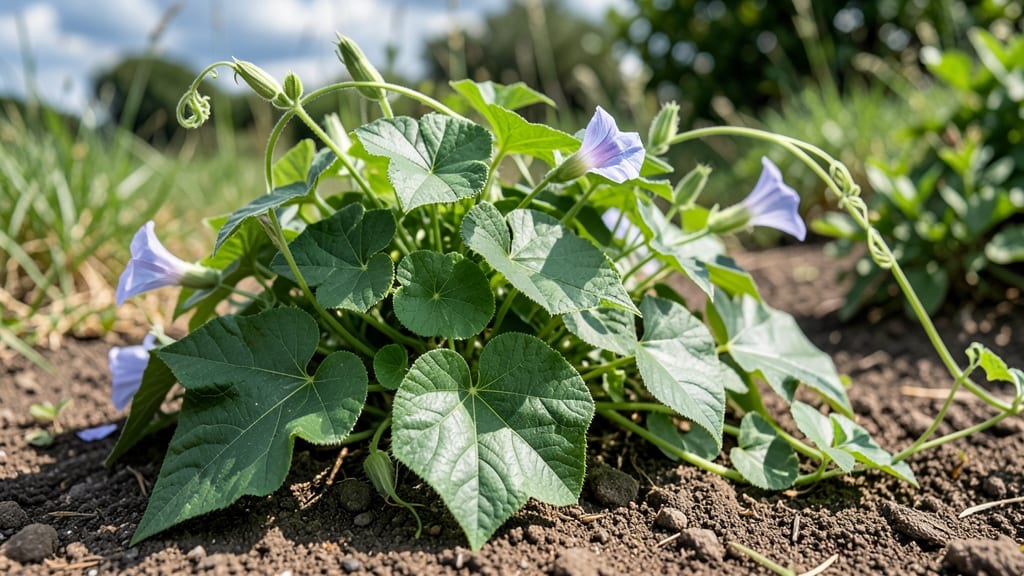
Morning glory leaf identification is crucial when those heart-shaped, pointed-lobed leaves start showing brown edges or fungal spots—because you need to act fast. 🌿 I’ve spent years watching these vines transform from lush green to ragged messes, and the first step to saving them is knowing what you’re actually looking at.
The key is the leaf’s distinctive veins that fan out from the base, paired with smooth, slightly wavy edges. Bindweed leaves look similar but have three lobes instead of two, while sweet potato vine leaves are broader with rounded edges.
Confusing them can mean treating the wrong plant—or worse, mistaking a toxic look-alike. Once you’ve confirmed it’s morning glory, check for yellowing between veins (fungal spots) or crispy brown edges (underwatering or pests).
The fix depends on the problem: prune infected leaves, adjust watering, or apply neem oil for fungal issues. Accurate ID matters because morning glory is non-toxic but invasive, while some look-alikes (like moonflower) can be toxic if ingested.
Spot the difference early, and you’ll keep your vines climbing—and your garden thriving.
Understanding Leaf Damage Causes
Morning glory vines are vibrant, fast-growing plants that can quickly become a garden favorite—but when their leaves start showing spots, brown edges, or other distressing signs, it’s often a cry for help.
Understanding the why behind these symptoms is the first step to saving your plants. Below, we break down the most common culprits, explained in clear, actionable terms.
Fungi thrive in moist, humid conditions, making them a top suspect when morning glory leaves develop dark spots, powdery coatings, or yellowing. Here’s how they strike:
- Downy Mildew 🌧️🍃 - What happens: This fungal pathogen creates purplish-gray fuzz on leaf undersides and yellow patches on top. It spreads rapidly in cool, damp weather. - Why it happens: Spores splash from soil or infected leaves during rain or overhead watering.
Morning glories, with their broad leaves, provide perfect fungal real estate. - Actionable fix: Space plants for airflow, water at the base (not overhead), and apply copper fungicide at the first sign.
- Anthracnose 🔥🍂 - What happens: Small, sunken brown spots with yellow halos appear, often with a greasy sheen. Severe cases cause leaf drop. - Why it happens: The fungus Colletotrichum enters through wounds (like insect bites) or natural openings.
Warm, wet conditions (70–85°F) accelerate its growth. - Actionable fix: Remove infected leaves immediately, sterilize pruners with rubbing alcohol, and avoid overhead irrigation.
- Powdery Mildew ❄️✨ - What happens: A white, powdery coating (like flour dust) appears on leaves, stunting growth and reducing photosynthesis. - Why it happens: This fungus loves high humidity and poor airflow.
Morning glories in shaded or crowded areas are prime targets. - Actionable fix: Prune for sunlight exposure, spray with baking soda solution (1 tsp baking soda + 1 quart water + a drop of soap), or use neem oil.
Tiny pests can cause chewed edges, holes, or sticky residue on morning glory leaves, weakening the plant and inviting secondary infections.
- Spider Mites 🕷️🌿 - What happens: Leaves develop bronze or silver stippling, webbing, and brown, crispy edges—especially in dry, hot weather. - Why it happens: These microscopic pests suck plant sap, causing chlorophyll loss.
They multiply rapidly when plants are stressed (e.g., drought or over-fertilization). - Actionable fix: Blast leaves with water to dislodge mites, introduce predatory mites or ladybugs, or spray soapy water (1 tsp mild soap per quart of water).
- Japanese Beetles 🐞🍃 - What happens: Leaves show irregular holes and a skeletonized appearance (veins remain, but tissue is eaten away). - Why it happens: Adult beetles chew leaves aggressively, while larvae (grubs) feed on roots.
They’re most active in late summer and target healthy, lush foliage. - Actionable fix: Handpick beetles into soapy water, use neem oil, or apply milky spore powder (a natural larvicide).
- Aphids 🐜💧 - What happens: Leaves curl, turn yellow, or develop sticky honeydew (leading to sooty mold). New growth may be stunted. - Why it happens: Aphids thrive in new shoots and excrete honeydew, which attracts ants and fungi.
They reproduce quickly in warm conditions. - Actionable fix: Spray with water + a few drops of dish soap, introduce ladybugs, or use insecticidal soap.
Sometimes, leaf damage isn’t from pests or disease—but from environmental factors that stress the plant.
- Overwatering or Poor Drainage 💦😵 - What happens: Leaves develop yellowing (chlorosis), brown edges, or mushy spots as roots suffocate. - Why it happens: Morning glories prefer well-draining soil.
Soggy conditions lead to root rot (fungal or bacterial), cutting off water/nutrient flow. - Actionable fix: Amend soil with perlite or compost, ensure pots have drainage holes, and water only when the top inch of soil is dry.
- Underwatering or Heat Stress 🔥🌞 - What happens: Leaves wilt, edges brown and crisp, and growth slows—especially in high heat (above 90°F). - Why it happens: Morning glories are drought-tolerant but still need consistent moisture.
Heat stress disrupts photosynthesis, causing oxidative damage. - Actionable fix: Mulch to retain moisture, water deeply in the early morning, and provide light shade during peak heat.
- Nutrient Deficiencies 🌱💀 - What happens: Leaves show specific discoloration: - Yellow between veins (iron deficiency, common in alkaline soil). - Purple stems/leaves (phosphorus deficiency). - Brown spots with green centers (magnesium deficiency). - Why it happens: Morning glories need balanced nutrients, especially in sandy or depleted soils.
Over-fertilizing with nitrogen can also burn roots. - Actionable fix: Test soil pH (aim for 6.0–7.0), apply chelated iron for chlorosis, or use a slow-release granular fertilizer (like 10-10-10).
Even well-meaning gardeners can cause leaf damage with overuse of chemicals or improper application.
- Fungicide/Pesticide Burn 💀🍄
- What happens: Leaves develop bleached spots, browning, or curling within days of treatment.
- Why it happens: Some chemicals (like copper-based fungicides) can be phytotoxic if applied in high heat, humidity, or when plants are stressed.
- Actionable fix: Always follow label rates, apply in early morning/evening, and avoid spraying when blooms are open.
- Salt or Fertilizer Burn 🧂🌱
- What happens: Leaves brown at tips or edges, with a crusty residue on soil.
- Why it happens: Over-salting soil (from tap water, synthetic fertilizers, or compost tea) disrupts osmosis, preventing roots from absorbing water.
- Actionable fix: Flush soil with rainwater, use rainwater or distilled water for sensitive plants, and switch to organic fertilizers.
A weak or compromised morning glory is more susceptible to damage. Common triggers include:
- Transplant Shock 🚜🌿
- What happens: New leaves yellow, wilt, or develop brown edges after repotting.
- Why it happens: Roots are damaged during transplanting, and the plant struggles to recover without proper water, shade, and root stimulants.
- Actionable fix: Water thoroughly before transplanting, prune 1/3 of foliage to reduce stress, and keep soil moist for 2 weeks.
- Competition for Resources 🌿🔄 - What happens: Leaves stunt, yellow, or develop weak spots when grown in crowded or invasive weed environments. - Why it happens: Morning glories need space to sprawl and access to sunlight/nutrients.
Competition stresses them out. - Actionable fix: Provide trellises or support, remove weeds within a 2-foot radius, and mulch heavily to suppress competitors.
Quick Fixes for Morning Glory Leaf Woes
Diagnosing morning glory leaf issues—whether it’s fungal spots, brown edges, or mysterious discoloration—is just the first step. The real game-changer? Knowing how to act fast. Below, we break down the most common problems, their fixes, and how to keep your vines thriving.
Think of this as your emergency repair kit for morning glory leaves!
Cause: Overwatering, poor airflow, or humidity-loving pathogens like Alternaria or Septoria turn leaves into a polka-dot disaster.
How to Fix It:
- 🔥 Prune the Problem Areas
- Snip off infected leaves immediately (don’t compost them—toss them in the trash). Use sterilized shears or scissors to avoid cross-contamination.
- Focus on leaves with more than 50% damage—salvage the rest if they’re mostly healthy.
- 🌡️ Adjust Your Watering Routine - Morning glory hates soggy roots. Water only when the top 1–2 inches of soil feel dry (stick your finger in—it’s the easiest test!). - Water at the base, not overhead.
Use a soaker hose or drip irrigation to keep foliage dry. - Pro tip: 💡 If your plants are in containers, ensure pots have drainage holes. No holes? Drill them—your vines will thank you.
- ✨ Fungicide Rescue (When Needed) - Preventative spray: Mix 1 tsp baking soda + 1 quart water + a drop of dish soap (the soap helps it stick).
Spray leaves underneath too—fungi love hiding there. - For severe cases: Use a copper fungicide (like Bonide Copper Fungicide) every 7–10 days until new growth appears.
Prevention:
- Space plants 12–18 inches apart for airflow.
- Avoid mulching too close to stems—keep it 2–3 inches away.
- Rotate crops if you grow morning glories yearly (fungi can linger in soil).
Cause: Too much sun, underwatering, or salt buildup (from tap water or fertilizers) can scorch leaves like a bad sunburn.
How to Fix It:
- 👨🍳 Check Your Watering Schedule
- Underwatering? Water deeply 2–3 times a week (more in extreme heat). Test soil moisture—if it’s bone-dry 3 inches down, it’s time to hydrate.
- Overwatering? Let the soil dry out completely between waterings. Stick to morning watering to reduce evaporation.
- 🌞 Shield from Harsh Sun - If your morning glories are in full sun (6+ hours/day), they might be getting sunburned.
Provide afternoon shade with a sheer cloth or move pots to a spot with dappled light. - Pro tip: 🌡️ If leaves feel paper-thin or brittle, it’s a sign of sun stress. Mulch with straw to keep roots cool.
- 🧼 Flush Out Salt Buildup
- Tap water lovers? Switch to rainwater or distilled water for a few weeks.
- Fertilizer burn? Rinse the soil with plain water (no fertilizer) for 2–3 days to leach out excess salts.
Prevention:
- Acclimate plants gradually if moving them from shade to sun (or vice versa).
- Use organic mulch (like wood chips) to regulate soil temperature.
- Avoid fertilizing in peak summer heat—stick to early spring or fall.
Cause: Pale or yellow leaves often mean nitrogen deficiency (common in fast-growing vines) or root damage from over-fertilizing.
How to Fix It:
- 📊 Soil Test First
- Grab a DIY soil test kit (or send a sample to your local extension office). Morning glories prefer slightly acidic to neutral soil (pH 6.0–7.0).
- Quick fix: If soil is too alkaline, amend with peat moss or pine needles.
- 💪 Fertilize Right
- Underfed? Use a balanced fertilizer (10-10-10) or fish emulsion every 4–6 weeks during growing season (spring–summer).
- Overfed? Stop fertilizing for 4–6 weeks and water thoroughly to flush out excess nutrients.
- 🌱 Boost with Compost
- Mix 1–2 inches of compost into the topsoil around your plants. Morning glories love organic matter for slow-release nutrients.
Prevention:
- Feed lightly—morning glories are moderate feeders. Too much nitrogen = lush leaves but few flowers.
- Rotate fertilizers between organic (compost, worm castings) and synthetic to avoid buildup.
Cause: Spider mites, aphids, or Japanese beetles turn leaves into swiss cheese or coat them in sticky honeydew.
How to Fix It:
- 🔪 Blast Off Pests
- Spider mites? Spray leaves with a strong stream of water (they hate humidity). Repeat every 3 days.
- Aphids/Japanese beetles? Knock them off with a soapy water spray (1 tsp mild soap per quart of water).
- 🌿 Introduce Beneficial Bugs
- Ladybugs eat aphids. Buy them online or attract them with dill or fennel plants.
- Neem oil spray (1 tsp neem oil + 1 quart water + drop of soap) smothers eggs and adults.
- 🍎 Physical Barriers
- Row covers (lightweight fabric) can block beetles and mites while allowing pollination.
- Sticky traps near plants catch flying pests.
Prevention:
- Inspect new plants before bringing them home.
- Remove debris (fallen leaves, weeds) where pests hide.
- Plant companion flowers like marigolds to repel pests naturally.
Final Pro Tip: 🎯 Act fast, but don’t panic. Most morning glory leaf issues are reversible with simple adjustments. Keep an eye on your plants, and they’ll reward you with vibrant blooms and lush growth all season long!
Frequently asked questions
How can I tell if a leaf is morning glory vs. bindweed?
Morning glory leaves have two pointed lobes with a smooth, slightly wavy edge, while bindweed leaves have three lobes and a more triangular shape. Check the veins too—morning glory leaves have a distinctive fan pattern from the base, whereas bindweed veins are more parallel.
Are morning glory leaves toxic to pets?
No, morning glory leaves are non-toxic to pets, but some look-alikes (like moonflower) can be harmful if ingested. Always confirm the plant type before letting pets near it, especially if they tend to chew on leaves.
What do healthy morning glory leaves look like?
Healthy leaves are deep green, heart-shaped with two pointed lobes, and have smooth edges. The undersides should be a lighter green without spots or webbing. If leaves are yellowing between veins, it may indicate iron deficiency or fungal issues.
Can I use morning glory leaves for tea or cooking?
While morning glory leaves are edible, they’re not commonly used in cooking due to their mild flavor. Some cultures use young shoots in stir-fries, but always harvest from pesticide-free plants and avoid bitter or discolored leaves. For tea, steep fresh leaves in hot water for a mild, earthy brew.
Why are my morning glory leaves curling?
Curling often signals underwatering, pest damage (like aphids), or heat stress. Check the soil moisture first—if dry, water deeply. Inspect leaves for tiny pests or sticky residue (honeydew). Provide afternoon shade if temperatures exceed 90°F.