
Trees
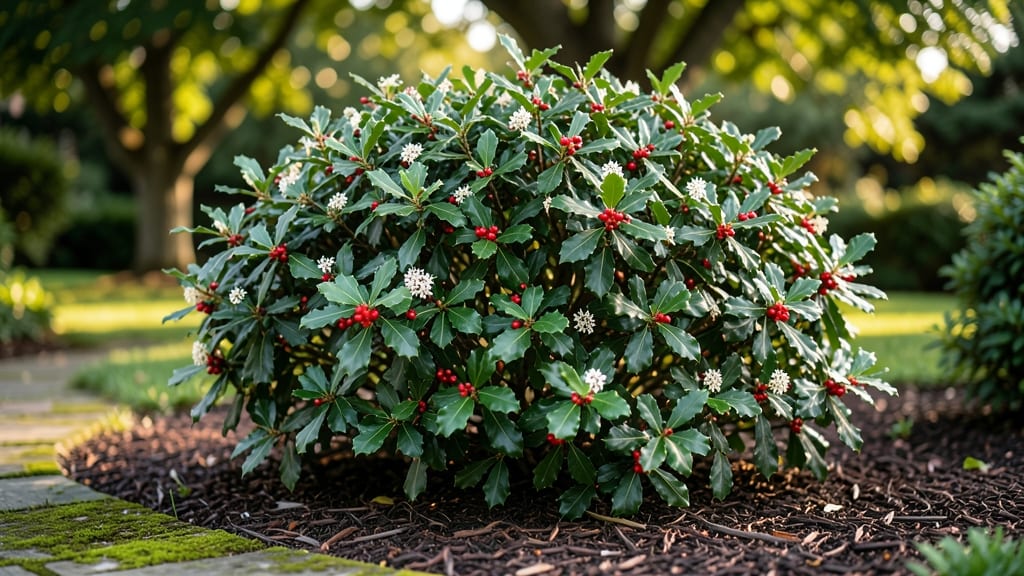
Growing oak leaf holly gives your yard year-round color without the fuss of seasonal swaps. 🌿 This evergreen shrub thrives in partial shade, handles drought better than most, and its glossy leaves stay vibrant even in winter—no dead branches or color fading.
The secret to its drama? Planting it in the right spot and giving it just enough water to keep roots happy, not soggy. The best part? It’s low-maintenance—no pruning unless you want to shape it, no fertilizing unless your soil is terrible, and no fussing over pests.
Just plant it in acidic, well-draining soil (think pine needles or composted leaves) and let it grow. In 3-5 years, you’ll have a lush, berry-laden shrub that birds adore and neighbors envy. Those bright red berries in winter? They’re the cherry on top.
They don’t require special care—they just appear after a few years, adding a pop of color when everything else is dormant. Plus, deer and rabbits usually leave it alone, so you won’t lose your investment to critters.
Whether you’re filling a shady corner, lining a driveway, or adding height to a foundation planting, oak leaf holly delivers effortless beauty. Here’s how to set it up for success—no green thumb required.
📚 In This Guide
- What you need
- Instructions
- Tips and common mistakes
- Wrapping up and next steps
What you need
- ● Oak leaf holly plants: 1–3 bare-root or container-grown saplings (choose Ilex × ‘Nellie R. Stevens’ or similar cultivars for classic glossy leaves).
- ● Well-draining soil: Mix 60% native soil + 30% compost + 10% perlite or sand (for sandy/heavy clay areas).
- ● Mulch: 2–3 inches of pine straw, cedar chips, or shredded bark (keep 6 inches away from the trunk).
- ● Slow-release fertilizer: 10-10-10 or 8-3-9 blend (1 lb per 100 sq ft of planting area).
- ● Watering can or hose: With a gentle spray nozzle (or a drip irrigation kit for efficiency).
- ● Shovel or trowel: For digging planting holes (12–18 inches wide/deep).
- ● Garden gloves: Heavy-duty to protect hands from thorns.
- ● Pruning shears: Sharp, sterilized shears (for shaping or cleanup).
- ● Measuring tape: To mark planting spots 15–25 feet apart (depending on mature size).
- ● Soil test kit: To check pH (oak leaf holly thrives in acidic soil, pH 5.0–6.0).
- ● Epsom salt: 1 tbsp per plant (annual boost for magnesium).
- ● Thorn-proof barrier: Wire mesh or fencing if planting near walkways.
- ● Decorative stakes: For marking young plants (e.g., bamboo or metal).
Step-by-step instructions for planting and caring for oak leaf holly
Here’s how to plant and nurture these stunning evergreens for lush, year-round color with almost no fuss.
🌱 Step 1: Choose the Perfect Planting Spot
Oak leaf holly thrives in full sun to partial shade, so pick a location that gets at least 4-6 hours of sunlight daily. Too much shade dulls the vibrant foliage, while too much direct sun can scorch leaves in hot climates. I always test the spot by observing how other plants grow there—if they’re healthy and green, it’s likely a good fit.
This plant tolerates a wide range of soil types but prefers well-draining soil with a slightly acidic pH (around 5.0-6.5). If your soil is heavy clay, amend it with 2-3 inches of compost before planting to improve drainage and nutrient availability. You’ll know the soil is ready when it crumbles easily in your hands without sticking together.
🪴 Step 2: Plant at the Right Depth and Spacing
Dig a hole twice as wide as the root ball but only as deep as the container’s root base. Gently remove the plant from its container and loosen any circling roots with your fingers—this encourages outward growth instead of a tangled mess. Place the plant in the hole so the top of the root ball sits 1 inch above ground level.
Backfill the hole with native soil, pressing lightly around the edges to eliminate air pockets. Space plants 6-10 feet apart for mature size, giving them room to grow without competing for nutrients. Water deeply immediately after planting to settle the soil and eliminate air gaps around the roots. You’ll see the soil settle slightly as it absorbs moisture—this is a good sign.
💧 Step 3: Water Deeply and Mulch for Retention
Water the newly planted oak leaf holly 1-2 times per week for the first month, providing 1-2 inches of water per session. After that, water only when the top 2 inches of soil feel dry to the touch. Overwatering is the biggest mistake—it causes root rot, which is nearly impossible to fix once it starts.
Spread a 2-3 inch layer of mulch around the base, keeping it 3 inches away from the trunk to prevent moisture buildup. Use pine straw, shredded bark, or wood chips—these break down slowly and improve soil structure over time. Replenish the mulch annually to maintain its insulating properties and suppress weeds.
☀️ Step 4: Prune for Shape and Health
Prune oak leaf holly in late winter or early spring before new growth begins. Remove any dead, diseased, or crossing branches first—these compete for resources and can weaken the plant. Cut back to just above a healthy bud or leaf node, making clean cuts with sharp pruners to avoid tearing the bark.
Shape the plant as needed, but avoid heavy pruning—oak leaf holly responds best to light, gradual trimming. You’ll see fresh, vibrant growth emerge within 4-6 weeks after pruning. If you notice leggy growth reaching for sunlight, it’s a sign the plant needs more light or a slight trim to encourage bushier growth.
✂️ Step 5: Fertilize Lightly for Long-Term Growth
Apply a balanced, slow-release fertilizer (like 10-10-10) in early spring when new growth begins. Follow the package instructions for application rates—over-fertilizing causes leaf burn and stress. I like to use organic options like compost or worm castings for a gentler nutrient boost without risk of chemical damage.
Skip fertilization in the fall and winter, as the plant enters dormancy. You’ll notice healthier foliage and more vibrant color the following year if the fertilizer is applied correctly. If leaves start turning yellow, it’s often a sign of over-fertilization—reduce the amount by half next time.
Tips & tricks for perfect oak leaf holly planting
Took me a while to figure these out, so here's how to avoid the most common pitfalls with oak leaf holly.
Sunlight Secret: While oak leaf holly thrives in 4-6 hours of sunlight, I've found the sweet spot is actually 5-6 hours for maximum vibrancy. In hot climates, provide afternoon shade to prevent leaf scorch—you'll notice the leaves turning yellowish-brown if they're getting too much direct afternoon sun. Morning sun is gentler and helps prevent this issue.
Soil Prep Strategy: When amending heavy clay soil with that 2-3 inches of compost, mix it thoroughly with the native soil—not just dumping it in the hole. The goal is to create a uniform blend that improves drainage throughout the root zone. I like to add a handful of perlite to the mix for extra drainage if my soil feels particularly dense.
Planting Depth Check: That 1-inch above ground level for the root ball is critical—any higher and the plant may dry out, any lower and roots could suffocate. Here's my trick: After placing the plant, gently press the surrounding soil. If you can see the root ball edges, it's too high. If soil covers the top, it's too low. The top of the root ball should be just barely visible when finished.
Watering Wisdom: For the first month, I set a timer to remind me to water every 3-4 days rather than relying on memory. The key is consistent moisture—not soggy soil. After the first month, stick your finger 2 inches into the soil—if it feels dry, it's time to water. This simple check prevents overwatering, which is the #1 killer of oak leaf holly.
Pro Tips for Oak Leaf Holly
- Took me a while to figure these out, so here's how to avoid the most common pitfalls with oak leaf holly.
- Sunlight Secret: While oak leaf holly thrives in 4-6 hours of sunlight, I've found the sweet spot is actually 5-6 hours for maximum vibrancy.
- Soil Prep Strategy: When amending heavy clay soil with that 2-3 inches of compost, mix it thoroughly with the native soil—not just dumping it in the hole.
Frequently asked questions
Got questions about growing Oak Leaf Holly? You’re not alone!
This hardy evergreen is a favorite for its glossy leaves and low-maintenance charm, but even the best plants have a few quirks. Below, we’ve rounded up the most common questions—and answers—to help you grow Ilex × ‘Nellie R. Stevens’ like a pro.
How fast does Oak Leaf Holly grow, and how big will it get?
Oak Leaf Holly is a slow-and-steady grower, adding just 12–24 inches per year under ideal conditions. At maturity, it typically reaches 20–30 feet tall with a 15–25-foot spread. If you prefer a smaller shrub, prune young plants aggressively—it responds well to shaping! Pro tip: Plant near a fence or wall if space is limited; it tolerates close trimming.
Is Oak Leaf Holly cold-hardy, and how do I protect it in winter?
Yes! This variety thrives in USDA Zones 7–9 and handles winter temps down to 0°F (-18°C) without fuss. However, young plants (<3 years old) may need mulch (3–4 inches) around the base to insulate roots. Avoid heavy snow buildup on branches—gently shake it off or use a broom. Bonus: Its dense foliage acts as a windbreak for nearby plants!
Why aren’t my Oak Leaf Holly leaves staying glossy, and how can I fix it?
Dull or yellowing leaves usually signal overwatering, underwatering, or nutrient deficiencies. Check soil moisture—water deeply but infrequently (1–1.5 inches per week, except in drought). For a quick boost, fertilize in early spring with a balanced, slow-release fertilizer (10-10-10). Pest alert: Spider mites or scale can also dull leaves—spray with horticultural oil if you spot webbing or sticky residue.
Can I grow Oak Leaf Holly in a container, and what’s the best pot size?
This holly adapts well to containers, making it perfect for patios or small yards. Use a pot at least 24–36 inches wide and deep with drainage holes, and swap out soil every 2–3 years for fresh, well-draining mix. Key tip: Move pots to partial shade in summer to prevent leaf scorch. Just remember—container-grown hollies may need more frequent watering and winter protection (wrap the pot in burlap!).
What are some low-maintenance alternatives to Oak Leaf Holly?
If you love the look but want even less fuss, consider these evergreen darlings:
- Dwarf Yaupon Holly (Ilex vomitoria ‘Nana’): Thrives in Zones 7–10, stays under 3 feet tall, and has red berries!
- Inkberry Holly (Ilex glabra): Native, shade-tolerant, and deer-resistant—ideal for wet soils.
- Boxwood (Buxus spp.): Compact, evergreen, and pruning-friendly (but needs more frequent trims).
- Japanese Holly (Ilex crenata ‘Green Lustre’): Dense, glossy, and drought-tolerant once established.
Wrapping up and next steps
Ready to transform your landscape into a lush, evergreen sanctuary with minimal effort? Oak Leaf Holly is your perfect match—its glossy foliage, year-round drama, and low-maintenance nature make it a standout choice for any garden.
Whether you’re a seasoned gardener or just starting, this versatile shrub delivers stunning results with just a little care.
🌱 Next step: Grab your gloves, pick your spot, and plant with confidence! Start small, observe its growth, and soon you’ll have a thriving, evergreen masterpiece that turns heads (and maybe even inspires your neighbors). Happy planting! 🌿