
Light Requirements
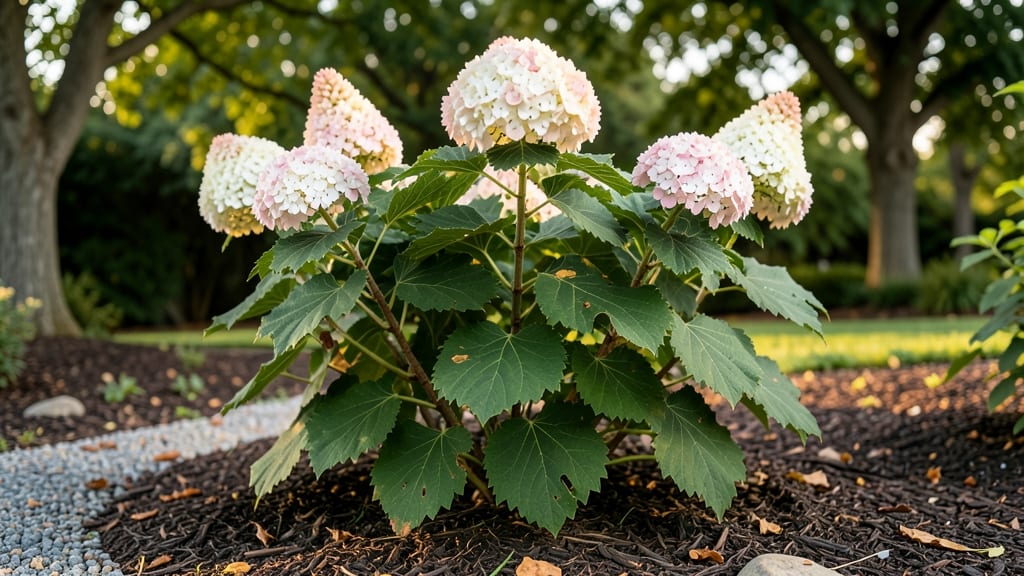
Oak leaf hydrangea sun requirements are all about finding the perfect balance between morning brightness and afternoon shade 🌿 — too much direct sun can turn those gorgeous leaves crispy, while too little steals their signature burgundy glow.
Struggling to keep your oak leaf hydrangea blooming as vibrantly as the pros? The secret often lies in mastering its sun requirements—too much shade dulls the foliage, while scorching afternoon rays can scorch those iconic leaves.
These shrubs thrive with 4 to 6 hours of sunlight daily, but the timing matters more than you might think. Morning sun builds energy, while afternoon shade protects delicate leaves from heat stress, especially in USDA Zone 6a climates.
Below, I’ll break down how to spot the right light conditions, adjust for different varieties, and keep your oak leaf hydrangea looking its best year-round—no guesswork required.

Optimal sunlight balance for oak leaf hydrangea growth and blooms
Oak leaf hydrangeas (Hydrangea quercifolia) thrive when given the perfect balance of sunlight—too much or too little can dramatically affect their foliage color and bloom production.
Unlike some hydrangeas that love full sun, these beauties prefer morning sun with afternoon shade, which prevents leaf scorch while still fueling vibrant growth. The ideal spot mimics their natural woodland understory habitat, where dappled light filters through taller trees.
Understanding the difference between morning sun vs. afternoon shade is key. Morning sunlight provides gentle warmth and energy for photosynthesis, while afternoon shade protects delicate leaves from intense UV rays and drying winds.
This balance ensures your hydrangea develops those stunning burgundy or deep green leaves that make it a showstopper in any garden. Without it, you might see pale, weak foliage or even leaf burn.
Here’s how different light conditions affect your oak leaf hydrangea’s growth and appearance:
If your oak leaf hydrangea is planted in a spot with full afternoon sun, consider adding a lattice or sheer curtain to filter harsh rays during peak heat hours (12 PM–4 PM).
Even a few hours of direct afternoon sun can cause leaf scorch, turning vibrant foliage into crispy brown edges. For container-grown hydrangeas, move them to a shadier spot during the hottest part of the day.
The intensity of leaf color is your best indicator of sunlight success. Oak leaf hydrangeas develop their most dramatic burgundy hues when they receive enough morning light but are protected from afternoon heat.
In contrast, plants in deep shade will produce pale, weak leaves that lack the rich tones gardeners love. Aim for a 40-60% sunlight exposure ratio to achieve that perfect balance.
In hotter climates (Zones 7-9), oak leaf hydrangeas may need even more afternoon shade to prevent stress. Look for signs like drooping leaves or yellowing edges, which signal the plant is struggling with heat.
Mulching around the base with organic matter (like shredded bark) helps regulate soil temperature and retain moisture, further supporting optimal growth in challenging light conditions.
For young oak leaf hydrangeas, gradual acclimation to sunlight is crucial. Start with 2-3 hours of morning sun and slowly increase exposure over 2-3 weeks to avoid shocking the plant. This method mimics natural seasonal changes and helps the shrub develop stronger photosynthetic efficiency.
Avoid placing them in full sun immediately after transplanting, as this can lead to sunburn and stunted growth.
One common mistake is assuming all hydrangeas have the same sunlight needs. While mophead or panicle hydrangeas often tolerate full sun, oak leaf hydrangeas are more sensitive.
Their large, textured leaves are prone to drying out in intense light, so prioritize east-facing locations or areas with afternoon shade from trees or structures. If your yard lacks natural shade, a 50% shade cloth can be a lifesaver during summer months.
Monitor your hydrangea’s bloom production as another clue about its sunlight needs. Healthy oak leaf hydrangeas produce conical clusters of white or cream flowers in late spring to early summer, followed by showy seed heads that add winter interest. If blooms are sparse or small
How to adjust sunlight for different oak leaf hydrangea varieties
Not all oak leaf hydrangeas thrive under the same sunlight conditions. While most varieties prefer morning sun and afternoon shade, some can handle more direct light or tolerate deeper shade.
Understanding these differences helps you choose the perfect variety for your garden's light conditions and avoid common issues like leaf scorch or pale foliage.
For example, the 'Limelight' variety loves full sun and will reward you with vibrant chartreuse foliage, while 'Snow Queen' thrives in shadier spots with delicate white blooms. Let’s break down the specific sunlight needs for four popular varieties and how to transition them safely between light conditions.
If you’re transitioning an oak leaf hydrangea to a new light condition, do it gradually over 2-3 weeks. Start by moving it to a slightly sunnier or shadier spot each day and monitor for stress signs like drooping leaves or yellowing.
For example, if you’re moving a 'Snow Queen' from deep shade to partial shade, place it in a spot with 1 extra hour of filtered light daily until it adjusts.
For container-grown varieties like 'Pee Wee,' ensure your pot has drainage holes and use a lightweight, well-draining potting mix. These compact shrubs can handle more sun than their larger counterparts, but their roots need room to breathe.
Mulch around the base with 2-3 inches of organic mulch to retain moisture and protect roots from temperature swings.
In hot climates, even sun-loving varieties like 'Limelight' may need afternoon shade to prevent leaf scorch. Install a lightweight shade cloth (30-50%) or plant near taller shrubs to filter harsh afternoon rays.
Prune back any leggy growth in early spring to encourage denser foliage that naturally provides shade for lower leaves.
Remember, oak leaf hydrangeas reward patience. A 'Limelight' planted in full sun will develop its signature chartreuse foliage over time, while a 'Snow Queen' in partial shade will produce lush, fragrant blooms.
Adjust light conditions slowly, and your hydrangeas will thrive with vibrant color and healthy growth all season long. 🌿