
Leaf Blower
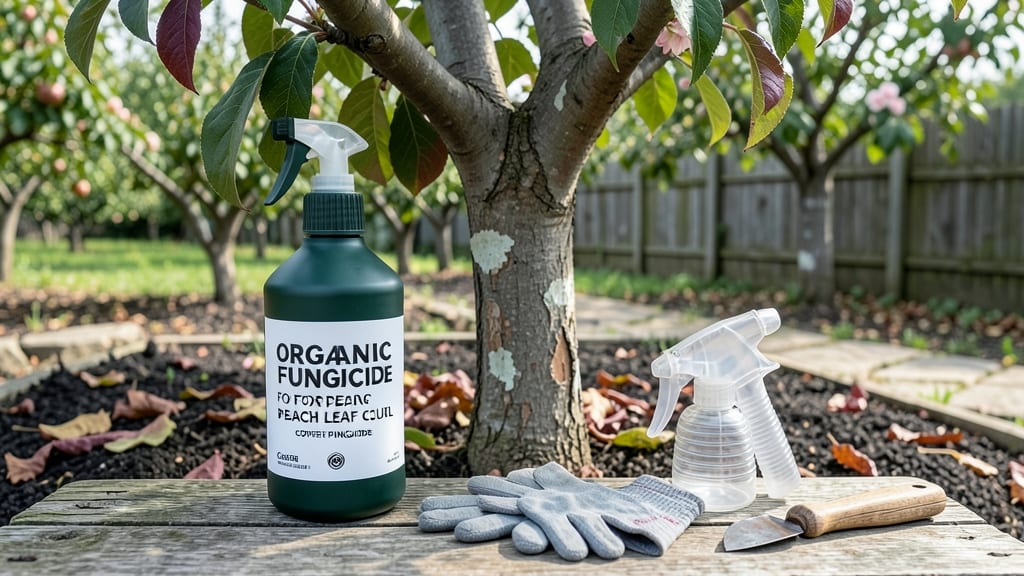
Peach leaf curl ruins harvests before they begin—until you use this copper spray. 🌱 The key to stopping it lies in a simple, organic fungicide that prevents the fungal spores from taking hold when they're most vulnerable, right before buds swell in late winter.
Most gardeners reach for chemical sprays, but copper sulfate dissolved in water works just as well—when applied correctly. This recipe is USDA-approved for organic certification, safe for pollinators after drying, and costs pennies per application.
The secret? Timing: you need to spray twice—once in late winter and again after petals fall—to protect both dormant buds and new growth.
What you’ll end up with is a peach tree that bursts into vibrant green leaves instead of curled, brown messes. Fruit sets earlier, yields more, and stays disease-free all season. The copper leaves a faint blue tint on leaves, but it washes away with rain and doesn’t harm the tree.
Works for all peach varieties—freestone, clingstone, or dwarf—and adapts to container-grown trees too. Here’s how to mix, apply, and schedule it for maximum protection without harming your orchard’s ecosystem.
Root Causes Of Peach Leaf Curl
Peach leaf curl (Taphrina deformans) is a fungal disease that thrives under specific conditions, transforming vibrant peach leaves into thickened, curled, and distorted messes. Understanding why this happens is key to preventing it—especially when opting for organic solutions like copper sprays.
Below are the primary triggers, broken down into actionable insights.
Peach leaf curl spores survive winter in bud scales, bark crevices, and fallen leaves—waiting for spring to reactivate. These dormant spores, called ascospores, are released when temperatures rise and moisture increases. Once airborne, they infect young peach leaves as they emerge in early spring.
Why it matters: If left unchecked, a single infected tree can spread spores to nearby peach trees within a 50-foot radius. Copper fungicides work here by disrupting spore germination before infection takes hold.
The fungus loses its dormancy when:
- Temperatures hover between 32–60°F (0–15°C)—perfect for spore release.
- Rain or dew provides the moisture needed for spores to germinate and infect new leaf tissue.
Why it matters: Heavy spring rains (especially before bud break) create a fungal explosion. Organic copper sprays must be applied before buds swell (late winter/early spring) to create a protective barrier.
Peach trees under stress—due to nutrient deficiencies, drought, or physical damage—are more susceptible to leaf curl. The fungus exploits:
- Thin or damaged bark (entry points for spores).
- Weakened leaf tissue (easier penetration).
- Imbalanced soil pH (fungi thrive in acidic conditions, pH <6.0).
Why it matters: A healthy tree resists infection better. Organic fungicides (like copper) are most effective when combined with proper pruning, mulching, and balanced fertilization (e.g., compost tea for micronutrients).
Copper sprays must be applied before bud break (when spores are active). If timing is off:
- Post-infection sprays (after symptoms appear) are less effective.
- Inconsistent coverage leaves gaps for spores to infect.
Why it matters: A 3–4 spray schedule (every 10–14 days in early spring) is critical. Organic copper (like copper sulfate or copper hydroxide) forms a protective film that lasts until new growth hardens.
Fallen leaves, mummified fruit, and infected branches harbor spores for years. If not removed:
- Spores reinfect the same tree or nearby plants.
- Pruning wounds provide entry points for fungal invasion.
Why it matters: Clean up debris in late fall/winter and sterilize pruning tools with rubbing alcohol. Thin canopies improve airflow, reducing humidity—another fungal deterrent.
Rapid shifts between freezing nights and warm days stress trees, making them vulnerable. The fungus exploits this weakness by:
- Speeding up spore release in warm spells.
- Slowing tree recovery in cold snaps.
Why it matters: Mulch trees to stabilize soil temps and water deeply in droughts. Organic fungicides help buffer stress by supporting natural defenses.
While uncommon, some peach trees develop partial resistance to copper over time. This happens when:
- Same copper type is used year after year without rotation.
- High copper concentrations harm beneficial microbes in soil.
Why it matters: Rotate organic fungicides (e.g., copper + neem oil or potassium bicarbonate) to prevent resistance. Always follow label rates (e.g., 0.5–1 lb copper per 100 gallons of water).
Peach leaf curl doesn’t strike randomly—it targets weak points in your tree’s defense. By addressing spore survival, moisture, stress, and timing, organic copper sprays become a proactive shield rather than a reactive fix. Act now (late winter) to stop the cycle before buds even swell! 🌿✨
Natural Remedies to Stop Peach Leaf Curl
Peach leaf curl can be a stubborn foe, but with the right organic fungicide and preventive measures, you can protect your trees and keep them thriving.
Below are practical, step-by-step solutions tailored to the root causes of the problem—whether it’s fungal spores lingering in the environment, improper timing of treatments, or weak tree defenses.
Copper-based fungicides are one of the most effective organic treatments for peach leaf curl. The key is applying them before spores infect the tree—but not too early.
🍳 When to Spray for Maximum Effect
- Dormant Season (Late Fall or Early Winter):
- Apply a copper fungicide spray (like copper sulfate or copper hydroxide) after leaf drop but before buds swell (typically November–February, depending on your climate).
- This kills overwintering spores before they can infect new growth.
- Pro Tip: 💡 If your region has mild winters, a second application in early spring (just before bud break) adds extra protection.
- Early Spring (Bud Swell Stage):
- If you missed the dormant season, spray again as soon as buds begin to swell (usually February–March).
- Avoid spraying when buds are open—this can harm the tree.
👨🍳 How to Mix & Apply Copper Spray
| Step | Action | Notes |
|---|---|---|
| 1. Choose Your Copper Fungicide | Use copper sulfate (5-10 lbs per 100 gal water) or copper hydroxide (2-4 lbs per 100 gal). | Avoid copper oxychloride—it’s less effective for organic gardening. |
| 2. Mix Properly | Dissolve copper in warm water first, then add to a spray tank. Stir well. | ⚠️ Wear gloves & a mask—copper can irritate skin and lungs. |
| 3. Spray Thoroughly | Cover all buds, twigs, and bark—even hidden areas. | Use a hose-end sprayer for large trees or a handheld sprayer for precision. |
| 4. Reapply as Needed | If rain occurs within 24 hours, respray. | 2-3 applications (dormant + early spring) are ideal for prevention. |
✨ Bonus Tip: Add 1 tbsp baking soda per gallon to your copper spray for extra antifungal power—it raises the pH slightly, making the environment less hospitable to fungi.
A healthy tree is less susceptible to peach leaf curl. Focus on soil health, pruning, and nutrition to build resilience.
🌱 Improve Soil & Fertility
- Test Your Soil: Peach trees thrive in slightly acidic soil (pH 6.0–7.0).
If your soil is too alkaline, amend with peat moss or sulfur. - Feed in Early Spring: - Apply a balanced organic fertilizer (10-10-10 or 5-5-5) 4–6 weeks before bud break to encourage strong new growth. - Avoid high-nitrogen fertilizers in late summer—they promote tender, fungus-prone foliage. - Mulch Properly: - Use wood chips or straw (not fresh grass clippings) to retain moisture and regulate temperature. - Keep mulch 2–3 inches deep but away from the trunk to prevent rot.
✂️ Prune for Better Airflow
- Remove Infected Leaves & Twigs:
- After harvest, prune out any curled or deformed leaves and dispose of them in the trash (not compost).
- Sterilize pruners with rubbing alcohol between cuts to prevent spreading spores.
- Thin Out Dense Branches:
- Open the canopy to allow sunlight and airflow, reducing humidity where fungi thrive.
- Aim for a balanced, vase-shaped tree with no overlapping branches.
🌡️ Boost Natural Resistance
- Companion Planting:
- Plant garlic, chives, or thyme near peach trees—they repel fungal spores naturally.
- Neem Oil Spray (Optional):
- Mix 1 tbsp neem oil + 1 tsp mild soap per gallon of water and spray every 2–3 weeks during growing season for preventive care.
- Warning: Neem is not a primary treatment for peach leaf curl but helps strengthen overall tree health.
Once you’ve treated an infection, break the cycle with these long-term strategies:
- Clean Up Debris:
- Rake and remove all fallen leaves in late fall—burn them if possible (or bag and trash).
- Avoid composting infected plant material.
- Rotate Organic Fungicides:
- If copper isn’t enough, try potassium bicarbonate (2-3 tbsp per gallon) or hydrogen peroxide (1 tbsp per gallon) as alternative sprays.
- Monitor & Act Fast:
- Inspect trees every 2 weeks in early spring for first signs of curling or red/purple discoloration.
- Act immediately—early treatment is far more effective than waiting.
- Choose Resistant Varieties (If Replanting):
- Some peach cultivars (like ‘Reliance’ or ‘Redhaven’) are more resistant to leaf curl. Check with your local extension office for recommendations.
By combining copper sprays, soil care, and smart pruning, you can eliminate peach leaf curl organically and keep your trees healthy for years. 🌳💚
Frequently asked questions
Can I use baking soda as my only treatment for peach leaf curl?
Baking soda helps as a supportive treatment but isn't strong enough alone. Mix 1 tablespoon baking soda + 1 teaspoon horticultural oil per gallon of water for mild prevention, but always pair it with copper sprays for full protection. The baking soda raises leaf pH, making it harder for fungal spores to take hold.
How do I know if my peach tree has leaf curl or just nutrient deficiency?
Leaf curl shows as thickened, puckered leaves with red/purple undersides—often appearing in early spring. Nutrient deficiencies cause yellowing (chlorosis) or brown spots but won't create the distinctive curling. Test your soil if you're unsure, but copper sprays work for both prevention and early-stage infections.
Is copper spray safe for bees and other pollinators?
Copper fungicides are non-toxic to bees once dry (wait 24 hours after application). Avoid spraying when flowers are open or bees are active. For extra safety, apply in early morning or evening when pollinators are less active. Always follow label instructions for organic certification compliance.
What's the best time of day to apply copper spray?
Apply between 4-7 AM or 6-9 PM when temperatures are cooler and humidity is lower. This reduces evaporation and gives the spray time to dry before evening dew forms. Avoid midday heat—it can burn tender buds and reduce effectiveness.
Can I use the same copper fungicide year after year?
While copper is effective, rotate between copper sulfate and copper hydroxide annually to prevent fungal resistance. For variety, alternate with potassium bicarbonate or neem oil sprays. Always follow USDA organic guidelines for maximum safety and effectiveness.