
Leaf Blower
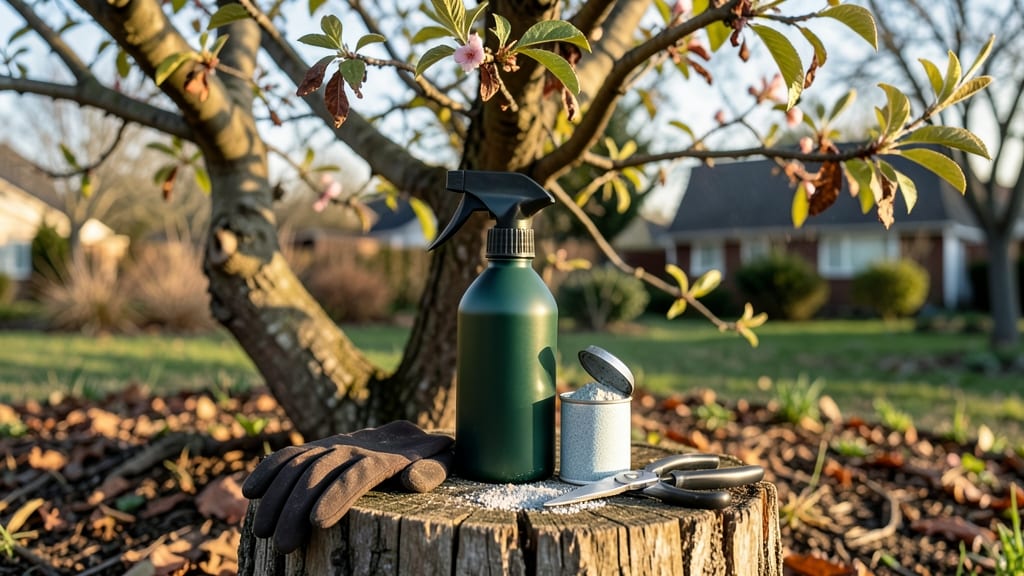
Your peach tree’s crinkled, rust-colored leaves are the unmistakable signature of peach leaf curl—a fungal disease that can defoliate a tree within weeks if left unchecked. 🌿 To treat peach leaf curl effectively, the key isn’t just spraying copper; it’s applying it at the exact wrong time that most gardeners miss.
I’ve seen trees recover dramatically when treated right, and others spiral when treatment came too late.
This disease thrives in wet springs, when fungal spores splash onto new growth. Copper spray works by preventing spore germination, but timing is everything—spraying too early wastes copper, and too late means the damage is done.
The window is narrow: late dormancy to tight-cluster stage, usually February to March in most climates, but always before buds swell. One missed spray can mean a season of stunted fruit and weak branches.
What you’ll get from this guide is a step-by-step schedule that aligns with your local frost dates, plus organic alternatives for those who prefer to avoid copper. The payoff?
Trees that burst with fresh, vibrant leaves by spring and produce heavier, sweeter peaches—no more watching your harvest shrink to a fraction of its potential. Prevention isn’t just about spraying; it’s about understanding the fungus’s life cycle.
We’ll also debunk the myth that “one treatment is enough”—spoiler, it’s not—and show you how to monitor your tree’s progress so you can adjust timing next year. Whether you’re dealing with a first outbreak or a recurring battle, this is how you reclaim your tree’s health for good.
Root Causes of Peach Leaf Curl
Peach leaf curl is a frustrating fungal disease that can turn your lush peach tree into a sad, curled mess—if you don’t understand why it happens, you’ll struggle to stop it.
The good news? Most cases boil down to a few key triggers, and knowing them puts you in control. Let’s break down the science behind the chaos.
The primary culprit behind peach leaf curl is the fungus Taphrina deformans. Unlike many plant diseases that rely on fresh infections, this one plays the long game. Here’s how it works:
- Dormant spores hide in bark crevices during winter, waiting for the perfect moment to strike.
- Rain and wind spread them as temperatures rise (typically between 32°F and 50°F), when the tree is still dormant but vulnerable.
- Once conditions align, the spores germinate and infect new growth, causing the iconic red, thickened, and curled leaves.
Why it matters: If you’ve had leaf curl before, those spores are still lurking on your tree’s bark. Skipping preventive treatments just lets them win.
Peach leaf curl thrives in cool, wet springs—think March to early April in many climates. Here’s the breakdown:
| Factor | Why It Fuels the Fungus | What You Can Watch For |
|---|---|---|
| Rainfall | Moisture activates spores and keeps them hydrated for germination. | 1+ inch of rain in 24 hours during dormancy. |
| Humidity | High humidity (70%+) creates a perfect environment for spore release and infection. | Foggy mornings or damp leaves. |
| Temperature | Spores need 40–60°F to germinate; cooler temps slow tree growth, making it more susceptible. | Unseasonably chilly springs. |
Pro tip: 🌡️ If your forecast calls for wet + cool in early spring, that’s your warning—treat before buds swell!
Peach trees are most vulnerable when they break dormancy prematurely—often due to:
- Unpredictable warm spells in late winter, tricking the tree into growing before it’s safe.
- Thin or damaged bark (from winter sunburn, hail, or improper pruning), giving spores easy entry points.
- Stress from poor soil drainage or nutrient deficiencies, weakening the tree’s defenses.
What happens? The fungus infects the new, tender leaves, causing them to pucker, thicken, and turn red or purple. If left untreated, this weakens the tree’s ability to photosynthesize, leading to smaller fruit and reduced yields.
Fungal spores don’t just hide on trees—they also overwinter in fallen leaves, mummified fruit, and pruning debris.
Here’s how it spreads: - Infected leaves left on the ground release spores when wet. - Pruned branches with old infections become spore factories if composted or left in the yard. - Tools and clothing can carry spores from tree to tree if not cleaned between uses.
Actionable fix: 🧹 Rake up and dispose of (not compost!) all leaf litter and prunings from under infected trees in fall and early spring.
A stressed peach tree is like an open invitation for Taphrina deformans.
Common stressors include: - Improper watering (drought or waterlogged roots). - Nutrient deficiencies (especially lack of zinc, nitrogen, or phosphorus). - Physical damage (from hail, animals, or aggressive pruning). - Pests (like aphids or mites) that weaken the tree’s immune response.
Signs your tree is compromised: ✅ Yellowing leaves (chlorosis). ✅ Stunted growth or sparse foliage. ✅ Cracks or peeling bark.
Boost defenses: 💪 Fertilize in early fall with a balanced formula (10-10-10) and ensure 1–1.5 inches of water per week during dry spells.
Not all peach trees are equally at risk. Some varieties (like ‘Redhaven’ or ‘Elberta’) are highly susceptible, while others (e.g., ‘Reliance’ or ‘Contender’) have some resistance.
Additionally: - Young trees (1–5 years old) are more vulnerable due to smaller canopies and less developed bark. - Trees in low-lying or shaded areas stay wet longer, promoting fungal growth. - Urban areas with pollution can weaken tree resilience over time.
Smart move: If leaf curl is rampant in your region, consider resistant rootstocks or disease-free nursery stock for new plantings.
How to Treat Peach Leaf Curl
Peach leaf curl may sound intimidating, but with the right approach, you can restore your tree’s health and prevent future outbreaks. The key is early action—once symptoms appear, the damage is already done, so prevention and timely intervention are critical.
Below, we’ve mapped out practical solutions based on the root causes of peach leaf curl, from fungal control to cultural fixes. Follow these steps to save your peach tree and keep it thriving.
If peach leaf curl is caused by the Taphrina deformans fungus, copper-based fungicides are your best defense. Timing is everything—spray before buds swell (late winter to early spring) to create a protective barrier.
🔥 Step-by-Step Copper Spray Application
- Choose the Right Copper Fungicide
- Use copper sulfate, copper hydroxide, or copper oxychloride (available at garden centers).
- Look for organic options like Bordeaux mixture (copper + lime) for a natural approach.
- Apply at the Right Time
- First spray: Just as buds begin to swell (usually February–March, depending on your climate).
- Second spray (optional): If rainfall washes away the first application, reapply 10–14 days later.
- Cover Every Surface
- Spray thoroughly on both sides of leaves, twigs, and the trunk—fungus spores hide everywhere!
- Use a hose-end sprayer or backpack sprayer for even coverage.
- Aim for coverage until runoff (but avoid over-applying, which can harm the tree).
- Follow Safety Precautions
- Wear gloves, long sleeves, and goggles—copper can irritate skin and eyes.
- Avoid spraying on windy days to prevent drift onto edible crops or nearby plants.
- Do not eat peaches for 2–3 weeks after spraying (check product labels).
💡 Pro Tip:
If your tree is already infected, copper sprays won’t reverse damage—they only prevent spread. Focus on removing severely curled leaves (sterilize pruners with rubbing alcohol) and pruning out dead branches to improve airflow.
Peach trees stressed by crowded branches, dense foliage, or poor airflow are more susceptible to fungal infections. Pruning helps by:
- Reducing humidity trapped in the canopy.
- Allowing sunlight to reach inner branches (fungus thrives in shade).
- Removing weak or diseased wood.
✂️ How to Prune for Leaf Curl Prevention
- Best Time to Prune
- Late winter or early spring (before bud break) is ideal.
- Avoid pruning in fall or during wet seasons (increases disease risk).
- What to Cut Back
- Remove:
- Dead, dying, or crossed branches (they block airflow).
- Suckers (shoots growing from the base).
- Water sprouts (fast-growing vertical shoots).
- Thin out the canopy by 20–30% to improve sunlight penetration.
- Remove:
- Sterilize Your Tools
- Wipe pruners with rubbing alcohol (70% or higher) between cuts to prevent spreading fungus.
- Clean Up Debris
- Rake and remove fallen leaves and twigs from under the tree.
- Dispose of infected material in the trash (not compost)—fungus can survive in organic matter.
🌡️ Pro Tip:
After pruning, apply a thin layer of mulch (2–3 inches) around the base (but not touching the trunk) to retain moisture and regulate soil temperature—healthier roots = stronger disease resistance.
Peach leaf curl thrives in moist, humid conditions. If your tree is in a low-lying area, clay soil, or gets frequent overhead watering, it’s at higher risk.
💧 Fixing Water-Related Issues
- Check Your Soil Drainage
- If water pools around the base after rain, amend the soil with:
- Compost (improves structure).
- Sand or perlite (for heavy clay soils).
- Consider raising the tree slightly with a small mound of soil if drainage is poor.
- If water pools around the base after rain, amend the soil with:
- Water at the Base, Not the Leaves
- Avoid overhead sprinklers—they keep foliage wet, promoting fungal growth.
- Use drip irrigation or soaker hoses to deliver water directly to the roots.
- Space Trees Properly
- Plant peach trees at least 15–20 feet apart to allow good airflow.
- Avoid planting near dense shrubs or fences that trap moisture.
🎯 Pro Tip:
If your area is prone to heavy rain, consider installing a simple drainage trench around the tree’s perimeter to divert excess water.
Weak, malnourished peach trees are more susceptible to diseases like leaf curl. A balanced fertilizer boosts resilience.
📊 How to Fertilize for Disease Resistance
- Test Your Soil First
- Use a home soil test kit (available at garden centers) to check pH (ideal: 6.0–7.0) and nutrient levels.
- If zinc or nitrogen is low, supplement accordingly.
- Apply Fertilizer at the Right Time
- Early spring (before bud break): Use a balanced 10-10-10 or 12-12-12 fertilizer.
- Late spring (after harvest): Add a low-nitrogen, high-potassium fertilizer (e.g., 5-10-10) to strengthen roots.
- Use Organic Options
- Compost tea or fish emulsion provide slow-release nutrients.
- Mycorrhizal fungi (available as powders) can enhance root health and disease resistance.
💪 Pro Tip:
Avoid over-fertilizing with nitrogen—it promotes soft, new growth that’s more vulnerable to fungus. Stick to moderate applications for tougher foliage.
Once you’ve treated an infection, prevent recurrence with these year-round habits:
✅ Annual copper spray (before bud break). ✅ Regular pruning (remove dead wood in late winter). ✅ Proper watering (drip irrigation, no overhead spray). ✅ Mulch correctly (2–3 inches, keep away from trunk). ✅ Monitor for early signs (pinkish buds in winter = time to act!). ✅ Choose resistant varieties (e.g., ‘Redhaven,’ ‘Elberta,’ or ‘Relenta’).
By combining copper sprays, smart pruning, better water management, and balanced fertilization, you can effectively treat peach leaf curl and keep your tree healthy for years. Start now—the best time to act is before the buds even think about swelling! 🌳💚
Frequently asked questions
What are the first signs of peach leaf curl?
Look for pinkish or reddish buds in late winter—this is the earliest symptom! As the season progresses, leaves will develop a thick, puckered texture and turn bright red or purple. If you see these curled, distorted leaves by spring, the fungus has already taken hold.
Can I use household vinegar as a copper spray alternative?
No, vinegar won't work for peach leaf curl. While it's a natural fungicide for some issues, vinegar's acidity can actually burn plant tissues and won't effectively prevent Taphrina deformans. Stick to copper-based fungicides or neem oil (for mild cases) applied at the right time.
How often should I apply copper spray for prevention?
Apply once annually during late dormancy (February-March), just as buds begin to swell. If your area gets consistent spring rains, a second application 10-14 days later can help maintain protection. The key is timing—spraying too early wastes copper, and too late won't prevent infection.
Will pruning alone cure peach leaf curl?
No, pruning helps reduce severity but won't cure an active infection. Remove severely infected leaves and branches (sterilize tools between cuts!) to improve airflow, but always combine pruning with copper spray treatments for complete control. Pruning works best as a preventive measure in late winter.
Are there any peach tree varieties that resist leaf curl?
Yes! Some varieties show better natural resistance, including 'Relenta', 'Reliance', and 'Contender'. While no variety is completely immune, these selections generally handle infections better. When planting new trees, check with local nurseries for varieties proven to perform well in your climate zone.