
Leaf Blower
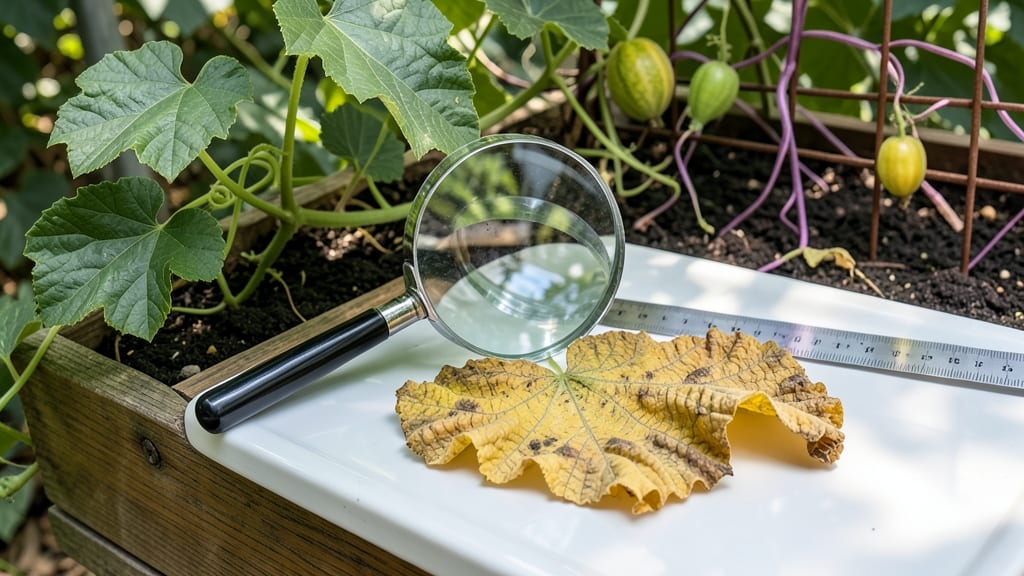
Your passionfruit vines look like they’ve been baked in the sun—crispy edges curling up along the leaves. 🌿 That’s leaf curl, and while it’s often viral, copper fungicide can still be your fast fix when fungal infections sneak in.
I’ve seen this disease turn lush vines into sad, stunted shadows, but the right spray schedule can bring them back to life.
The real culprit? Leafhoppers, wind, or even nutrient stress can trigger this, but copper-based sprays tackle the fungal side of things. You’ll spot it first on new growth—yellowing, puckered leaves that feel stiff to the touch.
The key is catching it early, before the whole vine looks like it’s suffering from a bad hair day.
With a 3-week spray schedule of copper fungicide (like copper sulfate or copper hydroxide), you’ll see fresh, healthy leaves pushing out within 2-3 weeks. The trick is consistency—don’t skip a spray, and pair it with removing any severely curled leaves to stop the spread.
If it’s viral (like passionfruit woodiness), copper won’t save the plant, but you’ll know fast—no improvement after two sprays means it’s time to pull and replace. Prevention is your best bet: keep leafhoppers in check and choose resistant varieties like ‘Panama Red’ or ‘Mollendo Yellow.’
Root Causes Of Leaf Distortion
Passionfruit leaf curl isn’t just a random quirk of nature—it’s usually a plant’s way of screaming for help. Understanding the why behind the curl helps you tackle the problem faster. Below are the most common culprits, broken down into clear, actionable science.
The most notorious cause of leaf curl in passionfruit is the Passionfruit Woodiness Virus (PWV) or Passionfruit Crinkle Virus (PFCV), both spread by aphids and whiteflies. Here’s how it works:
- How it spreads: Viruses hijack plant cells, disrupting normal growth. Infected leaves develop thickened, brittle edges and a "crinkled" appearance due to abnormal cell division in the phloem (the plant’s nutrient transport system). - Why it’s stubborn: Once a plant is infected, there’s no cure—only prevention.
The virus persists in plant tissue, making infected vines a permanent risk to your garden. - Actionable fix: Remove infected plants immediately (burn or bag them, don’t compost!). Use reflective mulch to deter aphids and apply neem oil as a preventive barrier.
Leaf curl can also signal nutritional stress, particularly from copper deficiency or excessive nitrogen. Here’s the breakdown:
- Copper deficiency: Copper is critical for cell wall formation and enzyme function in passionfruit.
Without enough, leaves develop thin, curled edges and interveinal chlorosis (yellowing between veins). - Test it: Soil tests reveal copper levels below 0.2 ppm (parts per million). - Fix it: Apply copper sulfate (0.2–0.5 lbs per 100 sq ft) or copper fungicide sprays (like Cueva or Kocide).
Avoid overapplying—too much copper is toxic! - Nitrogen overload: Too much nitrogen (from fertilizers) triggers rapid, weak growth, causing leaves to curl upward as they struggle to support their own weight. - Fix it: Switch to a balanced fertilizer (e.g., 10-10-10) and reduce frequency to every 6–8 weeks.
Extreme conditions—whether too hot, too cold, or too dry—can force leaves into a defensive curl. Here’s the science:
- Heat stress: Temperatures above 90°F (32°C) cause stomatal closure (pores on leaves shut to conserve water), leading to wilting and curling.
Passionfruit is tropical but not desert-adapted—it needs high humidity (60–80%). - Fix it: Provide shade cloth (30–50%) during peak sun and drip irrigation to maintain moisture. - Cold damage: Chills below 50°F (10°C) disrupt cell membrane integrity, causing brittle, curled leaves.
Frost is deadly. - Fix it: Use row covers in winter or grow passionfruit in microclimates (e.g., near a south-facing wall). - Water fluctuations: Overwatering (compacted roots, oxygen deprivation) or drought stress (osmotic imbalance) both trigger curling. - Fix it: Water deeply 2–3 times per week (1–1.5 inches per session) and mulch to retain moisture.
Sap-sucking pests like aphids, mites, and whiteflies inject toxins as they feed, causing leaves to curl and distort. Here’s the mechanism:
- Toxin injection: Pests inject saliva containing growth-regulating hormones (like ethylene), which force leaves to curl to protect damaged tissue.
- Secondary infections: Curled leaves trap moisture, inviting fungal infections (e.g., powdery mildew), which worsen the curl.
- Actionable fix:
- Blast pests off with a strong stream of water (early morning).
- Introduce predators: Ladybugs and lacewings devour aphids.
- Spray horticultural oil (e.g., Safer’s Brand) to smother eggs and adults.
When roots can’t breathe, the plant panics—and curling is its SOS signal.
Common causes: - Heavy clay soil: Poor drainage drowns roots, leading to anaerobic stress (lack of oxygen). - Over-tilling: Damages mycorrhizal fungi (root helpers) and compacts soil, restricting growth. - Fix it: - Amend soil with compost or coconut coir to improve aeration. - Avoid walking on beds—use stepping stones. - Graft passionfruit onto disease-resistant rootstock if soil is chronically poor.
Overzealous gardeners sometimes accidentally poison their plants with:
- Too much fungicide: Copper-based sprays (like those for leaf curl) can build up in soil, causing toxic levels (symptoms: brown, curled leaf edges).
- Herbicide drift: Glyphosate or 2,4-D can mimic nutrient deficiencies, leading to curling.
- Fix it:
- Flush soil with water if copper levels are high.
- Use chelated copper (safer for plants) instead of sulfate.
- Test soil before reapplying any chemicals.
Quick Fixes for Crispy Leaf Edges
If your passionfruit vines are showing signs of leaf curl—those telltale crispy, curled edges—don’t panic! The good news is that many of these issues can be reversed with targeted action.
Below, we’ll break down the most common causes and pair them with practical, step-by-step solutions to restore your plants to full, lush health. We’ll also share prevention tips to keep future problems at bay.
If leaf curl is caused by fungal or viral infections (like passionfruit woodiness virus or fungal spots), the first step is to contain the spread.
- 🍃 Step 1: Prune with Precision Use sterilized pruning shears (wipe with rubbing alcohol between cuts) to snip off all curled, discolored, or spotted leaves. Dispose of them in a sealed plastic bag—do not compost—to prevent reinfection.
- 🧼 Step 2: Clean Up Debris Remove fallen leaves, weeds, and plant debris from around the base of your passionfruit vines. This reduces hiding spots for fungi and pests.
- 💡 Pro Tip: If the infection is severe, consider removing entire infected branches rather than just leaves. Healthy growth can take over if you give it a chance!
Overwatering or poor drainage can lead to leaf edges turning crispy and brown—a sign of root stress or fungal issues.
- 💧 Step 1: Check Soil Moisture Stick your finger 1-2 inches into the soil. If it’s soggy, your plant is getting too much water. Passionfruit plants prefer well-draining soil and consistent moisture—not waterlogged conditions.
- 🔄 Step 2: Improve Drainage If your soil retains too much water, amend it with:
- Perlite or coarse sand (20-30% mix)
- Compost (to improve aeration)
- Raised beds or containers (if soil is naturally heavy clay)
- 🌧️ Step 3: Water Smartly Water deeply but infrequently—aim for 1-2 inches per week, adjusting for rain. Avoid wetting the leaves (especially in the evening) to prevent fungal growth.
- ✨ Pro Tip: Mulch around the base of your plant with straw or wood chips to retain moisture and regulate soil temperature.
If leaf curl is fungal-related (like powdery mildew or leaf spot), copper-based fungicides are one of the most effective treatments. They’re organic, fast-acting, and preventative.
- 🛡️ Step 1: Choose the Right Fungicide Opt for a copper fungicide spray (e.g., copper hydroxide or copper sulfate). Follow the label instructions for mixing ratios and safety precautions (wear gloves and avoid spraying on windy days).
- 🍃 Step 2: Spray Thoroughly Apply the fungicide early in the morning or late afternoon when the sun isn’t intense. Spray both the top and bottom of leaves until they’re glistening wet. Repeat every 7-14 days or as directed.
- 🌿 Step 3: Boost Plant Immunity Strengthen your passionfruit’s defenses with:
- Neem oil spray (natural antifungal/fungicide)
- Baking soda solution (1 tsp baking soda + 1 quart water + a drop of dish soap—spray weekly)
- 💡 Pro Tip: For prevention, apply copper fungicide every 4-6 weeks during humid or rainy seasons.
Pests like aphids, mites, or whiteflies can weaken leaves, making them prone to curling and crisping. A healthy pest-free plant is less susceptible to infections.
- 🐜 Step 1: Inspect Leaves Regularly Check the undersides of leaves for tiny pests. Look for:
- Sticky residue (aphid honeydew)
- Fine webbing (spider mites)
- White, fluffy spots (whiteflies)
- 🧼 Step 2: Treat Infestations
- For aphids/whiteflies: Spray with soapy water (1 tsp mild soap per quart of water) or neem oil.
- For spider mites: Use a strong spray of water to knock them off, then apply neem oil or insecticidal soap.
- For severe cases: Use horticultural oil (follow label instructions).
- 🌱 Step 3: Encourage Beneficial Insects Attract ladybugs, lacewings, and parasitic wasps by planting marigolds, dill, or fennel nearby. These natural predators keep pest populations in check.
Nutrient deficiencies (especially potassium or magnesium) can cause leaf edges to crisp and curl.
- 📊 Step 1: Test Your Soil Use a home soil test kit to check pH and nutrient levels. Passionfruit thrives in slightly acidic to neutral soil (pH 6.0-7.0).
- 🍽️ Step 2: Feed the Right Way
- For potassium deficiency (brown, crispy edges): Use a banana peel tea (steep peels in water for a week) or a potassium-rich fertilizer (like 0-10-10).
- For magnesium deficiency (yellowing between veins): Apply Epsom salt (1 tbsp per gallon of water, spray foliage).
- For general health: Use a balanced fertilizer (like 10-10-10) every 4-6 weeks during growing season.
- 💡 Pro Tip: Over-fertilizing can also stress plants. Always water before fertilizing to prevent root burn.
Sometimes, environmental stress (like too much sun, wind, or heat) causes leaf edges to crisp.
- ☀️ Step 1: Shield from Harsh Sun If your passionfruit is in a hot, dry climate, provide afternoon shade (use a light shade cloth if needed).
- 🌬️ Step 2: Protect from Wind Strong winds desiccate leaves, leading to crispy edges. Plant in a sheltered spot or use windbreaks (like bamboo screens).
- 🌡️ Step 3: Maintain Consistent Humidity If your area is very dry, mist leaves lightly in the morning or use a humidifier near potted plants.
Once your passionfruit is back in shape, keep these habits to avoid future leaf curl:
✅ Rotate crops if growing in the same spot yearly (prevents soil-borne diseases). ✅ Disinfect tools before and after pruning. ✅ Monitor new growth weekly for early signs of stress. ✅ Prune regularly to improve airflow and reduce humidity buildup. ✅ Use resistant varieties (if available in your region).
With these targeted fixes, your passionfruit vines should bounce back with strong, healthy leaves in no time! 🌿✨
Frequently asked questions
How can I tell if my passionfruit leaf curl is viral or fungal?
Check for thickened, leathery leaves with stiff edges—this usually signals a viral infection like passionfruit woodiness virus. Fungal issues show up as yellow spots with crispy edges or powdery white residue on undersides. Copper fungicide works for fungal cases, but viral infections require removing infected plants immediately.
Will copper fungicide work if my passionfruit leaves are already curled?
Copper fungicide helps prevent further spread but won’t reverse existing viral damage. For fungal infections, apply copper sprays every 7-10 days for 2-3 weeks to stop progression. Remove severely curled leaves to improve airflow and reduce fungal spores.
Why does my passionfruit curl in hot weather even with shade?
Heat stress above 90°F (32°C) causes stomatal closure, making leaves curl to conserve water. Even with shade, passionfruit needs 60-80% humidity. Try drip irrigation at soil level and mulch with straw to retain moisture and reduce transpiration.
Can I save a passionfruit vine if most leaves are curled?
If over 50% of leaves are affected, the plant may be beyond saving. However, prune back to healthy growth and apply copper fungicide to prevent spread. For viral infections, dig up and destroy the plant to protect others—viruses persist in plant tissue.
How do I prevent leaf curl in new passionfruit plants?
Start with disease-resistant varieties like ‘Panama Red’ and sterilize tools between cuts. Use reflective mulch to deter leafhoppers, apply neem oil monthly, and test soil for copper/magnesium levels. Keep plants well-spaced for airflow and avoid overwatering.