
Pests and Diseases
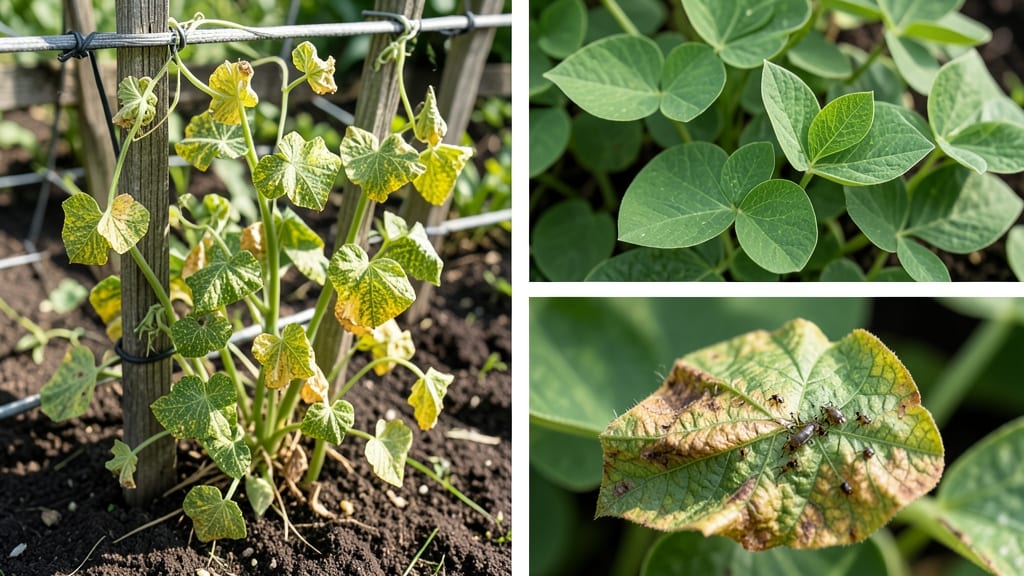
Spotting pea leaf roll virus early could save your entire pea crop. 🌱 The moment you notice stunted plants with upward-rolling leaves, you've got a race against time—this virus spreads faster than you'd think, and once it's in your garden, it's nearly impossible to eradicate.
I've seen entire rows of sweet peas crumple within weeks, and the worst part? There's no cure. Only prevention and fast action can stop it from turning your spring harvest into a loss.
This isn't just a pea problem—it attacks fava beans, lentils, and even some wild legumes. The virus gets into plants through aphids, which is why you'll often see clusters of infected plants near where aphids love to feed.
The key to stopping it is catching those first signs: leaves curling like little green boats, plants staying short when they should be climbing, and a general "off" look that makes you pause. If you've ever thought, "Hmm, this plant looks weird," that's your warning bell.
Here's the good news: you can slow it down. Remove infected plants immediately—don't compost them—and keep aphids in check with neem oil or insecticidal soap. Planting early varieties that mature before aphids peak can also buy you time.
The faster you act, the more of your crop you'll save, and the less this virus will have a chance to take over your garden next year.
Think of this as your early warning system. Once you know what to look for, you'll spot the signs before they become a full-blown outbreak.
The goal isn't to panic—it's to stay one step ahead of the virus so your peas stay healthy, your harvest stays sweet, and you don't end up with a garden full of sad, curled-up plants by midsummer.
The hidden triggers behind plant decline
Understanding why pea crops suddenly roll their leaves, stunt growth, or yellow unexpectedly starts with uncovering the sneaky pathways of pea leaf roll virus (PLRV). This persistent pathogen doesn’t just appear—it’s spread by specific vectors and thrives under certain conditions.
Let’s break down the science behind its spread and persistence in your fields.
PLRV doesn’t spread on its own—it hitches a ride on aphids, tiny sap-sucking insects that move from plant to plant. Here’s how it works: - Persistent Transmission: Aphids acquire the virus while feeding on infected plants and can carry it for weeks or even their entire lifetime.
Once infected, they transmit PLRV to healthy peas with every feeding session. - Non-Persistent vs. Persistent: Unlike some viruses that aphids transmit instantly, PLRV requires acquisition and retention time—meaning the insect must feed on an infected plant for several hours before becoming a carrier. - High-Risk Species: Not all aphids spread PLRV equally.
The pea aphid (Acyrthosiphon pisum) and green peach aphid (Myzus persicae) are the top culprits, but others like the cabbage aphid can also play a role.
💡 Pro Tip: Monitor aphid populations early in the growing season. Aphids thrive in warm, dry conditions, so proactive scouting during spring and early summer can help you catch outbreaks before they take hold.
Viral particles can linger in the environment, waiting for the right opportunity to infect new plants. Here’s how: - Systemic Infection in Seeds: PLRV can be seed-transmitted, meaning infected seed stock can introduce the virus into an otherwise clean field.
This is why sourcing certified disease-free seeds is critical. - Survival in Weeds and Volunteer Plants: Weeds like vetch, clover, and alfalfa can harbor the virus without showing symptoms.
If these plants grow near your pea crops, aphids feeding on them can easily jump to your peas. - Soil and Debris: While PLRV isn’t soil-borne like some fungi, plant debris from previous infected crops can serve as a reservoir.
Aphids feeding on these remnants can become infected and spread the virus to new plantings.
⚠️ Warning: Rotating crops with susceptible hosts (like peas, beans, or lentils) in the same field year after year increases risk. Always follow a 3-4 year rotation with non-host crops like cereals or brassicas.
Environmental factors don’t cause PLRV directly, but they amplify its spread by creating ideal conditions for aphids and viral persistence: - Warm Temperatures (60–80°F): Aphids reproduce rapidly in this range, accelerating viral transmission.
Fields in southern regions or early-planted crops are at higher risk. - Dry, Windy Conditions: Low humidity and wind disperse aphids faster, increasing the chances of infected insects reaching your plants. Drought-stressed peas are also more vulnerable to aphid attacks. - Late Plantings: Peas planted after the first aphid flights (typically spring to early summer) face higher exposure to already-infected vectors.
🌡️ Climate Connection: In regions with mild winters, aphids may survive and build populations earlier, giving PLRV more time to spread before harvest.
Human and mechanical activities can inadvertently move PLRV from one area to another:
- Equipment Contamination: Tractors, harvesters, and other farm tools can carry aphids (or infected plant sap) between fields. Always sanitize equipment when moving between plots.
- Shared Water Sources: If irrigation water is reused or shared among fields, aphids or viral particles could hitch a ride via splashing or contaminated water.
- Trade of Infected Plants: Moving live plants, cuttings, or seed from infected areas (even for breeding or research) can introduce PLRV to new regions.
🛡️ Prevention Hack: Quarantine new plant material for 4–6 weeks in a separate, monitored space before introducing it to your main fields.
PLRV isn’t static—it can mutate over time, potentially becoming more aggressive or adapting to new host plants.
While this is less common than the other factors listed, it’s worth noting: - Co-Infections: Plants infected with multiple viruses (e.g., PLRV + pea enation mosaic virus) may show worse symptoms and produce more aphid-attracting honeydew, worsening spread. - Resistant Varieties: Some pea cultivars have partial resistance to PLRV, but the virus can still evolve to overcome these defenses over time. Regularly update seed sources with the latest resistant strains.
To stop PLRV in its tracks, focus on these high-impact strategies:
- Eliminate Aphid Hotspots: Remove weed hosts and volunteer plants near pea fields.
- Monitor Early: Use yellow sticky traps to track aphid flights before they peak.
- Choose Clean Seed: Purchase certified PLRV-free seed from reputable suppliers.
- Rotate Crops: Avoid planting peas in the same field year after year.
- Sanitize Equipment: Clean tools between fields to prevent mechanical spread.
By understanding these triggers, you can disrupt the virus’s lifecycle before it disrupts your harvest. 🚜💨
Quick Fixes for Stunted Pea Plants
If your pea plants are showing signs of curling leaves, stunted growth, or a general decline—likely caused by a viral infection like pea leaf roll virus (PLRV)—don’t panic.
While viruses can’t be cured once they’ve infected a plant, you can take action to limit damage, remove affected plants, and protect your future crops. Below are practical, step-by-step solutions tailored to the root causes of infection, plus prevention tips to keep your garden healthy.
Cause: Viruses spread through infected plant sap, aphids, or contaminated tools. Fix:
- 🔥 Pull up and destroy any visibly infected pea plants (burn or toss in sealed trash—do not compost).
- 👨🍳 Wear gloves to avoid transferring sap to healthy plants.
- ⏰ Act fast: The sooner you remove infected plants, the less the virus spreads to others.
Pro Tip: 💡 Check nearby plants (especially legumes like beans or clover) for symptoms—viruses like PLRV can jump between related species!
Cause: Aphids feed on infected plants, then carry the virus to healthy ones. Fix:
- 🌡️ Inspect plants daily for tiny green/black insects clustering on new growth.
- 🎯 Blast them off with a strong stream of water (aphids hate this!).
- ✨ Use natural predators: Ladybugs, lacewings, or parasitic wasps (buy or attract them to your garden).
- 🔥 Spray with soapy water (1 tsp mild soap per quart of water) if infestations persist.
Pro Tip: 🔥 Neem oil (1 tbsp per liter of water) disrupts aphid life cycles—spray early morning or evening to avoid harming bees.
Cause: Contaminated pruners, hoes, or even your hands can transfer viruses. Fix:
- 🔪 Sterilize tools between uses with 70% rubbing alcohol or a 10% bleach solution (rinse well).
- 🌱 Rotate crops: Avoid planting peas (or other legumes) in the same spot for 3–4 years to break the virus cycle.
- 🥗 Cover soil with mulch to prevent aphids from crawling up from the ground.
Pro Tip: 🌡️ Solarize your soil (cover beds with clear plastic for 4–6 weeks in hot sun) to kill virus particles and pests naturally.
Cause: Weak or stressed plants are more vulnerable to viral attacks. Fix:
- 💪 Provide balanced fertilizer (low nitrogen, high phosphorus/potassium) to boost root and leaf health.
- 🥗 Water deeply but less often to prevent stress from drought or soggy roots.
- 🌿 Plant companion crops like garlic, onions, or marigolds—their strong scents repel aphids.
Pro Tip: ✨ Compost tea (brewed from aged compost) can enhance plant immunity—spray foliage weekly as a preventative.
Cause: PLRV persists in soil and on alternate hosts (like weeds). Fix:
- 🌱 Buy certified disease-free seeds from reputable suppliers.
- 🔍 Remove weed hosts (e.g., wild peas, vetch) near your garden.
- 📅 Plant resistant varieties like ‘Tom Thumb’ or ‘Green Arrow’ peas (check seed packets for PLRV resistance).
- 🏡 Keep garden debris cleared—viruses can survive in old plant material.
Pro Tip: 💡 Interplant with non-host crops (like brassicas or cereals) to disrupt aphid life cycles and virus spread.
Final Note: While PLRV is stubborn, early action + prevention can save your garden. Stay vigilant, and your peas will bounce back stronger! 🌱💪
Frequently asked questions
Can pea leaf roll virus affect other plants besides peas?
Yes, this virus can infect other legumes like fava beans, lentils, and even some wild legumes. The same aphid vectors that spread it to peas can jump to these plants, so monitor your entire garden for symptoms like leaf curling or stunted growth. It’s especially risky if you grow multiple legume crops in the same area.
How long does it take for pea leaf roll virus symptoms to appear?
Symptoms typically show up within 2-4 weeks after infection, depending on plant health and aphid activity. Early signs include slight leaf curling, followed by more severe stunting and discoloration. The faster you spot these changes, the better your chances of containing the outbreak before it spreads.
Will removing infected plants completely eliminate the virus?
No, removing infected plants stops further spread but doesn’t guarantee complete elimination. The virus can persist in soil debris, weeds, or through aphids that survive nearby. For long-term control, combine removal with crop rotation, aphid management, and using certified disease-free seeds.
Are there any chemical treatments for pea leaf roll virus?
No chemical treatments exist to cure infected plants—viruses can’t be killed once established. Your best options are preventive: use insecticides (like neem oil) to control aphids, or apply systemic insecticides early in the season to disrupt transmission before infection occurs.
Can I still harvest peas from plants showing early symptoms?
Only if the symptoms are very mild and localized. However, infected plants may produce lower-quality pods, and the virus could spread to nearby plants during harvest. It’s safer to remove symptomatic plants entirely and focus on protecting healthy ones rather than risking further contamination.