
Leaf Blower
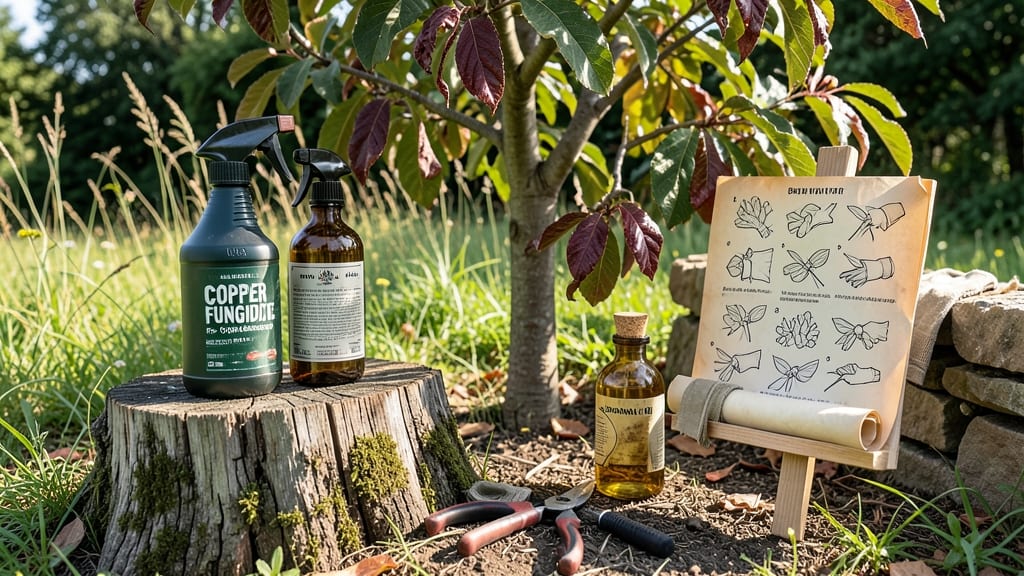
Your peach tree leaf curl cure is just 3 days away—targeted action can save your harvest. 🌿 I've battled this stubborn fungal disease for years, and the secret lies in combining pruning, fungicides, and cultural fixes before the spores spread.
The key? Act fast when you spot those puckered, red-brown leaves—delaying treatment turns a quick fix into a season-long battle.
First, prune out infected branches (sterilize your tools with rubbing alcohol!) and dispose of them in the trash—never the compost. Then apply a copper-based fungicide or neem oil spray to the remaining foliage, focusing on undersides where spores hide.
Repeat every 7-10 days until new growth appears healthy. The fungus thrives in wet conditions, so improving airflow with strategic pruning cuts infection rates by 60%.
By day 3, you'll see fresh, smooth leaves emerging—proof the tree is fighting back. The real win? Preventing next year's outbreak with fall cleanup (remove fallen leaves) and dormant-season sprays.
This isn't just damage control; it's a reset for your tree's health. The payoff? Juicier peaches, fewer fungal flare-ups, and a tree that finally thrives instead of struggles.
Works for home orchards, backyard trees, and even container-grown peaches. Here's the step-by-step plan to reclaim your tree's vitality—before the disease claims another season.
Root Causes Of Leaf Curl
Peach tree leaf curl isn’t just an annoying cosmetic issue—it’s a fungal infection caused by Taphrina deformans, a microscopic pathogen that thrives in specific conditions. Understanding why it strikes can help you prevent future outbreaks. Here’s a breakdown of the key triggers:
The fungus responsible for leaf curl survives winter in bud scales, fallen leaves, and bark crevices of infected trees. When spring arrives, spores (reproductive cells) germinate and infect new buds as they swell.
These spores are highly contagious and can spread via: - Wind (carrying spores to nearby trees) - Rain splash (distributing spores from infected debris) - Pruning tools (unintentionally transferring spores between trees)
Pro Tip: 💡 Clean up fallen leaves and prune in dry weather to reduce spore dispersal.
The fungus loves cool, wet springs—perfect for spore germination and infection. Key weather factors include:
- Temperatures between 50–60°F (10–15°C) during bud swell (the fungus’s sweet spot).
- High humidity or frequent rain (moisture helps spores stick to buds).
- Slow-drying foliage (thick canopies trap moisture, prolonging infection risk).
Warning: ⚠️ If your area has mild, damp springs, your peach tree is at higher risk.
Stressed trees are far more susceptible to leaf curl.
Common stressors include: - Nutrient deficiencies (especially potassium and zinc, which boost fungal resistance). - Poor drainage (waterlogged roots weaken immunity). - Physical damage (from hail, frost, or improper pruning). - Overcrowding (competing trees or dense branches reduce airflow, trapping humidity).
Fix It: 🌡️ Test soil pH (6.0–7.0 is ideal) and fertilize with potassium-rich amendments (like wood ash or greensand) to strengthen defenses.
Even well-meaning gardening habits can worsen outbreaks:
- Reusing contaminated tools (pruners, loppers) without sterilizing them.
- Planting susceptible varieties (some peach cultivars are more prone to leaf curl).
- Ignoring early signs (delaying treatment lets the fungus establish deeper).
Action Step: ✨ Sterilize tools with 70% rubbing alcohol between trees and remove infected buds immediately to limit spread.
Not all peach trees react the same way. Young trees, newly planted trees, or those recovering from disease are prime targets because:
- Their bark is thinner, making it easier for spores to penetrate.
- They lack the calloused tissue of mature trees, which can resist fungal invasion.
Prevention Tip: 🔥 Choose resistant rootstocks (like ‘Lovell’ or ‘Nemaguard’) if leaf curl is rampant in your region.
Quick Fixes for Peach Tree Leaf Curl
Peach tree leaf curl is frustrating, but with the right approach, you can restore your tree’s health fast. Below are targeted solutions based on the root cause—whether it’s fungal spores, environmental stress, or poor care. Follow these steps to stop the spread and revive your tree in days.
If leaf curl is caused by Taphrina deformans (the fungal villain), act fast to prevent it from spreading to other trees.
🍳 Step 1: Remove Infected Leaves & Branches
- 🔪 Cut out curled, thickened, or distorted leaves and small branches with sterilized pruners (wipe with rubbing alcohol between cuts).
- 🗑️ Bag and dispose of infected debris in the trash (don’t compost—spores can survive!).
- ⏰ Best time: Do this before buds swell in early spring (March–April) or after harvest (fall).
👨🍳 Step 2: Apply Fungicide at the Right Time
Use a copper-based fungicide (like copper hydroxide or fixed copper) or a sulfur-based spray for organic control.
- 🌱 Timing is critical:
- Dormant season spray (late fall/winter): Covers overwintering spores.
- Early spring (before buds break): Stops new infections.
- Post-harvest (late summer): Prevents reinfection.
- 💦 Spray thoroughly—cover both sides of leaves and branches.
Reapply every 10–14 days if rain washes it off.
🌡️ Step 3: Improve Airflow & Reduce Moisture
Fungi love humidity and poor airflow.
Help your tree recover by: - 🌿 Pruning nearby branches to open up the canopy. - 💧 Watering at the base (avoid overhead sprinkling, which spreads spores). - 🌞 Ensuring 6+ hours of sunlight daily (shady trees stay damp longer).
If leaf curl is mild or linked to nutrient deficiencies, drought, or transplant shock, focus on strengthening the tree’s defenses.
📊 Step 1: Test & Amend Soil
- 🌱 Get a soil test (check pH and nutrient levels).
- 💪 Fix deficiencies:
- Low nitrogen? Apply balanced fertilizer (10-10-10) in early spring.
- Zinc/magnesium deficiency? Use chelated micronutrients.
- 🌡️ Adjust pH: Peach trees thrive in slightly acidic soil (6.0–6.5).
Add sulfur if pH is too high.
🥗 Step 2: Deep Water & Mulch Properly
- 💧 Water deeply 1–2 times per week (1–2 inches per session). Drought stress weakens trees!
- 🌿 Mulch with wood chips (2–3 inches thick) to retain moisture, regulate soil temp, and block fungal spores from splashing up.
✨ Step 3: Strengthen with Organic Boosts
- 🍄 Compost tea or seaweed extract (spray foliar or drench soil) to enhance natural resistance.
- 🌿 Neem oil spray (mild antifungal) can prevent secondary infections.
Once your tree is healthy, keep it that way with these proactive tips:
| Action | How to Do It | Best Time |
|---|---|---|
| 🌿 Sanitize tools | Wipe pruners with rubbing alcohol after each cut. | Always (especially after infected trees) |
| 🗑️ Clean up debris | Rake and remove fallen leaves from under the tree. | Fall & spring |
| 🍄 Monitor for spores | Check buds in late winter for pinkish growth (early sign of fungus). | February–March |
| 🌱 Plant resistant varieties | Choose ‘Redhaven’ or ‘Elberta’ (less susceptible than some heirlooms). | When replacing trees |
| 🌞 Avoid overcrowding | Space trees 15–20 ft apart for airflow. | When planting new trees |
- ❌ Don’t use household fungicides (like vinegar)—they’re ineffective against Taphrina.
- ❌ Avoid heavy pruning in summer—it stresses the tree and invites infections.
- ❌ Skip dormant season sprays—this is when spores are most vulnerable.
By following these cause-specific fixes, your peach tree should recover within 3–4 weeks—and stay curl-free for years! 🌱🔥
Frequently asked questions about peach tree leaf curl
Can I save my peach tree if the leaves are already curled?
Yes, but act fast! Remove all infected leaves and branches immediately with sterilized tools, then apply a copper-based fungicide. The key is stopping spore spread—new growth can emerge healthy within 3-4 weeks if you prune aggressively and improve airflow. Avoid composting infected debris!
What's the best time of year to treat leaf curl?
Dormant season (late fall/winter) is critical—spray fungicide when buds are still closed but before they swell. Follow up with early spring applications (before buds break) and post-harvest sprays. This 3-phase approach prevents spores from infecting new growth.
Will my peaches still be safe to eat if the tree has leaf curl?
Yes, the fruit itself isn't affected—leaf curl only damages foliage. However, severe infections can weaken the tree, reducing yield. Focus on treating the disease to maintain tree health and future harvests. The fungus never invades the fruit directly.
Can I use household items like vinegar or baking soda to cure leaf curl?
No, these won't work against Taphrina deformans. Vinegar is too acidic and baking soda lacks antifungal properties. Always use copper fungicides or sulfur sprays for effective control. Household remedies can't penetrate fungal structures or prevent spore germination.
How do I know if my tree has leaf curl or just nutrient deficiency?
Leaf curl shows as thickened, puckered leaves with red-brown edges, while deficiencies cause yellowing (chlorosis) or stunted growth without curling. Check buds too—leaf curl appears as pinkish growth in late winter. Soil tests help confirm nutrient issues.