
Leaf Blower
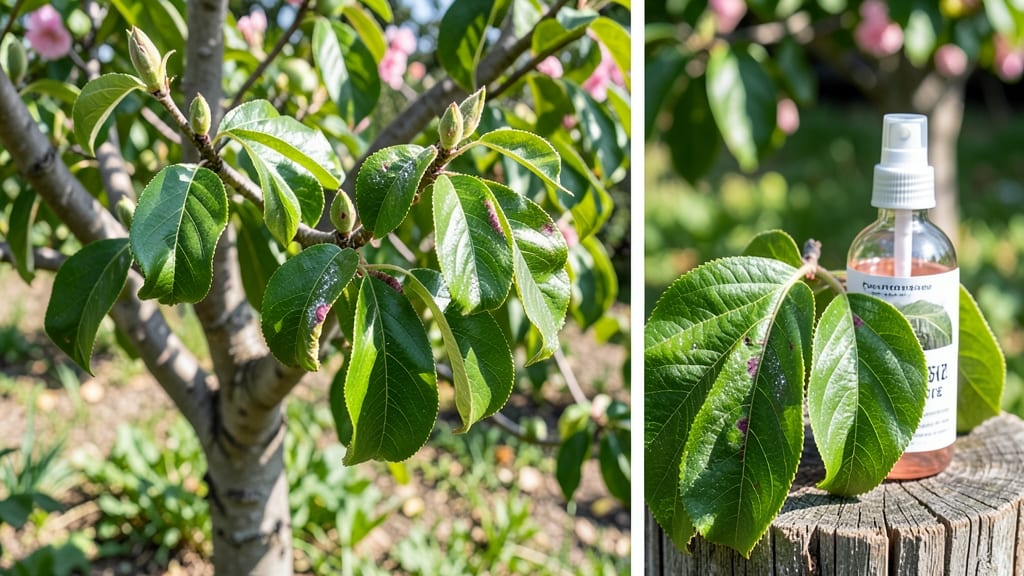
Your peach tree’s crispy, curled leaves are a dead giveaway—they’re peach tree leaf curl fungus in action. 🌿 I’ve seen this disease turn lush canopies into skeletal branches, but copper spray turns the tide. The key is catching it early, when those telltale puckered leaves first appear in spring.
Leaf curl fungus thrives in wet springs, twisting young leaves before they unfurl. Most gardeners panic and prune too late, but the real fix starts with copper fungicide—applied at bud swell and again after petal fall. I’ve used organic copper soap and liquid copper, both working when timed right.
By midseason, your tree will push fresh, healthy growth—no more brittle edges or stunted fruit. The secret? Consistent monitoring and pruning infected branches before they spread. Even neglected trees bounce back with this method.
Works for backyard peach trees, commercial orchards, and even patio dwarf varieties. Let’s get those leaves unfurling properly again—no more crispy disappointments.
Root Causes Of Leaf Curl
Peach trees are prized for their luscious fruit and vibrant foliage, but a persistent fungal foe—Taphrina deformans—can turn those glossy leaves into twisted, curled messes. Understanding why this fungus thrives is the first step to stopping it in its tracks.
Below, we break down the key factors that turn your peach tree into a leaf curl magnet.
The peach leaf curl fungus is a sneaky survivor. It spends winter hibernating in the bark and buds of infected trees, waiting for spring to strike. When temperatures rise and moisture returns, the spores reactivate, germinating and infecting new leaves as they emerge.
Even if you pruned last season’s curled leaves, dormant spores can still cling to the tree’s surface, ready to launch another attack.
Why it matters: A single infected tree can release millions of spores per season, making it a breeding ground for future outbreaks. If left unchecked, the cycle repeats yearly, worsening with each passing spring.
The fungus loves damp conditions, especially during bud break (when new leaves unfurl). Heavy rains, dew, or even overhead irrigation can create the perfect moisture film on leaves and buds, allowing spores to germinate and penetrate the tender tissue.
Unlike many fungi, peach leaf curl doesn’t need prolonged wetness—just a few hours of leaf surface moisture during warm, humid days is enough to trigger infection.
Key trigger points:
- 🌧️ Spring rains (March–April in most climates)
- 💦 Morning dew on susceptible foliage
- 🚰 Overhead watering (drip irrigation is safer)
If your tree is already stressed, even light misting can tip the scales in the fungus’s favor.
The fungus thrives in cool to moderate spring temperatures, typically between 45°F and 65°F (7°C–18°C). Below 40°F (4°C), spores go dormant, but once temps climb into the 50s°F (10°C+), infection rates skyrocket.
Warm days followed by cool, wet nights create the perfect storm for spore germination.
Red flag seasons:
- 🌤️ Unpredictable spring weather (e.g., warm days + chilly nights)
- 🌡️ Late frosts followed by rapid warming (stresses the tree)
If your region has extended cool, wet springs, your peach tree is at higher risk.
A healthy tree can fight off fungal infections, but stress makes peach trees vulnerable. Common stressors include:
| Stressor | How It Helps the Fungus |
|---|---|
| ✂️ Poor pruning (e.g., cutting too late in season) | Creates wounds where spores can enter; removes protective bark layers. |
| 🌱 Nutrient deficiencies (especially nitrogen or zinc) | Weakens leaf cell walls, making them easier targets for fungal penetration. |
| 💧 Drought stress or overwatering | Disrupts root health, reducing the tree’s ability to produce antifungal compounds. |
| 🐜 Pest damage (e.g., aphids, mites) | Pests create entry points for spores and excrete honeydew, promoting fungal growth. |
Pro tip: 💡 Test your soil in late winter to check pH and nutrient levels. Peach trees prefer slightly acidic soil (pH 6.0–6.5)—if yours is off, amend it before bud break.
Peach trees need good airflow to dry quickly after rain. When trees are planted too closely or surrounded by dense shrubs, foliage stays wet longer, creating a fungal paradise. Even a single infected tree in a grove can infect nearby trees via spore drift.
Fix it:
- 🌳 Space trees 15–20 feet apart for proper airflow.
- 🪓 Thin out lower branches to improve sunlight penetration.
- 🌿 Avoid mulching too close to the trunk (keep 3–4 inches away).
Even a small improvement in ventilation can drastically reduce infection rates.
Fixing Fungal Damage Fast
Leaf curl fungus can turn your peach tree’s lush foliage into a sad, wilted mess—but don’t panic! With the right approach, you can reverse the damage and protect future harvests.
Below, we break down cause-specific fixes, from immediate treatments to long-term prevention, so your tree bounces back stronger than ever.
The sooner you spot symptoms (thickened, curled leaves, reddish edges, or stunted growth), the easier it is to stop the spread. Prune infected branches immediately—but do it right!
- 🔪 Prune with care: Use sterilized pruners (wipe with rubbing alcohol between cuts) to avoid spreading spores. Remove all curled or distorted leaves—don’t leave them on the ground.
Bag and dispose of them in the trash (not compost). - 🌿 Thin the canopy: Overcrowded branches trap moisture, giving fungus a breeding ground. Aim for open airflow—this helps leaves dry faster after rain.
Copper-based fungicides are the gold standard for leaf curl fungus. They disrupt the fungus’s cell function without harming your tree (when used correctly).
How to Apply Copper Spray Properly
- ⏰ Timing is everything: Spray before bud break (late winter/early spring) and again after harvest (fall). If you see active symptoms, apply every 7–10 days until new growth appears healthy.
- 🌡️ Weather matters: Avoid spraying if rain is forecast within 24 hours—it’ll wash off. Early morning or late evening applications work best to reduce leaf burn.
- 👨🍳 Mix it right: Follow label instructions (typical ratio: 1–2 tbsp copper fungicide per gallon of water).
Stir well—settled particles won’t work. 4. 🌿 Full coverage: Spray both sides of leaves, stems, and even the soil around the base (fungus lives there too!). Use a hose-end sprayer for large trees or a handheld pump sprayer for precision.
Pro Tip: 💡 Mix 1 tsp baking soda + a few drops of dish soap with your copper spray for extra fungal defense (test on a small branch first to avoid leaf burn).
If you prefer chemical-free solutions, these methods boost tree resilience and starve the fungus.
🍄 Soil Health = Stronger Trees
- 🌱 Improve drainage: Leaf curl thrives in soggy soil.
Amend clay-heavy soil with compost or sand to help water drain. - 💪 Fertilize smartly: A balanced fertilizer (10-10-10) in early spring gives your tree the nitrogen it needs to fight stress.
Avoid too much nitrogen—it encourages soft, fungus-loving growth. - 🍂 Mulch correctly: Use 2–3 inches of organic mulch (wood chips, straw) but keep it 6 inches away from the trunk to prevent moisture buildup.
🛡️ Natural Fungicides (DIY Style)
- 🍋 Neem oil spray: Mix 1 tbsp neem oil + 1 tsp mild soap + 1 quart water.
Spray weekly during outbreaks. Best for prevention, not severe cases. - 🌿 Baking soda spray: 1 tbsp baking soda + 1 tsp oil + 1 gallon water.
Spray every 10 days in wet seasons. - 🍄 Beneficial microbes: Apply mycorrhizal fungi or Trichoderma harzianum (a natural soil fungus) to outcompete leaf curl pathogens.
The key to permanent control is disrupting the fungus’s life cycle. Here’s how:
| Step | Action | Why It Works |
|---|---|---|
| 🌳 Sanitation | Remove all fallen leaves/debris twice a year (spring & fall). | Stops spores from reinfecting next season. |
| 🌧️ Rain protection | Install drip irrigation or soaker hoses to avoid overhead watering. | Wet leaves = fungus paradise. |
| 🌿 Prune for airflow | Thin branches to reduce humidity in the canopy. | Fungus struggles in dry, airy conditions. |
| 🍂 Fall cleanup | Rake and dispose of leaf litter before winter. | Prevents spores from surviving cold months. |
| 🔄 Rotate treatments | Alternate copper sprays with organic options (neem, baking soda). | Slows fungus resistance to one treatment. |
- ❌ Don’t ignore the problem: Waiting lets the fungus spread to fruit, reducing harvest quality. - ❌ Avoid over-pruning: Removing too many branches weakens the tree, making it more susceptible. - ❌ Skip fall treatments: Fungus overwinters in buds and soil—don’t let it catch you off guard! - ❌ Use copper on young trees: Too much copper can burn tender leaves.
Dilute carefully and monitor.
If your peach tree is severely infected, it may need extra TLC to recover:
- 💧 Deep watering: Keep soil consistently moist (but not waterlogged) to help new growth.
- ☀️ Sunlight boost: Ensure the tree gets 6+ hours of sun daily—healthy leaves fight off fungus better.
- 🍑 Fruit care: If fruit is already set, harvest promptly to avoid fungal spread to the tree.
With these targeted fixes, your peach tree can shed the leaf curl curse and return to producing juicy, crisp peaches in no time. Stay vigilant, act fast, and your tree will thank you! 🍑✨
Frequently asked questions
Can peach leaf curl fungus kill my tree?
While it won't kill a healthy peach tree outright, severe infections can weaken it over time by reducing photosynthesis and fruit production. The real danger comes when the tree becomes stressed from repeated infections—leading to decline. With proper copper treatments and pruning, most trees recover fully within 1-2 seasons.
How do I tell if my peach tree has leaf curl or just nutrient deficiency?
The key difference is leaf texture: leaf curl creates thickened, puckered leaves with reddish edges, while deficiencies cause yellowing between veins (chlorosis) or stunted growth. Test your soil—if pH is off (below 6.0), amend it first, but leaf curl requires fungicide regardless.
Is copper spray safe for bees and beneficial insects?
Copper fungicides are low-toxicity to bees when applied correctly. Avoid spraying when flowers are open (especially peach blossoms)—wait until after petal fall. For extra safety, apply in late afternoon when bees are less active, and never use it during active bloom periods.
Will removing infected branches help if I don't use fungicide?
Pruning alone won't eliminate the fungus—it only removes visible symptoms. The spores remain dormant in bark and buds, ready to reinfect next spring. For long-term control, combine pruning with copper spray (applied before bud break) to break the infection cycle completely.
Can I still harvest fruit from an infected tree?
Yes, but monitor fruit closely for secondary infections (like brown rot). Harvest promptly once ripe to prevent fungal spread to the tree. Infected leaves won't affect fruit quality directly, but severe cases may reduce yield. Always wash peaches thoroughly before eating.