
Leaf Blower
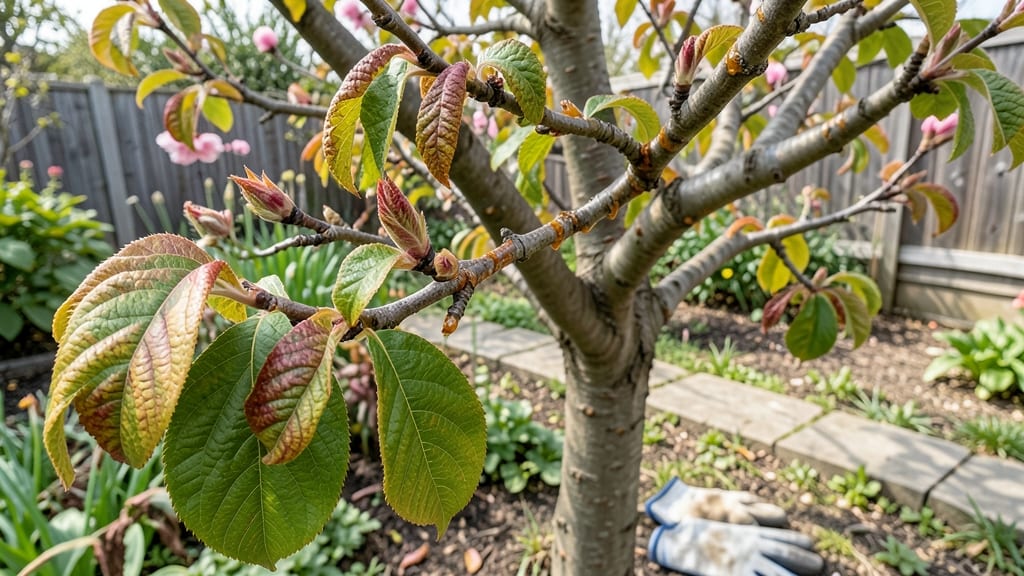
Your peach tree problems with leaf curl aren’t just ugly—they’re a fungal infection that’s spreading faster than you think. 🌿 I’ve watched this disease turn lush canopies into sad, puckered messes, but copper spray can turn things around in just 7 days if you act fast.
The key? Spraying at the right time and using the right mix to stop the fungus before it ruins next year’s crop.
Leaf curl thrives in wet springs, and once those curled leaves appear, the damage is already done. But here’s the good news: copper spray works because it’s a preventive shield, not just a bandage.
You’ll need to spray before buds swell in early spring, and again after harvest to protect next year’s growth. Think of it like armor for your tree’s leaves—simple, effective, and non-toxic once dry.
By the end of the week, you’ll see new leaves unfurling smooth and green, not curled and brittle. The copper spray stops the fungus in its tracks, and with proper pruning (removing infected branches), your tree can bounce back stronger than ever.
The best part? This method works for all stone fruits—peaches, nectarines, even plums—so you can protect your whole orchard.
Now, don’t wait until you see the first curled leaf—that’s too late. The spray needs to hit before the fungus takes hold, so mark your calendar for late winter to early spring.
I’ll walk you through the exact timing, the right copper concentration, and how to prune without stressing the tree. Let’s get your peach tree back to its glory days.
Root Causes Of Leaf Curl
Understanding why your peach tree develops leaf curl is the first step toward fixing it. This frustrating condition—where leaves pucker, thicken, and twist—is rarely a single culprit but usually a mix of environmental stresses, fungal infections, or poor tree health.
Let’s break down the most common why it happens scenarios with clear, science-backed explanations.
🍄 Peach Leaf Curl (Taphrina deformans) is the primary fungal pathogen responsible for this issue. Here’s how it works:
- Winter Dormancy Trickery: The fungus survives on buds, twigs, and even fallen leaves over winter. When spring arrives, it reactivates as temperatures rise (typically between 40–60°F). - Moisture-Loving Germination: The fungus thrives in wet conditions, especially during early spring rains.
Spores release and infect young, tender leaves as they emerge. - Leaf Warping Mechanism: Once inside the leaf tissue, the fungus disrupts cell division, causing cells to grow unevenly. This leads to the classic thickened, curled, and red-purple appearance.
Pro Tip: 🌡️ If your region has mild, wet springs, your tree is at higher risk—this is the fungus’s ideal breeding ground.
🌧️ Poor Growing Conditions can make peach trees more susceptible to leaf curl, even without fungal infection. Key triggers include:
- Extreme Temperature Fluctuations: Sudden cold snaps followed by warm spells shock the tree, weakening its defenses.
Young leaves are especially vulnerable. - Inadequate Sunlight: Shady spots or overcrowded branches reduce photosynthesis, leaving the tree energy-deprived and prone to stress-related curling. - Water Stress: Both overwatering (leading to root rot) and drought (causing dehydration) stress the tree, making it easier for pathogens to take hold.
Actionable Insight: ✨ Mulch properly (2–4 inches of organic mulch) to regulate soil temperature and moisture, reducing stress.
📊 Mineral Imbalances can mimic or worsen leaf curl symptoms. The most common deficiencies include:
| Deficiency | Symptoms | Why It Matters |
|---|---|---|
| Nitrogen (N) | Pale yellow leaves, stunted growth | Nitrogen fuels leaf production; low levels = weak, curled leaves. |
| Zinc (Zn) | Small, curled leaves near new growth | Zinc aids enzyme function; deficiency distorts cell development. |
| Potassium (K) | Yellow edges, weak stems | Potassium strengthens cell walls; deficiency = poor disease resistance. |
Fix It: 💡 Conduct a soil test to identify deficiencies. Apply a balanced fertilizer (e.g., 10-10-10) in early spring, or use chelated micronutrients for zinc/potassium.
🔪 Mechanical Injury from hail, strong winds, or improper pruning can tear or bruise emerging leaves, making them prime targets for fungal infection. Even insect damage (like mites or aphids) can create entry points for pathogens.
Prevention Tip: 🌿 Prune in late winter/early spring (before bud break) to avoid stimulating new growth that’s vulnerable to damage.
🌬️ Dense Canopy or Overgrown Branches trap moisture, creating a fungus-friendly microclimate. When leaves stay wet for long periods, spores germinate and spread rapidly.
Solution: ⏰ Thin out branches to improve airflow, especially in humid climates. Aim for 6–12 inches of space between branches.
Key Takeaway: Leaf curl is often a combo of fungal infection + stress factors. Addressing moisture, nutrition, and tree health will help your peach tree bounce back faster—especially when paired with a copper spray treatment (which we’ll cover next!).
Quick Fixes for Leaf Curl Recovery
Peach trees suffering from leaf curl can look hopeless, but with the right approach, you can restore their health and prevent future outbreaks. Below are targeted solutions based on the most common causes, from fungal infections to environmental stress.
Each fix is designed to be practical, fast, and effective—so you can see results in weeks, not months.
If leaf curl is caused by peach leaf curl fungus (Taphrina deformans), copper-based treatments are your best defense. This disease thrives in wet, cool springs, so act fast before symptoms spread.
🔥 Step 1: Apply Copper Fungicide (Dormant Season)
- When: Apply copper fungicide (like copper sulfate or copper hydroxide) before buds swell (late fall or early winter) and again just as buds begin to open in early spring.
- How: Mix the fungicide according to label instructions (typically 1–2 tbsp per gallon of water).
Use a hose-end sprayer for even coverage. - Coverage: Spray all surfaces—trunk, branches, and buds—until glistening wet. Focus on the undersides of leaves where spores hide.
🍳 Step 2: Prune Infected Branches
- When: Remove severely curled, distorted, or dead leaves/branches in late winter or early spring (before new growth).
- How: Use clean, sharp pruners (disinfect with rubbing alcohol between cuts).
Cut 6–12 inches below infected areas to ensure you remove all fungal spores. - Pro Tip: 💡 Bag and dispose of pruned material in the trash (not compost)—fungus can survive in organic matter!
🌡️ Step 3: Improve Air Circulation
Fungal spores spread faster in humid, stagnant conditions.
Boost airflow to dry leaves quickly: - Thin out dense foliage to allow sunlight and air to reach the center of the tree. - Space trees 12–15 feet apart if replanting. - Avoid overhead watering—use drip irrigation instead to keep leaves dry.
If leaf curl stems from heat stress, nutrient deficiency, or improper watering, the fix is simpler: adjust your tree’s environment.
💧 Fix Watering Issues
- Overwatering? Let the soil dry 2–3 inches deep between waterings.
Use a moisture meter for accuracy. - Underwatering? Water deeply 1–2 times per week (more in extreme heat). Mulch with 2–3 inches of wood chips to retain moisture. - Pro Tip: ✨ Water in the morning to reduce evaporation and fungal risk.
🍎 Nutrient Boost for Weak Trees
Leaf curl can signal nitrogen or zinc deficiency. Give your tree a quick nutrient kick: - Soil Test First: Check pH (ideal: 6.0–7.0) and nutrient levels.
Adjust with lime (to raise pH) or sulfur (to lower it) if needed. - Fertilize Smartly: - Early Spring: Apply a balanced fertilizer (10-10-10) or organic compost. - For Zinc Deficiency: Use a zinc sulfate spray (follow label rates) every 2–3 weeks until new growth appears.
☀️ Shield from Extreme Heat
- Afternoon Shade: Use shade cloth (30–50%) on young trees during peak sun (11 AM–3 PM).
- Windbreaks: Plant fast-growing shrubs (like privet or arborvitae) on the west side of the tree to block hot winds.
If sap-sucking pests (like aphids, mites, or scale) are weakening your tree, they can worsen leaf curl symptoms.
🔪 Step 1: Identify the Pest
- Aphids/Mites: Tiny, moving insects on new growth (use a hand lens).
- Scale: Bumpy, immobile bumps on branches/trunk.
- Solution: Spray with neem oil (1 tsp per quart of water) or insecticidal soap (repeat every 5–7 days).
👨🍳 Step 2: Introduce Beneficial Insects
- Ladybugs (eat aphids) or lacewings (devour mites) can be purchased online and released at dawn.
- Pro Tip: 🎯 Avoid broad-spectrum pesticides—they kill helpful insects too!
Once your peach tree recovers, lock in long-term health with these proactive steps:
| Prevention Task | When to Do It | How to Do It |
|---|---|---|
| Copper Spray | Late fall & early spring | Apply copper fungicide before buds swell. |
| Prune & Clean Up | Winter | Remove all debris and disinfect tools. |
| Soil Test | Early fall | Check pH & nutrients; amend as needed. |
| Mulch Properly | Spring & fall | 2–3 inches of wood chips (keep 6" from trunk). |
| Monitor for Pests | Weekly in growing season | Check undersides of leaves for pests. |
Final Note: 🌟 Patience is key—some leaf curl damage is cosmetic, while other cases (like fungal infections) require consistent treatment. With these steps, your peach tree should bounce back in 7–14 days and produce lush, healthy leaves next season!
Frequently asked questions about peach tree leaf curl
Can I still harvest fruit from a peach tree with leaf curl?
The fruit itself won't be infected by leaf curl, but severely affected trees may produce smaller or lower-quality fruit. Focus on treating the tree first—healthy leaves mean better photosynthesis and stronger fruit development. If your tree is young or heavily infected, prioritize recovery over harvest.
How do I know if my peach tree has leaf curl or just nutrient deficiency?
Leaf curl from fungus shows thickened, puckered leaves with red-purple undersides, while nutrient deficiencies cause uniform yellowing or browning without curling. Check for other signs: fungal leaf curl appears first on new growth, while deficiencies affect older leaves first. A soil test can confirm nutrient issues.
Is copper spray safe for my peach tree and surrounding plants?
Copper spray is safe for peach trees when used correctly, but it can harm nearby vegetables and flowers. Apply only to the tree (not lawn or garden beds) and avoid spraying when bees are active. For extra safety, use copper hydroxide instead of sulfate—it's less likely to leach into soil and harm beneficial organisms.
Will pruning help if my peach tree already has curled leaves?
Yes, but timing matters! Remove only severely infected branches in late winter before buds swell. Cut 6-12 inches below visible damage to eliminate fungal spores. Never prune during active growth—this spreads spores and stresses the tree. Dispose of pruned material in the trash, not compost.
How often should I apply copper spray for prevention?
Apply copper fungicide twice a year: once in late fall/winter (before buds swell) and again in early spring (just as buds begin to open). For high-risk areas with wet springs, add a third application after harvest to protect next year's buds. Always follow label instructions for concentration.