
Leaf Blower
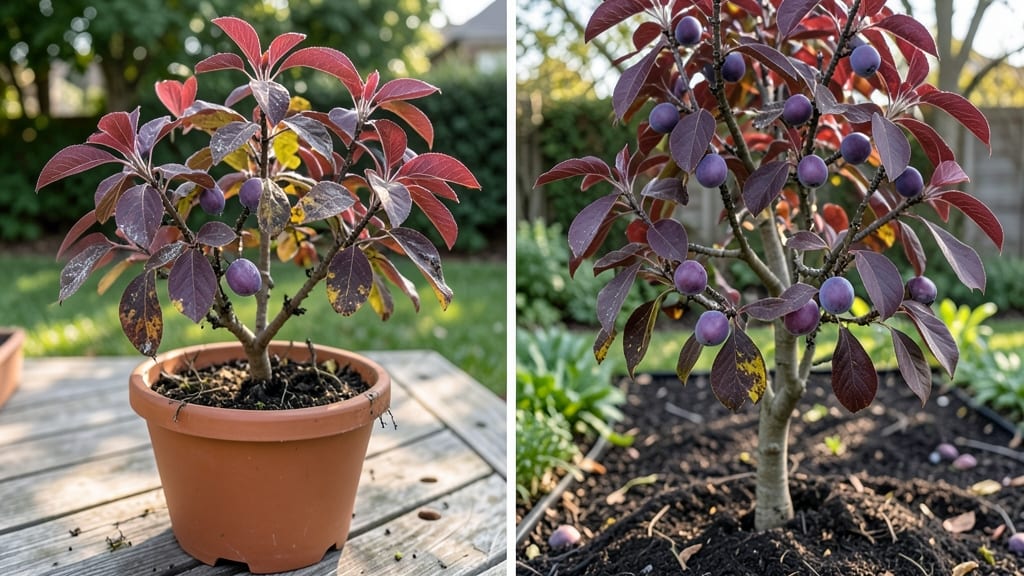
Your purple leaf plum tree is showing problems—its stunning purple foliage is fading to dull brown fast. 🌿 I’ve seen this happen after just one season of neglect, and the good news is most issues have simple fixes before they spiral.
The trick is acting early, when the tree can still bounce back. Common culprits include fungal leaf spots (those black or yellow splotches), pest invasions (tiny webs or chewed edges), or environmental stress from improper pruning or watering.
My first plum tree turned into a sad, bare skeleton because I ignored the early warning signs—don’t make that mistake. With the right approach, you’ll restore that vibrant purple within weeks. We’re talking pruning to open the canopy, targeted sprays for pests, and soil adjustments that keep roots happy.
The key is matching the symptom to the solution before the problem sets in. This works for backyard trees, container-grown plums, or even those in community gardens. Let’s get your tree back to its showstopping self—before the neighbors ask what happened!
Root Causes Behind Tree Struggles
Your stunning purple leaf plum tree (Prunus cerasifera 'Atropurpurea') thrives on drama—vibrant foliage, striking bark, and a show-stopping presence. But when issues arise, they’re rarely random. Understanding the why behind common problems is the first step to restoring its health.
Let’s dig into the science and environmental triggers that turn your tree’s lush leaves into a caution flag.
Purple leaf plums are hardy, but they’re not built for sudden swings in temperature. When winter’s chill gives way to an unseasonable warm spell—or vice versa—your tree’s delicate buds and foliage can suffer.
- Frost Damage: Late spring frosts (<32°F) can blacken new leaves or kill emerging buds before they open. The tree’s dormancy hormones (like abscisic acid) break down too early, leaving tender tissue vulnerable.
- Winter Desiccation: Dry, windy winters strip moisture from leaves, causing a condition called winter burn. The tree’s waxy cuticle (its natural moisture barrier) cracks under stress, leading to brown, crispy edges.
- Heat Stress: Temperatures above <95°F for prolonged periods disrupt photosynthesis. The tree’s stomata (pores on leaves) close to conserve water, but this also blocks CO₂ intake, stunting growth or causing leaf scorch.
Why it matters: Purple leaf plums are semi-dormant in winter—they’re alive but metabolically slow. A sudden temperature shift jolts them back into active growth, depleting stored energy reserves before they’re replenished.
This tree isn’t picky, but it does demand balance. Soil that’s too alkaline, compacted, or lacking key nutrients sends your plum into distress mode.
| Issue | Scientific Cause | Visual Clues |
|---|---|---|
| Iron Chlorosis | High pH (>7.0) locks out iron (Fe³⁺), even if soil has plenty. The tree can’t produce chlorophyll, leading to yellowing between veins. | Yellow leaves with purple stems/veins (especially on new growth). |
| Nitrogen Deficiency | Low organic matter or poor microbial activity reduces nitrate availability. The tree prioritizes root growth over foliage, causing stunted, pale leaves. | Uniform yellowing (not just veins), slow growth, sparse buds. |
| Compacted Soil | Heavy foot traffic or clay soil restricts oxygen diffusion to roots. Without O₂, roots can’t absorb water or nutrients efficiently, triggering stress signals. | Wilting despite moist soil, stunted roots, or fungal growth at the base. |
Pro Tip: Purple leaf plums prefer slightly acidic to neutral soil (pH 6.0–7.0). Test your soil—if pH is >7.0, amend with chelated iron or sulfur to lower it gradually. 🌡️
Purple leaf plums are magnets for pests and diseases, especially when stressed. Weakened trees can’t mount a strong defense, turning minor infestations into full-blown crises.
- Japanese Beetles & Plum Sawflies: These pests skeletonize leaves by chewing between veins. Their feeding triggers the tree to release jasmonic acid, a stress hormone that accelerates leaf drop.
- Scale Insects: These sap-suckers excrete honeydew, which fosters sooty mold—a black fungal growth that blocks sunlight. The tree’s phloem (nutrient transport system) gets clogged, leading to wilting.
- Bacterial Leaf Spot (Xanthomonas): Wet foliage + warm nights (60–80°F) create the perfect storm for this pathogen. It clogs stomata, preventing gas exchange and causing dark, water-soaked spots.
Key Trigger: Wound sites (from pruning, hail, or mechanical damage) are like open doors for invaders. A single cut can introduce pathogens 100x faster than on unbroken bark.
Purple leaf plums hate consistency—they thrive on balance. Watering mistakes disrupt their hydraulic lift system, where roots pull moisture upward while pushing excess deeper into the soil.
- Overwatering: Soggy soil suffocates roots by displacing oxygen. Anaerobic conditions trigger root rot (caused by Phytophthora fungi), which blocks water uptake. The tree “drowns” despite wet soil.
- Underwatering: Dry soil creates osmotic stress, forcing roots to work harder to extract moisture. Leaves curl or drop to reduce water loss, but the tree’s xylem vessels (water conduits) can collapse from air bubbles.
- Inconsistent Watering: Fluctuating moisture levels confuse the tree’s abscisic acid signals, leading to leaf scorch or premature bud drop.
Actionable Fix: Aim for 1–1.5 inches of water per week (including rain). Use a moisture meter to check soil depth—roots should stay in the 50–70% moisture range, never soggy or bone-dry. 💡
Even well-intentioned pruning or harsh conditions can send your plum into shock. The tree’s wound response involves sealing cuts with callus tissue, but improper techniques or timing can derail recovery.
- Over-Pruning: Removing >25% of foliage in one season disrupts the tree’s source-sink relationship (leaves producing energy vs. roots storing it). New growth becomes weak, inviting pests.
- Wrong Time to Prune: Cutting in late winter/early spring (when buds are swelling) triggers bleeding (sap loss), weakening the tree before it’s ready to photosynthesize.
- Air Pollution/Salt Damage: Urban trees near roads or de-iced sidewalks suffer from fluoride toxicity or salt burn. These chemicals disrupt cell membrane integrity, causing leaf tip burn or marginal necrosis.
Science Note: Purple leaf plums are moderately sensitive to pruning stress due to their thin bark. Always use sterilized tools and make cuts at a 45° angle just outside the branch collar to minimize damage. ✨
Quick Fixes for Healthy Plum Trees
Reviving your purple leaf plum tree starts with identifying the root cause—but once you’ve pinpointed the issue, the fixes are often simpler than you think. Below are practical, step-by-step solutions for the most common problems, plus prevention tips to keep your tree thriving for years.
Let’s get your tree back to its vibrant, blooming best!
Cause: Overwatering, nutrient deficiency, or fungal infections (like powdery mildew or leaf spot). Solution:
- Adjust Watering 💧
- Purple leaf plums hate soggy roots. Water deeply 1–2 times per week (more in extreme heat), ensuring the top 6 inches of soil dry out between sessions.
- Install a soaker hose or drip irrigation to deliver water slowly at the base—avoid wetting leaves to prevent fungal spread.
- Fertilize Smartly 🌱
- Test your soil (kits cost ~$20) and amend with a balanced fertilizer (10-10-10) in early spring. For yellowing from iron deficiency, use chelated iron (apply in acidic soil, pH 6.0–7.0).
- Avoid high-nitrogen fertilizers—they burn roots and worsen leaf drop.
- Treat Fungal Issues 🍄
- Prune infected leaves (sterilize shears with rubbing alcohol) and dispose of them in the trash (not compost).
- Spray with neem oil (1 tbsp per gallon of water) or copper fungicide every 7–10 days until new growth appears.
💡 Prevention Tip:
- Mulch with wood chips (2–3 inches deep) to retain moisture and regulate soil temperature. Keep mulch 6 inches away from the trunk to prevent rot.
Cause: Purple leaf plums thrive in zones 5–9 but struggle with sudden temperature swings, drought, or winter burn. Solution:
- Shade in Extreme Heat ☀️
- If temps exceed 90°F (32°C), provide afternoon shade with a lightweight shade cloth (30–50% coverage). Avoid plastic tarps—they trap heat.
- Water early morning (before 9 AM) to reduce evaporation.
- Protect from Winter Burn ❄️
- In zones 5–6, wrap the trunk and branches with burlap or tree wrap in late fall. Remove it in early spring to avoid trapping heat.
- Avoid salt or de-icing chemicals near the tree—they damage roots.
- Gradual Acclimation 🌱
- If moving a potted plum tree, harden it off over 7–10 days by exposing it to outdoor conditions slowly.
💡 Prevention Tip:
- Plant in a sheltered location (e.g., near a south-facing wall) to buffer wind and temperature extremes.
Cause: Sap-sucking insects (aphids, scale) or plum curculio borers weaken trees by feeding on leaves, bark, or roots. Solution:
- Manual Removal 🪒
- Aphids/Scale: Blast off with a strong stream of water from a hose. Repeat every 3–4 days for 2 weeks.
- Plum Curculio: Handpick larvae from fruit (wear gloves!) and drop them in soapy water.
- Natural Sprays 🍋 - Soap spray: Mix 1 tbsp mild dish soap + 1 quart water in a spray bottle.
Test on a small leaf first. - Insecticidal soap or horticultural oil (apply in early morning to avoid burning leaves). - Beneficial nematodes (for root-dwelling pests like grubs)—apply to moist soil in late spring.
- Barrier Treatments 🛡️
- Wrap the trunk with sticky tree tape in early spring to trap crawling pests like scale.
- Row covers (lightweight fabric) can protect young trees from flying insects.
💡 Prevention Tip:
- Encourage predators! Plant marigolds, dill, or yarrow nearby to attract ladybugs and lacewings, which devour aphids.
Cause: Root rot, girdling roots, or bacterial canker (often from wounds or poor pruning). Solution:
- Check for Root Rot 🌱
- Gently dig around the base—black, mushy roots = rot. If severe, replace the tree (rot spreads fast).
- If early-stage: Improve drainage by amending soil with perlite or sand, and reduce watering.
- Prune for Health ⏰
- Remove dead, crossing, or diseased branches with clean cuts (sterilize tools between cuts).
- Avoid heavy pruning in fall/winter—it stresses the tree and invites bacterial canker.
- Treat Bacterial Canker 🔥
- Prune out infected areas (cankers appear as oozing, sunken wounds) and dispose of clippings.
- Apply copper fungicide (follow label rates) to wounds and surrounding bark.
💡 Prevention Tip:
- Water at the base only—never overhead—to prevent bacterial splashing onto the trunk.
Cause: Over-pruning, nutrient imbalance, or lack of sunlight. Solution:
- Prune in Late Winter 🌿
- Cut back only dead or weak branches—avoid heavy pruning, which reduces flowering.
- Remove suckers (shoots at the base) to redirect energy to blooms.
- Boost Flowering with Fertilizer 🌼
- Use a low-nitrogen, high-phosphorus fertilizer (e.g., 5-10-10) in early spring to encourage blooms.
- Add compost annually to improve soil health.
- Ensure Full Sun ☀️
- Purple leaf plums need 6+ hours of direct sunlight daily. If shaded, consider transplanting to a sunnier spot.
💡 Prevention Tip:
- Deadhead spent flowers (remove faded blooms) to prompt more blossoms next season.
Final Thought: Most purple leaf plum problems are preventable with consistent care—proper watering, smart pruning, and early pest control go a long way. 🌳 Start with one fix at a time, and your tree will reward you with vibrant foliage and stunning blooms in no time!
Frequently asked questions
Why are my purple leaf plum tree's leaves turning brown and crispy at the edges?
This is likely winter burn, caused by dry winter winds stripping moisture from leaves. Protect your tree by wrapping the trunk with burlap in late fall, and avoid overhead watering. Mulch heavily around the base to retain moisture—this helps prevent moisture loss during cold snaps.
My purple leaf plum tree has yellow leaves with purple veins—what's wrong?
This classic symptom signals iron chlorosis, usually from alkaline soil (pH >7.0). Test your soil and amend with chelated iron or sulfur to lower pH. For quick results, apply iron sulfate granules around the root zone. Purple leaf plums thrive in slightly acidic soil (pH 6.0–7.0).
How do I get rid of tiny webs on my plum tree leaves?
Those webs are likely from spider mites. Blast them off with a strong hose stream, then apply neem oil (1 tbsp per gallon of water) every 5–7 days. For severe infestations, use insecticidal soap. Encourage natural predators like ladybugs by planting marigolds nearby.
Can I prune my purple leaf plum tree in summer?
Light pruning in summer is fine, but avoid heavy cuts—this stresses the tree. Focus on removing dead or diseased branches only. Always sterilize your tools between cuts to prevent disease spread. The best time for major pruning is late winter when the tree is dormant.
Why isn't my purple leaf plum tree blooming?
Lack of blooms usually means insufficient sunlight (<6 hours/day) or over-pruning. Move to a sunnier spot if needed, and avoid heavy pruning. Apply a low-nitrogen, high-phosphorus fertilizer in early spring to encourage flowering. Deadhead spent blooms to prompt more flowers next season.