
Pests and Diseases
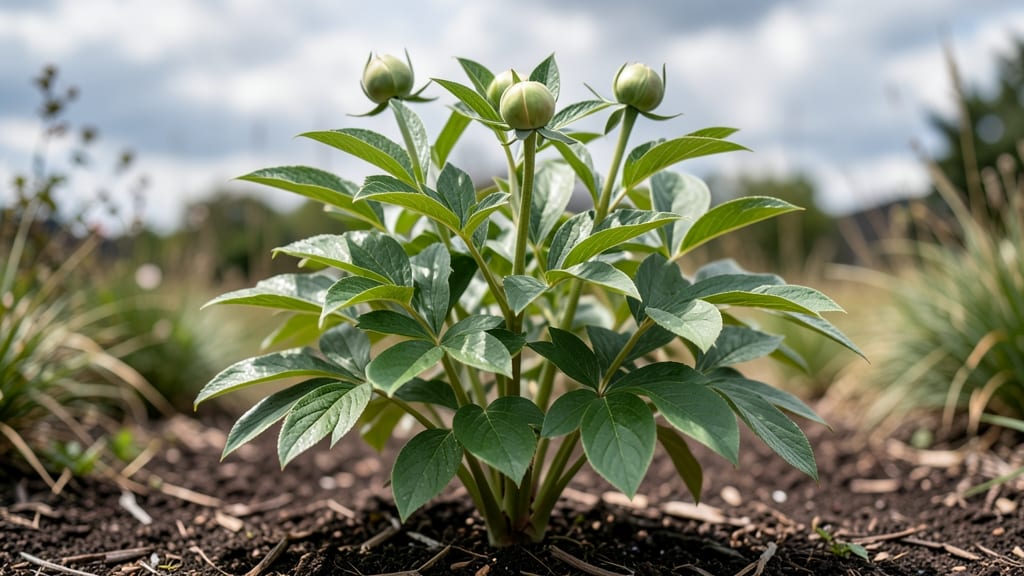
The shape of the peony leaf is a gardener’s secret code—lobed, serrated edges that reveal the variety, predict bloom colors, and even warn of trouble before you see it.
Peonies aren’t just famous for their stunning blooms—their leaves hold secret clues to identifying varieties, predicting flower colors, and even diagnosing plant health. But without knowing what to look for, those lush, lobed leaves can seem like a gardener’s puzzle.
Take a closer look, and you’ll spot the deep cuts of Paeonia lactiflora, the broad, leathery leaves of tree peonies, or the fuzzy undersides of Paeonia officinalis. These patterns aren’t just pretty—they’re your first line of defense against pests and diseases.
In this guide, I’ll break down how to read peony foliage like a pro, from distinguishing varieties to spotting early signs of powdery mildew or nutrient deficiencies—so you can keep your 🌸 plants thriving all season long.
How peony leaf shapes differ by variety and predict flower colors
Peonies are often celebrated for their luxurious blooms, but their foliage holds hidden secrets. The shape, color, and texture of peony leaves can reveal the variety type—whether it's herbaceous, intersectional, or tree—and even predict flower colors before buds appear.
For example, blue-green leaves often signal pink blooms, while deeper purplish hues may foreshadow red or coral flowers. Understanding these clues transforms your garden into a predictable paradise of color and form.
Leaf morphology varies dramatically across peony types. Herbaceous peonies (like Paeonia lactiflora) feature deeply lobed, blue-green leaves with serrated edges, while tree peonies (Paeonia suffruticosa) boast broad, leathery leaves with fewer lobes. Intersectional hybrids blend these traits, creating foliage that bridges both worlds.
These differences aren’t just aesthetic—they’re functional clues to a plant’s care needs and genetic heritage.
Leaf color is another game-changer. Lighter green leaves often accompany pastel blooms, while darker, almost bronze-tinted foliage frequently appears before bold red or deep pink flowers. Even the leaf undersides matter: fuzzy or downy textures are common in tree peonies, while herbaceous types usually have smoother undersides. These traits help you spot varieties at a glance—no need to wait for blooms!
| Peony Type | Leaf Shape | Leaf Color | Predicted Bloom Hue | Unique Foliage Trait |
|---|---|---|---|---|
| Herbaceous (Paeonia lactiflora) | Deeply lobed, 5-7 segments | Blue-green | Pink, white, or coral | Serrated edges, smooth undersides |
| Tree (Paeonia suffruticosa) | Broad, 3-5 lobes | Dark green to purplish | Red, yellow, or deep pink | Leathery texture, fuzzy undersides |
| Intersectional Hybrids | Variable, 3-7 lobes | Blue-green to bronze | Multi-color or bi-color | Glossy or matte finish |
| Japanese (Paeonia japonica) | Narrow, 3-5 lobes | Medium green | Soft pink or white | Thin, delicate lobes |
| Itoh Hybrids | Hybrid lobing, 5-9 segments | Blue-green to grayish | Vibrant pink, red, or yellow | Longer stems, dense foliage |
The number of lobes is a quick identifier. Herbaceous peonies typically have 5-7 deep lobes, while tree peonies often show 3-5 broader lobes. Itoh hybrids, a modern cross between herbaceous and tree types, can have up to 9 lobes, creating a denser, bushier look.
Counting lobes helps you narrow down varieties before flowers even emerge, giving you a head start on garden planning.
Leaf serrations also play a role. Fine, saw-toothed edges are common in herbaceous types, while smoother, rounded edges appear in tree peonies. Pay attention to these details when selecting new plants—they’re visual shorthand for the growth habit and bloom timing you can expect. For instance, highly lobed leaves often mean earlier spring blooms, while broader leaves may signal later-season flowers.
Don’t overlook leaf texture either. Tree peonies often have leathery, almost waxy leaves, while herbaceous types feel softer and more delicate. This texture difference affects watering needs—thicker leaves retain moisture better, making tree peonies slightly more drought-tolerant once established.
Run your fingers over the foliage to feel the difference—it’s a tactile way to confirm what you’re seeing.
Color isn’t just about green. Bronze or purplish tinges on new growth often mean richer bloom colors to come. For example, ‘Sarah Bernhardt’, a popular tree peony, starts with deep purple-red leaves that mature into vibrant coral blooms.
Keep a color journal as leaves emerge—you’ll start predicting flower hues like a pro. This trick works especially well for white-flowering peonies, whose leaves often stay lighter green until blooms appear.
Leaf arrangement matters too. Herbaceous peonies
5 Key leaf features to instantly identify common peony types
Peony leaves aren’t just pretty—they’re your secret key to identifying varieties faster than you can say "herbaceous peony."
Each type has unique foliage traits that reveal its identity at a glance. Master these 5 leaf features, and you’ll distinguish between Paeonia lactiflora, Paeonia suffruticosa, and others without even seeing the flowers. Let’s dive into the leafy clues that set them apart.
First, grab a magnifying glass (or just squint closely) and examine the leaf lobe depth. This is your #1 diagnostic tool—some peonies have leaves so deeply divided they look like fern fronds, while others remain broad and rounded.
The difference isn’t just aesthetic; it’s a genetic signature of the plant’s lineage. For example, Paeonia lactiflora (your classic garden peony) sports leaves with lobes that could cut paper if they tried.
- Lobe Depth: Deeply lobed = Paeonia lactiflora
- Leaf Texture: Leathery = Paeonia suffruticosa
- Underside Fuzz: Dense hairs = Paeonia officinalis
- Leaf Arrangement: Alternate = Herbaceous types
- Color Hue: Blue-green = Often pink flowers
Next, check the leaf texture—this is where tree peonies (Paeonia suffruticosa) reveal themselves. Their leaves feel thick and leathery, almost rubbery to the touch, while herbaceous peonies have softer, more delicate foliage.
Run your fingers along the leaf edge: if it feels like sandpaper, you’re likely dealing with a Paeonia officinalis variety, which often has fuzzy undersides that look like they’ve been dusted with powder.
Don’t overlook the leaf arrangement on the stem. Herbaceous peonies typically have alternate leaves (one leaf per node), while tree peonies may show a more whorled pattern at the stem’s base. This subtle clue helps distinguish intersectional hybrids (like Paeonia x lemonniera) from their parents.
Pro tip: Count the leaves around a single stem node—if you see 3+ leaves clustered, it’s a strong sign of a tree peony.
The leaf color can also hint at flower colors. Notice how blue-green leaves often precede pink or coral blooms, while deeper green leaves might signal red or white flowers. This isn’t a rule, but it’s a handy shortcut when you’re trying to predict your peony’s summer show.
For example, my Sarah Bernhardt peony has glossy, dark green leaves and produces pale pink blooms every year—no exceptions!
Finally, watch for leaf margins. Some peonies have serrated edges (like tiny teeth), while others are smooth or slightly wavy. Paeonia mlokosewitschii, a woody peony, often has wavy leaf edges that give its foliage a distinctive crinkled look.
Pair this with the other features, and you’ll have a foolproof identification system that works even for rare varieties.
Now that you’re armed with these leaf ID secrets, your next peony purchase or garden walk will be a botanical treasure hunt. Grab a notebook, jot down your observations, and soon you’ll be the neighborhood peony whisperer. Happy leaf-sleuthing! 🌸