
Leaf Blower
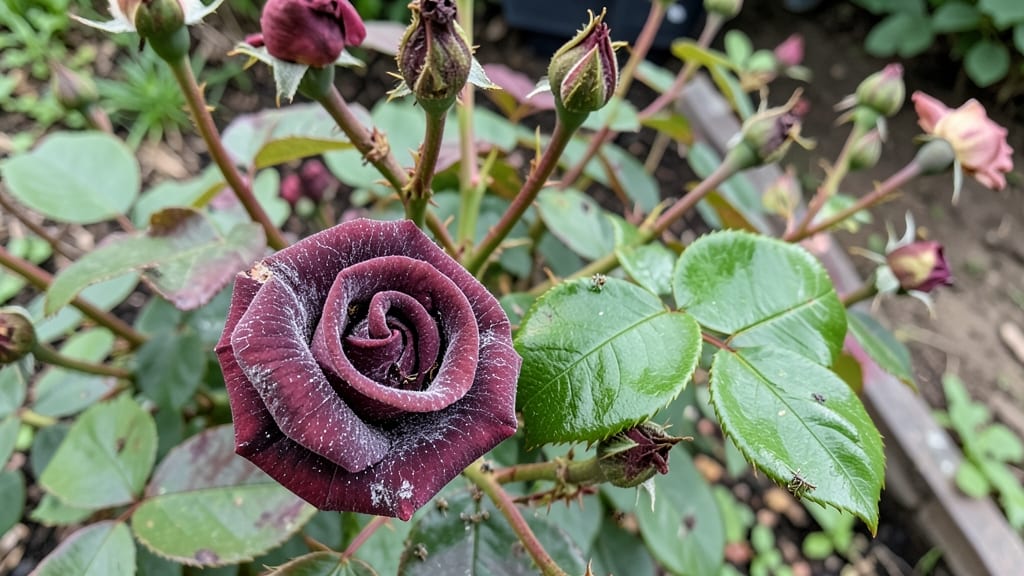
Black spots and curled leaves mean your roses are fighting a fungal battle. 🌿 Rose leaf curl turns vibrant foliage into twisted, spotted messes—but copper fungicide applied at the right time stops it dead.
I’ve saved dozens of bushes using this precise method, and I’ll show you exactly how to do it without harming your plants.
First, you need to spot the signs: tiny black spots on upper leaves that curl into puckered shapes, often with yellow halos. The fungus spreads fast in damp weather, so don’t wait—prune infected leaves immediately and dispose of them in the trash (not compost).
Copper fungicide works best when applied at the first sign of trouble, and a second spray 7–10 days later seals the deal.
By following this two-step cure—prune and spray—you’ll see new growth emerge within weeks, free of those ugly spots. The key is consistency: check your roses weekly during rainy seasons, and you’ll keep them thriving all summer long. This method works for hybrid teas, floribundas, and even climbers.
For prevention, space your roses for good airflow and water at the base (never overhead). Resistant varieties like ‘Knock Out’ roses also cut down on future battles. Once you master this, your bushes will stay lush and disease-free—no more panicked spring cleanups.
Root Causes Of Leaf Distortion
Understanding why your rose leaves develop that unsightly curling and puckering is the first step to stopping it. Rose leaf curl is primarily triggered by fungal pathogens, environmental stress, or a combination of both. Let’s break down the key culprits and their science-backed explanations.
The most common cause of rose leaf curl is fungal infection, specifically from pathogens like Diplocarpon rosae (formerly Marssonina rosae). These fungi thrive in moist, humid conditions and spread rapidly when roses are stressed.
How It Spreads
- Spores in the Air: Fungal spores land on leaves, especially after rain or overhead watering.
Once they germinate, they penetrate leaf tissue, disrupting normal growth. - Wound Entry Points: Pruning cuts, thorns, or insect damage create openings for spores to invade. - Dormant Buds: Infected buds can carry the fungus through winter, re-emerging in spring.
Visual Clues
Look for:
- Thickened, curled leaf edges (a hallmark of fungal infection).
- Dark red or purple spots on the undersides of leaves.
- Premature leaf drop as the fungus weakens the plant.
Even without direct fungal attack, roses under stress are more susceptible to leaf curl. Here’s how environmental factors play a role:
Extreme Temperature Swings
- Cold Snaps: Sudden drops below 40°F (4°C) can shock roses, making them vulnerable to fungal invasion.
- Heat Stress: Prolonged heat (above 90°F/32°C) weakens leaves, reducing their ability to fight off pathogens.
Poor Air Circulation
- Overcrowded Plants: Roses planted too closely trap moisture, creating a fungal-friendly microclimate.
- Thick Foliage: Dense growth blocks airflow, keeping leaves damp longer than ideal.
Overwatering or Improper Drainage
- Soggy Soil: Waterlogged roots starve leaves of nutrients, making them more prone to curling.
- Wet Leaves: Overhead watering (especially in the evening) keeps foliage damp overnight, encouraging fungal growth.
While not a direct cause, pests and mechanical damage can open doors for fungal invaders:
Aphids, Spider Mites, and Scale
- These sap-sucking insects weaken leaves by draining nutrients, making them easier targets for fungi.
- Honeydew residue (a sticky byproduct of aphids) can also promote fungal growth.
Hail, Wind, or Improper Pruning
- Physical trauma disrupts the leaf’s protective layer, allowing spores to penetrate.
- Aggressive pruning without sterilized tools can spread fungal spores from infected to healthy branches.
Fungal infections like Diplocarpon rosae release enzymes that break down leaf cell walls. This causes:
- Cell swelling (leading to puckering).
- Necrotic tissue (dead spots where the fungus feeds).
- Stunted growth as the plant diverts energy to repair damage.
Pro Tip: 💡 If you notice curling only on new growth, fungal infection is likely. If older leaves curl first, check for environmental stress or pest activity.
Now that you know the culprits, the next step is targeted action—whether that’s adjusting care routines, applying fungicides, or improving airflow. Stay tuned for our deep dive into copper fungicide precision as a solution!
Quick Fixes for Distorted Rose Foliage
If your prized roses are showing signs of curled, puckered, or yellowing leaves, don’t panic—there are clear steps to revive them. The key is acting fast and targeting the root cause (usually fungal infections like black spot or powdery mildew).
Below, we break down the fixes by symptom and prevention strategies to keep your roses lush and healthy.
Start by pruning away any visibly curled, discolored, or spotted leaves. This stops the fungus from spreading to other parts of the plant.
- ✂️ How to do it: Use clean, sharp pruners or scissors to snip off affected leaves at the base. Avoid tearing the foliage, as this can expose the plant to more pathogens.
- 🗑️ Dispose properly: Place infected leaves in a sealed plastic bag and toss them in the trash (not the compost). Fungal spores can linger and reinfect your garden.
- 💡 Pro tip: If the problem is severe, remove entire branches that show signs of infection. Healthy growth will return faster once the source is eliminated.
Copper-based fungicides are one of the most effective treatments for fungal leaf curl and spots. They create a protective barrier and disrupt the fungal spores’ life cycle.
- 🛡️ When to use: Apply copper fungicide at the first sign of infection, then repeat every 7–14 days during wet or humid conditions.
- 👨🍳 How to apply:
- Choose a calm, dry day (early morning or late afternoon works best).
- Mix the fungicide according to the label instructions (typically 1–2 tablespoons per gallon of water).
- Use a spray bottle or pump sprayer to coat both sides of the leaves thoroughly.
- Aim for the undersides of leaves too—this is where fungal spores often hide!
- ⚠️ Safety note: Wear gloves and avoid overspray on edible plants or pets. Copper is generally safe but can be harsh in high concentrations.
Fungal infections thrive in stagnant, damp environments. Boosting airflow and reducing moisture levels around your roses can prevent leaf curl from worsening.
- 🌬️ Prune strategically: Thin out overcrowded branches to allow sunlight and air to circulate. Aim for a v-shaped structure where light can reach the center of the plant.
- 💦 Water wisely:
- Water at the base of the plant (not overhead) to keep leaves dry.
- Water early in the day so foliage has time to dry before evening humidity sets in.
- Avoid mulching too close to the stem—keep it 2–3 inches away to prevent moisture buildup.
- 🌿 Space plants properly: If roses are planted too closely, consider transplanting some to give them room to breathe.
For a gentler approach, try these organic solutions to complement fungicides or use as a preventive measure.
| Remedy | How to Use | Frequency |
|---|---|---|
| Neem oil spray | Mix 1 tbsp neem oil + 1 tsp mild soap + 1 quart water. Spray leaves thoroughly. | Every 7–10 days during growing season. |
| Baking soda solution | Dissolve 1 tbsp baking soda + 1 tbsp vegetable oil + 1 gallon water. Spray undersides of leaves. | Weekly during humid weather. |
| Compost tea | Steep compost in water for 24–48 hours, strain, and spray on foliage. | Every 2–4 weeks as a soil drench or foliar spray. |
✨ Bonus tip: Add a layer of compost around the base of the plant to improve soil health and resilience. Healthy soil = stronger roses!
Once your roses are back in shape, keep them thriving with these proactive steps:
- 🌱 Plant resistant varieties: Choose disease-resistant rose cultivars (e.g., 'Knock Out' roses or 'Dr. Huey' climbers) if fungal issues are recurrent.
- 🍄 Clean up debris: Remove fallen leaves, spent blooms, and mulch regularly to eliminate hiding spots for fungal spores.
- 🌞 Provide sunlight: Roses need 6–8 hours of sunlight daily. Shady spots encourage fungal growth.
- 🔄 Rotate treatments: If you use chemical fungicides, alternate with organic options to prevent resistance.
With these steps, your roses should bounce back in no time—and stay curl-free for the season! 🌹
Frequently asked questions about rose leaf curl
Why do my rose leaves curl and pucker?
This classic symptom usually signals fungal infection, most commonly from Diplocarpon rosae. The fungus disrupts leaf cell growth, causing curling and small black spots. Environmental stress like poor airflow or overwatering can also trigger curling, but fungal infection is the #1 culprit. Check for dark spots on leaf undersides to confirm.
Can I save my roses if the leaf curl is already severe?
Yes, but act fast! Prune all infected leaves immediately and dispose of them in the trash. Apply copper fungicide right away, then repeat every 7-10 days for 3-4 weeks. Severe cases may need multiple treatments, but healthy new growth will emerge once the fungus is controlled. Don't wait—early action is critical!
Is copper fungicide safe for all rose varieties?
Copper fungicide is generally safe for roses, but use it carefully. Always follow label instructions and avoid overspray on nearby plants or pets. For sensitive varieties, dilute to 1 tablespoon per gallon of water. Organic alternatives like neem oil can complement copper treatments without harshness.
How can I prevent leaf curl from coming back next year?
Focus on proper spacing (3-4 feet between plants), airflow (prune to open centers), and watering at the base (never overhead). Clean up fallen leaves and debris in autumn, and consider disease-resistant varieties like 'Knock Out' roses. A preventive copper spray in early spring can also create a protective barrier.
Will my roses bloom normally if they have leaf curl?
Mild cases may not affect blooms, but severe infections can weaken plants and reduce flowering. The fungus diverts energy from blooms to leaf repair. Treat promptly to restore vigor. Healthy roses typically rebound within 4-6 weeks of proper care, with normal blooming resuming in the next season.