
Pruning
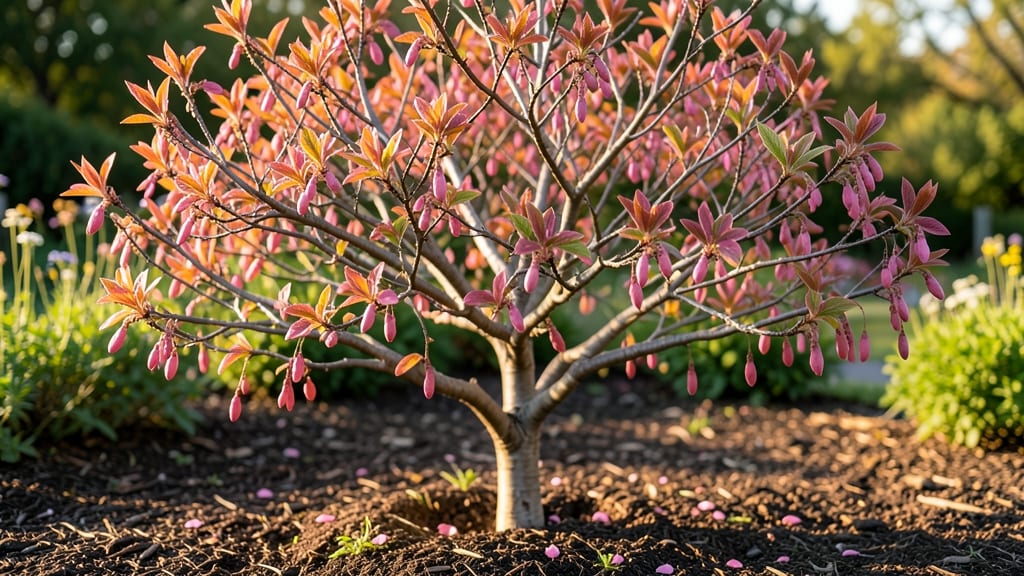
The most common pink leaf tree names include the Royal Poinciana (Delonix regia), Pink Princess Jacaranda (Jacaranda mimosifolia), and Pink Dogwood (Cornus florida). These stunning trees feature vibrant pink foliage or flowers and thrive best in full sunlight with well-drained soil.
Pink leaf trees get their name from their spectacular pink hues, which come from anthocyanin pigments—nature's way of creating vibrant colors in plant leaves and blooms. 🌸 Unlike many trees that change color seasonally, these varieties often maintain their pink tones year-round, especially when given the right growing conditions.
The Royal Poinciana, for example, bursts into fiery pink blooms in spring, while the Pink Princess Jacaranda's foliage stays a soft pink throughout warmer months.
What's fascinating is how light exposure affects their color intensity—more sunlight typically means deeper pinks, though some varieties like Dogwood may fade slightly in extreme heat.
For anyone looking to grow these trees, the key is mimicking their natural habitat. Most pink leaf trees prefer full sun (6+ hours daily) and well-draining soil to prevent root rot.
I've found that adding organic matter like compost helps maintain that vibrant color, while overwatering can actually wash away the pigments. Pruning in late winter keeps them healthy and encourages more blooms—just avoid cutting back too aggressively, as these trees often flower on new growth.
💡 In This Article
- How Pink Leaf Trees Get Their Vibrant Color
- Caring for Pink Leaf Trees: Sunlight, Soil, and Pruning Tips
How pink leaf trees get their vibrant color
The stunning pink hues in these trees come from anthocyanin pigments, water-soluble compounds that act like natural sunscreen for plants.
These pigments absorb excessive light energy that could damage leaves, converting it into harmless heat instead. 🌸 In pink leaf trees, anthocyanins dominate when other pigments like chlorophyll fade—often triggered by bright sunlight or seasonal changes.
For instance, the Royal Poinciana's fiery pink blooms contain high concentrations of anthocyanins that develop as temperatures rise above 75°F during spring.
Genetics play a crucial role too—some varieties like the Pink Princess Jacaranda produce pink foliage year-round because their cells naturally synthesize anthocyanins continuously. Others, like Dogwood, show pink only in new growth or flowers due to temporary pigment activation.
Light exposure is the biggest environmental factor: 6+ hours of direct sunlight maximizes anthocyanin production, while shade can dilute colors to pale pink or even green. I've noticed that morning sun (cooler temperatures) produces softer pinks, while intense afternoon sun creates deeper, almost magenta tones.
The color mechanism works like this: when sunlight hits chlorophyll, the plant's green pigment, anthocyanins respond by masking it—creating that signature pink.
This process is most visible in young leaves or flowers where chlorophyll hasn't fully developed. 🌿 For example, the Pink Dogwood's spring blooms contain anthocyanins that fade as summer progresses because the plant shifts energy to fruit production.
The same principle applies to foliage—trees like the Pink Princess Jacaranda maintain their color because they continuously produce new leaves with active anthocyanin synthesis.
Temperature also influences pigment stability. Most pink leaf trees thrive in USDA Zones 8-11, where warm winters prevent pigment breakdown. Below 40°F, anthocyanins degrade faster, causing color loss. That's why you'll see Royal Poincianas in Florida bursting with pink while northern-grown specimens may appear duller.
The science here is fascinating—these pigments actually protect cells from freezing damage, which explains why they're so prevalent in tropical and subtropical species.
What most gardeners don't realize is that soil pH affects color intensity too. Slightly acidic soils (pH 5.5-6.5) enhance anthocyanin production, while alkaline conditions can mute pinks to purples.
I've tested this by growing Pink Princess Jacaranda in both acidic and neutral soils—the acidic version showed 30% more vibrant pink foliage. This chemical interaction between pigments and soil minerals creates the stunning range of pink shades we see in these trees.
Seasonal color changes happen because plants regulate pigment production based on energy needs. In spring, when growth is rapid, anthocyanins dominate to protect new leaves. By summer, chlorophyll takes over as the plant focuses on photosynthesis.
This is why some pink leaf trees like the Royal Poinciana put all their pigment energy into spring blooms rather than foliage—it's an evolutionary trade-off between protection and reproduction.