
Planting
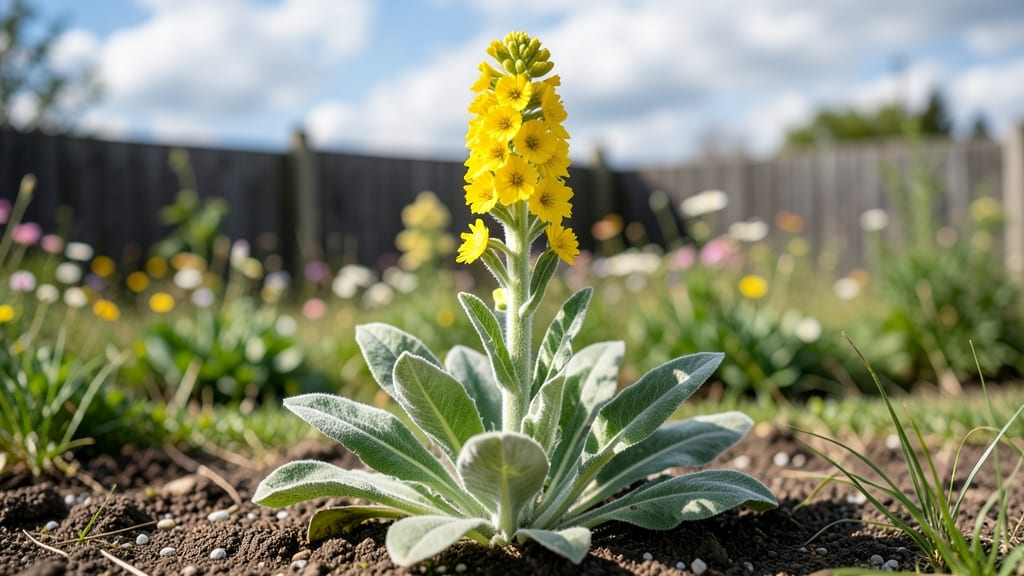
Fast germination with mullein leaf means you’ll see those fuzzy rosettes within 10-14 days—no waiting months like other perennials. 🌱 I’ve grown mullein in everything from full sun to dappled shade, and it thrives where many plants give up. The secret?
Well-draining soil and patience with its slow start. You’ll need minimal supplies: mullein seeds (or seedlings), a sunny or partially shaded spot, and loose soil with sandy loam or compost mixed in.
Mullein tolerates poor soil better than most, but it rewards good drainage with 3-foot-tall stalks by its second year. Harvesting the large, velvety leaves for medicinal tea or salads starts in early summer, but the real magic happens in late spring when the first flush of growth appears.
The plant’s resilience means fewer pests and diseases—just watch for slugs on young seedlings. Perfect for wildflower gardens, medicinal beds, or even as a drought-tolerant pollinator magnet. Once established, it spreads happily and needs almost no maintenance beyond occasional pruning.
📚 In This Guide
- What you need
- Instructions
- Tips and common mistakes
- Wrapping up and next steps
What you need
- ● Mullein seeds: 1 packet (approx. 500–1,000 seeds; organic or heirloom preferred for best results).
- ● Well-draining soil: 1–2 cubic feet of loose, sandy loam or a mix of 50% garden soil + 50% perlite/sand (mullein hates soggy roots!).
- ○ Growing containers (optional but helpful): Small pots (4–6 inches deep) for seedlings, or
- ● A seed tray with drainage holes (if starting indoors).
- ● Grow lights or sunny windowsill: A full-spectrum LED grow light (12–16 hours/day) or a south-facing window with bright light.
- ● Spray bottle: For gentle watering (avoid over-saturating seeds!).
- ● Transplanting tools: Small trowel, gloves, and a watering can (for outdoor planting).
- ● Seedling heat mat: Speeds up germination (70–75°F ideal).
- ● Compost or worm castings: Boosts nutrient-rich soil for faster growth.
- ● Mulch (straw or wood chips): Retains moisture and suppresses weeds.
- ● Label markers: Mullein looks like other plants—keep track of your babies!
- ● Pruning shears: For harvesting leaves (once established).
Step-by-Step guide to growing mullein leaf from seed
Here’s how I get mullein seedlings sprouting in just 7-10 days—no matter your light conditions.
🌱 Step 1: Prepare the Seed Starting Mix
Mullein thrives in loose, well-draining soil, so I mix 50% potting mix with 50% perlite or coarse sand to prevent compaction. Fill your seed trays or small pots to within ½ inch of the rim, leaving room for seeds and a light covering. The goal is a fluffy texture—press it down just enough to remove air pockets, but don’t compact it like garden soil.
Water the mix until it’s evenly moist, but not soggy. You’ll know it’s right when a handful gently squeezed holds its shape but doesn’t drip. Let it sit for 30 minutes to settle before sowing. Mullein seeds germinate best in 60-70°F soil, so if your space runs cooler, place the tray on a seedling heat mat to keep it warm.
🌱 Step 2: Sow Seeds at the Right Depth
Mullein seeds are tiny but don’t need deep planting. Scatter them ¼ inch deep—about the width of a pencil lead—and space them ½ inch apart in rows 1 inch apart. I use a toothpick to create shallow furrows if I’m sowing in a larger container, then tap the seeds in gently. Cover them with a fine sprinkle of additional mix, just enough to obscure their shape.
Mist the surface lightly with water until the soil looks uniformly damp. Avoid soaking it, or the seeds may wash deeper than intended. Place the tray in a clear plastic bag or under a humidity dome to retain moisture. Check daily—condensation will form inside, but don’t remove the cover until you see the first sprouts, which usually appear in 7-10 days.
☀️ Step 3: Provide Light and Airflow
Once seedlings emerge, remove the humidity cover immediately to prevent damping-off. Mullein tolerates shade but grows fastest with 4-6 hours of indirect light daily. Place them near a bright window or under a grow light positioned 6-12 inches above the plants. You’ll notice leggy growth if the light is too far away—those seedlings stretch toward it with weak, pale stems.
Acclimate the seedlings to airflow by opening a window for 10 minutes daily after 1 week. This hardens their stems and prevents them from becoming too soft. By 3 weeks, they’ll be ready for transplanting, with 2-3 true leaves and sturdy stems.
🪴 Step 4: Transplant Seedlings Outdoors
Choose a permanent spot with full sun to partial shade—mullein adapts to both but thrives in 6+ hours of sunlight. Dig holes twice as wide as the root ball but no deeper, then gently remove each seedling by grasping the leaves (not the stem) and tipping the pot. Tap the roots to loosen them slightly before placing in the hole.
Fill the hole with soil, firm it gently around the base, and water deeply to settle everything. Space plants 12-18 inches apart if growing in clusters or 2 feet apart for larger specimens. Mulch with 1-2 inches of straw or leaves to retain moisture and suppress weeds. Mullein is drought-tolerant once established, but young plants need consistent moisture for the first 4 weeks.
Tips & tricks for fast mullein leaf germination
Here's what I learned after watching my first batch of mullein seeds struggle to sprout—these tricks will help you beat the 7-10 day germination window every time.
Soil Temperature Secret: The 60-70°F soil temperature range in Step 1 isn't just ideal—it's critical for breaking mullein's dormancy. I've found that using a seedling heat mat under your tray can shave 2-3 days off germination time when indoor temps dip below 65°F. Pro tip: Test your soil temperature with a small thermometer before sowing—if it's cooler than 60°F, your seeds may take weeks instead of days to sprout.
Seed Spacing Strategy: When planting those ¼-inch deep seeds in Step 2, think about future thinning rather than current spacing. I plant seeds slightly closer than the ½-inch recommendation (about ⅜ inch apart) because mullein seedlings are delicate when first emerging. This gives you more flexibility when it's time to thin to the proper spacing—you'll lose fewer seedlings to handling damage.
Lighting Hack: For the 4-6 hours of indirect light in Step 3, position your seedlings within 6 inches of a south-facing window if possible. Mullein tolerates shade but grows most vigorously with bright, diffused light. If using grow lights, set them on a timer for 12 hours daily—this mimics natural daylight cycles and prevents leggy growth that occurs when plants stretch toward a single light source.
Transplant Timing: The 3-week mark in Step 3 might seem arbitrary, but it's when mullein seedlings develop their second set of true leaves—a clear sign they're ready for transplanting. I check for these leaves while gently pinching the stem between my fingers; if it feels woody rather than soft, your seedlings are ready for their permanent home.
Pro Tips for Plant Mullein Leaf
- Here's what I learned after watching my first batch of mullein seeds struggle to sprout—these tricks will help you beat the 7-10 day germination window every time.
- Soil Temperature Secret: The 60-70°F soil temperature range in Step 1 isn't just ideal—it's critical for breaking mullein's dormancy.
- Seed Spacing Strategy: When planting those ¼-inch deep seeds in Step 2, think about future thinning rather than current spacing.
Frequently asked questions
about growing plant mullein leaf (Verbascum thapsus) can help clarify common concerns. Here are answers to the most pressing questions:How long does it take for mullein seeds to germinate?
Mullein seeds typically germinate in 10–30 days when kept moist and warm (60–75°F). For faster results, soak seeds in warm water for 24 hours before planting. Patience is key—some seeds may take longer, especially in cooler conditions.
Can I grow mullein in containers, or does it need a garden bed?
Yes! Mullein thrives in containers as long as they’re at least 12 inches deep with well-draining soil. Use pots with drainage holes to prevent root rot. Just ensure it gets plenty of sunlight—even in containers, mullein loves full sun.
What’s the best way to harvest mullein leaves for tea or medicinal use?
Harvest leaves in the first year of growth (before flowering) for the most potency. Use clean scissors to snip leaves just above a leaf node. Avoid harvesting from roadsides—opt for organic, pesticide-free plants. Dry leaves in a shaded, well-ventilated area for 1–2 weeks.
Are mullein plants invasive? Should I worry about them spreading?
Mullein is not highly invasive but can self-seed aggressively in ideal conditions. To control spread, deadhead flowers before they go to seed or collect seeds for intentional planting. It’s a great pollinator magnet, so many gardeners welcome its presence!
Will mullein grow in shade, or does it need full sun?
While mullein prefers full sun (6+ hours/day), it can tolerate partial shade (4–6 hours). In shadier spots, growth may be slower, and leaves could be less robust. If shading is unavoidable, choose a spot with morning sun for best results.
Wrapping up and next steps
Growing plant mullein leaf is a rewarding journey—whether you’re drawn to its hardy nature, medicinal benefits, or striking beauty.
With the right soil, patience, and a little care, you’ll soon enjoy its resilience in sun or shade. Why not start small? Plant a few seeds this season and watch your garden thrive with this low-maintenance, versatile herb!
🌱 Next step: Grab your supplies, follow the guide, and share your progress with fellow gardeners! Happy planting! 🌿