
Diseases
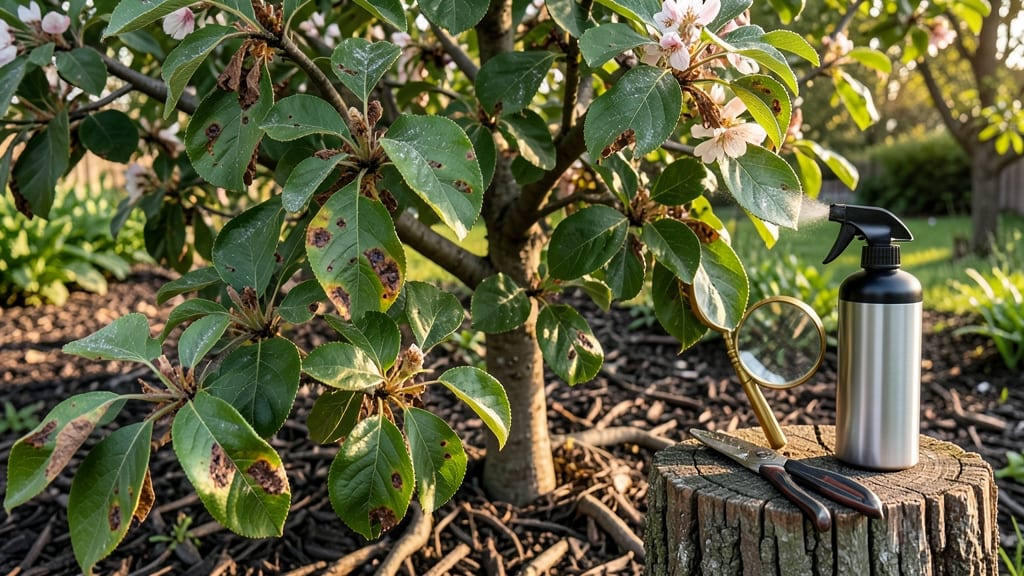
Your plum tree’s leaves are telling you something—those mysterious spots aren’t normal. 🌿 I’ve spent years tracking down the most common fungal leaf diseases in plums, and the key to saving your tree is catching these issues early, before they spread like wildfire.
Brown spots, yellowing patches, or powdery white coatings? Each one needs a different approach, and I’ll walk you through exactly what to look for and how to stop it.
The worst part? Many of these diseases thrive in warm, wet conditions—exactly the kind of spring we love. But here’s the good news: most can be managed with simple fixes like pruning, fungicides, or even homemade sprays.
My plum tree went from looking like it was dying to thriving in just a few weeks after I tackled the right problem. The trick is knowing which disease you’re dealing with first.
By the end, you’ll spot the difference between bacterial leaf spot and powdery mildew faster than you can say “fungicide.” You’ll also learn how to treat them—whether that means cleaning up fallen leaves, applying neem oil, or using copper sprays.
Preventative care keeps your tree healthy year-round, so you can enjoy those sweet plums without the stress.
This works for both young trees and mature ones, no matter your climate. Let’s get those leaves back to their vibrant green—before the disease takes over.
Root Causes Of Leaf Troubles
Plum tree leaves don’t just turn spotty or wilt on their own—they’re usually reacting to hidden stresses. Understanding the why behind these issues is the first step to fixing them.
Below, we break down the most common culprits, from sneaky pathogens to environmental missteps, and explain how they trigger leaf diseases.
Fungi are the #1 cause of plum tree leaf diseases, thriving in warm, damp conditions. Here’s how they hijack your tree:
- Pathogens Love Moisture 💧 Fungi like Cercospora (which causes purple leaf spot) and Cladosporium (gray leaf spot) spread when leaves stay wet for long periods. Rain, overhead watering, or poor airflow create the perfect breeding ground.
These fungi produce spores that latch onto leaf surfaces, blocking nutrient flow and causing discolored patches.
- Weakened Defenses Open the Door 🛡️ Stressed trees (from drought, poor soil, or nutrient deficiencies) are easier targets. Fungi exploit tiny wounds or stomata (leaf pores) to invade.
Once inside, they multiply, clogging leaf tissues and triggering symptoms like: - Yellowing (chlorosis) from disrupted chlorophyll - Black/brown spots from dead tissue - Premature leaf drop as the tree “sacrifices” infected foliage
- Overwintering Spores Strike Back ❄️🔄 Many fungal diseases survive winter in fallen leaves, bark, or soil. When spring arrives, spores hitch rides on wind or splashing water to reinfect your tree. This is why early-season prevention (like cleaning up debris) is critical.
Plum trees are tough, but they’re not built for every climate whim. Sudden shifts in temperature, humidity, or sunlight can weaken leaves, making them susceptible to diseases.
- Too Much Rain or Humidity 🌧️💨 Prolonged wet conditions (especially >24 hours of leaf wetness) encourage fungal growth. Heavy dew or poor drainage around the roots can also saturate leaves, creating the ideal fungus farm.
- Heat Stress & Sunburn ☀️🔥 Intense afternoon sun (especially after a cold snap) can scorch leaves, creating entry points for pathogens. Look for:
- Bleached or crispy patches (not fungal spots—pure sun damage)
- Thin, papery leaves (a sign of heat exhaustion)
- Cold Snaps & Freeze Damage ❄️⚠️ Sudden freezes can rupture leaf cells, leaving them vulnerable to secondary infections. Frozen leaves may appear blackened or mushy, inviting fungi like Botryosphaeria (which causes dieback).
A plum tree with subpar care is like a person with a weakened immune system—diseases move in fast. Here’s how neglect sets the stage:
- Nutrient Deficiencies 🍃🚫 Lack of magnesium (yellowing between leaf veins) or zinc (small, distorted leaves) weakens cell walls, making leaves easier targets.
A soil test can reveal if your tree is starving for: - Nitrogen (pale green leaves) - Potassium (brown leaf edges) - Iron (yellow leaves with green veins)
- Compacted or Waterlogged Soil 🚧💦 Roots struggling for air or drowning in soggy soil can’t absorb nutrients efficiently. This stress manifests as:
- Chlorotic (yellow) leaves (from poor nutrient uptake)
- Stunted growth (tree diverts energy to survival, not defense)
- Improper Pruning or Wounds ⚔️🌿 Jagged cuts or over-pruning create open wounds where fungi (like Valsa canker) can enter. Always prune in dry weather with sterilized tools to minimize risk.
Some leaf diseases aren’t caused directly by fungi but are enabled by pests that damage leaves first. Here’s how:
- Aphids & Scale Insects 🐜🍯 These sap-suckers weaken leaves by draining nutrients, leaving them prone to sooty mold (a black fungal growth that thrives on their honeydew). Sooty mold blocks sunlight, causing yellowing and stunted growth.
- Japanese Beetles & Leaf Miners 🐞🌿 Chewing pests create wounds that invite fungal infections. For example:
- Leaf miners (larvae tunneling inside leaves) leave behind paths for Alternaria spores.
- Japanese beetles defoliate trees, stressing them enough to trigger Anthracnose (a common fungal disease).
- Bacterial Leaf Spot (Xanthomonas) 🧫💥 While not fungal, this bacterial disease often hitches a ride on wounding pests (like beetles) or contaminated pruning tools. It causes water-soaked spots that ooze and spread rapidly in humid conditions.
Sometimes, well-meaning gardeners accidentally create the perfect disease environment. Here’s how:
- Overhead Watering 💦🚫 Watering leaves (instead of the soil) splashes spores onto foliage. Use drip irrigation or soaker hoses to keep leaves dry.
- Ignoring Mulch & Airflow 🌳🌬️ Thick mulch piles or overcrowded trees trap moisture, promoting fungal growth. Mulch should be 2–4 inches deep and kept 6 inches away from the trunk.
- Using Infected Tools or Grafts ⚔️🔄 Pruners, saws, or even rootstock from infected trees can spread diseases like Silver Leaf Fungus. Always sterilize tools with 70% alcohol and source healthy nursery stock.
Fixing Fungal Foes on Plum Leaves
Plum tree leaf diseases can feel like a losing battle, but with the right approach, you can turn things around. Below are practical, step-by-step solutions for the most common fungal issues—plus prevention tips to keep your tree thriving. Let’s tackle each problem head-on!
Cause: Cercospora fungus thrives in warm, humid weather, causing brown spots with yellow halos.
How to Fix It: 🔥 Remove infected leaves – Snip off and destroy (don’t compost!) severely spotted leaves to stop spores from spreading. 🍳 Apply fungicide – Use a copper-based fungicide (like Bordeaux mixture) or a neem oil solution (2 tbsp neem oil + 1 tsp mild soap per gallon of water). Spray every 7–10 days during wet seasons. 👨🍳 Improve airflow – Thin out dense branches to reduce humidity near the foliage. ⏰ Water in the morning – Wet leaves dry faster, discouraging fungal growth.
💡 Prevention Tip: Space out young plum trees (6–10 ft apart) to prevent overcrowding.
Cause: These fungi create dark, sunken spots with a velvety texture, often appearing after rain.
How to Fix It: 🔥 Rake up fallen leaves – Remove all debris from under the tree to eliminate fungal spores. 🍳 Spray with sulfur or fungicide – A 1% sulfur spray or fixed copper fungicide works well. Reapply after heavy rain. 👨🍳 Water at the base – Avoid overhead watering to keep leaves dry. ⏰ Prune for sunlight – Ensure the tree gets at least 6 hours of sun daily to speed up drying.
💡 Prevention Tip: Mulch with wood chips (not fresh grass clippings) to reduce soil-borne spores.
Cause: A white, powdery coating on leaves, caused by Podosphaera or Sphaerotheca fungi in shady, humid conditions.
How to Fix It: 🔥 Hose off mildew – Use a strong stream of water to wash off the fungus (do this in the morning). 🍳 Baking soda spray – Mix 1 tbsp baking soda + 1 tsp soap + 1 gallon water. Spray weekly until gone. 👨🍳 Encourage airflow – Prune to open up the canopy and space trees 8–10 ft apart. ⏰ Avoid late-season nitrogen – Too much fertilizer weakens leaves, making them mildew magnets.
💡 Prevention Tip: Plant resistant varieties like ‘Santa Rosa’ or ‘Larry Kelley’ if mildew is recurrent.
Cause: Orange-yellow pustules on leaves, caused by Tranzschelia fungus, often spreading from nearby berberis bushes.
How to Fix It: 🔥 Remove alternate hosts – Dig up and destroy barberry bushes (common rust carriers). 🍳 Copper fungicide spray – Apply copper hydroxide (like TriBasic Copper) every 2 weeks in spring. 👨🍳 Burn or bag infected leaves – Never compost rust-infected foliage. ⏰ Plant resistant varieties – ‘Methley’ and ‘Stanley’ plums are less susceptible.
💡 Prevention Tip: Rotate fungicides to prevent resistance—switch between copper, sulfur, and neem oil.
No matter the disease, these universal fixes help: ✅ Fertilize properly – Use a balanced 10-10-10 fertilizer in early spring (avoid high nitrogen). ✅ Mulch correctly – Apply 3-inch mulch ring (keep it 6 inches from the trunk). ✅ Monitor weather – Fungicides work best when applied before rain, not after. ✅ Test soil pH – Aim for 6.0–7.0; adjust with lime or sulfur if needed.
🎯 Final Pro Tip: Act fast! The sooner you treat fungal issues, the easier they are to control. A little prevention now saves hours of cleanup later. 🌱
Frequently asked questions
Why do my plum tree leaves suddenly turn brown with yellow edges?
This is often a sign of leaf spot diseases like Cercospora or Cladosporium, which thrive in warm, wet conditions. The brown spots with yellow halos appear when fungal spores land on leaves and block nutrient flow. Prune infected leaves immediately and apply a copper fungicide every 7-10 days to stop spread.
Can I use household items like baking soda to treat plum tree leaf diseases?
Yes! For powdery mildew, mix 1 tablespoon baking soda + 1 teaspoon mild soap + 1 gallon water and spray leaves in the morning. This disrupts fungal growth, but it works best for early-stage infections. For stubborn diseases like rust or brown spot, combine it with a copper fungicide for stronger results.
How do I know if my plum tree has a fungal disease vs. pest damage?
Fungal diseases typically show as spots, powdery coatings, or discoloration (like brown/yellow patches), while pests leave holes, chewed edges, or sticky residue (honeydew from aphids). Check the undersides of leaves—fungi often appear as fuzzy growths, while pests leave visible trails or eggs. Treat accordingly: fungicides for diseases, insecticidal soap for pests.
Will removing infected leaves completely stop the spread of disease?
No, removing leaves helps but isn’t enough alone. Fungal spores linger in soil, mulch, and fallen leaves, so also apply a preventative fungicide (like neem oil or sulfur) and clean up debris. For severe cases, repeat treatments every 2-3 weeks during wet seasons. Always sterilize pruning tools with 70% alcohol to avoid spreading spores.
Are there plum tree varieties less prone to leaf diseases?
Disease-resistant varieties like ‘Santa Rosa’ (powdery mildew-resistant) or ‘Methley’ (rust-resistant) are great choices. If you’re growing heirloom varieties, focus on proper spacing (8-10 ft apart), airflow, and early fungicide applications to minimize risks. Always check local nursery recommendations for your climate.