
Pests and Diseases
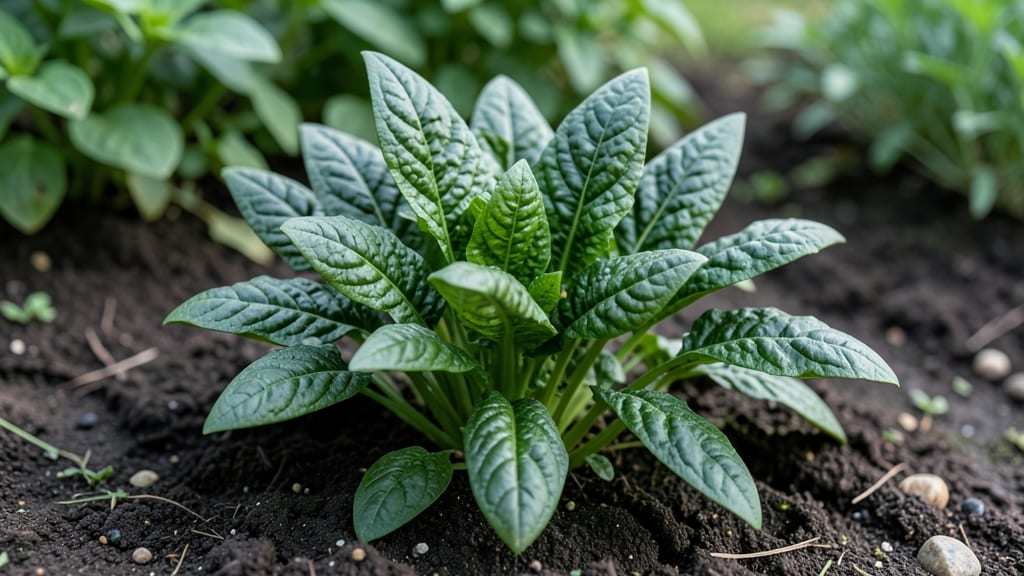
Pointy leaf spinach grows so fast you’ll harvest your first leaves in just 10 days—no waiting months like other varieties. 🌱 The secret to this speed lies in its cold tolerance and quick germination, making it perfect for early spring or late fall planting when other greens struggle.
You’ll need a sunny spot with at least 4-6 hours of light daily, well-draining soil rich in compost, and consistent moisture (but never soggy). The key is keeping the soil cool—spinach bolts when it overheats, so mulch helps in summer.
Plant seeds ½ inch deep, 2 inches apart, in rows spaced 12 inches apart for easy access. Harvest starts when leaves reach 3-4 inches, pinching outer leaves first to encourage bushier growth.
You’ll get 3-4 weeks of continuous harvests before bolting, and with succession planting every 2 weeks, you’ll have fresh spinach all season long. This variety thrives with companion plants like strawberries, radishes, and carrots, while avoiding planting near onions or garlic.
The fast growth means fewer pest problems, but watch for slugs in damp weather—handpicking at night works best.
📚 In This Guide
- What you need
- Instructions
- Tips and common mistakes
- Wrapping up and next steps
What you need
- ● Seeds: 1 packet of pointy leaf spinach seeds (approx. 500–1,000 seeds). Choose organic or heirloom varieties for best results.
- ● Growing Containers or Soil: Option 1: Outdoor garden bed (6–12 inches deep, well-draining, and rich in organic matter).
- ● Option 2: Container pots (at least 6 inches deep, with drainage holes). Use 1–2 pots per 50 seeds.
- ● Compost or Fertilizer: Balanced organic fertilizer (e.g., 10-10-10) or compost for nutrient-rich soil.
- ● Watering Can or Hose: With a gentle spray nozzle for even moisture distribution.
- ● Row Covers or Mulch: Lightweight fabric or straw to protect seedlings from pests and retain moisture.
- ● Hand trowel or small shovel for transplanting.
- ● Seedling trays (if starting indoors).
- ● pH testing kit (to ensure soil is slightly acidic, pH 6.5–7.0).
- ● Organic pest control (e.g., neem oil or diatomaceous earth).
- ● Access to partial shade or full sun (spinach prefers cooler temps, ideally 50–70°F).
- ● Consistent watering schedule (keep soil moist but not soggy).
- ● Patience! Pointy leaf spinach germinates in 5–10 days and is ready to harvest in 30–40 days.
Step-by-Step instructions for growing pointy leaf spinach
Here’s how to get your spinach growing quickly—no waiting around for slow germination!
🌱 Step 1: Prepare Your Growing Space
Pointy leaf spinach thrives in cool weather, so start seeds indoors 6-8 weeks before your last frost date or sow directly outside in early spring or late summer. Use a seed-starting mix (not garden soil) in 2-3 inch deep containers or a seed tray. Moisten the mix until it’s damp but not soggy—you’ll know it’s right when it holds together when squeezed lightly.
I like to add a ¼ inch layer of vermiculite on top of the soil before sowing. This helps retain moisture and keeps seeds from drying out while they germinate. Press the mix down gently so the surface is firm but not compacted—this gives tiny roots something to grip right away.
🌱 Step 2: Sow Seeds for Fast Germination
Scatter seeds ¼ inch deep—they’re tiny, so I use a toothpick to make small holes and drop one seed per spot. Cover lightly with more mix, then mist the surface with water until it’s evenly damp. Don’t soak the soil; you want it moist, not waterlogged. Place the tray in a warm spot (70-75°F) for germination.
Here’s the thing—pointy leaf spinach germinates in just 5-7 days when conditions are right. Keep the soil consistently moist (not wet) during this time. If you’re sowing directly outside, wait until the soil is below 80°F—hotter temps slow germination way down.
☀️ Step 3: Provide Light and Thin Seedlings
Once sprouts appear, move them to a sunny window or under grow lights for 12-14 hours of light daily. You’ll see the first true leaves (not the tiny cotyledons) in about 10-14 days. Thin seedlings to 2 inches apart when they have two sets of leaves—this prevents overcrowding and gives each plant room to grow.
Real talk: If seedlings look leggy (long, weak stems), your light isn’t strong enough. Move them closer to the grow light or switch to a brighter window. Strong seedlings have short, sturdy stems and dark green leaves.
💧 Step 4: Transplant and Maintain Moisture
Transplant seedlings outdoors after 4-6 weeks when they’re 3-4 inches tall and have 4-5 leaves. Choose a spot with partial shade to full sun—too much heat will cause bolting. Space plants 4-6 inches apart in well-draining soil. Water deeply right after transplanting to help roots settle in.
Keep the soil consistently moist—spinach hates drying out. Water at the base of plants in the morning so leaves dry quickly, reducing disease risk. Mulch with 1 inch of straw or shredded leaves to retain moisture and keep weeds down.
✂️ Step 5: Harvest for Continuous Yield
Start harvesting outer leaves when plants are 4-6 inches tall—this encourages regrowth. Use clean scissors or your fingers to snip leaves at the base. You’ll get 3-4 harvests per plant before the center bolt (sends up a flower stalk). For year-round harvests, sow new seeds every 2-3 weeks in spring and again in late summer.
Don’t skip the regular harvesting—it keeps plants productive and prevents bitterness. If you see yellowing leaves, it’s often a sign of overwatering or too much heat. Adjust your care and your spinach will bounce back quickly.
Tips & tricks for perfect pointy leaf spinach growth
These simple strategies will help you grow spinach faster and more reliably than you ever thought possible.
Soil Preparation Secret: The ¼ inch layer of vermiculite in Step 1 isn't just optional—it's a game-changer. I've found that this layer keeps seeds from drying out during those critical 5-7 days of germination. If you're worried about cost, you can substitute perlite, but vermiculite holds moisture better. After adding your seed-starting mix, press it down firmly to create a solid surface—this helps tiny roots establish a grip immediately.
Germination Timing: Pointy leaf spinach seeds germinate fastest at 70-75°F, but if your home stays cooler, don't panic. The 5-7 day window is ideal, but they'll still sprout in 10-14 days at room temperature (around 65°F). The key is consistency—keep that soil moist like a wrung-out sponge, not soggy. I use a spray bottle to mist daily rather than drowning the seeds.
Lighting Strategy: When you move those sprouts to 12-14 hours of light in Step 3, don't assume a sunny window is enough. I've seen leggy seedlings from indirect light—move them within 6 inches of a south-facing window or use a grow light. If your seedlings stretch toward the light, they're begging for more intensity. A simple LED grow light costs less than $20 and makes all the difference for sturdy plants.
Transplanting Hack: The 4-6 week window for transplanting might seem wide, but wait until your seedlings have 4-5 leaves—this means they're strong enough to handle the shock. I harden them off by placing trays outside for 2 hours daily for 3 days before transplanting. This gradual adjustment prevents transplant shock that can stall growth.
Pro Tips for Pointy Leaf Spinach
- These simple strategies will help you grow spinach faster and more reliably than you ever thought possible.
- Soil Preparation Secret: The ¼ inch layer of vermiculite in Step 1 isn't just optional—it's a game-changer.
- Germination Timing: Pointy leaf spinach seeds germinate fastest at 70-75°F, but if your home stays cooler, don't panic.
Frequently asked questions
What’s the best time to plant pointy leaf spinach for continuous harvests?
Plant pointy leaf spinach 8–10 weeks before your first expected frost in fall, and 4–6 weeks before the last frost in spring. For year-round harvests, succession plant every 2–3 weeks in mild climates. It thrives in cooler weather (40–75°F) and bolts quickly in heat—so avoid summer planting unless you’re in high-altitude or coastal areas!
How do I prevent pests like aphids or slugs from damaging my spinach?
Use row covers early to block pests, and handpick slugs at night (they’re most active then!). For aphids, spray with neem oil or introduce ladybugs. Keep soil moist but not soggy—slugs love damp conditions. Pro tip: Plant spinach near garlic or chives to naturally deter pests!
Why is my pointy leaf spinach turning yellow or bitter?
Yellowing leaves often mean overwatering, nutrient deficiency (like nitrogen), or heat stress. Bitter taste usually signals bolting (triggered by warm temps or old plants). Fix it by:
- Watering deeply 1–2x/week (let soil dry slightly between waterings).
- Adding compost or balanced fertilizer (like 10-10-10) every 3–4 weeks.
- Harvesting outer leaves first to keep plants productive.
- Providing shade cloth (30–50%) if temps rise above 75°F.
Can I substitute pointy leaf spinach for regular spinach in recipes?
Pointy leaf spinach has a similar mild, slightly sweet flavor and tender texture, making it a perfect 1:1 swap. It’s great for salads, sautéing, smoothies, or blending into soups. Bonus: Its smaller leaves wilt faster than flat-leaf varieties, so cook it 1–2 minutes less when stir-frying!
How long does it take for pointy leaf spinach to germinate and be ready to harvest?
Germination takes 5–10 days in optimal conditions (60–70°F soil). Seedlings are ready for thinning to 2–3 inches apart in 2–3 weeks. First harvest happens in 30–40 days—just snip outer leaves! With proper care, you’ll get continuous harvests for 4–6 weeks per planting.
Wrapping up and next steps
Pointy leaf spinach is a game-changer for gardeners seeking fast, resilient, and year-round greens—even in cooler climates! 🌱 Its quick germination (as little as 5–7 days) and cold-hardy nature make it a standout choice, while its resistance to common pests and diseases keeps your harvests thriving with minimal fuss.
Whether you're a beginner or a seasoned grower, this variety proves that growing your own food can be both rewarding and effortless.
Ready to dive in? Start small—try a container or a dedicated bed—and experiment with succession planting to enjoy fresh spinach all season long. Your future salads (and taste buds) will thank you! 🥗✨