
Pruning
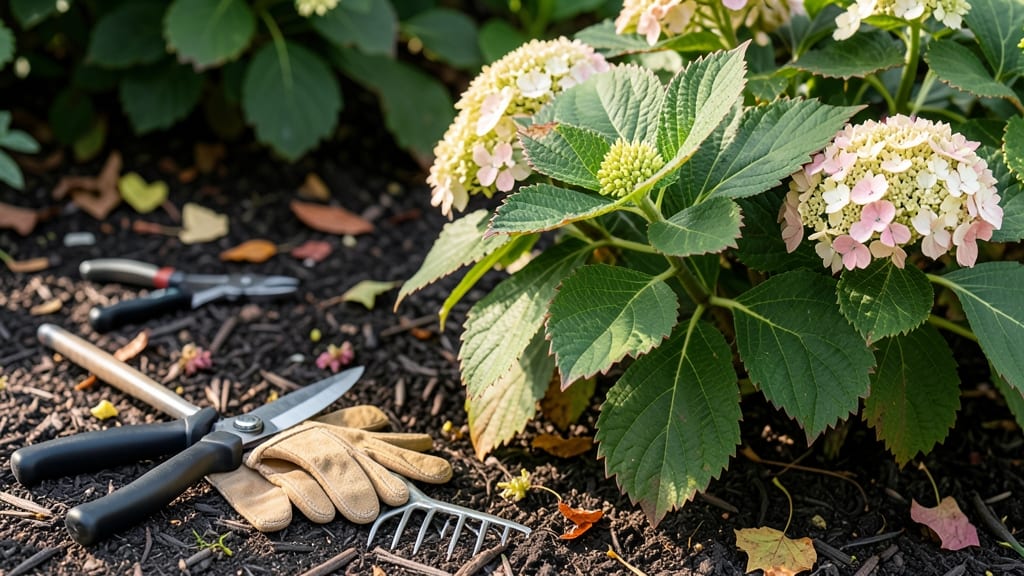
Pruning oakleaf hydrangeas transforms them from clunky shrubs into showstopping year-round foliage machines—but timing and technique make all the difference. ✂️ I’ve turned my once-neglected bush into a bold statement plant with just a few strategic cuts each year, and the secret lies in knowing exactly when to reach for the shears.
The right approach keeps those stunning oak-shaped leaves vibrant from spring through winter while encouraging fresh blooms.
You’ll need sharp bypass pruners, gloves, and a ladder (for taller bushes), plus a clear late-winter or early-spring plan—this is the golden window before new growth starts. Oakleaf hydrangeas bloom on old wood, so avoid heavy pruning after summer.
Think of it like sculpting: you’re shaping the plant’s future, not just cleaning up last year’s mess. The goal is to open up the center while preserving last season’s blooms and foliage.
What you’ll end up with is a dramatic, layered plant that thrives on neglect once established—deep burgundy fall foliage, snowy winter stems, and summer blooms all on the same bush.
The pruning itself takes just 20-30 minutes, and the results last for months. Even better? You’ll skip the common mistakes that leave hydrangeas looking ragged or bare.
This method works for new and established plants, whether you’re shaping a young bush or rejuvenating an overgrown one. The key is patience—oakleaf hydrangeas reward precision over aggression. Ready to give yours the year-round drama it deserves?
📚 In This Guide
- What you need
- Instructions
- Tips and common mistakes
- Wrapping up and next steps
What you need
- ● Pruning shears: Bypass-style (sharp, clean cuts) – 1 pair (6–8" blades for small branches, 8–10" for larger stems).
- ● Loppers: Bypass or anvil type (for thicker branches, 16–24" handles) – 1 pair.
- ● Hand pruners: For precision trimming (smaller than shears, ~4–6") – 1 pair.
- ● Disinfectant: Rubbing alcohol (70%+) or bleach solution (1:9 ratio) – small bottle (to sterilize tools between cuts).
- ● Garden gloves: Cut-resistant, breathable (nitrile-coated for grip) – 1 pair.
- ● Heavy-duty trash bags: For debris – 2–3 bags.
- ○ Pruning sealant (optional but helpful): Tree wound dressing – small tube (for large cuts >1" diameter).
- ● Extension pole saw: For high branches (10–12 ft reach).
- ● Ladder: Sturdy, 3-sided (if plant is tall).
- ● Hose or spray bottle: To clean tools mid-prune.
- ● Notebook & pen: To sketch pruning plan (great for beginners!).
- ● Safety glasses: For debris protection.
Step-by-Step instructions for pruning oakleaf hydrangeas
Transform your oakleaf hydrangea into a showstopper with these precise, season-specific cuts that preserve its stunning foliage and blooms.
✂️ Step 1: Prune in Late Winter for Structure
Wait until mid-to-late February when the plant is fully dormant but before new growth begins. This timing ensures you remove dead wood while avoiding fresh buds. Grab your sterilized pruners (clean with rubbing alcohol) and start by removing any dead, diseased, or crossing branches—these compete for energy and disrupt airflow.
Cut back to the nearest outward-facing bud or branch collar (the swollen area where a branch meets the stem). I always make my cuts at a 45-degree angle about ¼ inch above the bud to prevent water from pooling. Oakleaf hydrangeas bloom on both old and new wood, so avoid heavy pruning of last year’s stems unless they’re clearly dead.
🌿 Step 2: Shape in Early Spring for Airflow
Once new growth appears (usually by early April), step back and assess the plant’s shape. Oakleaf hydrangeas thrive with an open, airy structure, so thin out crowded branches to improve sunlight penetration. Focus on removing suckers (shoots growing from the base or along the stem) and weak, spindly growth—these drain energy from stronger stems.
Use your pruners to make clean cuts just above a leaf node or bud. If a branch is too thick for hand pruners, use loppers for branches up to 1 inch in diameter. Never leave stubs—this invites disease. After shaping, water deeply to help the plant recover and encourage robust new growth.
☀️ Step 3: Light Maintenance Through Summer
During the growing season, limit pruning to deadheading spent blooms and removing any yellowing or diseased leaves. This keeps the plant looking tidy and prevents pests from taking hold. I pinch back the tips of new shoots in early summer to encourage bushier growth—just snip the top set of leaves with your fingers or small pruners.
Watch for overly leggy growth (a sign of insufficient light) and adjust placement if needed. Oakleaf hydrangeas tolerate partial shade but perform best with morning sun and afternoon shade in hotter climates. Avoid heavy pruning now—you’ll sacrifice next year’s blooms.
⏰ Step 4: Final Trim in Fall for Winter Prep
In late October or early November, give your hydrangea one last trim to remove any wilted leaves or stems that could harbor pests over winter. Cut back spent flower clusters to the first set of strong leaves or buds. This cleanup reduces the plant’s workload and keeps the foliage looking sharp until the first frost.
Mulch around the base with 2-3 inches of organic mulch (like shredded bark) to insulate roots and retain moisture. Avoid piling mulch against the stem—keep it 2-3 inches away to prevent rot. This final step sets your oakleaf hydrangea up for a dramatic spring rebirth.
Tips & tricks for pruning oakleaf hydrangeas
Precision trimming transforms ordinary shrubs into showstopping garden stars—here’s how to elevate your oakleaf hydrangea game with insider techniques.
Timing is Everything: The mid-to-late February window for Step 1 is non-negotiable—this dormant period ensures you’re only removing dead wood while preserving next year’s blooms. I’ve learned the hard way that pruning too early (when buds are still tight) can accidentally trim off potential flowers. Check for slight swelling at branch collars to confirm dormancy before cutting. For regions with unpredictable winters, err on the later side of February to avoid false starts.
Cutting Technique Matters: That 45-degree angle in Step 1 isn’t just aesthetic—it’s functional. The sloped cut prevents water from pooling at the branch collar, which would otherwise create entry points for fungal infections. Practice on a spare branch first if you’re new to angled cuts; the goal is a clean slice that looks like a natural extension of the branch. Pro tip: Use your pruners to make a small notch on the underside of the branch before making the final cut—this helps guide your angle perfectly.
Seasonal Shape Secrets: In Step 2, when assessing shape, imagine your hydrangea as a sculpture—open and airy is the goal. I often visualize removing branches that would block sunlight from reaching the center. For mature plants, don’t be afraid to thin out up to one-third of the branches if they’re competing for space. This might sound drastic, but it’s what creates that lush, layered look we all admire. Remember: oakleaf hydrangeas reward bold pruning decisions with even more dramatic foliage.
Summer Maintenance Shortcuts: When deadheading in Step 3, I’ve found that using small pruning shears (or even clean kitchen scissors) for spent blooms is faster than switching to larger tools. For leggy growth, move the plant to a sunnier location before pruning—this often reduces the need for drastic cuts. And here’s a little-known trick: if your hydrangea looks tired by midsummer, a light trim of just the top few inches of new shoots can trigger bushier regrowth without sacrificing next year’s blooms.
Pro Tips for Pruning Oakleaf Hydrangea
- Precision trimming transforms ordinary shrubs into showstopping garden stars—here’s how to elevate your oakleaf hydrangea game with insider techniques.
- Timing is Everything: The mid-to-late February window for Step 1 is non-negotiable—this dormant period ensures you’re only removing dead wood while preserving next year’s blooms.
- Cutting Technique Matters: That 45-degree angle in Step 1 isn’t just aesthetic—it’s functional.
Frequently asked questions
Got questions about keeping your oakleaf hydrangea looking its best? Here are some of the most common ones—and their answers!
When is the best time to prune oakleaf hydrangeas?
The ideal window is late winter or early spring (before new growth starts), but you can also prune lightly after flowering if needed. Avoid heavy pruning in fall—it removes next year’s blooms! For dramatic year-round foliage, prune lightly in late winter to shape while the plant is dormant.
How much should I cut back my oakleaf hydrangea?
For most oakleaf hydrangeas, remove 1/3 to 1/2 of the oldest stems at the base to encourage fresh growth. Avoid over-pruning—these shrubs thrive with some mature wood. If your plant is leggy, focus on thinning out crowded branches rather than drastic cuts.
Do I need to prune oakleaf hydrangeas if they’re not flowering well?
Not necessarily! Oakleaf hydrangeas are prized for their foliage, not just blooms. If flowers are sparse, prune lightly in late winter to remove dead or weak stems. Over-pruning can reduce blooms, so prioritize shape and health over aggressive trimming.
What if I prune at the wrong time and my hydrangea looks sad?
Don’t panic! Oakleaf hydrangeas are hardy and often bounce back. If you pruned too late (after blooming), focus on watering deeply and fertilizing lightly in spring. New growth will emerge, and the foliage will still shine—just give it time!
Can I prune oakleaf hydrangeas for winter interest?
These shrubs are winter darlings with stunning exfoliating bark. To enhance winter appeal, prune selectively in late winter to open up the center and showcase the colorful stems. Avoid heavy cuts—just shape and thin for airflow and light.
Wrapping up and next steps
Pruning your oakleaf hydrangea doesn’t have to be intimidating—it’s all about timing, technique, and a little patience! 🌿 With the right tools and a clear plan, you’ll keep those stunning leaves vibrant year-round while encouraging lush, healthy growth.
Now that you’re armed with expert tips, grab those shears and give your hydrangea the care it deserves.
Ready to take the next step? Start small—trim just one section at a time—and watch your garden transform! 🌟