
Planting
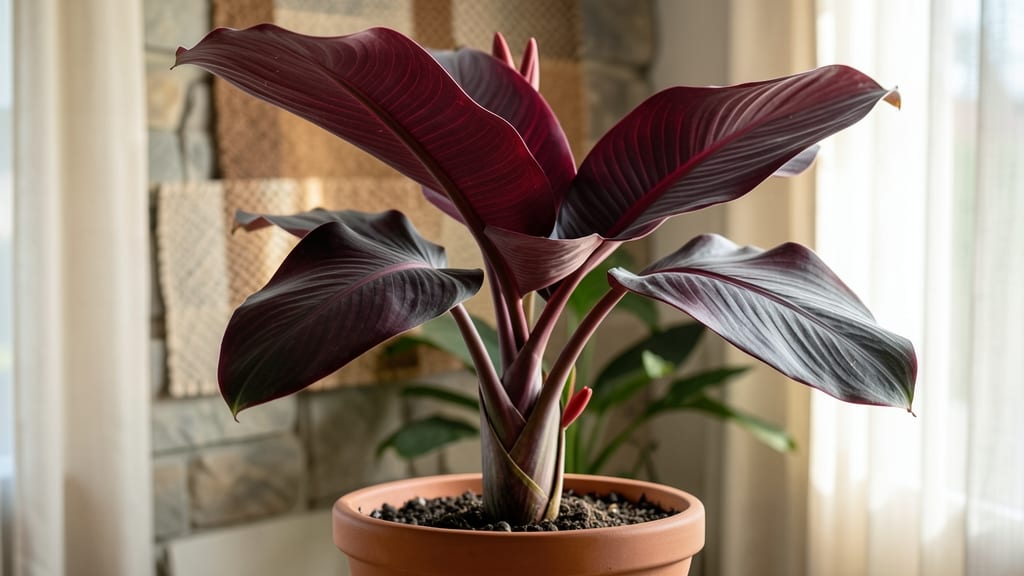
Growing a red banana leaf plant means bringing fiery tropical drama to your space with almost no fuss. 🌿 This isn’t your average banana plant—its deep red, velvety leaves create a stunning visual punch that thrives indoors or in warm climates, and the best part?
It barely needs pruning to stay lush. The secret to happy growth lies in bright, indirect light and well-draining soil that mimics its native rainforest home. Overwatering is the fastest way to kill it, so let the top inch dry out between waterings.
Once established, it grows fast, reaching 3-5 feet tall, with those dramatic leaves unfurling like nature’s own artwork. You’ll love how it transforms any corner into a mini tropical escape—whether it’s a sunny windowsill or a shaded patio.
The leaves stay vibrant all year, and with minimal pruning, it keeps its striking form without constant maintenance. Perfect for gardeners who want bold foliage without the high-maintenance upkeep. Let’s get yours growing!
📚 In This Guide
- What you need
- Instructions
- Tips and common mistakes
- Wrapping up and next steps
What you need
- ● Red banana leaf plant: A healthy Musa velutina (available at nurseries, online plant shops, or tropical plant markets). Pro tip: Look for plants with vibrant red-purple foliage and firm stems!
- ● Well-draining potting mix: 5–10 gallons of a blend like 50% peat moss or coco coir, 30% perlite or pumice, and 20% compost (for container growing). For in-ground planting, amend native soil with compost and sand to improve drainage.
- ○ Container (optional but recommended for small spaces): Size: At least 12–18 inches in diameter (bigger for mature plants).
- ● Material: Terracotta or fabric pots (prevent root rot) with drainage holes.
- ● Garden trowel or shovel (for transplanting).
- ● Pruning shears (sterilized with rubbing alcohol).
- ○ Gloves (optional but helpful—banana leaves can be prickly!).
- ● Mulch: 3–4 inches of organic mulch (e.g., pine bark or shredded leaves) to retain moisture and regulate soil temp.
- ● Watering can or hose with a gentle spray nozzle (avoid overhead watering to prevent fungal issues).
- ○ Fertilizer (optional but recommended): Balanced liquid fertilizer (e.g., 10-10-10) or slow-release organic pellets (like fish emulsion or banana peel compost).
- ● Application: Every 4–6 weeks during growing season (spring–fall).
- ● Sunlight assessment: Confirm a spot with bright, indirect light (6+ hours/day for containers; partial shade in hot climates).
- ● Humidity tray (for indoor growers—fill a tray with pebbles and water, place plant on top).
- ● Support stake or trellis (if leaves grow tall—helpful for indoor setups!).
- ● pH test kit (ideal soil pH: 5.5–6.5; adjust with lime or sulfur if needed).
- ● Pest control: Neem oil or insecticidal soap (preventative for spider mites or aphids).
Step-by-step guide to growing a thriving red banana leaf plant
Here’s how to nurture this striking tropical stunner with minimal fuss—just light, patience, and the right pot.
🪴 Step 1: Choose the Right Container and Soil Mix
Pick a 10-12 inch diameter pot with drainage holes—red banana plants (Calathea lancifolia) despise soggy roots. I use a mix of 50% premium potting soil, 30% perlite, and 20% orchid bark for that perfect airy, moisture-retentive blend. Tap the pot gently after filling to settle the mix without compacting it.
This plant loves humidity but hates waterlogged feet. The perlite ensures excess moisture drains while the orchid bark mimics its natural epiphytic habitat. Fill the pot to 1 inch below the rim—you’ll add the plant next.
☀️ Step 2: Position for Indirect Light and Humidity
Place your red banana leaf in bright, indirect light—think east-facing windows or 3-4 feet from a west window. Direct sun scorches those gorgeous leaves, turning them brown and crispy. You’ll know the light is right when the leaves stay deep burgundy with subtle green veining, not bleached or faded.
Boost humidity by setting the pot on a pebble tray filled with water (keep the pot elevated so roots don’t sit in water). Mist the leaves 2-3 times weekly—you’ll see tiny water droplets cling to the foliage, signaling the plant’s love for moisture. A humidifier nearby works too, especially in dry climates.
💧 Step 3: Water When Soil Feels Dry to the Touch
Water when the top 1-2 inches of soil feel dry to the touch—stick your finger in to check. Red banana plants need consistent moisture but hate soggy conditions. Pour water until it drains freely from the bottom holes, then empty the saucer after 10 minutes to prevent root rot.
Underwatering causes crispy leaf edges, while overwatering leads to yellowing and drooping. Here’s the trick: water thoroughly, then let the topsoil dry slightly before the next watering. In winter, you might only need watering every 7-10 days—the plant’s growth slows naturally.
✂️ Step 4: Prune Only When Necessary
This plant’s minimal pruning needs are its charm. Trim only yellow or damaged leaves at the base with sterilized scissors, cutting just above the next leaf node. Avoid heavy pruning—red banana plants grow slowly and don’t bounce back from aggressive cuts.
If your plant outgrows its pot (usually after 1-2 years), repot in spring using the same soil mix. Gently tease apart roots and place in a pot 2-3 inches wider—no need for drastic upsizing. The plant’s dramatic foliage is its feature, so prune lightly to preserve its tropical allure.
🌿 Step 5: Rotate and Fertilize for Even Growth
Rotate the pot a quarter turn weekly so the plant grows evenly toward the light. You’ll notice one side leaning? That’s your cue to adjust its position. Feed with a balanced liquid fertilizer (10-10-10) diluted to half strength every 4-6 weeks in spring and summer—skip fertilizing in fall and winter when growth slows.
Over-fertilizing burns roots, so always water the plant first to flush the soil. You’ll see new growth as deep red leaves emerging from the center—your reward for patience. This plant thrives on neglect but repays attention with stunning, velvety foliage.
Tips & tricks for perfect red banana leaf plant care
These simple secrets will help you coax out that show-stopping foliage with less stress and more success.
Soil Mix Mastery: When mixing your 50% premium potting soil, 30% perlite, and 20% orchid bark, don't skip the tapping step after filling the pot. This settles the mix without compacting it too much—think of it like fluffing a pillow just right. The orchid bark is especially important as it mimics the plant's natural epiphytic habitat, preventing that dreaded soggy root situation.
Light Positioning: That bright, indirect light is non-negotiable, but here's the trick: if you notice your red banana leaf stretching toward one direction, it's leaning into the light source. Simply rotate the pot a quarter turn weekly (as mentioned in Step 5) to encourage even growth. You'll know you've got the light right when those burgundy leaves maintain their rich color without any yellowing or bleaching.
Watering Wisdom: The 10-minute drainage time after watering is crucial—don't rush this! Emptying the saucer prevents root rot while still keeping the soil consistently moist. In winter, when growth slows naturally, you might only need to water every 7-10 days. The key is that top 1-2 inches of soil should feel dry to the touch before watering again, not just the surface.
Humidity Hacks: For that perfect humidity level, especially in dry climates, try grouping your red banana leaf with other tropical plants. The collective transpiration creates a microclimate that keeps everyone happy. And when misting those 2-3 times weekly, do it in the morning so the leaves have time to dry before evening—this prevents fungal issues that can cause brown spots on those gorgeous leaves.
Pro Tips for Red Banana Leaf Plant
- These simple secrets will help you coax out that show-stopping foliage with less stress and more success.
- Soil Mix Mastery: When mixing your 50% premium potting soil, 30% perlite, and 20% orchid bark, don't skip the tapping step after filling the pot.
- Light Positioning: That bright, indirect light is non-negotiable, but here's the trick: if you notice your red banana leaf stretching toward one direction, it's leaning into the light source.
Frequently asked questions
Got questions about growing and caring for your red banana leaf plant? You’re not alone! Here are some of the most common inquiries—plus straightforward answers to keep your tropical beauty thriving with minimal fuss.
How fast does a red banana leaf plant grow?
The Musa velutina (red banana leaf plant) grows at a moderate pace—expect new fronds to emerge every 6–12 months, depending on light and care. Under ideal conditions (bright, indirect light and warm temps), it can reach 6–10 feet tall in 2–3 years. Patience is key—this plant rewards slow, steady growth with dramatic foliage!
Why are my red banana leaf tips turning brown?
Brown tips are usually a sign of underwatering or low humidity. Check the soil—it should stay evenly moist (not soggy). Mist the leaves regularly or place a pebble tray nearby to boost humidity. Avoid tap water with high chlorine/fluoride; opt for rainwater or distilled water instead.
Can I grow a red banana leaf plant indoors?
This plant thrives indoors as long as you mimic its tropical habitat. Place it near a bright, east- or south-facing window (avoid harsh direct sun). Rotate the pot occasionally for even growth. If your home is dry, a humidifier or grouping with other plants helps. Just ensure temps stay above 60°F (15°C)—no drafts!
What’s the difference between a red banana leaf plant and a regular banana tree?
While both belong to the Musa genus, the red banana leaf plant (Musa velutina) is non-fruiting and grown purely for its striking burgundy foliage. Regular banana trees (like Musa acuminata) produce edible fruit but lack the dramatic color. Plus, the red banana leaf plant is hardier and more compact, making it perfect for containers!
How often should I fertilize my red banana leaf plant?
Feed your plant every 4–6 weeks during spring and summer with a balanced liquid fertilizer (10-10-10 or 20-20-20). Reduce feeding in fall/winter to once every 2–3 months. Over-fertilizing can burn roots, so always water thoroughly before applying fertilizer. A slow-release pellet in spring is another great option!
Wrapping up and next steps
The red banana leaf plant is a stunning, low-maintenance addition to any tropical-inspired garden or indoor space, offering bold foliage with minimal fuss.
Its vibrant leaves and hardy nature make it a standout choice for both beginners and plant enthusiasts alike—just provide the right light, soil, and occasional care, and you’ll be rewarded with lush, dramatic greenery. 🌿
Ready to bring home your own slice of the tropics? Start by gathering your supplies, then choose a spot where this beauty can thrive.
Whether you’re a seasoned gardener or just dipping your toes into plant parenting, the red banana leaf plant is the perfect next adventure—go ahead and plant your confidence (and your leaves)!