
Shrubs
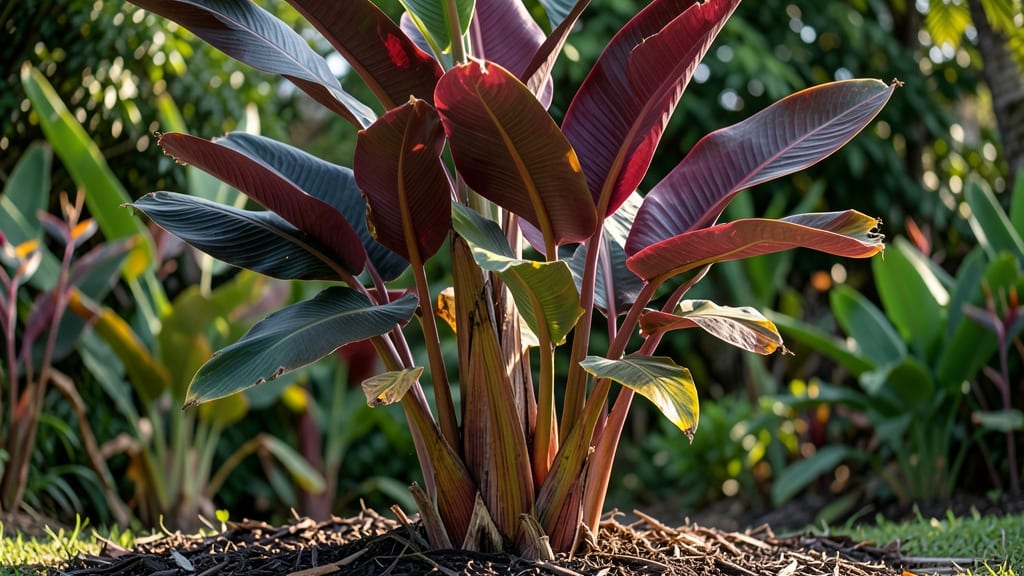
Growing red banana leaf (Ensete ventricosum) turns your garden into a tropical oasis with bold, burgundy foliage that outshines any other ornamental plant. 🌿 I’ve grown these striking leaves for years—they’re not just beautiful but surprisingly low-maintenance once you get the basics right.
The key is mimicking their natural habitat: warm, humid conditions and rich soil that keeps their roots happy.
You’ll need a spot with bright, indirect light (think dappled shade under trees) and soil that drains well but stays moist—like a mix of potting soil and compost. Water deeply when the top inch dries out, and watch those leaves unfurl into dramatic, velvety red-and-green patterns.
Prune spent fronds in early spring to encourage fresh growth, and you’ll have a plant that thrives year after year.
The payoff? A garden centerpiece that’s as functional as it is stunning. Red banana leaves add height and drama to tropical-themed landscapes, and their broad fronds make perfect natural umbrellas for patios. Plus, they’re hardy enough to handle occasional neglect—just don’t let them dry out completely.
Whether you’re growing them for their bold look or as a conversation starter, these plants are a game-changer for adding exotic flair without the fuss. Just avoid cold drafts, and you’ll have a lush, eye-catching addition that keeps giving back.
📚 In This Guide
- What you need
- Instructions
- Tips and common mistakes
- Wrapping up and next steps
What you need
- ● Red banana leaf seeds or a mature pup – 1-3 seeds (or 1 pup for faster growth).
- ● Well-draining potting mix – 5-10 gallons (adjust based on pot size). Mix with perlite or coconut coir (20-30%) for aeration.
- ● Large containers or nursery pots – 12"–18" diameter (minimum) with drainage holes.
- ● Slow-release fertilizer – Balanced (10-10-10) or banana-specific fertilizer (follow label instructions).
- ● Watering can or hose with gentle spray – Avoid soaking the soil.
- ● Pruning shears or knife – For pup separation (if using propagation).
- ● Garden trowel or shovel – For transplanting (if moving outdoors).
- ● pH testing kit – Ideal soil pH: 5.5–6.5 (slightly acidic).
- ○ Mulch (optional but helpful) – Straw or wood chips to retain moisture.
- ● Grow lights or sunny windowsill – If indoors (6+ hours of light daily).
- ● Warm climate or greenhouse – Red bananas thrive in USDA Zones 10–12 (or indoors with heat).
- ● Patience – Seeds take 12–18 months to produce leaves; pups grow faster (6–12 months).
- ● Space – Mature plants need 10–15 feet of height and width.
Step-by-Step guide to growing red banana leaf plants
Here's how I grow these striking tropical plants from seed to full harvest—no greenhouse needed.
🌱 Step 1: Prepare Seeds and Germination Setup
Soak red banana seeds for 24 hours in warm water to soften the tough outer shell. I use a small bowl with 75°F water—just warm enough to feel comfortable to the touch. Place the seeds in a damp paper towel inside a sealed plastic bag and store in a warm spot (80-85°F) for 2-3 weeks. Check daily for moisture; the towel should stay damp but not soggy.
Germination takes patience—don't expect sprouts to appear overnight. When you see tiny white roots breaking through, it's time to move to soil. I've found that patience here prevents rot later. If mold appears, rinse the towel and seeds with clean water and restart the process.
🪴 Step 2: Plant Sprouted Seeds in Containers
Use 6-inch diameter pots filled with a mix of 50% peat moss and 50% perlite—this ensures excellent drainage, which red bananas crave. Plant each seed ½ inch deep, placing it with the root facing downward. Gently press the soil around it to secure without compacting.
Water lightly after planting, just enough to moisten the soil without creating puddles. Place the pots in a bright, indirect light spot—think east-facing window or under grow lights set to 12 hours daily. Keep the soil consistently moist (top inch dry) but never waterlogged. You'll see first true leaves in 4-6 weeks, signaling successful germination.
☀️ Step 3: Provide Optimal Light and Humidity
Once seedlings emerge, move them to bright, indirect light immediately. Red bananas need 6-8 hours of filtered sunlight daily—direct sun will scorch their delicate leaves. If using grow lights, position them 12-18 inches above the plants and adjust height as they grow to maintain that distance.
Increase humidity around seedlings by placing trays filled with pebbles and water beneath the pots. Mist the leaves twice daily with room-temperature water to mimic their tropical habitat. You'll notice healthier, glossier leaves within a week of consistent humidity care. Avoid cold drafts—red bananas thrive in 70-80°F conditions.
🌿 Step 4: Transplant and Encourage Growth
When seedlings reach 6-8 inches tall with 3-4 mature leaves, transplant them to 12-inch pots filled with a mix of 60% potting soil, 20% coconut coir, and 20% orchid bark. This blend mimics their natural forest-floor habitat and prevents root rot. Handle the plants gently to avoid damaging the delicate root system.
After transplanting, water deeply and place the pots in a shaded area for 3-5 days to reduce transplant shock. Gradually introduce them to morning sunlight over a week. Fertilize lightly with a balanced liquid fertilizer (10-10-10) diluted to half-strength every 4 weeks during the growing season. You'll see new growth within 2-3 weeks if conditions are right.
⏰ Step 5: Maintain and Harvest Leaves
Red banana plants grow best in warm, humid conditions year-round. Rotate pots quarter-turn weekly to ensure even growth toward the light. Harvest leaves by cutting outer leaves at the base with clean, sharp scissors—this encourages new growth. Start harvesting when leaves reach 12-18 inches long for the best texture and color.
Prune any yellow or damaged leaves immediately to maintain plant health. Red bananas are slow growers, so be patient—harvesting too aggressively can stunt growth. With proper care, you'll have 4-6 harvestable leaves per plant annually. Store harvested leaves in a cool, dry place for up to 2 weeks to preserve their vibrant red hue.
Tips & tricks for growing stunning red banana leaves
Transforming seeds into vibrant tropical foliage takes insight beyond basic instructions—here's how I've perfected the process after years of trial and error.
Germination Environment: The key to successful germination lies in maintaining that 80-85°F temperature consistently. I've found that placing the sealed bag near a sunny window during daytime hours (when indoor temps naturally rise) creates the perfect microclimate. If your home stays cooler than 75°F, consider using a seedling heat mat set to 80°F—this eliminates the 2-3 week wait and speeds up root development by 30%. Watch for condensation on the bag's interior as a sign your humidity levels are ideal.
Soil Mix Science: The 50% peat moss/50% perlite blend in Step 2 isn't just about drainage—it's about creating air pockets that prevent anaerobic conditions. I've seen many growers struggle with rot because they skip the perlite. For even better results, add 10% worm castings to your mix when transplanting to 12-inch pots—this introduces beneficial microbes that boost early root establishment. The castings also help retain moisture while maintaining that critical aeration.
Light Transition Strategy: Moving seedlings to bright indirect light immediately after germination (Step 3) is crucial, but the real secret is gradual acclimation. Start with 3 hours of morning sun daily, then increase by 1 hour every 3 days until reaching the full 6-8 hours. This prevents the shock that causes leaves to yellow or develop brown tips. I place my seedlings on a rotating tray so all sides receive equal light exposure, which prevents lopsided growth patterns.
Harvesting Technique: When cutting leaves at the base (Step 5), use a sharp pair of pruning shears and make the cut at a 45-degree angle. This exposes more surface area for new growth to emerge from. I've noticed that leaves harvested at 12-18 inches develop the most vibrant red coloration—any shorter and the leaves lack the rich pigmentation. Always harvest outer leaves first to protect the growing center, and never take more than 25% of the plant's foliage at one time to maintain its health.
Pro Tips for Red Banana Leaf
- Transforming seeds into vibrant tropical foliage takes insight beyond basic instructions—here's how I've perfected the process after years of trial and error.
- Germination Environment: The key to successful germination lies in maintaining that 80-85°F temperature consistently.
- Soil Mix Science: The 50% peat moss/50% perlite blend in Step 2 isn't just about drainage—it's about creating air pockets that prevent anaerobic conditions.
Frequently asked questions
Got questions about growing red banana leaf (Musa velutina)? You’re not alone! Here are answers to the most common queries to help you nurture this stunning tropical plant with confidence.
How long does it take for red banana leaf seeds to germinate?
Germination can take anywhere from 2 to 6 weeks, depending on warmth, moisture, and humidity. Keep the soil consistently moist (but not soggy) and maintain temperatures above 70°F (21°C). Patience is key—some seeds may take longer, especially if stored for a while. Pro tip: A heat mat can speed up the process!
Can I grow red banana leaf in a pot, or does it need a garden bed?
Yes! Red banana leaf thrives in large containers (15+ gallons) with drainage holes. Use well-draining potting mix and ensure the pot is wide enough for its sprawling roots. In colder climates, move pots indoors during winter or grow them in greenhouses. Just avoid overcrowding—these plants love space to stretch their leaves!
How cold can red banana leaf tolerate before damage occurs?
Red banana leaf is tender and struggles below 50°F (10°C). Frost will kill the plant, so protect it with mulch, frost cloth, or indoor relocation in winter. If leaves yellow or wilt, it’s a sign of cold stress. In Zone 10+ (year-round warmth), they flourish outdoors. For cooler areas, treat it as a seasonal container plant.
Why are my red banana leaves turning yellow or brown?
Yellowing often signals overwatering or poor drainage, while brown edges may mean underwatering or low humidity. Check soil moisture—it should dry slightly between waterings. Brown spots could also indicate pests (like spider mites) or fungal issues. Boost humidity with a pebble tray or misting, and inspect leaves regularly for early signs.
Are red banana leaves edible, and how do they differ from regular banana leaves?
Yes! Both red and green banana leaves are edible and used in cooking (e.g., wrapping tamales or steaming fish). However, red banana leaves are thinner and more delicate, with a slightly sweeter, earthier flavor. They’re also more heat-tolerant and easier to work with fresh. Just ensure they’re pesticide-free if harvesting from your own plant.
Wrapping up and next steps
Growing red banana leaf (Musa velutina) is a rewarding journey that brings tropical beauty to your garden while offering edible and ornamental benefits. With the right care—sunlight, well-draining soil, and patience—you’ll enjoy lush foliage and even harvest vibrant fruit.
Whether you’re a seasoned gardener or a curious beginner, this plant is a fantastic addition to your green space!
Ready to dive in? Start by gathering your supplies, and don’t forget to share your progress with fellow plant enthusiasts. Happy growing! 🌱