
Shrubs
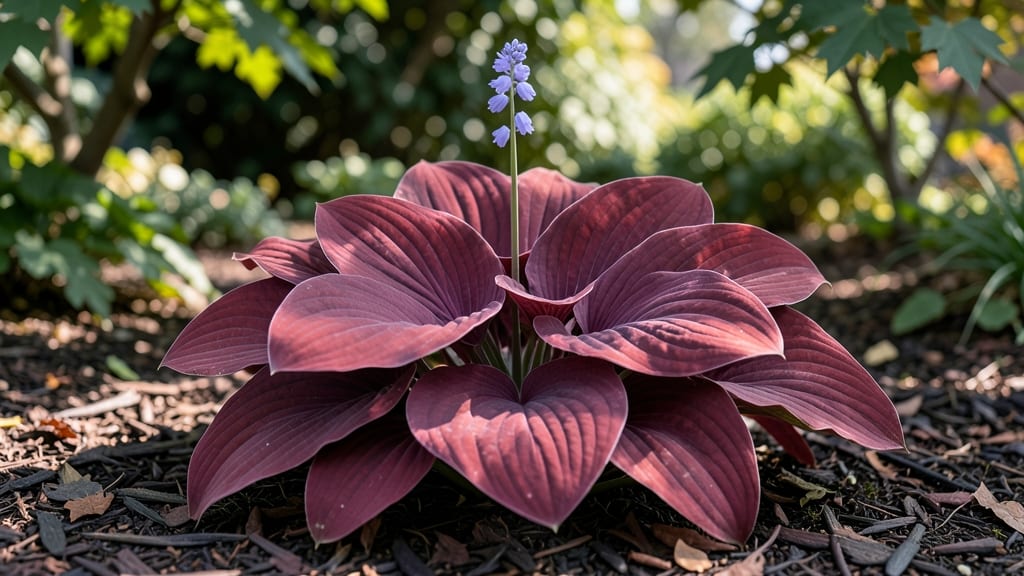
Growing red leaf hosta transforms shady corners into stunning foliage showstoppers that thrive even when other plants struggle. 🌿 The deep burgundy leaves stay vibrant through all four seasons, and once established, these perennials practically care for themselves—just don’t let them dry out in summer heat.
The secret to their dramatic color lies in partial shade and rich, moist soil. Most gardeners overlook their adaptability, assuming they need perfect conditions, but they’ll grow in zones 3-9 with minimal fuss.
Plant crowns just below soil level in early spring or fall, and watch them spread into lush, low-maintenance clumps. By summer’s end, you’ll have a velvety ground cover that outshines most annuals.
The leaves develop golden edges in hot weather, then return to rich red as temperatures cool—a free seasonal color show. Even deer usually leave them alone, making them a gardener’s dream. They’re perfect for borders, woodland gardens, or as container plants.
Here’s how to keep them thriving all year—no green thumb required.
📚 In This Guide
- What you need
- Instructions
- Tips and common mistakes
- Wrapping up and next steps
What you need
- ● Red Leaf Hosta Plants: 1–3 nursery-grown Hosta 'Red Leaf' (or similar cultivars like 'Red September' or 'Royal Standard')
- ● Choose USDA Hardiness Zones 3–8 plants for best cold tolerance
- ● Soil: 5–10 gallons of well-draining, rich soil (amend with compost or peat moss if soil is clay-heavy)
- ○ Optional: Organic mulch (shredded bark or straw) for moisture retention
- ● Planting Tools: 1 trowel or garden spade
- ● 1 pair of pruning shears (for trimming)
- ● 1 watering can or hose with a gentle spray nozzle
- ● Fertilizer: Balanced 10-10-10 fertilizer (or slow-release granular fertilizer)
- ○ Optional: Compost tea for a natural nutrient boost
- ● Shade Cloth: 30–50% shade fabric to protect young plants from intense afternoon sun
- ● Pest Deterrents: Slug bait (iron phosphate) or copper tape for slug-prone areas
- ● Support Stakes: Small stakes for tall varieties (like 'Royal Standard')
- ● pH Test Kit: To ensure soil pH is 6.5–7.5 (hostas prefer slightly acidic to neutral soil)
Step-by-step guide to planting and caring for red leaf hostas
Here's my foolproof method for establishing vibrant red leaf hostas that thrive year after year.
🌱 Step 1: Choose the Perfect Planting Location
Red leaf hostas need partial shade—think 4-6 hours of morning sun followed by afternoon shade. A spot under dappled tree canopy or east-facing garden bed works perfectly. I always test the site first by observing how much light it gets throughout the day, especially in summer when sun patterns shift.
These plants hate hot afternoon sun, which scorches their striking foliage. Look for areas where leaves stay cool and moist longer. If your yard only has full sun, consider planting near a north-facing wall where reflected light is gentler. The ideal location ensures those deep burgundy leaves stay vibrant all season.
🪴 Step 2: Prepare the Soil for Optimal Growth
Hostas thrive in rich, well-draining soil with high organic matter. Amend your native soil with 3-4 inches of compost mixed into the top 12 inches of soil. I like to work in a 50/50 blend of garden soil and compost—this gives roots plenty of nutrients while preventing waterlogging.
These plants dislike heavy clay or sandy soil that drains too quickly. If your soil is compacted, add 1 inch of perlite or coarse sand to improve drainage. Test the moisture by squeezing a handful—it should hold together but not feel soggy. The right soil mix keeps those dramatic red leaves looking fresh even after heavy rains.
☀️ Step 3: Plant at the Correct Depth and Spacing
Dig a hole twice as wide as the hosta's root ball but only as deep as the root system itself. The crown (where roots meet stems) should sit just below soil level—never buried deeper. I gently loosen the roots if they're circling before placing the plant in the hole.
Space plants 18-24 inches apart—closer spacing creates a lush, dense look but may lead to mildew in humid climates. For maximum foliage impact, I space mine 24 inches apart in front of shrubs or along borders. Water deeply after planting to settle the soil and eliminate air pockets around the roots.
💧 Step 4: Water and Mulch for Year-Round Health
Keep the soil consistently moist (not soggy) for the first 2-3 weeks after planting. Water deeply once a week unless you've had recent rain—hostas need 1-1.5 inches of water per week. I water in the early morning to reduce evaporation and fungal risks.
Apply 3 inches of mulch (like shredded bark or pine needles) around each plant, keeping it 2 inches away from the crown. This preserves moisture, regulates soil temperature, and prevents weeds from competing. Refresh the mulch annually in early spring—it breaks down faster than you'd expect.
✂️ Step 5: Maintain Through Seasons for Stunning Foliage
Remove yellowed or damaged leaves in early spring to encourage fresh growth. I also trim any flower stalks as they emerge—hosta flowers are pretty but sap energy from the foliage. Fertilize lightly in spring with a balanced 10-10-10 formula to support vibrant red leaves.
In late fall, cut back leaves to 2-3 inches above ground after they've yellowed naturally. This prevents winter rot while allowing the crown to stay protected. Red leaf hostas are extremely cold-hardy (zones 3-9), but a thick layer of mulch helps them survive harsh winters with minimal stress.
Tips & tricks for perfect red leaf hosta planting
These simple tricks will help you avoid common mistakes and get the most vibrant foliage from your red leaf hostas.
Lighting Strategy: The 4-6 hours of morning sun is non-negotiable for those deep burgundy leaves. I've learned the hard way that afternoon sun will bleach out the color—think of it like sunburn for plants. If you're unsure about your yard's light patterns, observe the area throughout the day for at least 24 hours before planting. A simple trick is to use a white board to track sunlight hours, which gives you a visual record of where those harsh afternoon rays hit.
Soil Test Tip: Before amending your soil, do a simple squeeze test: grab a handful of your native soil and try to make a ball. If it crumbles easily, you likely have sandy soil that needs more organic matter. If it stays hard, you've got clay that needs perlite. I always mix in that 50/50 blend of garden soil and compost because it creates the perfect balance—hostas hate soggy roots but also need consistent moisture. The compost also introduces beneficial microbes that help those roots establish faster.
Planting Depth Secret: That crown sitting just below soil level is crucial—it's the plant's lifeline. I've seen beginners bury the crown too deep, which leads to rot, or leave it exposed, which causes drying. A good trick is to use your finger to make a small depression in the soil where the crown will sit—this ensures it's at the perfect level. After planting, give the soil a gentle press around the base to eliminate air pockets that could prevent proper root contact.
Mulching Hack: That 3 inches of mulch isn't just for looks—it's a game-changer for moisture retention. I like to use pine needles because they're acidic (which hostas love) and they break down slowly. The key is keeping it 2 inches away from the crown to prevent rot. A pro trick is to refresh your mulch in early spring when the old layer has decomposed—this gives you that fresh, protective barrier right when new growth starts.
Pro Tips for Red Leaf Hosta
- These simple tricks will help you avoid common mistakes and get the most vibrant foliage from your red leaf hostas.
- Lighting Strategy: The 4-6 hours of morning sun is non-negotiable for those deep burgundy leaves.
- Soil Test Tip: Before amending your soil, do a simple squeeze test: grab a handful of your native soil and try to make a ball.
Frequently asked questions
Why does my red leaf hosta lose its color in summer?
The vibrant red or purple hues of red leaf hosta often fade to green in hot summer months due to heat stress. This is normal! To preserve color, plant in partial shade (morning sun + afternoon shade) and mulch heavily. Varieties like 'Royal Standard' or 'Fire and Ice' tend to hold their color better in cooler climates.
How cold-hardy is red leaf hosta, and do I need to protect it in winter?
Red leaf hosta is famously cold-hardy, thriving in USDA Zones 3–9. Most varieties survive winter dormancy with no extra protection, but young plants or harsh winters (below 0°F) may benefit from a thick layer of mulch (3–4 inches) or a light frost blanket in extreme cases.
What’s eating my hosta leaves, and how do I stop it?
Slugs, snails, and deer are the top culprits! For slugs/snails, use beer traps or copper barriers. Deer? Try repellents with rotten eggs or hot pepper or fence young plants. Red leaf hosta is less appealing to pests than green varieties, but they still need vigilance—especially during rainy seasons.
Can I grow red leaf hosta in containers, and what’s the best soil mix?
Containers work well for red leaf hosta if they’re at least 12–18 inches deep. Use a well-draining mix of 50% peat moss/compost, 30% perlite, and 20% garden soil. Add a slow-release fertilizer in spring to support vibrant foliage. Drainage holes are a must—root rot is the #1 container killer!
What’s a great alternative if my red leaf hosta isn’t thriving?
If your red leaf hosta struggles with heat, pests, or poor drainage, try these low-maintenance alternatives:
- 'June' (blue-green with golden edges)
- 'Halcyon' (fragrant, disease-resistant)
- 'Patriot' (bold white-and-blue stripes)
- 'Guacamole' (chartreuse with yellow edges)
Wrapping up and next steps
Growing a red leaf hosta is a rewarding journey that brings vibrant color and texture to your garden year-round—even in colder climates! 🌿 With the right soil, shade, and care, these cold-hardy perennials thrive while warding off pests naturally.
Whether you're a seasoned gardener or just starting out, their low-maintenance beauty makes them a perfect addition to any landscape.
Ready to transform your shady spots into a lush, eye-catching retreat? Start by selecting the perfect variety for your zone, then plant with confidence—your future garden drama awaits! 🌟 Shop red leaf hostas now or dive deeper into design ideas to inspire your next project.