
Lawn
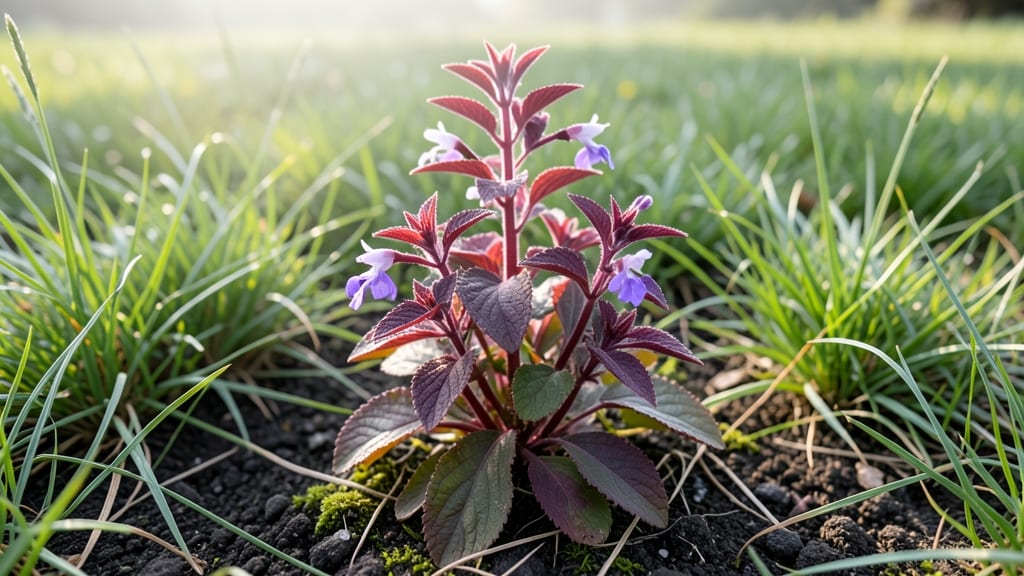
That crispy red edge in your lawn isn’t a natural look—it’s the red leaf weed in grass, a sneaky invader that turns your grass into a patchwork of green and rust. 🌱 I’ve battled this stubborn problem for years, and copper spray isn’t just a rescue—it’s the game-changer that restores that sharp, healthy lawn edge without harsh chemicals.
Red leaf weed thrives when your lawn is stressed—too much shade, poor drainage, or overwatering. It’s not just an eyesore; it spreads fast and crowds out grass, leaving behind those telltale red threads that feel like velvet but are actually a nightmare for mowers.
The good news? Copper spray works by disrupting its life cycle without harming your grass.
Within 2-3 weeks of treatment, you’ll see new green shoots pushing through, and that crispy edge will smooth out like it never happened. The key is timing—apply it in early fall or spring when red leaf weed is active but before it spreads.
No more hiding those bare spots behind the shrubs.
Works for both small patches and full lawns, and it’s safe for kids and pets once dry. Here’s how to make it happen without the guesswork.
Root Causes of Red Leaf Weed
When you spot reddish or copper-tinted leaves creeping into your grass, it’s rarely a coincidence—it’s a sign your lawn is sending distress signals. Understanding the why behind this unsightly takeover is the first step to reclaiming a lush, green lawn.
Below, we break down the most common triggers, backed by science, so you can address the issue at its source.
Red leaf weed (often Trifolium pratense or Oxalis species) thrives in waterlogged or overly moist soil. Here’s why:
- Oxygen Deprivation: When grass roots suffocate due to excess water, they weaken, creating gaps that weeds exploit. Red leaf weeds, with their shallow root systems, outcompete struggling grass for nutrients.
- Fungal Fodder: Soggy conditions breed Pythium and Fusarium fungi, which stress grass and make it vulnerable to weed invasion. Red-tinted leaves often signal fungal stress.
- Soil Compaction: Heavy foot traffic or clay soils worsen drainage. Compacted soil traps water, turning your lawn into a weed buffet. Test your soil: Dig a 6-inch hole—if water pools after 30 minutes, drainage is the culprit.
Actionable Fix: Aerate compacted areas in spring or fall, then top-dress with sand or compost to improve drainage. Water deeply but infrequently (1–1.5 inches per week) to encourage deep grass roots.
Grass needs a balanced diet—too much or too little of certain nutrients can leave it malnourished, paving the way for red leaf weeds. Key offenders:
| Nutrient Deficiency | Weed Advantage | Red Flags |
|---|---|---|
| Nitrogen (N) Deficiency | Weeds like clover (red leaf varieties) fix nitrogen from the air, thriving where grass starves. | Pale yellow-green grass, slow growth, reddish stems in weeds. |
| Phosphorus (P) Excess | Over-fertilization with high-P blends (e.g., bone meal) promotes broadleaf weeds like red sorrel. | Dark green weeds with red veins, grass grows patchy. |
| Low pH (<6.0) | Acidic soil favors weeds like Oxalis (wood sorrel), which tolerate pH as low as 5.0. | Reddish-purple leaves on weeds, grass appears stunted. |
Actionable Fix:
- Test soil pH with a home kit (ideal range: 6.0–7.0 for most grasses). Adjust with lime (to raise pH) or sulfur (to lower pH).
- Apply a slow-release nitrogen fertilizer (e.g., 20-5-10) in early spring to outcompete weeds.
Grass that’s thin, patchy, or dormant leaves bare soil—an open invitation for red leaf weeds to move in. Common causes:
- Mowing Too Short: Scalping grass (below 2–3 inches) weakens roots, reducing shade and competition for weeds. Red leaf weeds, like clover, grow aggressively in sunlight.
- Irregular Mowing: Uneven cuts create stress points where weeds germinate. Rule of thumb: Never remove more than ⅓ of the grass blade in one mowing.
- Dormant Grass: In summer heat or winter cold, grass goes dormant, while weeds like Oxalis stay active, spreading red leaves rapidly.
Actionable Fix:
- Set mower blades to 3–4 inches for cool-season grasses (e.g., Kentucky bluegrass) or 2.5–3.5 inches for warm-season grasses (e.g., Bermuda).
- Mow regularly (weekly in growing season) and sharpen blades to avoid tearing grass (which invites disease).
- Overseed bare spots in early fall with a dense grass mix to crowd out weeds.
Grass under siege from insects or pathogens becomes an easy target for red leaf weeds. Here’s how:
- Grubs and Chinch Bugs: These pests devour grass roots, creating dead patches. Red leaf weeds (like Trifolium) germinate in the exposed soil.
- Dollar Spot Fungus: This disease creates straw-colored patches with reddish-brown edges—perfect landing spots for weeds like Oxalis.
- Armyworms: These caterpillars skeletonize grass, leaving it vulnerable to weed invasion. Reddish weed leaves often appear as grass recovers.
Actionable Fix:
- Inspect for pests: Dig up a 1-foot square of grass. If you find white grubs or tiny black bugs, treat with beneficial nematodes or neem oil.
- Fungal issues? Apply a copper fungicide (like copper sulfate) as a preventive spray in spring.
Pro Tip: 💡 Prevention is key! A healthy lawn = fewer weeds. Start with a soil test, then fertilize and water strategically. If red leaf weeds are already winning, copper spray (like the one in our rescue guide) can burn them back while protecting your grass.
Quick Fixes for Red Leaf Weed
Red leaf weed—also known as Tradescantia or spiderwort—can turn your lush lawn into a patchwork of vibrant red and green. But don’t worry! With the right approach, you can reclaim your grass’s crispy edges and restore its uniformity.
Below, we’ve mapped out practical solutions based on the most common causes of red leaf weed invasion, from overwatering to poor soil health. Plus, we’ll share prevention tips to keep your lawn weed-free long-term.
If your lawn stays soggy, red leaf weed thrives in those damp conditions. Here’s how to fix it:
🌧️ Improve Drainage Fast
- Test your soil: Dig a small hole (6 inches deep) and fill it with water. If it drains in under an hour, your soil is okay.
If not, you’ve got poor drainage. - Aerate your lawn: Rent a core aerator to create holes in compacted soil. This helps water absorb faster. - Add organic matter: Mix in compost or sand (50/50 ratio) to loosen heavy clay soil.
Spread a thin layer (¼ inch) and rake it in.
💧 Adjust Your Watering Routine
- Water deeply but less often: Aim for 1–1.5 inches per week, split into 2–3 sessions (early morning is best).
- Avoid puddles: If water pools after 24 hours, your lawn needs better drainage (see above).
- 💡 Pro Tip: Use a soil moisture meter to check dampness before watering.
Overwatering is just as bad as underwatering!
Red leaf weed often pops up when grass lacks nitrogen or iron, making it weak and inviting for weeds.
🍽️ Fertilize Smartly
- Test your soil first: A DIY soil test kit (or lab test) tells you exactly what’s missing.
- Use a balanced lawn fertilizer (like 16-4-8) in early spring or fall when grass is actively growing.
- For iron deficiency: Apply an iron supplement (like iron sulfate) if leaves look yellow between veins.
🌿 Outcompete Weeds with Thicker Grass
- Reseed bare spots with high-quality grass seed (choose a mix that matches your climate).
- Mow high (3–4 inches) to shade out weeds and encourage deep roots.
- 💡 Pro Tip: Corn gluten meal (applied in early spring) is a natural pre-emergent that also feeds grass—kill two birds with one stone!
If red leaf weed has already taken over, you’ll need to attack it directly.
💊 Copper Spray: The Organic Rescue
Copper-based sprays (like copper sulfate or copper fungicide) are effective against broadleaf weeds like red leaf weed. Here’s how to use it: 1. Choose the right product: Look for copper fungicide (not just herbicide).
- Apply on a dry, windless day (early morning or late afternoon).
- Follow label rates—usually 1–2 tablespoons per gallon of water.
- Reapply every 2–3 weeks until the weed dies back.
🌿 Manual Removal (For Small Patches)
- Pull weeds when soil is moist (they come out easier).
- Use a weeding tool with a long handle to avoid back strain.
- 🔪 Dig deep: Grab the root to prevent regrowth.
⚠️ Chemical Herbicides (Last Resort)
If organic methods fail, glyphosate-based herbicides (like Roundup) can kill red leaf weed—but they also harm grass. Spot-treat only and avoid rain for 24–48 hours.
Once you’ve banished red leaf weed, lock it out for good with these habits:
- 🌡️ Mow regularly (never cut more than 1/3 of the blade at once).
- 🎯 Overseed thin areas in early fall for a denser lawn.
- 🌱 Mulch flower beds with wood chips to block weed seeds from sunlight.
- 💡 Pro Tip: Boiling water (poured on weeds) is a free, instant kill for small infestations!
By tackling drainage, nutrients, and direct removal, you’ll send red leaf weed packing—and keep your lawn looking sharp, green, and weed-free for seasons to come. 🚀
Frequently asked questions
What exactly is "red leaf weed" in my grass?
Red leaf weed isn't a single species—it's a common name for weeds like red clover (Trifolium pratense), wood sorrel (Oxalis), or spiderwort (Tradescantia) that develop reddish leaves. These weeds thrive in stressed lawns and create those unsightly red patches among your green grass. They often appear when your lawn lacks proper nutrients or has drainage issues.
Is copper spray safe for my lawn and pets?
Copper spray is generally safe when used correctly, but there are precautions. It targets broadleaf weeds without harming grass if applied properly. For pets, wait 24-48 hours after application before letting them back on treated areas. Always follow product instructions and avoid spraying on windy days to prevent drift onto plants you want to keep.
How often should I apply copper spray for best results?
For active red leaf weed control, apply copper spray every 2-3 weeks during growing seasons (spring and fall). Start with the first application when you notice the red leaves appearing. Consistency is key—most weeds show significant decline within 4-6 weeks of regular treatment. Stop applications once the weeds are completely eradicated.
Can I prevent red leaf weed without chemicals?
Focus on lawn health as your first defense. Mow at 3-4 inches height to shade out weeds, overseed thin areas in early fall, and maintain proper soil pH (6.0-7.0). Water deeply but infrequently (1-1.5 inches per week) to encourage strong grass roots. Organic pre-emergents like corn gluten meal can also help prevent weed seeds from germinating.
Why does red leaf weed keep coming back after treatment?
Persistent red leaf weed often means your lawn's underlying conditions aren't addressed. Check for poor drainage, compacted soil, or nutrient deficiencies. Weeds return when grass remains weak. After treating, focus on soil improvement (aeration, compost), proper fertilization, and consistent watering. A healthy lawn naturally crowds out weeds over time. Consider a soil test to identify specific deficiencies.