
Leaf Blower
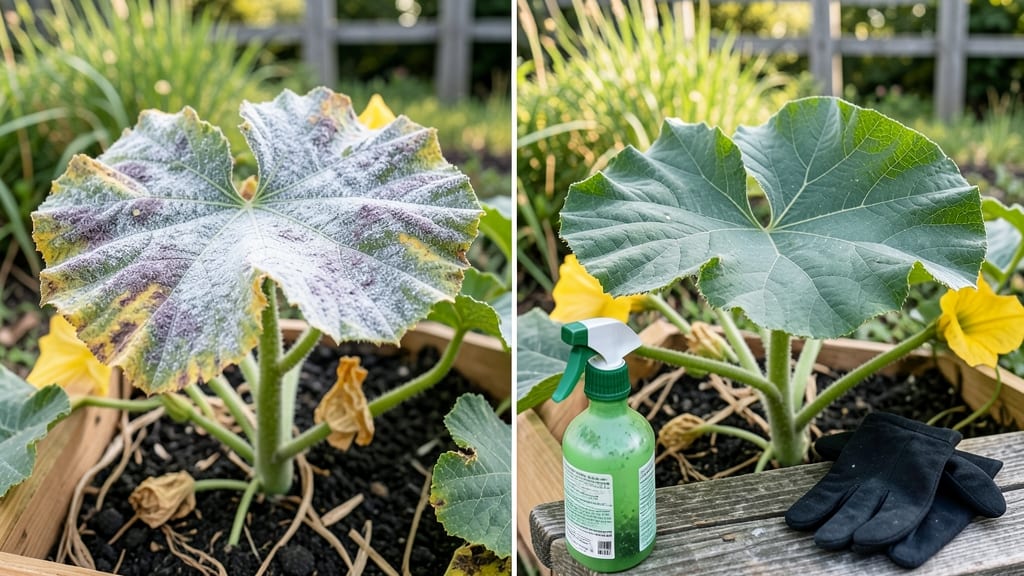
Squash leaf fungus turns your once-vibrant plants into sad, yellowing shadows—until you try this. 🌱 I’ve battled powdery mildew and downy mildew on my summer squash, and copper spray isn’t just a cure; it’s a fast turnaround when applied right.
The key is catching it early, before the fungus spreads like wildfire on a dry August afternoon.
This isn’t just about spraying copper—it’s about creating an environment where fungus can’t take hold. Thin out crowded vines for airflow, water at the base (not overhead), and rotate crops yearly.
My plants now bounce back in 3-5 days with the right mix of copper, baking soda (for prevention), and proper spacing. No more wilting leaves or stunted growth.
You’ll see the difference almost immediately: new leaves emerge bright green and crisp, not dusted with white or gray fuzz. The plants keep producing, and the fungus stays at bay—no more tossing half-eaten zucchinis because the leaves gave up first.
This method works for cucumbers and melons too, not just squash.
Fair warning: copper can burn leaves if you overdo it, so start with a 1% solution and apply in the early morning. The secret’s in the timing—spray when the plants are dry, and repeat every 7-10 days until the threat passes. Your garden’s summer harvest depends on it.
Root Causes Of Leaf Decay
When your squash plants start showing signs of leaf fungus, it’s often the result of a perfect storm of environmental and cultural factors. Understanding these triggers is key to prevention—and stopping the spread before it’s too late.
Below, we break down the primary reasons leaf fungus takes hold, backed by science and actionable insights.
Fungal spores thrive in damp, stagnant conditions. Squash leaves are especially vulnerable when:
- Humidity stays above 70%: Fungi like Phytophthora and Pythium (common culprits) germinate rapidly in moisture-rich air. Think of it like a sponge—fungi absorb water to spread.
- Plants are crowded: Dense foliage traps humidity, creating microclimates where spores linger. Even a single infected leaf can contaminate neighbors within days.
- Morning dew isn’t drying quickly: If leaves stay wet for more than 6–8 hours, fungal hyphae (root-like structures) penetrate leaf tissue, causing yellowing or brown spots.
Actionable fix: Space plants 2–3 feet apart, prune lower leaves for airflow, and water early in the day so foliage dries by evening.
Water droplets on leaves act like tiny fungal delivery systems. Here’s how it happens:
- Splashback from soil: Soilborne fungi (e.g., Downy Mildew) hitchhike on water splashes, landing on leaves as infectious spores.
- Persistent leaf wetness: Fungi need moisture to grow. A single overhead watering can keep leaves damp for hours—ideal for spore germination.
- Fungal zoospores: Some pathogens (like Phytophthora capsici) release swimming spores in water, which infect leaves within minutes.
Actionable fix: Use a soaker hose or drip irrigation to target roots, and water at the base only. Avoid late-day watering when temps drop.
Fungal spores are persistent—they can survive in soil for years or hitch a ride on garden tools, compost, or even wind. Key triggers:
- Infected plant residue: Left-behind vines, leaves, or fallen fruit harbor spores. For example, Powdery Mildew overwinters in dead tissue.
- Poor soil drainage: Waterlogged soil encourages root-rot fungi (e.g., Fusarium), which then spread upward to leaves.
- Reusing contaminated compost: Homemade compost with fungal spores can reinfect new plants if not heated to 140°F+.
Actionable fix: Remove all plant debris by fall, rotate crops (avoid squash in the same spot for 3 years), and test soil pH—fungi prefer acidic (below 6.0) or waterlogged conditions.
Weak plants are fungal magnets. Common stressors that lower defenses:
- Nitrogen deficiency: Pale, yellowing leaves signal weak cell walls, making it easier for fungi to invade. Squash needs 0.5–1 lb of nitrogen per 100 sq ft.
- Over-fertilizing with phosphorus: Too much P (common in bone meal) can promote fungal growth while stunting root health.
- Drought or heat stress: Wilting leaves create entry points for pathogens like Alternaria, which causes dark, concentric spots.
Actionable fix: Balance fertilizers with a 10-10-10 NPK ratio, mulch to retain moisture, and avoid sudden water shocks.
Pro Tip: 🔥 Early detection is your best defense. Check undersides of leaves (fungi often start there) and isolate infected plants immediately to prevent spread.
Fixing Fungal Foliage Fast
Fungal infections on squash leaves don’t have to mean the end of your harvest—with the right approach, you can revive your plants and prevent future outbreaks.
Below, we map common causes to practical fixes, from quick remedies to long-term strategies. Think of this as your emergency repair kit for squash leaves!
Before diving into solutions, identify the type of fungus you’re dealing with. Common culprits include:
- Powdery mildew (white, powdery patches)
- Downy mildew (yellow spots on top, fuzzy growth underneath)
- Alternaria or anthracnose (brown, sunken lesions)
Pro tip: 💡 Check the undersides of leaves—many fungi thrive there first!
1.
Copper Spray: The Fast-Acting Shield Cause: Fungal spores spreading rapidly (powdery/downy mildew, early-stage infections). Fix: - Mix a homemade copper spray (1 tsp copper sulfate + 1 gallon water + a drop of dish soap as a sticker). - Spray thoroughly on both sides of leaves, focusing on undersides where spores hide. - Reapply every 7–10 days until new growth appears (3–4 applications typically work). - For store-bought options: Use copper fungicides like Copper Soap or Bonide Copper Fungicide.
✨ Why it works: Copper disrupts fungal cell membranes, stopping spores in their tracks.
2.
Baking Soda Solution: The Gentle Disinfectant Cause: Mild powdery mildew or early-stage infections. Fix: - Mix 1 tbsp baking soda + 1 tsp dish soap + 1 gallon water. - Spray on leaves (avoid direct sun to prevent leaf burn). - Apply every 5–7 days for 2–3 weeks. - Bonus: Adds a light protective layer against future spores.
🌡️ Pro tip: Test on a small leaf first—some plants (like cucurbits) tolerate it well, but others may react.
3.
Prune and Burn: Containment Strategy Cause: Severe infections (large brown spots, wilting, or systemic spread). Fix: - Cut off infected leaves with sterilized pruners (wipe with rubbing alcohol between cuts). - Burn or trash (not compost!) the infected foliage to eliminate spores. - Avoid overhead watering—wet leaves = fungal buffet.
⏰ Timing matters: Do this early in the morning so leaves dry quickly.
1. Improve Airflow: Fungi Hate Breeze
Cause: Dense foliage traps moisture, creating fungal paradise. Fix:
- Space plants 3–4 feet apart (check squash variety guidelines).
- Prune lower leaves to allow airflow near the soil.
- Use trellises for vining squash—keeps leaves off damp ground.
💡 Pro tip: If growing in containers, elevate pots to prevent soil splash.
2. Water Wisely: Dry Leaves = Fungal Desert
Cause: Overhead watering spreads spores like wildfire. Fix:
- Water at the base (use a soaker hose or drip irrigation).
- Water early morning so leaves dry by sunset.
- Avoid late-night watering—fungi love damp overnight conditions.
🎯 Goal: Keep leaves dry within 4–6 hours after watering.
3. Soil Care: Feed for Resilience Cause: Weak plants invite infections. Fix:
- Add compost (1–2 inches) around the base for nutrient-rich soil.
- Use mulch (straw or shredded leaves) to block spore splash from soil.
- Avoid nitrogen-heavy fertilizers—they promote soft, fungus-loving growth.
Instead, use a balanced 10-10-10 or kelp-based fertilizer.
🔥 Boost immunity: Neem oil spray (1 tsp neem oil + 1 tsp dish soap + 1 quart water) every 2 weeks as a preventive.
4.
Crop Rotation & Cleanup: Break the Cycle Cause: Fungal spores linger in soil and debris. Fix: - Rotate crops—don’t plant squash, cucumbers, or melons in the same spot for 3 years. - Remove all plant debris at season’s end (even roots if possible). - Solarize soil (cover with clear plastic for 4–6 weeks in summer) to kill spores.
🌱 Prevention hack: Plant garlic or marigolds nearby—they repel fungi naturally!
If your squash plants are wilting, yellowing heavily, or covered in spores despite treatments:
- Consider fungicides like myclobutanil (Immunox) or potassium bicarbonate for stubborn cases.
- Replace heavily infected plants if they’re past saving—don’t let the fungus spread to others.
Final Thought: Fungal issues are manageable with early action and smart gardening. Copper sprays + airflow + dry leaves are your top 3 weapons—combine them, and your squash will bounce back faster than you think! 🚀
Frequently asked questions
How do I tell if my squash leaves have fungus vs. just heat stress?
Fungal infections show distinct patterns: powdery mildew appears as white, powdery patches (like dust) on leaf tops, while downy mildew creates yellow spots on top with fuzzy gray growth on undersides. Heat stress causes uniform browning or wilting without the fuzzy texture or color changes. Check leaf undersides—fungi love hiding there!
Can I use vinegar to treat squash leaf fungus?
White vinegar (1 part vinegar to 3 parts water) can help as a mild fungicide, but it’s less effective than copper or baking soda. The acidity disrupts fungal spores, but it may also burn leaves if too concentrated. Test on a small area first, and avoid using it if your soil is already acidic (pH below 6.0).
Why does my copper spray sometimes burn the leaves?
Copper can burn leaves if the concentration is too high or if applied in direct sunlight. Always use a 1% copper solution (1 tsp copper sulfate per gallon) and spray early in the morning when leaves are dry. Start with half-strength if your plants are sensitive, and avoid spraying when temps exceed 85°F.
How long does it take to see improvement after treating fungus?
With copper spray or baking soda, you should see new growth within 3–5 days if caught early. Severe cases may take 2–3 weeks to fully recover. The key is consistency—reapply every 7–10 days until the fungus disappears. Prune infected leaves immediately to speed up recovery.
Is it safe to eat squash with fungal leaves?
Only eat the fruit if the leaves are treated and the fungus hasn’t spread to the vines or fruit. If the fungus has reached the stems or fruit, discard it—some fungi (like Alternaria) can contaminate edible parts. Always wash squash thoroughly before eating, even if the leaves look healthy.