
Pests
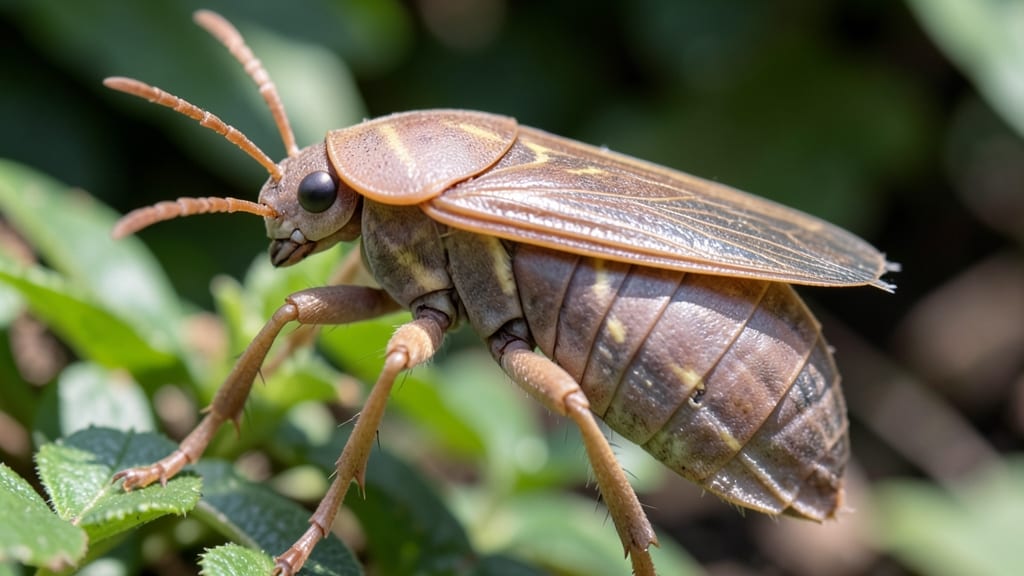
Texas leaf-footed bugs are the sneaky pests ruining your garden's best produce—especially tomatoes, beans, and citrus—without you even noticing until it's too late. 🌱 These shield-backed invaders thrive in Texas heat, sucking sap and leaving plants wilted, spotted, or stunted.
I’ve battled them for years, and I’ll show you how to outsmart them without reaching for harsh chemicals that harm your soil and pollinators.
The key to stopping them starts with identification: look for triangular brown shields on their backs and tiny red "feet" on their legs. They hide under leaves during the day, so check undersides after dawn.
Their life cycle speeds up in Texas summers, meaning one infestation can turn into dozens in weeks. The damage? Tiny holes in leaves, oozing sap, and fruit that’s deformed or covered in black mold—all signs they’ve moved in.
Natural control begins with prevention: row covers, pruning affected plants, and keeping your garden free of debris where they hide. Neem oil and insecticidal soap work well when applied at dusk, and introducing beneficial predators like lacewings or parasitic wasps can help long-term.
The goal isn’t just to kill them—it’s to create a garden where they can’t survive.
Texas’s long growing season means these bugs don’t take breaks, but with the right strategies, you can protect your harvest without sacrificing your garden’s health. Let’s get your plants back on track—naturally.
Natural Attractions Inviting Them In
Those pesky leaf-footed bugs (like the Texas variety) don’t just wander into your home by accident—they’re drawn in by specific cues in your environment. Understanding these triggers is the first step to outsmarting them.
Let’s break down why these bugs show up when they do, so you can address the root causes naturally.
Leaf-footed bugs are attracted to fermenting or rotting fruit because it mimics the scent of their natural food sources—overripe berries, citrus, and other soft fruits. In Texas, where summer heat speeds up decay, fallen fruit on the ground or even unharvested produce in your yard becomes a buffet call.
- Why it happens: These bugs have specialized sensory receptors that detect volatile organic compounds (VOCs) released by decomposing fruit. Ethanol and acetic acid (found in fermenting fruit) act like a dinner bell.
- Actionable fix:
- Pick up fallen fruit daily—especially citrus, grapes, and figs.
- Prune trees and shrubs to reduce fruit buildup on branches.
- Use food-grade diatomaceous earth (DE) around fruit trees to deter them without chemicals.
Dense vegetation, tall grasses, and leaf litter provide perfect cover for these bugs to hunt, mate, and shelter from predators. Texas’s warm climate extends their active season, so overgrown yards become year-round bug hotels.
- Why it happens: Leaf-footed bugs thrive in microclimates with high humidity and shade. They also use plants as "launching pads" to jump onto nearby structures (like your patio or home).
- Actionable fix:
- Trim bushes and mow lawns regularly, especially near your home’s foundation.
- Replace thick mulch with gravel or cedar chips, which bugs dislike.
- Plant bug-repelling herbs like basil, mint, or lavender near entry points.
Once outside triggers draw them close, gaps in your home’s defenses let them slip in unnoticed. These bugs squeeze through tiny cracks—sometimes as small as 1/16 of an inch—to seek warmth, moisture, or even your kitchen’s pantry.
- Why it happens: Leaf-footed bugs are excellent climbers and jumpers. They exploit:
- Unsealed windows or door frames.
- Gaps around pipes, vents, or utility lines.
- Damaged screens or torn weather stripping.
- Actionable fix:
- Seal cracks with caulk or silicone (focus on basements, attics, and garages).
- Install fine mesh screens on vents and chimneys.
- Use door sweeps to block gaps under exterior doors.
While leaf-footed bugs don’t breed in standing water like mosquitoes, they’re drawn to areas where their natural predators (like spiders or wasps) gather. Moisture also softens plant tissues, making them easier to pierce and feed on.
- Why it happens: Stagnant water in:
- Clogged gutters.
- Leaky hoses or faucets.
- Poorly drained flower pots.
- Actionable fix:
- Empty weekly any standing water in containers.
- Ensure gutters and downspouts direct water away from your home.
- Use mosquito dunks (Bti) in ponds or birdbaths to deter related pests.
Pro Tip: 🌡️ Monitor your yard’s moisture levels—leaf-footed bugs are most active when humidity exceeds 60%. Use a dehumidifier in crawl spaces or basements to make your home less inviting.
How to Fix Infestations Naturally
If you’ve spotted these stubborn pests—whether on your patio, garden, or inside your home—don’t reach for toxic sprays just yet. 🚫💨 The good news? You can tackle leaf-footed bugs (including the Texas variety) with eco-friendly, effective methods that protect your plants and your family.
Below, we break down cause-specific solutions, from immediate fixes to long-term prevention, so you can reclaim your space without harming the environment.
Cause: Leaf-footed bugs thrive in warm climates, especially on tomatoes, beans, and other veggies. They pierce fruit/leaves, causing deformities or wilting.
Fix:
- 🔥 Handpick & Squish – Check plants daily (especially after rain). Drop bugs into soapy water—no gloves needed (they’re harmless to humans but not cute).
- 🍳 Neem Oil Spray – Mix 1 tbsp neem oil + 1 tsp dish soap + 1 quart water. Spray undersides of leaves at dusk (avoids harming bees). Reapply every 5–7 days.
- 👨🍳 Yellow Sticky Traps – Place near plants to intercept adults. Replace traps weekly for max effectiveness.
- 🥘 Companion Planting – Interplant with basil, marigolds, or nasturtiums to repel bugs naturally.
💡 Pro Tip: Prune damaged leaves regularly to remove hiding spots and improve airflow—bugs hate dry conditions!
Cause: These bugs sneak in through screens, doors, or firewood. They don’t bite but can stain surfaces with their reddish "footprints" (from crushed glands).
Fix:
- ⏰ Seal Entry Points – Check for gaps around windows, pipes, and vents. Use caulk or weatherstripping—a simple fix that works instantly.
- 🔪 Vacuum & Dispose – Use a vacuum with a fine mesh bag (they’re hard to squish!). Empty the vacuum outside immediately.
- 🌡️ Reduce Humidity – Bugs love moisture. Run a dehumidifier in basements or bathrooms (aim for 40–50% humidity).
- 🎯 Diatomaceous Earth (DE) – Sprinkle food-grade DE along baseboards or under furniture. It’s a non-toxic powder that dehydrates bugs in 48 hours. Reapply after rain.
✨ Bonus: Place citrus peels or crushed garlic near entry points—their scents deter leaf-footed bugs!
Cause: Left unchecked, these pests multiply fast. Prevention saves time and stress.
Fix:
- 📊 Early Season Monitoring – Inspect plants weekly in spring/summer. Act fast if you spot eggs (tiny, yellow clusters on leaves).
- 💪 Rotate Crops – Avoid planting tomatoes/peppers in the same spot yearly—bugs overwinter in soil.
- 🥗 Mulch Smartly – Use straw or wood chips (not thick layers), as excess mulch can trap moisture and attract bugs.
- 🌱 Encourage Predators – Ladybugs, lacewings, and birds eat leaf-footed bugs. Plant dill, fennel, or alyssum to attract them.
💡 Pro Tip: Store firewood at least 20 feet from your home—these bugs hitchhike on wood!
Final Note: Consistency is key! Combine one immediate fix (like traps or DE) with preventive steps (like companion planting) for the best results. With these methods, you’ll keep your garden lush and your home bug-free—without a single chemical. 🌱🚫🐜
Frequently asked questions about Texas leaf-footed bugs
What do Texas leaf-footed bugs look like?
These bugs have a distinctive triangular brown shield on their backs and bright red legs—hence the name. Adults grow to about 1/2 inch long, while nymphs are smaller with similar coloration. Look for them hiding under leaves during the day or on fruit at night.
Are Texas leaf-footed bugs dangerous?
No, they don't bite humans or transmit diseases. However, their feeding can damage plants by causing wilting, holes in leaves, and fruit deformities. Some gardeners report finding them indoors, but they're harmless to pets too.
How do I get rid of them naturally?
Start with neem oil spray (mix 1 tbsp neem oil + 1 tsp dish soap + 1 quart water) or yellow sticky traps near plants. Handpick adults and drop them in soapy water. For prevention, use row covers on vulnerable plants and encourage natural predators like lacewings.
Why do they keep coming back?
These bugs thrive in Texas heat and reproduce quickly. They're often drawn back by fermenting fruit, dense vegetation, and moisture. Remove fallen fruit daily, trim bushes, and reduce humidity (aim for 40-50%) to make your garden less inviting.
Can I use chemical pesticides safely?
While chemical sprays may kill them quickly, they harm beneficial insects and pollinators. If you choose this route, use pyrethrin-based sprays sparingly and only at dusk. For long-term safety, focus on natural methods like diatomaceous earth or companion planting with basil or marigolds.