
Vegetables
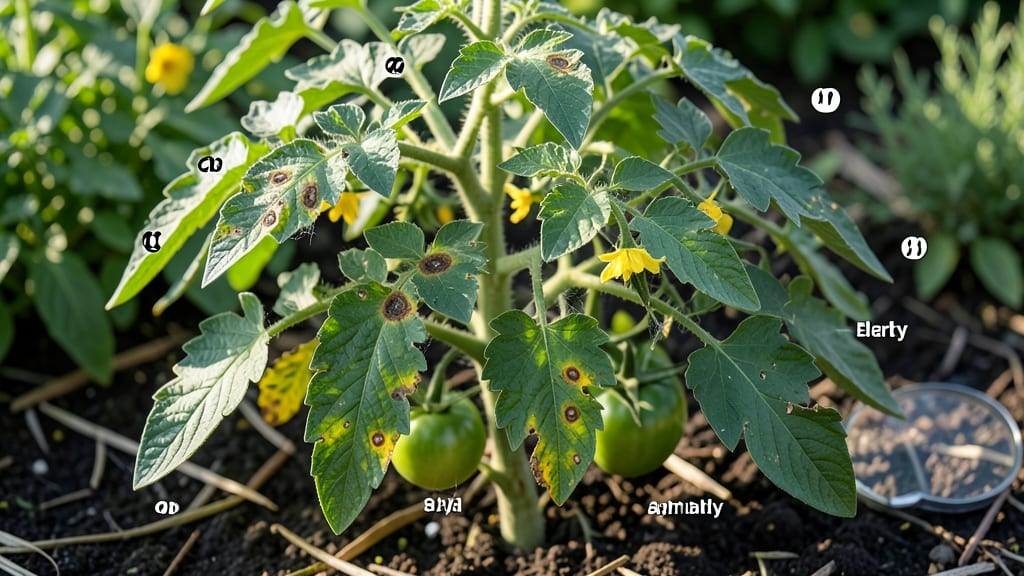
Your tomato plants are sending SOS signals—those suspicious spots and yellowing leaves in these tomato leaf problems photos aren’t just cosmetic. 🌱 I’ve spent years diagnosing tomato leaf problems, and the key to saving your harvest is recognizing symptoms fast before they spread.
Early blight looks like coffee stains on lower leaves, while late blight creates greasy, brown patches that spread fast—and spider mites leave tiny webs and stippled damage. The good news?
Most issues are preventable with simple adjustments: spacing plants for airflow, removing infected leaves, and applying copper fungicide at the first sign of trouble. I’ve seen entire plants recover in just 10 days with early action—no fancy tools needed.
You’ll learn to spot the difference between harmless environmental stress and serious diseases, plus how to treat each one without chemicals. The goal isn’t just to fix the damage but to stop it from coming back next season.
Whether you’re dealing with crispy edges, blackened stems, or mysterious holes, this guide gives you the visual clues and fast solutions to keep your tomatoes thriving. Let’s get those leaves healthy again.
Root Causes Behind Leaf Troubles
Tomato plants are resilient, but their leaves can quickly become a battleground for nature’s hidden threats. Understanding the why behind common tomato leaf problems is the first step to saving your harvest.
Below, we break down the most frequent culprits—from sneaky pathogens to environmental stressors—and explain how they wreak havoc on your plants.
Fungi thrive in warm, damp conditions, turning your tomato leaves into a buffet. Here’s how they strike:
- Early Blight (Alternaria solani)
This fungal darling loves hot, humid weather and infected plant debris. Spores hitch a ride on wind or water, landing on lower leaves where they form concentric brown spots with yellow halos.
Over time, the spots merge, creating a "bullseye" pattern. The fungus feeds on dead tissue, weakening the plant’s ability to photosynthesize.
Why it spreads: Poor air circulation (crowded plants), overhead watering (splashing spores), and leftover infected leaves from last season.
- Late Blight (Phytophthora infestans)
Considered one of the most devastating tomato diseases, late blight spreads like wildfire in cool, wet conditions (think 60–75°F with high humidity). It starts as oily, dark green to purple spots on the undersides of leaves, eventually turning brown and mushy.
Unlike early blight, late blight attacks both leaves and fruit, causing soft rot.
Why it spreads: Infected nightshade plants (like potatoes), contaminated tools, or even wind from nearby farms. It’s aggressive in coastal or rainy regions.
- Powdery Mildew (Oidium spp.)
This fungal nuisance doesn’t need wet leaves—it thrives in shady, dry conditions with poor airflow. You’ll spot white, powdery patches (like dust) on leaf surfaces, which eventually turn yellow and crispy. Unlike other fungi, powdery mildew doesn’t require water to spread—it releases spores into the air.
Why it spreads: Overcrowded plants, lack of sunlight, or sudden temperature drops (e.g., cool nights). It’s common in greenhouses or under dense foliage.
Bacteria don’t just lurk—they multiply rapidly in wounds or humid conditions, causing irreversible damage.
- Bacterial Spot (Xanthomonas perforans)
This bacterial bully creates tiny, water-soaked spots with dark edges that enlarge into holes over time. Unlike fungi, bacterial spots don’t have halos and often appear on both leaf surfaces. Severe infections can defoliate plants quickly.
Why it spreads: Contaminated water (from rain or irrigation), infected seeds, or tools. It’s worse in warm, rainy climates (like Florida or California’s Central Valley).
- Bacterial Speck (Pseudomonas syringae pv. tomato)
Smaller than bacterial spot, speck causes pinpoint, greasy-looking lesions that may ooze bacteria when wet. Leaves may yellow and drop prematurely, stunting growth.
Why it spreads: Cool, wet weather (50–75°F) and physical damage (e.g., hail, rough handling). It can survive in plant debris for years.
Not all leaf problems come from pathogens—sometimes, it’s your garden’s own doing.
- Nutrient Deficiencies
Yellowing leaves (chlorosis) often signal a lack of key nutrients. For example:
- Nitrogen deficiency: Pale green or yellow leaves, starting at the bottom of the plant. The plant can’t produce enough chlorophyll.
- Magnesium deficiency: Yellow patches between leaf veins (a classic sign of interveinal chlorosis), often on older leaves.
- Potassium deficiency: Brown, scorched-looking edges on leaves, even if the soil is moist.
Why it happens: Poor soil quality, overwatering (leaching nutrients), or improper pH (tomatoes prefer 6.0–6.8).
- Over/Underwatering
Tomatoes are thirsty but hate soggy feet. Here’s how water issues show up:
- Overwatering: Leaves turn yellow and mushy, roots suffocate (leading to root rot), and fungi like late blight thrive.
- Underwatering: Leaves curl, wilt, and develop crispy edges. The plant conserves water by shutting down leaf functions.
Why it happens: Inconsistent watering, compacted soil (preventing root growth), or lack of mulch (which retains moisture).
- Extreme Temperatures or Sunburn
Tomatoes love warmth but can’t handle sudden swings. Signs of stress include:
- Heat stress: Leaves yellow and drop, or develop white, bleached patches (sun scald) on exposed sides.
- Cold damage: Dark, water-soaked spots that turn brown and mushy (like frostbite for leaves).
Why it happens: Sudden temperature shifts (e.g., hot days followed by cold nights), lack of shade cloth in peak summer, or planting too early in cool climates.
Some leaf problems start with tiny mouthparts and end with big trouble.
- Aphids, Spider Mites, and Whiteflies
These sap-sucking pests don’t kill leaves directly, but their feeding weakens plants, making them susceptible to secondary infections. Signs include:
Why they strike: Drought stress (mites thrive in dry conditions), over-fertilizing with nitrogen (attracts aphids), or lack of beneficial predators (like ladybugs). These nocturnal nibblers chew irregular holes in leaves, often leaving behind silver slime trails (slugs) or ragged edges (cutworms). Why they strike: Moist, shaded conditions (slugs) or dense mulch (cutworms hide during the day). Pro Tip: 💡 Many leaf problems start with stress—whether from pests, poor soil, or weather. Healthy plants resist disease better, so focus on prevention (like proper spacing, mulching, and crop rotation) to keep your tomatoes fighting fit!
Quick Fixes for Tomato Leaf Troubles
When your tomato plants start showing signs of distress, acting fast can mean the difference between a thriving harvest and lost crops. Below are practical, step-by-step solutions for common tomato leaf problems, tailored to each cause. Follow these fixes to restore your plants’ health—and prevent future issues!
🔥 Remove Infected Leaves Immediately
- Snip off yellow or spotted leaves below the soil line (or with sanitized shears) to stop spores from spreading. Do not compost infected plant material—toss it in the trash.
🍳 Apply Fungicide (Organic or Chemical)
- Copper fungicide (like Bordeaux mixture) or neem oil (1 tbsp per quart of water + a drop of dish soap) work well for early-stage infections. Spray early in the morning to avoid scorching leaves.
- For severe late blight, use chlorothalonil (follow label instructions) and remove all infected plants within 48 hours.
👨🍳 Improve Airflow & Watering Habits
- Prune plants to open up the canopy (aim for 12–18 inches between branches).
- Water at the base (not overhead) and early in the day so leaves dry quickly.
- 💡 Pro Tip: Space tomato plants 18–24 inches apart and stake them to reduce humidity buildup.
🌡️ Prevent Future Outbreaks
- Rotate crops yearly—never plant tomatoes, peppers, or potatoes in the same spot two years in a row.
- Solarize soil in fall by covering it with clear plastic for 4–6 weeks to kill fungal spores.
🔪 Blast Off Pests with Soap or Oil
- Insecticidal soap (2 tbsp liquid soap + 1 quart water) or neem oil spray (1 tsp neem oil + 1 quart water + a drop of soap) smothers soft-bodied pests like aphids and spider mites.
- Spray directly on undersides of leaves where pests hide. Reapply every 3–5 days until pests vanish.
🥘 Introduce Beneficial Predators
- Release ladybugs, lacewings, or parasitic wasps (available at garden centers) to eat aphids naturally.
- 💡 Pro Tip: Plant marigolds, basil, or dill nearby to attract these helpful insects.
🎯 Handpick Hornworms
- Check leaves daily for green caterpillars with white stripes. Drop them into soapy water or feed them to chickens.
- 🔥 Quick Fix: Wrap plants in floating row covers to block egg-laying moths before the season starts.
✨ Long-Term Pest Control
- Interplant tomatoes with herbs (like thyme or oregano) to repel pests.
- Rotate planting locations yearly to disrupt pest life cycles.
📊 Test Your Soil First
- Use a DIY soil test kit (or send a sample to a local extension office) to check pH and nutrient levels. Tomatoes thrive in slightly acidic soil (6.0–6.8 pH).
💪 Fix Common Deficiencies Fast
| Symptom | Likely Cause | Solution |
|---|---|---|
| Yellow lower leaves | Nitrogen deficiency | Side-dress with compost or blood meal (1 tbsp per plant). |
| Yellow between veins | Iron deficiency | Apply chelated iron or spray with Epsom salt solution (1 tbsp/gal). |
| Purple stems/leaves | Phosphorus deficiency | Work in bone meal (1 tbsp per plant) or use a balanced fertilizer. |
| Curling leaves | Potassium deficiency | Feed with wood ash (sprinkle lightly) or potassium sulfate. |
🌱 Boost Growth with Organic Amendments
- 💡 Pro Tip: Mix worm castings into the soil at planting time for slow-release nutrients.
- Avoid over-fertilizing—too much nitrogen = more leaves, fewer tomatoes!
🌡️ Adjust for Temperature Shocks
- Heat stress? Provide shade cloth (30–50%) during peak sun (10 AM–4 PM).
- Cold damage? Cover plants with frost blankets if temps drop below 50°F (10°C).
⏰ Water Wisely
- Overwatering? Let soil dry 1–2 inches deep between waterings. Improve drainage with perlite or sand.
- Underwatering? Water deeply 1–2 times per week (more in extreme heat) and mulch heavily to retain moisture.
🌱 Strengthen Plants Proactively
- Hardening off seedlings gradually before transplanting prevents shock.
- 🔥 Quick Fix: If leaves wilt from heat, mist them lightly in the evening to cool them down.
If your plants are severely infected or dying, act fast:
- Prune aggressively—cut back to healthy green growth only.
- Disinfect tools with rubbing alcohol between cuts.
- Boost immunity with a seaweed or fish emulsion fertilizer (high in micronutrients).
- Isolate the plant until it recovers to prevent spread.
🌟 Final Prevention Checklist ✅ Rotate crops yearly. ✅ Clean up debris after harvest (remove old leaves/stems). ✅ Monitor plants weekly for early signs of trouble. ✅ Support plants properly (stakes, cages) to improve airflow.
With these fixes, your tomato plants should bounce back—and you’ll be on your way to a bountiful, problem-free harvest! 🍅🌱
Frequently asked questions about tomato leaf problems
How do I tell the difference between early blight and late blight just by looking at the leaves?
Early blight shows as concentric brown spots with yellow halos on lower leaves, while late blight creates greasy, dark green-to-purple patches that spread rapidly to both leaves and fruit. Late blight also thrives in cooler, wetter conditions (60–75°F), while early blight loves hot, humid weather.
Why are my tomato leaves turning yellow but the veins stay green?
This classic symptom usually means iron deficiency (interveinal chlorosis). Test your soil pH—tomatoes need 6.0–6.8. If the pH is too high, iron becomes unavailable. Try spraying leaves with Epsom salt solution (1 tbsp/gal) or apply chelated iron to the soil.
What should I do if I find tiny webs on my tomato leaves?
Those webs mean spider mites! Blast them off with a strong spray of water first, then apply neem oil spray (1 tsp/quart water + soap) to smother them. Increase humidity (mites hate it) and release lacewings as natural predators. Reapply every 3–5 days until gone.
Can I still eat tomatoes from plants with leaf diseases?
It depends! If the disease is early blight, the fruit is usually safe to eat (just remove infected leaves). But with late blight, the fungus can infect the tomatoes themselves—toss any spotted or mushy fruit. Always wash all produce thoroughly before eating.
How can I prevent tomato leaf problems next season?
Start with crop rotation (never plant tomatoes in the same spot two years in a row). Use resistant varieties (like 'Mountain Merit' for blight), improve airflow with proper spacing (18–24 inches apart), and mulch heavily to keep soil dry. Solarize your soil in fall to kill fungal spores!