
Vegetables
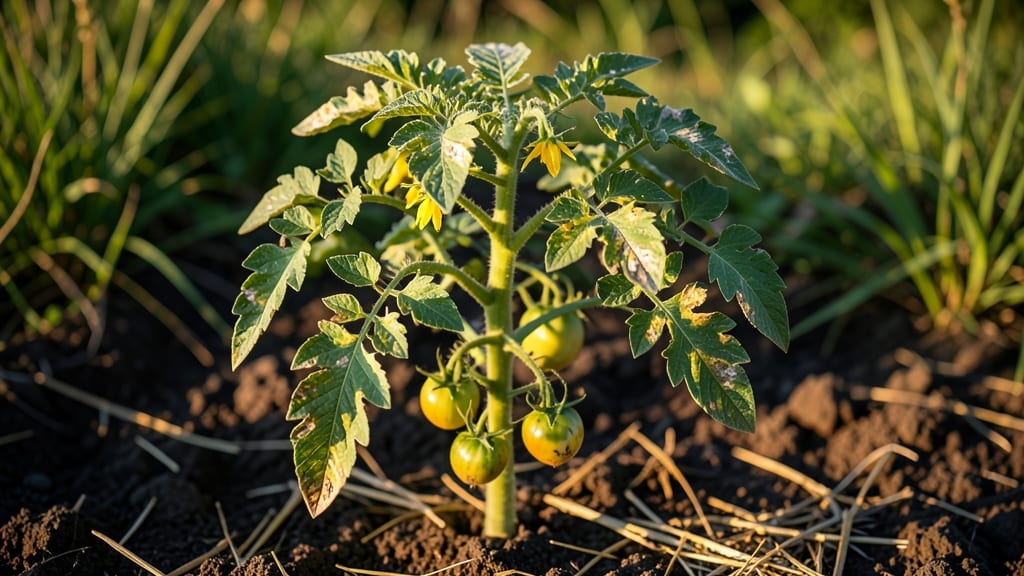
Your tomato plants are sending up distress signals—white patches, crispy edges, leaves curling like they've been fried. 🌱 That's tomato leaf sunscald, and it's not a disease, but heat stress that's quietly sabotaging your harvest.
I've nursed back dozens of scorched plants using the same simple fixes that work every time, and you can too.
The culprit is almost always too much sun too fast—whether you moved plants outdoors without hardening them first or skipped shade during a heatwave. Even proper watering won't save them if the leaves are getting more sun than they can handle.
The good news? This is 100% preventable with a few adjustments to how you protect and acclimate your plants.
Start by providing afternoon shade with a lightweight cloth or prune lower leaves to improve airflow. Water deeply in the morning to keep leaves cool, and mulch heavily to regulate soil temperature. Within days, you'll see new growth pushing through with healthy, green leaves instead of those sad, sun-bleached patches.
This fix works for both container tomatoes and in-ground plants, and the same principles apply whether you're dealing with sudden heat spikes or gradual seasonal changes. The key is acting fast—once the damage spreads, recovery gets harder. Let's get those plants back on track before the next heatwave hits.
The Hidden Triggers Behind Leaf Damage
Tomato leaf sunscald isn’t just a random act of nature—it’s a scientific response to environmental stress. When your plants’ leaves start showing those telltale white, yellow, or brown patches, it’s usually a sign that something’s gone awry in their growing conditions.
Let’s break down the key culprits behind this frustrating issue, so you can tackle it head-on.
Tomatoes thrive in moderate temperatures (ideally between 70–85°F during the day and 55–65°F at night). But when heat stress kicks in—especially after cold nights or sudden temperature spikes—the leaves can’t regulate their internal processes fast enough. Here’s how it happens:
- Overexposure to direct sunlight after a cool, cloudy period causes cells to overheat, leading to chlorophyll breakdown (the green pigment in leaves).
- Transpiration overload: On hot days, leaves lose moisture rapidly, but if roots can’t keep up (due to dry soil or poor watering), the plant shuts down certain leaf areas to conserve water—resulting in white or necrotic patches.
- Cold nights + hot days create a thermal shock, disrupting enzyme activity in leaves. This is especially common in greenhouse tomatoes or those grown in unpredictable climates.
💡 Pro Tip: Monitor your local extended forecast and acclimate your plants gradually to temperature changes. Use shade cloth (30–50%) on scorching days to ease the transition.
Water is the lifeline of your tomato plants, but too much or too little can trigger sunscald. Here’s the science behind the chaos:
| Issue | How It Causes Sunscald |
|---|---|
| Underwatering | Dry soil forces roots to work overtime, leaving leaves dehydrated. When sunlight hits, the cuticle (leaf’s protective layer) cracks, exposing cells to oxidative damage (browning). |
| Overwatering | Soggy roots drown the plant, reducing oxygen uptake. Leaves wilting or yellowing become more susceptible to sunburn when re-exposed to light after rain. |
| Inconsistent Watering | Fluctuating moisture levels stress the plant’s vascular system, making it harder to distribute water and nutrients. Leaves overheat because they’re not properly turgid (firm). |
🔥 Action Step: Water deeply but infrequently—aim for 1–1.5 inches per week (more in extreme heat). Use drip irrigation or soaker hoses to keep soil consistently moist without wetting leaves.
Tomatoes need breathing room. When leaves are trapped in dense foliage or shielded by other plants, they overheat because:
- Stagnant air prevents evaporative cooling—the natural process where water evaporating from leaves lowers their temperature.
- Humidity buildup in crowded areas creates a greenhouse effect, trapping heat and increasing leaf surface temperature.
- Fungal risks (like early blight) often accompany poor airflow, weakening leaves and making them more prone to sunscald.
🌡️ Fix It:
- Prune suckers and lower leaves to improve airflow.
- Space plants 18–24 inches apart (or use cages/trellises to elevate foliage).
- Use a fan on low speed (5–10 mph) near plants to mimic natural wind and cool leaves.
Tomatoes don’t handle abrupt sunlight changes well. If your plants have been protected by shade cloth, other crops, or indoor growing, and you suddenly move them to full sun, their leaves can’t adapt fast enough. Here’s why:
- Chlorophyll production slows in low-light conditions, so leaves have fewer protective pigments to shield against UV rays.
- Leaf wax layers (cuticle) become thinner in shaded environments, making them more permeable to heat damage.
- Photosynthesis overload: When exposed to intense light after shade, the plant’s light-harvesting complexes get overwhelmed, producing reactive oxygen species (ROS) that burn cells.
⏰ Gradual Transition Tip: If moving plants outdoors, acclimate them over 7–10 days by gradually increasing sun exposure (e.g., move them out for 1 hour/day, then 2 hours, etc.).
Now that you know the root causes of tomato leaf sunscald, you’re one step closer to preventing (and fixing!) it. The key? Consistency in care—whether it’s temperature management, watering, airflow, or sun exposure.
Fixing Scorched Tomato Leaves
Now that you know what’s causing those unsightly white or brown patches on your tomato leaves, let’s tackle the problem head-on. The good news? Most fixes are simple, cost-effective, and can save your plants with minimal effort.
Below, we’ve mapped out practical solutions based on the root cause—so you can act fast and prevent further damage.
Fix: Adjust your watering habits and improve soil aeration.
- 💧 Water Less, But More Deeply Instead of frequent shallow watering, give your tomatoes a deep soak 1–2 times per week (depending on climate). This encourages roots to grow deeper, reducing surface-level moisture that traps heat.
Use a moisture meter or the "finger test" (stick your finger 1–2 inches into the soil—if it’s dry, water; if damp, wait).
- 🌱 Improve Drainage If your pots or garden beds retain too much water, amend the soil with:
- Perlite or vermiculite (20–30% of potting mix)
- Coarse sand (for heavy clay soils)
- Compost (to boost organic matter and airflow) Pro Tip: 💡 Raise containers on feet or use saucers with drainage holes to prevent waterlogging.
- ☀️ Mulch to Regulate Soil Temp Apply 2–3 inches of organic mulch (straw, wood chips, or shredded leaves) around the base of plants. This keeps roots cooler and reduces evaporation, which can worsen sunscald symptoms.
Fix: Shield your plants and manage light intensity.
- 🏠 Provide Temporary Shade If your tomatoes are in a hot, exposed spot, use:
- Shade cloth (30–50% coverage) during peak afternoon sun (12 PM–4 PM).
- Row covers or lightweight fabric draped loosely over plants.
- Natural barriers like a trellis with a sheer curtain or nearby taller plants (e.g., corn or sunflowers).
- 🌿 Acclimate Young Plants Gradually If transplanting seedlings, harden them off over 7–10 days by exposing them to morning sun first, then gradually increasing afternoon light. Sudden full-sun exposure can shock leaves.
- 💦 Mist Leaves (Early Morning Only) Lightly misting leaves with water before sunrise can create a temporary protective layer. Avoid doing this in the afternoon—water droplets act like magnifying glasses, intensifying burns! 🔥
Fix: Buffer your plants from rapid heat changes.
- 🌬️ Increase Airflow Poor ventilation traps heat near leaves. Use a small fan on low speed (5–10 minutes daily) to mimic a gentle breeze, which also deters pests.
- 🚰 Use Drip Irrigation or Soaker Hoses Watering leaves with a sprinkler can raise their temperature and cause burns. Instead, water at the base of the plant to keep foliage cool.
- 🏡 Move Potted Tomatoes Strategically If possible, relocate containers to a shadier spot during heatwaves or use heat-resistant pots (like terracotta, which breathes better than plastic).
Fix: Balance soil health and feeding schedules.
- 🍽️ Feed Smartly
- Too much nitrogen? Switch to a balanced fertilizer (e.g., 5-5-5 or 10-10-10) or one high in potassium and phosphorus (e.g., 0-10-10) to strengthen cell walls.
- Too little calcium? Add crushed eggshells, lime, or a calcium supplement (like calcium nitrate) to prevent weak, sun-sensitive leaves.
- 🌿 Flush the Soil If you suspect salt buildup from over-fertilizing, leach the soil by watering heavily for 10–15 minutes to rinse away excess minerals.
Once you’ve treated the damage, keep it from returning with these habits:
- ⏰ Time Your Watering: Early morning (6–8 AM) is ideal—it gives leaves time to dry before the sun peaks.
- 🌿 Prune Strategically: Remove lower leaves touching the soil to improve airflow and reduce disease risk.
- 🌱 Choose Heat-Tolerant Varieties: If you live in a hot climate, opt for heat-resistant tomatoes like ‘Solar Fire,’ ‘Heatmaster,’ or ‘Arkansas Traveler.’
- 🌡️ Monitor Weather Forecasts: Plan for heatwaves by prepping shade or mulch in advance.
Remember: 🌱 Tomato plants are resilient! With these fixes, your leaves should recover within 1–2 weeks, and new growth will be stronger. If the damage is severe, don’t hesitate to prune affected leaves—it redirects energy to healthier parts of the plant. Happy growing! 🍅✨
Frequently asked questions
How can I tell if my tomato leaves have sunscald versus a disease?
Sunscald shows as white, yellow, or brown patches that appear on leaves exposed to direct sunlight, often with crispy edges. Unlike diseases, these patches don't spread gradually—they appear suddenly and stay localized. Diseases like early blight usually start with dark spots and spread inward, while sunscald affects only sun-exposed areas.
Can I still harvest tomatoes if the leaves have sunscald?
Yes! Sunscald only affects leaves, not the fruit itself. Your tomatoes will still ripen and taste normal. Focus on protecting the remaining leaves to ensure future harvests stay healthy. The plant may produce slightly fewer leaves, but fruit development continues as long as the roots and stems stay healthy.
What’s the fastest way to help my tomato plant recover from sunscald?
Start by pruning the most damaged leaves to redirect energy to healthy growth. Then provide afternoon shade with a 30–50% shade cloth and water deeply in the morning. Apply 2–3 inches of mulch to keep roots cool. Within 1–2 weeks, you should see new, undamaged leaves emerging.
Will my tomato plant survive if most of the leaves are scorched?
Tomato plants are surprisingly resilient! If the central stem and roots remain healthy, they can regrow leaves even with significant damage. Prune back the worst-affected leaves and focus on protecting the remaining foliage. Avoid over-fertilizing—stressed plants need balanced nutrients (like potassium) to recover, not just nitrogen.
Can I use household items to protect my tomatoes from sunscald?
For shade, try lightweight materials like cheesecloth, old bedsheets, or even white plastic bags (poke holes for airflow). To improve airflow, place a small fan nearby on low speed. For mulch, use grass clippings, straw, or even shredded newspaper (avoid colored paper). These DIY solutions work just as well as store-bought options.