
Vegetables
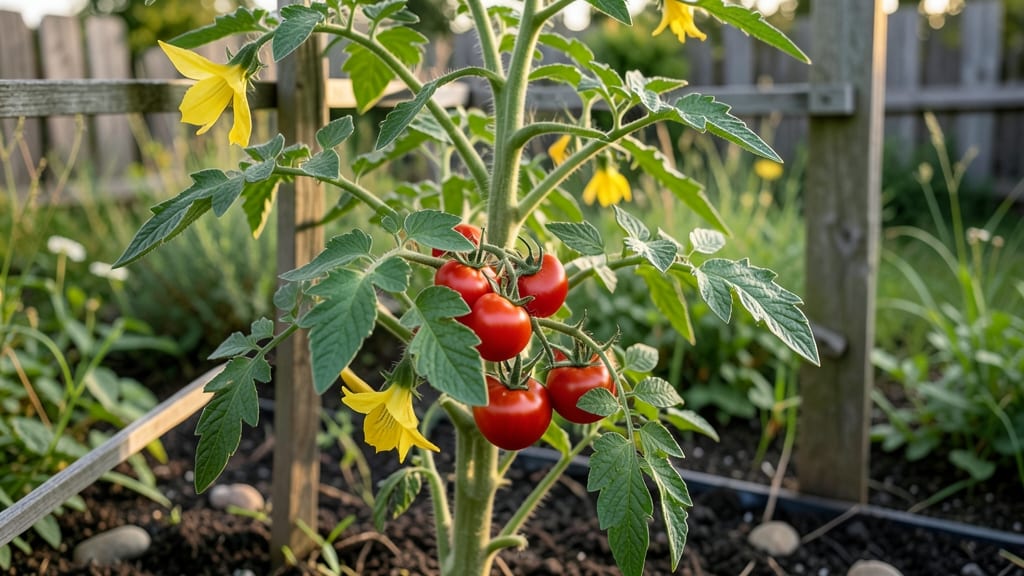
Recognizing the tomato leaf types is the first step to growing stronger, tastier tomatoes. 🌿 I’ve learned that leaf shape isn’t just about looks—it reveals how a plant grows, resists disease, and even tastes.
A deep-lobed leaf might mean a sweeter fruit, while a smooth-edged one could signal hardiness in heat. The most common types are potato leaves (deeply lobed, like heirlooms) and regular leaves (smooth, common in hybrids). Determinate tomatoes often have smaller, sturdier leaves, while indeterminate varieties grow larger, more delicate ones.
Knowing these differences helps you pick the right plant for your climate and space. Once you spot the pattern, you’ll notice how leaf shape hints at care needs—like watering frequency or pruning habits.
A plant with thick, waxy leaves might need less water, while thin, fuzzy ones could signal a need for shade. The right leaf type can also mean fewer pests and diseases. This skill transforms shopping at nurseries from guesswork to confidence.
Next time you’re picking seedlings, check the leaves first—they’ll tell you everything you need to know.
📚 In This Guide
- What you need
- Instructions
- Tips and common mistakes
- Wrapping up and next steps
What you need
- ● Tomato plants (2–5 plants, depending on your space—dwarf varieties like Tiny Tim or indeterminate types like Brandywine work great!)
- ● Pruning shears or sharp scissors (sterilized with rubbing alcohol to prevent disease spread)
- ○ Magnifying glass or hand lens (optional but helpful for closely examining leaf details)
- ● Notebook & pen (to record observations like leaf shape, serration, and color)
- ● Ruler or measuring tape (for noting leaf size—most tomato leaves range from 4–12 inches long)
- ● Digital camera or smartphone (to capture leaf variations for reference)
- ● Garden gloves (to protect your hands from thorns and dirt)
- ● Leaf identification guidebook or a tomato variety database (like the blank">Seed Savers Exchange)
- ● Plant labels (to mark different tomato varieties if testing multiple types)
- ● Grow lights or a sunny windowsill (if you’re comparing leaves indoors)
- ● Potting soil & containers (if propagating cuttings for further study)
How to identify tomato leaf types for optimal plant health
Recognizing your tomato plant's leaf types is the first step toward preventing disease and maximizing yield.
🌿 Step 1: Learn the Three Primary Leaf Types
Tomato plants produce three distinct leaf types during their life cycle: seed leaves, true leaves, and compound leaves. The first leaves you'll see after germination are cotyledons—these small, rounded seed leaves appear within 5-10 days and are your first clue that germination worked. They're not true leaves but serve as the plant's initial food source.
Once the cotyledons fall off (usually within 2-3 weeks), the first true leaves emerge. These are simple, oval-shaped leaves with a smooth edge and prominent veins. They're your plant's first real foliage and signal it's ready for stronger light. Watch for these 3-4 inch leaves—they're the plant's foundation for future growth.
🌱 Step 2: Recognize Mature Compound Leaves
As your tomato plant matures, it develops compound leaves—the classic 5-9 leaflet arrangement that gardeners recognize instantly. These appear after the plant has 6-8 true leaves and are a sign the plant is entering its vegetative growth phase. Each leaflet is connected by a central stem called a rachis, and they grow in a fan-like pattern.
Pay attention to the leaflet arrangement: determinate varieties (like 'Roma') have smaller, more compact compound leaves, while indeterminate varieties (like 'Beefsteak') produce larger, broader leaflets. This distinction helps you predict plant size and fruiting habits—determinate plants stay bushy, while indeterminate ones keep growing taller.
🌿 Step 3: Differentiate Between Healthy and Problematic Leaves
Healthy tomato leaves are deep green, slightly waxy, and free of spots or discoloration. The undersides should feel smooth, not fuzzy or slimy. When you run your fingers along the veins, you shouldn't see any signs of insect activity like webbing or tiny eggs. Compare leaves regularly—new growth should match the established healthy pattern.
Problematic leaves often appear first on lower stems. Look for yellowing between veins (a sign of viral infection), brown spots with yellow halos (early blight), or crinkled, curled leaves (often spider mite damage). The key is catching issues early: if 20% of leaves show symptoms, it's time to act with organic sprays or cultural changes.
✂️ Step 4: Prune Based on Leaf Type and Plant Stage
Pruning strategies change as leaf types shift. When your plant first sprouts true leaves (not cotyledons), focus on removing any leaves that touch the soil—this prevents disease. As compound leaves form, you can start pruning suckers (the shoots that grow between the stem and branches) to direct energy to fruit production.
Here's the rule I follow: leave 3-4 compound leaves above each flower cluster to support photosynthesis while removing leaves that shade fruit. For indeterminate varieties, prune aggressively during hot weather to improve airflow—this reduces humidity around leaves, cutting down on fungal diseases like early blight.
🌱 Step 5: Adjust Care Based on Leaf Development
Your watering and feeding needs change as leaves mature. Young plants with mostly true leaves need frequent, shallow watering to encourage root spread. Once compound leaves appear, switch to deep watering 1-2 times weekly—water should penetrate 6-8 inches deep to reach the expanding root system.
Fertilizer timing matters too: when you see the first compound leaves, it's time to feed with a balanced 10-10-10 fertilizer. As flowering begins (you'll notice tiny buds forming in leaf axils), switch to a low-nitrogen, high-phosphorus formula to encourage fruiting. The leaf type tells you exactly when to make these adjustments.
Tips & tricks for perfect tomato leaf identification
Understanding your tomato plant's leaf development is the secret weapon in your gardening arsenal—here's how to use it to your advantage.
Leaf Development Timeline: Those first cotyledons you see within 5-10 days aren't true leaves—they're just the plant's initial energy boost. The real action starts when true leaves emerge after 2-3 weeks, signaling your plant is ready for stronger sunlight. I always mark this moment in my planting journal because it's when I know to transition seedlings to more light.
Variety Distinction: Pay close attention to those compound leaves after 6-8 true leaves appear—they reveal your tomato variety's growth habits. Determinate types like Roma will show compact 5-9 leaflet arrangements, while indeterminate varieties like Beefsteak develop broader leaflets. This isn't just academic—it tells you whether to expect bushy plants or vining giants, which changes your entire growing strategy.
Health Check Protocol: When inspecting leaves for problems, focus on the undersides first—that's where pests and early signs of disease often hide. I use a small magnifying glass to check for spider mite webbing or aphid colonies, especially when I notice that 20% symptom threshold mentioned in the instructions. Early detection is everything with tomato plants.
Pruning Precision: The rule about leaving 3-4 compound leaves above each flower cluster works wonders, but timing matters. I always prune first thing in the morning when leaves are dry—this prevents fungal spores from entering through fresh cuts. For indeterminate varieties, I make a point to prune aggressively during heatwaves to create that crucial airflow.
Pro Tips for Tomato Leaf Types
- Understanding your tomato plant's leaf development is the secret weapon in your gardening arsenal—here's how to use it to your advantage.
- Leaf Development Timeline: Those first cotyledons you see within 5-10 days aren't true leaves—they're just the plant's initial energy boost.
- Variety Distinction: Pay close attention to those compound leaves after 6-8 true leaves appear—they reveal your tomato variety's growth habits.
Frequently asked questions
Got questions about tomato leaf types? You’re not alone! Here are some of the most common queries gardeners and plant enthusiasts ask—plus quick, actionable answers to keep your tomato plants thriving.
Why do tomato leaves look so different depending on the variety?
Tomato leaf shapes vary by species and cultivar! Solanum lycopersicum (common garden tomatoes) often have deeply lobed, serrated leaves, while heirlooms or wild varieties (like Solanum pimpinellifolium) may have smaller, smoother, or even hairy leaves. These differences help with disease resistance, growth habits, and even flavor—nature’s way of keeping things interesting!
Are curly or crinkled tomato leaves a sign of disease?
Not always! Some heirloom varieties (e.g., ‘Cherokee Purple’) naturally have wavy or curly leaves. But if leaves are also yellowing, wilting, or covered in spots, it could signal early blight, tomato mosaic virus, or nutrient deficiencies. Check for other symptoms—like stunted growth or spots—and adjust care (e.g., prune for airflow, test soil pH, or use neem oil).
When is the best time to prune tomato leaves for better growth?
Prune early and often! Start when plants are 12–18 inches tall, removing suckers (the tiny shoots in the leaf axils) to redirect energy to fruit production. For indeterminate varieties (like ‘Sungold’), prune weekly during the growing season. Avoid heavy pruning late in the year—it can stress plants before harvest. Pro tip: Use clean, sharp shears to prevent disease spread!
Can I use tomato leaves (like ‘Potato Leaf’ varieties) in cooking?
While most tomato leaves are bitter and inedible raw, ‘Potato Leaf’ tomatoes (Solanum lycopersicum var. cerasiforme) have tender, flavorful leaves perfect for pesto, stir-fries, or soups. Harvest young leaves before they toughen, blanch them briefly, and pair with garlic, olive oil, and nuts. Warning: Avoid leaves from conventional tomatoes—some contain solanine, which can cause stomach upset in large amounts.
What’s the easiest way to tell if my tomato plant has ‘Potato Leaf’ vs. regular leaves?
Compare the two! Regular tomato leaves are deeply lobed (like a jagged hand) with serrated edges. Potato leaf varieties (e.g., ‘Green Zebra’ or ‘Black Krim’) have smaller, smoother, potato-like leaves with fewer indentations. Snap a photo and compare side by side—it’s the fastest way to confirm!
Still stumped? Drop a leaf photo in the comments—we’ll help you ID it!
Wrapping up and next steps
Understanding the different tomato leaf types is your first step toward cultivating thriving, productive plants! 🌱 Whether you're dealing with potato leaves, regular leaves, or compound leaves, recognizing them helps you diagnose issues early and tailor care to your tomato’s needs.
Armed with this knowledge, you’re ready to nurture stronger plants and bountiful harvests.
Now that you’re an expert, why not put it into action? Start by observing your tomato plants this season—take notes, experiment with care routines, and share your discoveries with fellow gardeners. Happy growing! 🌿