
Pests and Diseases
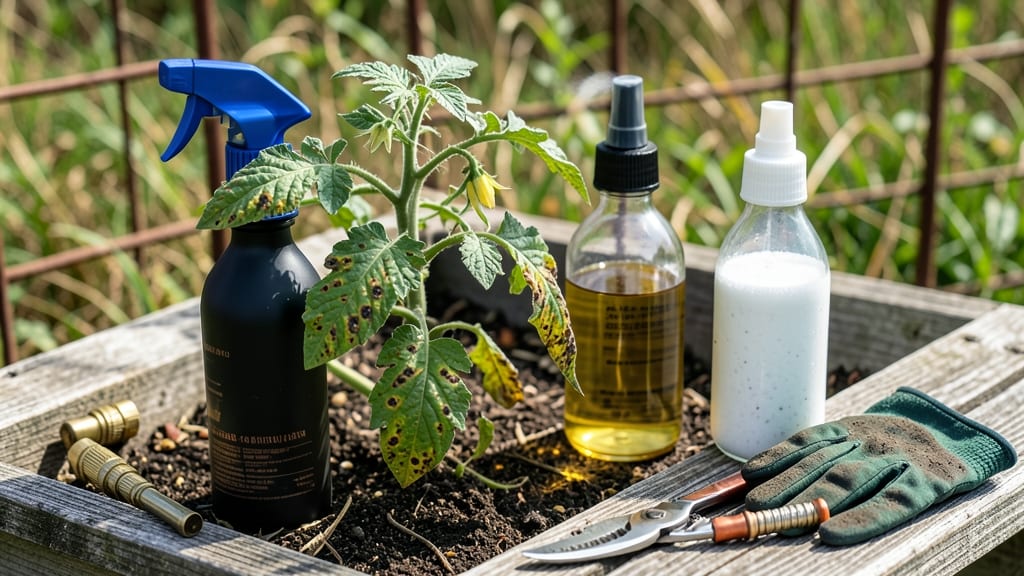
Treating leaf spot is the fungal nightmare that turns vibrant foliage into a sad, spotted mess—until you hit it with the right copper spray. 🌿 I’ve saved my roses, tomatoes, and even lawns from total collapse using this fast-acting solution, and you can too.
The key? Spraying at the right time, with the right mix, before the spots spread like wildfire.
Most leaf spot comes from fungal spores splashing up from soil or lingering on old plant debris. Rain, humidity, and poor air circulation turn your garden into a fungal buffet. Copper spray works by disrupting the fungus’s cell function—no resistance builds up like with some chemicals.
For best results, apply when leaves are dry and forecast calls for rain within 24 hours (the spray gets washed into the plant).
You’ll see improvement within 3-5 days—new growth stays clean, and existing spots stop spreading. The spray also prevents future outbreaks if you’re consistent. Just mix it right (1 tablespoon copper fungicide per gallon of water) and hit the undersides of leaves where spores hide.
No more wilting, yellowing, or holes—just healthy, spot-free plants.
Works for roses, tomatoes, lawns, and even houseplants. The secret? Early action and repeating every 7-10 days until the threat passes. Here’s how to make it work for your garden.
Root Causes Of Leaf Spot
Understanding why leaf spot appears on your plants is the first step to stopping it in its tracks. This fungal disease thrives under specific conditions, often linked to environmental factors, poor plant health, or even human habits.
Let’s break down the key reasons behind its spread—so you can address them directly.
Fungal spores love damp conditions, and leaf spot is no exception. When leaves stay wet for prolonged periods—whether from overwatering, poor drainage, or high humidity—spores germinate and infect plant tissues.
- Rainfall or Overhead Watering: Frequent rain or watering the leaves (instead of the soil) creates a perfect breeding ground. 💧
- Poor Air Circulation: Dense foliage or crowded plants trap moisture, increasing humidity around leaves.
- Morning Dew: While natural, dew lingers on leaves for hours, giving fungi time to take hold.
Actionable Fix: Water at the base in the early morning (when leaves dry faster) and space plants for airflow.
Leaf spot is caused by fungal pathogens like Cercospora, Alternaria, or Septoria, which spread via:
- Infected Plants: Buying or trading contaminated plants unknowingly.
- Tools & Soil: Pruners, gloves, or compost with old spores can reintroduce the fungus.
- Wind & Rain: Spores hitch rides on air currents or water droplets to new hosts.
Actionable Fix: Sterilize tools with rubbing alcohol, remove infected leaves immediately, and avoid working with wet plants.
Fungi thrive in warm (60–85°F), humid conditions—common in late spring and summer. However, sudden temperature swings (like cool nights after hot days) weaken plants, making them vulnerable.
- Heat Stress: Prolonged heat without enough water stresses plants, lowering their resistance.
- Cool, Wet Springs: Ideal for fungal spores to germinate and spread rapidly.
Actionable Fix: Monitor weather forecasts and adjust watering schedules to prevent stress.
Stressed or nutrient-deficient plants are easy targets for leaf spot.
Common triggers include: - Poor Soil Nutrition: Lack of nitrogen, potassium, or micronutrients weakens defenses. - Over-Fertilizing: Too much salt or synthetic fertilizers burn roots, reducing vigor. - Pests: Insects like aphids or mites damage leaves, creating entry points for fungi.
Actionable Fix: Use balanced, organic fertilizers and inspect plants regularly for pests.
Any break in the leaf surface—whether from harsh pruning, hail, or mechanical injury—gives fungi a foothold. Even old, diseased leaves left on the plant can harbor spores.
Actionable Fix: Prune only with sharp, clean tools and remove fallen leaves promptly.
Key Takeaway: Leaf spot doesn’t appear randomly—it’s a response to environmental cues and plant health. By addressing moisture, spores, temperature, nutrition, and physical stress, you can starve the fungus before it starts. Next, we’ll explore copper spray solutions to tackle existing infections. 🚀
Quick Fixes for Leaf Spot Damage
Leaf spot diseases can turn your lush garden into a sad, spotted mess—but don’t panic! The right approach depends on the cause, whether it’s fungal overgrowth, bacterial invasion, or environmental stress. Below, we break down practical solutions tailored to each culprit, plus prevention tips to keep your plants thriving.
Fungal leaf spot thrives in damp, humid conditions, often appearing as brown or black spots with yellow halos. Copper-based sprays are the gold standard for fungal control, but organic and DIY methods can also work.
🔥 Step 1: Remove Infected Leaves Immediately
- Why? Fungal spores spread fast—don’t let them linger.
- How? Snip off spotted leaves (don’t compost them—toss in the trash) and sterilize pruners with rubbing alcohol.
- Pro Tip: 💡 If the disease is severe, prune back 1-2 feet from the ground to reduce spore sources.
🍳 Step 2: Apply a Copper Fungicide (Best for Fast Action)
Copper disrupts fungal cell walls—organic, OMRI-listed, and effective on most leaf spot fungi.
- Options:
- Store-bought: Bonide Copper Fungicide, Garden Safe Copper Soap
- DIY: Mix 1 tsp copper sulfate + 1 gallon water (wear gloves—it’s toxic to pets/fish).
- How to Apply:
- Spray early morning or late evening (avoid direct sun—it can burn leaves).
- Cover both sides of leaves and stems thoroughly.
- Reapply every 7–14 days or after rain.
🌱 Step 3: Boost Plant Health with Prevention
Fungal leaf spot loves stressed plants.
Strengthen your greens with: - Proper spacing (✨ improves airflow—fungi hate dry conditions). - Water at the base (🌡️ avoid overhead watering; use drip irrigation). - Mulch (🎯 keeps soil moist but prevents splashing spores onto leaves).
Bacterial leaf spots often appear as water-soaked, greasy-looking spots that spread rapidly. Unlike fungi, bacteria can’t be killed with copper—you’ll need a different game plan.
👨🍳 Step 1: Sterilize Everything
- Tools: Clean pruners with bleach (1 part bleach : 9 parts water) or 70% isopropyl alcohol.
- Soil: If bacteria are in the soil, solarize (cover with clear plastic for 4–6 weeks in hot sun).
- Pro Tip: 🔥 Avoid wounding plants—bacteria enter through cuts or tears.
🥘 Step 2: Use Bacterial-Fighting Sprays
- Copper isn’t enough—try bacterial-specific sprays:
- Serenade Garden (contains Bacillus subtilis, a natural bacteria fighter).
- Regalia (another biological control).
- How to Apply:
- Spray every 7–10 days until new growth appears.
- Remove infected leaves immediately to stop spread.
🌿 Step 3: Improve Drainage & Reduce Stress
Bacteria thrive in wet, crowded conditions.
- Fix poor drainage by amending soil with compost or sand.
- Thin out plants for better airflow.
- Avoid overhead watering—use soaker hoses instead.
Sometimes, leaf spot isn’t a pathogen—it’s nutrient deficiency, sunburn, or harsh chemicals mimicking disease symptoms.
⏰ Step 1: Check for Environmental Triggers
| Symptom | Likely Cause | Fix It Fast |
|---|---|---|
| Yellow spots + weak growth | Nitrogen deficiency | Feed with balanced fertilizer (10-10-10) or compost tea. |
| White/yellow patches in sun | Sun scorch | Move plants to partial shade or acclimate slowly to full sun. |
| Brown edges on leaves | Overwatering or salt buildup | Let soil dry between waterings; flush soil with water to remove salts. |
🔪 Step 2: Adjust Watering & Fertilizer Routine
- Water deeply but less often (🌡️ let top 1–2 inches of soil dry out).
- Avoid chemical fertilizers—switch to organic options (fish emulsion, worm castings).
- Mulch to retain moisture without suffocating roots.
🎯 Step 3: Strengthen Plant Defenses
- Foliar feed with seaweed extract (boosts natural immunity).
- Rotate crops if growing veggies (prevents soil-borne stress).
- Avoid pruning during wet weather (opens wounds for pathogens).
✅ Inspect plants weekly—catch spots early before they spread. ✅ Clean up debris (fallen leaves, old mulch) year-round. ✅ Space plants properly (✨ 12–24 inches apart for airflow). ✅ Water at the base (never overhead—especially in the evening). ✅ Rotate fungicides if treating repeatedly (prevents resistance).
Remember: The key to beating leaf spot is speed + prevention. Act fast, adjust care, and your plants will bounce back stronger! 🌱💪
Frequently asked questions about treating leaf spot
Can I use copper spray on edible plants like tomatoes or herbs?
Yes, copper fungicides are safe for edible plants when used correctly. Follow label instructions carefully—most require a 24-hour waiting period before harvesting. Organic copper sprays like Bonide Copper Fungicide are OMRI-listed, meaning they're approved for organic gardening. Always wear gloves and avoid spraying during flowering to protect pollinators.
How do I know if my leaf spot is fungal or bacterial?
Fungal leaf spots usually have concentric rings or powdery textures and spread slowly, while bacterial spots appear greasy, water-soaked and spread rapidly. Check leaf undersides for fungal spores (tiny black dots). Bacterial infections often have yellow halos and smell foul. If unsure, test both copper spray (fungal) and bacterial-specific treatments like Serenade Garden.
Will removing infected leaves stop the spread completely?
Removing infected leaves is essential but won't stop spread alone—it's just the first step. Spores linger on tools, soil, and old plant debris. Always sterilize pruners with rubbing alcohol, dispose of leaves in the trash (not compost), and apply copper spray within 24 hours for full protection. Combine this with proper spacing and airflow to prevent recurrence.
How often should I reapply copper spray after rain?
Rain washes away copper spray, so reapply within 24 hours if heavy rain occurs. For light showers, check leaves the next morning—if droplets remain, respray. Maintain a 7-14 day schedule during humid seasons. Pro tip: Apply in the evening before forecasted rain to maximize protection while leaves dry overnight.
Can I prevent leaf spot in my lawn without chemicals?
Start with proper mowing height (3-4 inches for most grasses) to improve airflow. Water early morning and avoid overnight irrigation. Remove thatch buildup and aerate compacted soil. Apply compost top dressing in spring to boost plant health. For existing spots, use a baking soda solution (1 tbsp per gallon of water) as a mild organic fungicide.