
Leaf Blower
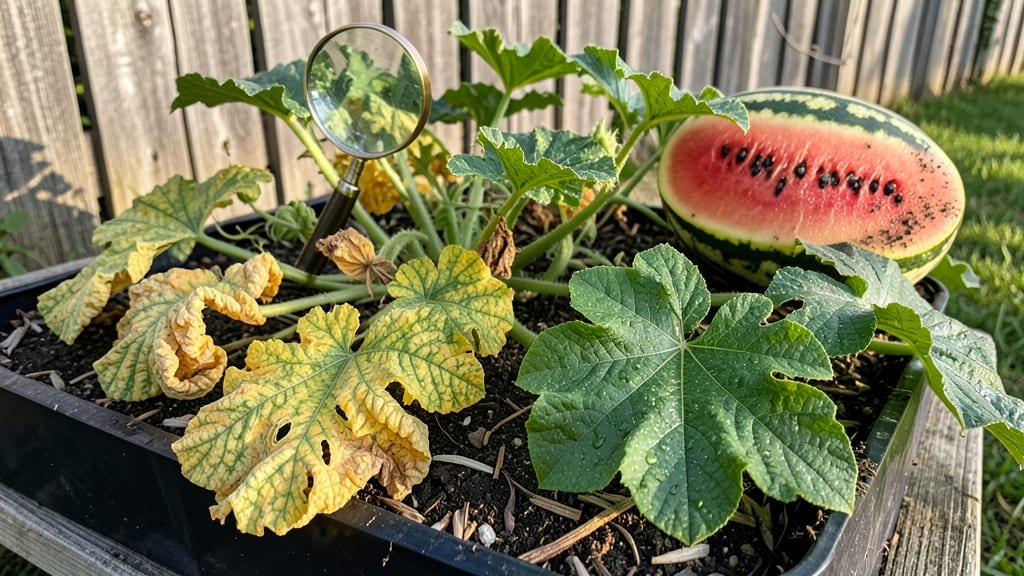
When your watermelon vines start curling and yellowing, watermelon leaf curl virus is likely the culprit—and it spreads fast. 🌱 I’ve seen this virus turn a thriving patch into a sad, stunted mess in just weeks, but copper spray can help slow it down before it takes over.
The virus hitches rides on whiteflies, and once it’s in your plants, there’s no cure—only damage control. Copper spray isn’t a magic fix, but it creates a hostile environment for secondary fungal infections that worsen the damage.
Think of it as a shield while you remove infected plants and trap those pesky whiteflies.
Within 24 hours of the first spray, you’ll start seeing less leaf distortion and slower spread. The key is consistency: reapply every 5-7 days during hot, humid weather, and pair it with sticky traps for whiteflies.
Your melons won’t recover fully, but you’ll salvage more of the crop than if you did nothing.
This works best for small gardens or early detection—once the virus is widespread, prevention shifts to resistant varieties like ‘Sugar Baby’ or ‘Crimson Sweet’ for next season. For now, focus on containment and protecting what’s left.
Root Causes Of Crop Decline
Watermelon leaf curl virus (WLCV) thrives in specific conditions, turning once-lush vines into twisted, stunted shadows. Understanding its triggers helps you break the cycle before it spreads. Here’s why this stubborn pathogen takes hold—and how to recognize the red flags early.
WLCV doesn’t move on its own—it hitches a ride on Bemisia tabaci, the whitefly. These tiny, sap-sucking insects (as small as 1/16 inch!) excrete honeydew while feeding, creating sticky residue that weakens plants. But here’s the kicker: they transmit the virus mechanically when they probe healthy leaves to feed.
- How it works: Whiteflies inject viral particles into plant cells as they feed, disrupting photosynthesis and triggering leaf curl symptoms. - Peak risk times: Warm, dry seasons (70–90°F) with low humidity—ideal whitefly breeding conditions. - Actionable clue: Check undersides of leaves for tiny white moth-like insects or sticky residue.
A hand lens helps spot early signs.
WLCV exploits stressed plants like a thief in the night. When watermelons face heat waves, drought, or poor soil nutrition, their defenses drop, making them prime targets.
- Heat’s role: Temperatures above 85°F accelerate viral replication, while sudden temperature swings (e.g., hot days/cool nights) shock plants into vulnerability. - Nutrient gaps: Low potassium (K) or magnesium (Mg) weakens cell walls, giving the virus easier entry.
Yellowing between leaf veins (a sign of magnesium deficiency) often precedes curl symptoms. - Actionable fix: Mulch to retain moisture, use drip irrigation to avoid leaf wetness, and apply a balanced fertilizer (e.g., 10-10-10) at planting.
Viral particles can linger on soil, tools, or even your hands for days. If you’ve worked with infected plants, you might unknowingly transfer WLCV to healthy ones.
- High-risk tools: Pruners, gloves, or trellis supports that brush against infected leaves. - Seedling danger: Grafted watermelons (common in commercial farms) can still carry latent viruses in their rootstock.
Even "certified disease-free" seeds may harbor WLCV if stored improperly. - Actionable protocol: - Sanitize tools with 70% isopropyl alcohol between uses. - Disinfect soil with solarization (covering beds with clear plastic for 4–6 weeks in summer). - Avoid overhead watering—splashing spreads viruses faster than whiteflies.
Greenhouses are viral incubators if airflow is stagnant. High humidity (above 70%) and crowded plants create the perfect storm for WLCV.
- Why it matters: Poor ventilation traps whiteflies and increases leaf-to-leaf contact, speeding up viral spread.
- Actionable upgrades:
- Install fan-and-pad cooling systems to maintain 60–70% humidity.
- Space plants 18–24 inches apart to improve airflow.
- Use yellow sticky traps to monitor whitefly populations weekly.
If your field grew infected cucurbits (melons, squash, pumpkins) last season, WLCV likely overwintered in weeds or volunteer plants.
- Weed hosts: Malva parviflora (cheeseweed) and Portulaca oleracea (purslane) harbor WLCV and whiteflies.
- Actionable cleanup:
- Rotate crops with non-host plants (e.g., beans, tomatoes) for 2+ years.
- Till or solarize old beds before planting watermelons.
- Remove all plant debris by fall to starve whiteflies.
Many growers confuse WLCV with nutrient deficiencies, herbicide drift, or fungal diseases—delaying treatment.
- Key differences: - WLCV: Leaf curling, upward cupping, stunted growth, and thickened veins (no yellow spots). - Fungal spots: Dark, circular lesions (often from Alternaria or Fusarium). - Quick test: Crush a curled leaf—if it smells rank or rotten, it’s likely fungal.
WLCV leaves stay dry and brittle.
The first 30 days after transplanting are critical. Monitor for: ✅ Whitefly eggs (tiny, yellow, oval) on leaf undersides. ✅ Stunted cotyledons (first true leaves). ✅ Mild mottling before full curl sets in.
React fast: Isolate infected plants immediately and spray with neem oil or insecticidal soap to disrupt whitefly life cycles. For severe cases, copper-based sprays (like your 24-hour protocol) can help prevent secondary fungal infections that exploit viral damage.
Quick Fixes for Watermelon Leaf Issues
Watermelon leaf curl virus (WLCV) can turn your thriving garden into a struggling patch, but the good news is that early action and prevention can save your crop. Below are practical, step-by-step solutions tailored to the root causes—whether it’s viral spread, pest infestations, or environmental stress.
Follow these fixes to restore health and keep your watermelons flourishing.
If you’ve spotted curled, yellowed, or stunted leaves, act fast—WLCV spreads like wildfire through sap-sucking insects (like whiteflies) and contaminated tools. Here’s how to contain it:
- 🔪 Snip and Toss: Use sterilized pruning shears (wipe with rubbing alcohol between cuts) to remove infected leaves or entire plants. Do not compost—bag and discard them far from your garden to prevent reinfection. - 🚫 Quarantine New Plants: If buying seedlings, inspect them for symptoms before planting.
Avoid nurseries with known outbreaks. - 🌱 Replace, Don’t Reuse: If a plant is severely infected, pull it up entirely. Replant the area with resistant varieties (like ‘Sugar Baby’ or ‘Crimson Sweet’) in the next season.
💡 Pro Tip: Check the undersides of leaves for tiny whiteflies—your #1 virus spreaders. A blue sticky trap near plants can monitor their population.
Since WLCV hitchhikes on pests, disrupt their lifecycle to break the chain:
- 🕷️ Introduce Beneficial Insects: Ladybugs, lacewings, and parasitic wasps devour whiteflies.
Release them at dusk or buy them from garden centers. - 🌿 Neem Oil Spray: Mix 1 tsp neem oil + 1 tsp mild soap + 1 quart water, then spray every 5–7 days.
This smothers pests and deters egg-laying. - 🔄 Rotate Crops: Avoid planting cucurbits (watermelons, cucumbers, squash) in the same spot yearly. WLCV can linger in soil for months.
✨ Prevention Hack: Reflective mulch (aluminum foil or silver plastic) confuses whiteflies and reduces landings by up to 70%.
Healthy plants fight off stress better. Strengthen your watermelons with these low-effort upgrades:
- 💧 Water Deeply, Not Often: Drip irrigation (instead of overhead watering) keeps leaves dry, reducing fungal secondary infections. Water at soil level in the morning. - 🌱 Balanced Fertilizer: Use a low-nitrogen, high-potassium feed (like 5-10-10) to harden vines.
Over-fertilizing with nitrogen = softer, more vulnerable leaves. - 🌿 Copper Spray Protocol (Your 24-Hour Shield): - Mix: 1 tbsp copper sulfate + 1 gallon water + 1 tsp dish soap (as a sticker). - Apply: Spray thoroughly on both leaf sides at sunset (avoid direct sunlight—it burns foliage). - Repeat: Every 7–10 days or after rain.
This prevents fungal spots (like powdery mildew) that weaken plants further.
🎯 Targeted Tip: Focus spray on new growth—that’s where pests and viruses attack first.
Contaminated tools are a silent virus highway. Sterilize everything that touches plants:
- 🧼 Bleach Bath: Soak shears, hoes, and stakes in 1 part bleach to 9 parts water for 10 minutes.
Rinse and dry in the sun. - 🔥 Flame Sterilization: For metal tools, rub them on a propane torch for 30 seconds. - 🧴 Rubbing Alcohol Wipes: Keep a bottle handy for quick cleanups between plants.
💡 Quick Fix: Wipe down pot rims and trellises too—WLCV can hide in crevices.
Stop WLCV from returning with these habits for next season:
| Action | How to Do It | Why It Works |
|---|---|---|
| 🌱 Plant Resistant Varieties | Choose hybrids like ‘Charleston Gray’ or ‘Black Diamond’. | These have genetic resistance to WLCV. |
| 🕰️ Stagger Planting | Space out watermelon plantings by 2–3 weeks. | Reduces whitefly population spikes. |
| 🌿 Interplant with Traps | Grow marigolds or basil nearby. | Their scents repel whiteflies. |
| 🧹 Deep-Clean Debris | Remove all plant waste after harvest. | Stops virus overwintering in soil. |
Final Note: While WLCV has no cure, these steps minimize damage and prevent outbreaks. Combine removal, pest control, and copper sprays for the best defense. Your watermelons will thank you with sweet, disease-free fruit! 🍉✨
Frequently asked questions
Can copper spray actually cure watermelon leaf curl virus?
No, copper spray won't cure WLCV since it's a viral infection with no known cure. However, it creates a protective barrier against secondary fungal infections that often worsen symptoms. Think of it as damage control while you remove infected plants and control whiteflies—the real virus spreaders.
How do I tell if my watermelon plants have WLCV or just nutrient deficiency?
WLCV causes upward leaf curling, thickened veins, and stunted growth without yellow spots. Nutrient deficiencies (like magnesium) cause yellowing between veins. Crush a curled leaf—if it smells rank or rotten, it's likely fungal, not viral. WLCV leaves stay dry and brittle.
Are there watermelon varieties that resist leaf curl virus?
Yes! Varieties like 'Charleston Gray', 'Black Diamond', and 'Sugar Baby' have genetic resistance to WLCV. For next season, plant these hybrids instead of susceptible varieties. Even resistant plants benefit from whitefly control and proper care, as no variety is 100% immune.
Will removing infected plants stop the virus from spreading?
Removing infected plants is critical—but only if you do it immediately and completely. Bag and discard infected plants (don't compost) and sterilize tools between cuts. However, since whiteflies spread WLCV, you must also control pests with neem oil or beneficial insects to break the cycle.
Can I still harvest fruit from infected watermelon plants?
You can harvest fruit from mildly infected plants, but expect smaller, lower-quality melons. Severely infected plants will produce bitter, deformed fruit. Focus on removing infected plants first to protect nearby healthy vines. If you harvest, wash fruits thoroughly before eating.