
Pruning
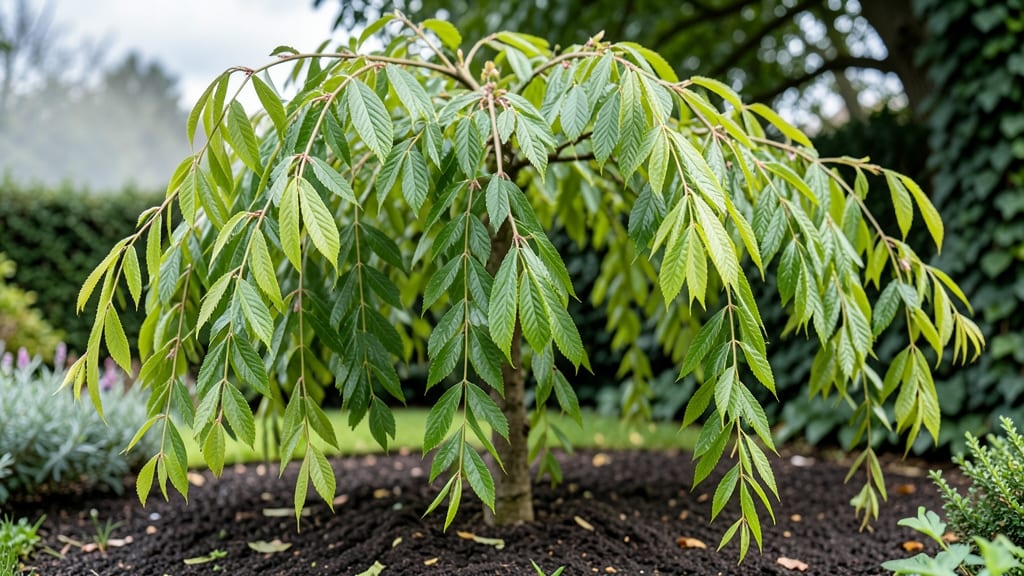
Your weeping cherry’s leaf—dark, spotted, and drooping—isn’t just ugly; it’s a silent scream for help. 🌿 Fungal diseases like black spot and powdery mildew turn lush foliage into a sad, crunchy mess, but copper fungicide spray is the game-changer I’ve used to bring my trees back to life.
The key? Pruning the worst spots before spraying to stop the spread.
Here’s the truth: copper works best when you pair it with proper pruning. Grab your shears and cut out any leaves with dark spots or weird white powder—don’t just trim the edges. Remove those infected leaves immediately and drop them in the trash (not compost).
Then, mix up that copper fungicide and spray every leaf surface, top and bottom, until it’s damp but not dripping.
Within two weeks, you’ll see fresh, vibrant green leaves pushing out from the branches. The copper stops new infections, and the pruning gives your tree room to breathe and recover.
My weeping cherry went from looking like it was dying to putting on a showstopping spring display—all because I acted fast and followed this two-step process.
This method works for both powdery mildew and black spot, and it’s safe to use even when buds are forming. Just time your spray for early spring or late fall when the weather’s cooler—hot days can burn the leaves if you’re not careful. Trust me, your tree will thank you.
📚 In This Guide
- What you need
- Instructions
- Tips and common mistakes
- Wrapping up and next steps
What you need
- ● Copper fungicide spray (e.g., Copper Sulfate Pentahydrate or a ready-to-use liquid formulation) – 1-2 gallons (enough for 2-3 applications). Look for a label approved for fungal spot on cherry trees.
- ● Pruning shears or loppers – 1 pair, with bypass blades (for clean cuts) and sterilized (use rubbing alcohol or bleach solution).
- ● Gloves – 1 pair of heavy-duty, chemical-resistant gloves (e.g., nitrile-coated for protection against copper and sap).
- ● Ladder or step stool – 1, if your tree is taller than 6-8 feet. Ensure it’s stable and rated for your weight.
- ● Disposable pruning bags or bucket – 1-2, for collecting infected leaves and small branches (avoid composting these!).
- ● Garden hose with nozzle – 1, for rinsing tools and diluting copper spray if needed.
- ● Spray bottle or backpack sprayer – 1, 2-4 gallons capacity, for even fungicide coverage.
- ● Rubbing alcohol (70%+ isopropyl) or bleach solution – Small bottle, for sterilizing tools between cuts.
- ● Tree wound pruning sealant – Small tube, to protect large cuts (though weeping cherry doesn’t always need it).
- ● Face mask – 1, to avoid inhaling copper dust if using powdered fungicide.
- ● Garden twine or zip ties – Small roll, for securing branches if needed post-pruning.
- ● Notebook & pencil – 1, to sketch a pruning map of your tree’s structure.
- ○ Mulch (optional) – 2-3 inches of organic mulch (e.g., wood chips), to improve soil health after pruning.
Step-by-step guide to pruning weeping cherry trees for fungal spot control
Here's how I tackle fungal spot on weeping cherry leaves—clean cuts and copper spray keep these beauties thriving.
✂️ Step 1: Time Your Pruning for Maximum Effect
Prune during late winter or early spring—before buds swell but after the worst winter cold passes. This timing gives your tree time to heal before fungal spores become active. I always check the forecast for dry, calm weather at least 24 hours before pruning; wet conditions spread spores faster than you can cut.
Focus on removing dead, diseased, or crossing branches first. These are the main entry points for fungal infections. Use sharp pruners to make clean cuts at a 45-degree angle, about ¼ inch above a bud or lateral branch. Ragged cuts invite disease, so take your time—this isn't a race.
🌿 Step 2: Remove Infected Leaves and Thin the Canopy
Collect all fallen leaves and rake them into a heavy-duty trash bag—don't compost them. Fungal spores overwinter in leaf debris, and weeping cherries are particularly susceptible. Thin the canopy by 20-30% to improve air circulation, which is critical for preventing fungal spot. I start at the outer branches and work inward, removing branches that rub against each other.
Look for dark brown or black spots with yellow halos on leaves—these are classic fungal spot symptoms. Snip off infected leaves immediately and sterilize your pruners with 70% isopropyl alcohol between cuts. This stops the spread before you even spray. If you see powdery mildew (white, powdery patches), that's a separate issue but follows the same removal protocol.
💧 Step 3: Apply Copper Fungicide Spray Preventively
Mix copper fungicide according to label instructions—usually 1-2 tablespoons per gallon of water. I use a hose-end sprayer for even coverage, but a pump sprayer works too. Apply when the tree is dormant (late winter) and again just before bud break in early spring. Copper disrupts fungal spores without harming beneficial insects, making it my go-to for organic control.
Spray both sides of leaves and the undersides of branches, where fungal spores love to hide. Aim for coverage until runoff—this ensures spores can't survive. Reapply every 10-14 days during wet seasons or after heavy rains. If you notice new spots appearing, increase frequency to 7-day intervals until the tree shows new growth.
☀️ Step 4: Monitor and Maintain Post-Pruning
After pruning, keep an eye out for new growth patterns—healthy weeping cherries should sprout fresh leaves within 2-3 weeks. If you see yellowing leaves or stunted growth, it could signal stress from pruning or lingering fungal pressure. Water deeply at the base of the tree (not the canopy) to encourage root recovery, but avoid overhead watering, which spreads spores.
Mulch around the base with 2-3 inches of organic mulch, keeping it 6 inches away from the trunk to prevent rot. This helps retain moisture while discouraging fungal growth at soil level. I also check the underside of branches monthly for signs of reinfection—early detection is key to keeping weeping cherries spot-free for years.
Tips & tricks for pruning weeping cherries to prevent fungal spot
These simple strategies will help you keep your weeping cherry trees healthy and fungus-free for years to come.
Timing is Everything: The late winter to early spring window is critical—this is when your tree is dormant but not yet vulnerable to bud break. I've learned the hard way that pruning too early (when temperatures dip below freezing) or too late (when buds start swelling) can stress the tree and make it more susceptible to fungal infections. Check your local frost dates and aim for that sweet spot between the last hard freeze and when buds begin to swell. This gives your tree time to heal before fungal spores become active.
Tool Prep Prevents Spread: Sterilizing your pruners between cuts is non-negotiable. I keep a small bottle of 70% isopropyl alcohol handy and wipe down my tools after every 3-5 cuts, especially when dealing with infected branches. This stops fungal spores from jumping between branches. For extra protection, consider using disposable pruning shears for heavily infected areas—it's a small cost for big results. Also, make sure your pruners are sharp; dull tools create jagged cuts that invite disease.
Canopy Strategy for Airflow: When thinning the canopy by 20-30%, focus on creating an open structure that allows sunlight and air to circulate. Start with the outer branches and work your way inward, removing any branches that are rubbing against each other or growing inward. This isn't just about aesthetics—proper airflow prevents moisture from lingering on leaves, which is where fungal spores thrive. Think of it like giving your tree a spa day: more air, less moisture, happier leaves.
Copper Spray Application Tips: When mixing your copper fungicide, aim for that 1-2 tablespoons per gallon of water ratio—don't skimp! I've found that using a hose-end sprayer gives the most even coverage, but if you're working with a large tree, a pump sprayer with a long reach can save your back. The key is to spray until you see runoff on both sides of leaves and undersides of branches. This ensures the copper reaches all those hiding spots where spores love to camp out. For best results, apply in the early morning when temperatures are cool—this reduces the risk of leaf burn.
Pro Tips for Weeping Cherry Leaf
- These simple strategies will help you keep your weeping cherry trees healthy and fungus-free for years to come.
- Timing is Everything: The late winter to early spring window is critical—this is when your tree is dormant but not yet vulnerable to bud break.
- Tool Prep Prevents Spread: Sterilizing your pruners between cuts is non-negotiable.
Frequently asked questions
Got questions about weeping cherry leaf care and fungal spot treatment?
Here are answers to the most common concerns—from pruning timing to fungicide safety—so you can keep your tree thriving!
When is the best time to prune weeping cherry trees to prevent fungal spots?
Prune late winter or early spring (before buds swell) to minimize fungal risks. Avoid pruning during wet weather—fungal spores thrive in moisture. If you must prune in summer, sterilize tools with rubbing alcohol and prune only on dry days.
Is copper fungicide safe for weeping cherry leaves, or will it harm the tree?
Copper fungicide is safe when applied correctly—it’s a natural fungicide used for decades! Follow label instructions (typically 1-2 applications per season) and avoid spraying during bloom time or extreme heat. Test a small branch first if unsure.
What are the signs of fungal leaf spot on weeping cherry trees?
Look for dark, irregular spots with yellow halos on leaves, often with white or gray fuzzy growth on undersides. Leaves may yellow, curl, or drop prematurely. Severe cases can stunt growth—act fast with fungicide if you spot these signs!
Can I use homemade remedies (like baking soda or neem oil) instead of copper fungicide?
Yes! Baking soda spray (1 tbsp + 1 tsp oil per gallon of water) or neem oil (1-2% solution) can help prevent mild fungal spots. However, for active infections, copper fungicide is more effective. Rotate remedies to avoid resistance.
How often should I spray copper fungicide on weeping cherry leaves?
Apply copper fungicide 2-3 times per season:
- First spray: Early spring (before buds open).
- Second spray: Late spring (after flowering).
- Third spray (if needed): Early summer (after rain or humidity spikes).
Always follow label rates—overuse can damage leaves!
Wrapping up and next steps
Pruning your weeping cherry tree with care—and treating fungal spots with a copper fungicide spray—can keep your tree thriving and stunning for years to come! 🌿 By following the right techniques, you’ll not only encourage healthy growth but also prevent future outbreaks. Now’s the perfect time to act: grab your tools, roll up your sleeves, and give your tree the TLC it deserves. Your effort will pay off in a canopy of vibrant, disease-free beauty!
Next step? Schedule your pruning session on a calm, dry day—and enjoy watching your weeping cherry flourish! 🌸