
Pests and Diseases
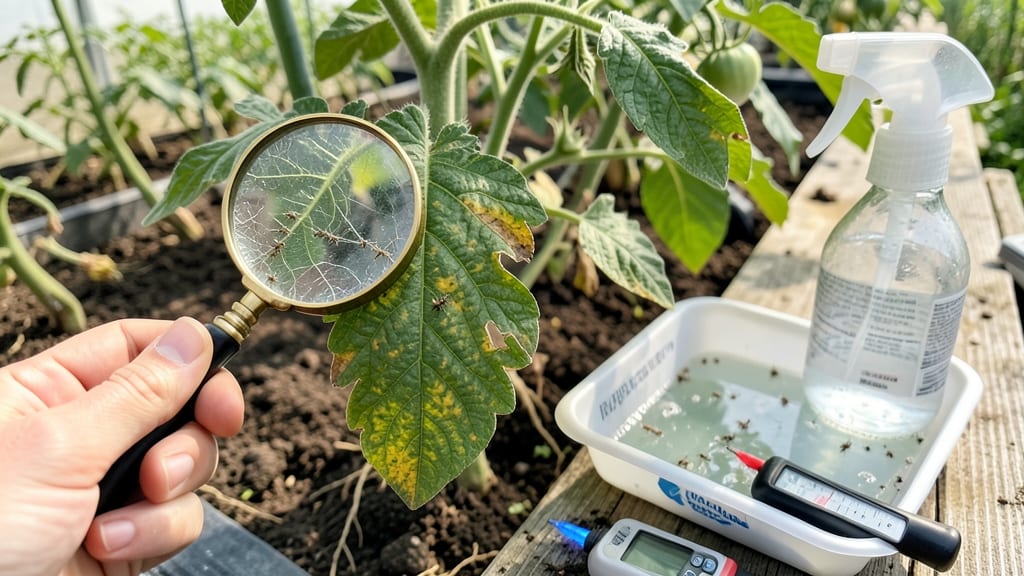
What causes curly leaf on your plants is never a good sign—but I've diagnosed and fixed it enough times to know exactly what's going wrong. 🌿 The culprits range from tiny pests you can't see to environmental stresses that sneak up on you, and each one needs a different solution to get your plants back to normal.
Most curly leaf problems start with pests like aphids or spider mites, which suck sap and leave leaves twisted and stunted. Others stem from fungal infections like powdery mildew, which distorts growth as it spreads, or even nutrient deficiencies that make leaves curl inward to conserve moisture.
Windburn or sudden drought can do it too, though those usually show up on younger leaves first.
Here's the good news: once you identify the cause, fixing it is straightforward. Prune affected foliage, apply neem oil for pests, adjust watering for drought stress, or treat fungal spots with baking soda spray. My basil and peppers bounce back within a week of proper care—no more crinkled, unusable leaves.
This works for tomatoes, peppers, herbs, and even houseplants. The key is acting fast before the problem spreads. Let's get your plants looking healthy again!
The Root Causes Behind Curly Leaf
Curly leaf isn’t just a quirky plant quirk—it’s often a cry for help from your plants. Whether it’s your prized tomatoes, basil, or even houseplants, those twisted, puckered leaves usually signal trouble.
But what’s making them curl in the first place? Let’s break down the science behind the most common culprits, so you can diagnose—and fix—the problem fast.
Plants are sensitive to temperature swings, and curly leaves often appear when they’re stressed by heat or cold. Why? Extreme temperatures disrupt a plant’s cellular processes, particularly in the mesophyll cells (the spongy tissue inside leaves).
When temperatures spike or drop too fast, these cells can’t maintain proper turgor pressure (the water pressure that keeps leaves firm). As a result, leaves curl inward to minimize water loss or protect delicate tissues.
- Heat Stress 🔥: High temperatures (above 90°F/32°C for most plants) cause transpiration rates to skyrocket. The plant loses water faster than its roots can absorb it, leading to wilting and curling.
Some plants, like lettuce or spinach, curl their leaves to reduce surface area and slow water evaporation. - Cold Stress ❄️: Frozen or chilly conditions (below 50°F/10°C for tropical plants) can damage cell membranes, causing cold injury.
The plant may curl leaves to conserve energy or protect meristem tissue (growth points) from further damage.
Actionable Fix:
- Shade cloth or mulch can buffer temperature extremes.
- Water deeply in heatwaves to help roots keep up with demand.
- Move potted plants indoors or to a sheltered spot if frost is forecasted.
Water is the lifeblood of plants, and imbalances can turn leaves into crinkled paper. Why does this happen? Curling is often a defense mechanism when roots can’t supply enough moisture to the leaves—or when they’re drowning in excess water.
- Underwatering (Drought Stress) 🏜️: When soil dries out, roots struggle to absorb water, and leaves start to lose turgor. The plant may curl edges inward to reduce water loss through transpiration.
In severe cases, abscisic acid (a stress hormone) signals leaves to curl as a last-ditch effort to conserve moisture. - Overwatering (Root Rot & Oxygen Starvation) 💦: Soggy soil cuts off oxygen to roots, leading to anaerobic conditions. Roots can’t function properly, and nutrients (like nitrogen) become locked up.
Leaves may curl upward or downward as the plant tries to regulate gas exchange or signal distress.
Actionable Fix:
- Check soil moisture with your finger—top 1–2 inches should be dry before watering again.
- Improve drainage by amending soil with perlite or compost.
- Use self-watering pots or drip irrigation for consistent moisture.
Some of the tiniest garden pests can wreak the biggest havoc on your plants. Why do they cause curling? Many insects, like aphids, spider mites, and whiteflies, inject toxins or siphon sap as they feed.
This disrupts the plant’s phloem (the vascular tissue that transports sugars and nutrients), leading to distorted growth and curled leaves.
- Aphids & Whiteflies 🐜: These pests cluster on new growth, sucking out sap and injecting salivary enzymes that alter plant hormones. The result?
Leaves curl upward or become sticky (from honeydew). - Spider Mites 🕷️: Tiny but destructive, these arachnids thrive in dry conditions and pierce leaf cells, causing curling, yellowing, and webbing.
Their feeding weakens the plant’s ability to photosynthesize. - Thrips 🪰: These slender insects scrape cells as they feed, leading to silver streaks and curled, distorted leaves.
Actionable Fix:
- Blast pests off with a strong spray of water.
- Use insecticidal soap or neem oil for organic control.
- Introduce beneficial insects like ladybugs or lacewings.
Plants need a balanced diet, and missing key nutrients can cause leaves to curl as they struggle to grow properly. Why? Nutrient deficiencies disrupt cell division and chlorophyll production, leading to weak, malformed leaves.
- Nitrogen Deficiency 🌿: Leaves may curl and turn yellow (chlorosis) because nitrogen is critical for protein synthesis and leaf expansion. Older leaves often show symptoms first. - Potassium Deficiency ⚡: Potassium regulates osmotic balance and enzyme activity.
Without enough, leaves may curl, especially along edges, and develop brown spots. - Magnesium Deficiency 💚: Magnesium is central to chlorophyll molecules. A shortage causes interveinal chlorosis (yellowing between veins) and curled, brittle leaves.
Actionable Fix:
- Test your soil with a home kit or send a sample to a lab.
- Amend soil with compost, worm castings, or balanced fertilizer (like 10-10-10).
- Use Epsom salt (magnesium sulfate) for a quick fix if magnesium is low.
Some pathogens don’t just attack leaves—they rewire a plant’s growth patterns. Why? Fungi and bacteria often release phytohormones (like ethylene) that trigger abnormal curling as part of their infection strategy.
- Bacterial Leaf Curl 🦠: Caused by pathogens like Clavibacter michiganensis, this disease distorts leaves by disrupting meristem tissue, leading to thickened, curled, or cupped foliage.
- Powdery Mildew 🍄: This fungal disease coats leaves with a white, powdery film, blocking sunlight and causing leaves to curl downward to escape the fungus.
- Viral Infections (e.g., Tomato Leaf Curl Virus) 🦠: Spread by insects like whiteflies, these viruses alter plant hormones, causing stunted growth, curled leaves, and reduced yield.
Actionable Fix:
- Remove infected plants immediately to prevent spread.
- Spray copper fungicide for bacterial/fungal issues.
- Use reflective mulch to deter insect vectors like whiteflies.
Fixing Curly Leaf Issues
Now that you know what’s causing those frustrating curled leaves, let’s roll up our sleeves and get your plants back to their healthy, perky selves! 🌱✨ Below are practical, step-by-step solutions tailored to each common cause—plus prevention tips to keep problems at bay.
If your plants are sporting yellowing, curling, or oily spots, a pathogen is likely the culprit. Act fast—these spread quickly!
🍳 Step 1: Remove Infected Leaves
- Snip off any severely curled or spotted leaves with clean pruners (sterilize with rubbing alcohol).
- Dispose of them in the trash—not your compost bin—to prevent reinfection.
👨🍳 Step 2: Apply Fungicide or Bactericide
- For fungal issues (like powdery mildew or leaf spot):
- Spray with a copper-based fungicide (e.g., Bonide Copper Fungicide) or a neem oil solution (1 tsp neem oil + 1 tsp mild soap per quart of water).
- Reapply every 7–10 days until symptoms disappear.
- For bacterial infections (like bacterial leaf spot):
- Use a copper fungicide or bacterial spray (follow label instructions).
- Avoid overhead watering to reduce spread.
🥘 Step 3: Improve Air Circulation & Light
- Space plants at least 6–12 inches apart to allow airflow.
- Prune nearby foliage blocking sunlight—many fungi thrive in shady, damp conditions.
- Water at the base (not leaves) to keep them dry.
⏰ Prevention Tips
✅ Rotate crops if growing in containers or garden beds. ✅ Sterilize tools between uses to avoid cross-contamination. ✅ Choose resistant varieties (e.g., disease-resistant tomatoes or peppers).
If leaves are curling without spots or pests, environmental factors are likely to blame. Adjusting conditions is key!
💡 Step 1: Shield from Extreme Conditions
- Too hot? Move plants to partial shade or use shade cloth (30–50%).
- Too cold? Bring potted plants indoors or cover with frost cloth at night.
- Too windy? Use windbreaks (like bamboo screens or trellises) to protect delicate foliage.
🎯 Step 2: Adjust Watering Habits
- Underwatering? Water deeply 1–2 times per week (check soil moisture—top inch should be dry).
- Overwatering? Let soil dry out between waterings and improve drainage (add perlite or sand to pots).
- Use mulch (2–3 inches) to retain moisture and regulate temperature.
✨ Prevention Tips
🌿 Acclimate plants gradually to outdoor conditions (hardening off seedlings). 🌿 Monitor weather forecasts and plan protection ahead of heatwaves or frosts. 🌿 Choose native or heat-tolerant plants for your climate zone.
Tiny pests like aphids, spider mites, or thrips suck sap, causing leaves to curl and distort. Here’s how to evict them!
🔪 Step 1: Blast Off Pests with Water
- Strong spray (from a hose or spray bottle) can knock off aphids and spider mites.
- Do this in the morning so leaves dry quickly (prevents fungal growth).
🌿 Step 2: Use Natural or Chemical Controls
- For soft-bodied pests (aphids, mealybugs):
- Spray with soapy water (1 tsp mild soap + 1 quart water) or neem oil.
- Release beneficial insects (ladybugs, lacewings) for long-term control.
- For spider mites (tiny webs on undersides):
- Wipe leaves with a damp cloth to remove webs.
- Spray with horticultural oil or miticide (like Neem Bliss).
📊 Prevention Tips
🐞 Inspect new plants before bringing them indoors or into the garden. 🐞 Encourage predator insects by planting dill, marigolds, or basil nearby. 🐞 Avoid over-fertilizing—pests love stressed, nitrogen-rich plants.
Curling leaves can also signal too much or too little fertilizer. Balance is key!
💪 Step 1: Flush the Soil
- If over-fertilized: Water plants heavily for 10–15 minutes to leach excess salts.
- If under-fertilized: Test soil with a DIY kit or send to a lab for a full analysis.
🍎 Step 2: Adjust Fertilizer Routine
- For nitrogen deficiency (pale, yellowing leaves):
- Use a balanced fertilizer (10-10-10) or fish emulsion.
- For potassium deficiency (brown edges, weak growth):
- Apply potassium-rich fertilizer (like banana peel tea or greensand).
- For magnesium deficiency (yellow patches between veins):
- Sprinkle Epsom salt (1 tbsp per gallon of water) and water deeply.
🌱 Prevention Tips
🌱 Follow label instructions—more fertilizer ≠ better results! 🌱 Use slow-release fertilizers to avoid spikes in nutrients. 🌱 Mulch regularly to improve soil health naturally.
🔹 Isolate affected plants until you’re sure they’re pest- or disease-free. 🔹 Keep a plant journal to track symptoms and solutions. 🔹 Rotate treatments to prevent pests/diseases from building resistance.
With these fixes, your plants should bounce back in no time—and you’ll be one step ahead of future curls! 🌿💚
Frequently asked questions
Why do my tomato leaves curl upward but stay green?
This is often a sign of heat stress or underwatering. Tomatoes curl leaves upward to reduce water loss when soil is dry or temperatures exceed 90°F (32°C). Check soil moisture—top 1-2 inches should be dry before watering again. Provide afternoon shade during heatwaves and mulch to retain moisture.
Can spider mites cause curling on houseplants?
Spider mites are a common culprit for curled leaves on houseplants like ferns or spider plants. These tiny pests thrive in dry conditions and feed by piercing leaf cells, causing curling, yellowing, and fine webbing. Treat with a strong spray of water first, then apply neem oil or insecticidal soap every 5-7 days until they're gone.
How do I tell if my plant's curled leaves are from overwatering or underwatering?
Check the soil first—if it's bone dry, you're underwatering. If it's soggy or smells musty, you're overwatering. For underwatering, water deeply until it drains from the bottom. For overwatering, let the soil dry completely between waterings and consider repotting with better-draining soil mixed with perlite.
Will pruning curled leaves help my plant recover?
Yes, but only if the cause is addressed first! Pruning removes the visual symptom but doesn't fix the underlying problem. Always identify the cause (pests, disease, environmental stress) before pruning. Remove only 20-30% of affected foliage at a time to avoid shocking the plant. Sterilize your pruners with rubbing alcohol between cuts to prevent spreading disease.
Can curly leaf be a normal part of plant growth?
Only in certain varieties like curly kale or frilly lettuce. For most plants, curling indicates stress. New leaves may naturally unfurl over 24-48 hours as they mature, but persistent curling on multiple leaves signals a problem. Observe for other symptoms like spots, webbing, or stunted growth to determine the cause.